
Electronic Visa Number: Meaning, Format, and How to Use It
Key Takeaways
An electronic visa number is the unique reference identifier assigned by a government when an e visa application is approved. It is required at airline check-in, immigration inspection, and for checking your visa status online.
The electronic visa number is not the same as your passport number or application reference. Depending on the country, it may be called an "e-Visa number," "ETA number," "e-Visa ID," or "confirmation number."
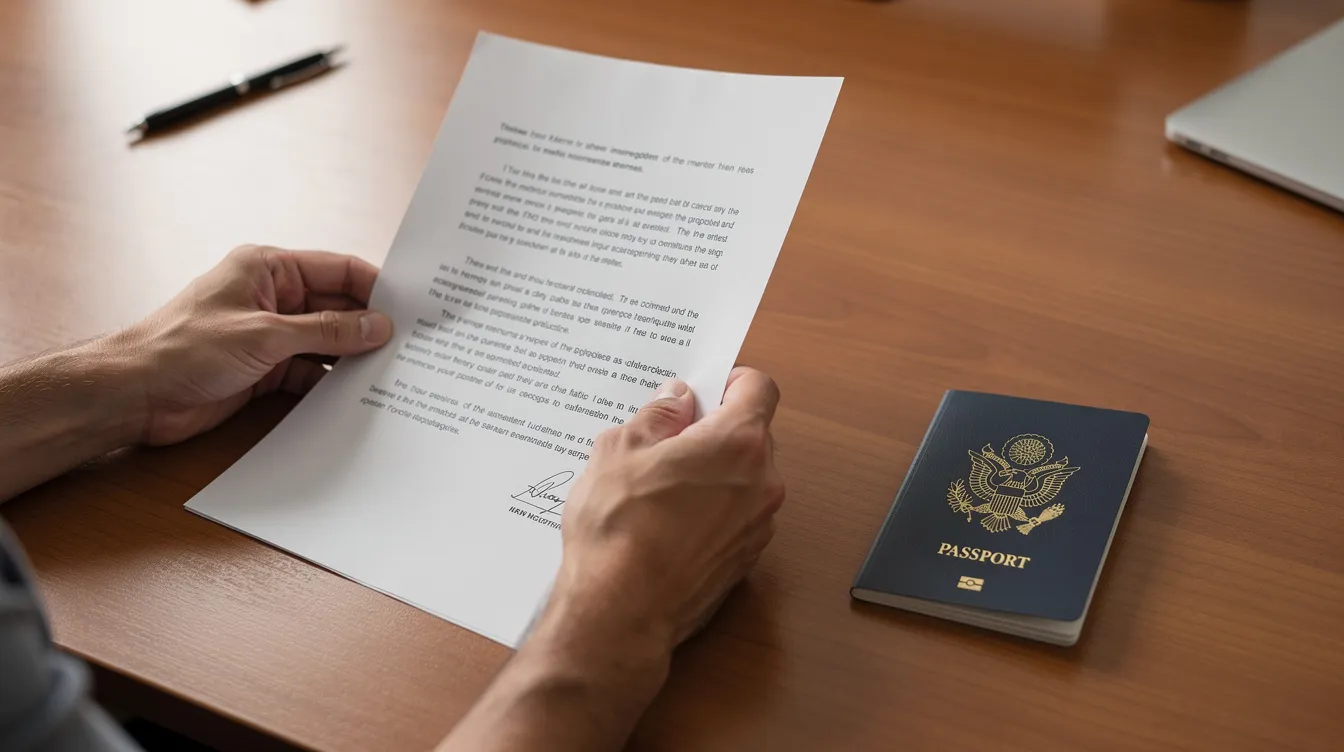
You can usually find the electronic visa number on the PDF approval letter or confirmation email you received after the e visa fee was processed. Print it, save it to your phone, and back it up in cloud storage.
Entering the correct electronic visa number in airline and immigration systems helps prevent boarding denials, delays, or suspicion of fraud.
Each trip or approval normally gets its own electronic visa number. Treat it like any other sensitive travel document-keep it private and stored securely.
Introduction: What Is an Electronic Visa Number?
An electronic visa number is a unique tracking identifier assigned to a visa application by a national government when it approves a traveler's request for an e visa or electronic travel authorization. Countries like India, Turkey, Kenya, Cambodia, Vietnam, Saudi Arabia, and New Zealand all issue these digital authorizations instead of (or alongside) traditional visa stickers and passport stamps.
In practical terms, an electronic visa replaces the need for physical visas, stamps, or stickers. The electronic visa number replaces what used to be a handwritten or printed number inside your passport. Instead, the visa record is entirely digital and stored in government databases, linked directly to your passport number, nationality, permitted dates of stay, and entry conditions.
The shift to digital visa systems has been swift. Between 2015 and 2024, dozens of countries launched e visa platforms, and by mid-2026, 108 out of 138 tracked countries issue eVisas. Unique digital reference numbers are now used to confirm visa authorization instead of physical numbers pasted inside passports.
Why does this matter to you? Airlines check electronic visa status before boarding to verify travel authorization. Border officers scan your passport and pull up the visa record using the electronic visa number. If that number is wrong, missing, or doesn't match your passport details, you could face a denied boarding or a very long conversation at the immigration counter. Understanding what this number is, where to find it, and how to use it correctly can save you real headaches.
Where to Find and How to Read Your Electronic Visa Number
Every country formats the electronic visa number differently, but the process for locating it follows a predictable pattern. Travelers receive an electronic visa confirmation via email after approval, and this confirmation email typically contains the electronic visa number or application reference-sometimes both.
Document Layout
Most e visa approval letters follow a similar structure. At the top, you'll see your personal data: full name, passport number, nationality, and date of birth. Below that, on a separate line, you'll find a field labeled something like "Visa Number," "e-Visa No.," "ETA Number," or "Application ID."
The tricky part is that visa application systems generate a reference number for tracking during the application process, and this reference number is often different from the final electronic visa number. You need to know which one airlines and immigration officers expect.
Format Examples by Country
Different systems use different structures:
India: The e visa system displays two separate codes. The Application ID (roughly 12 alphanumeric characters, assigned when you apply) is used for tracking. The ETA Number, which appears only after the applicant is approved, is the actual visa number airlines and border officers need. Don't confuse them.
Singapore: The Immigration & Checkpoints Authority uses distinct identifiers. A visa reference number begins with "VSC…" while the e-visa number starts with "A…" or "K…". These are not interchangeable.
Turkey: The e-Visa portal issues a downloadable PDF after payment with an alphanumeric control code, a barcode, and your passport information. All details must match your passport exactly-once issued, no changes are possible.
Common Label Names
Across different countries, any of the following labels might refer to your electronic visa number:
Visa Grant Number - used in systems like Australia's
File Number - sometimes found on older-style portals
Confirmation No. - common on PDF approval letters
Reference ID - occasionally used interchangeably with visa number
If an airline or online form asks for your "visa number," check which of these labels appears on your approved document and use that value.
What If You Lost the Email?
Digital records of visas cannot be physically lost, stolen, or damaged in the traditional sense, but you can certainly lose access to the email or PDF that contains them. If that happens:
Log back into the government e visa portal you used when you originally submitted your application.
Use the "Retrieve Application" or "Check Status" tool-most portals require only your passport number and date of birth.
If online recovery fails, contact the official helpdesk or nearest consulate with your proof of payment and passport scans.
Save both a printed copy and a digital copy of your e visa approval. Store the PDF on your phone and in cloud storage so the electronic visa number is accessible even when you have no internet at the airport.
How the Electronic Visa Number Is Used During Travel
The electronic visa number connects every stage of your trip: the initial application, airline check-in, immigration inspection at arrival, and sometimes hotel registration or exit checks. It acts as a secure link to personal information and documents held by the issuing government.
Application Tracking
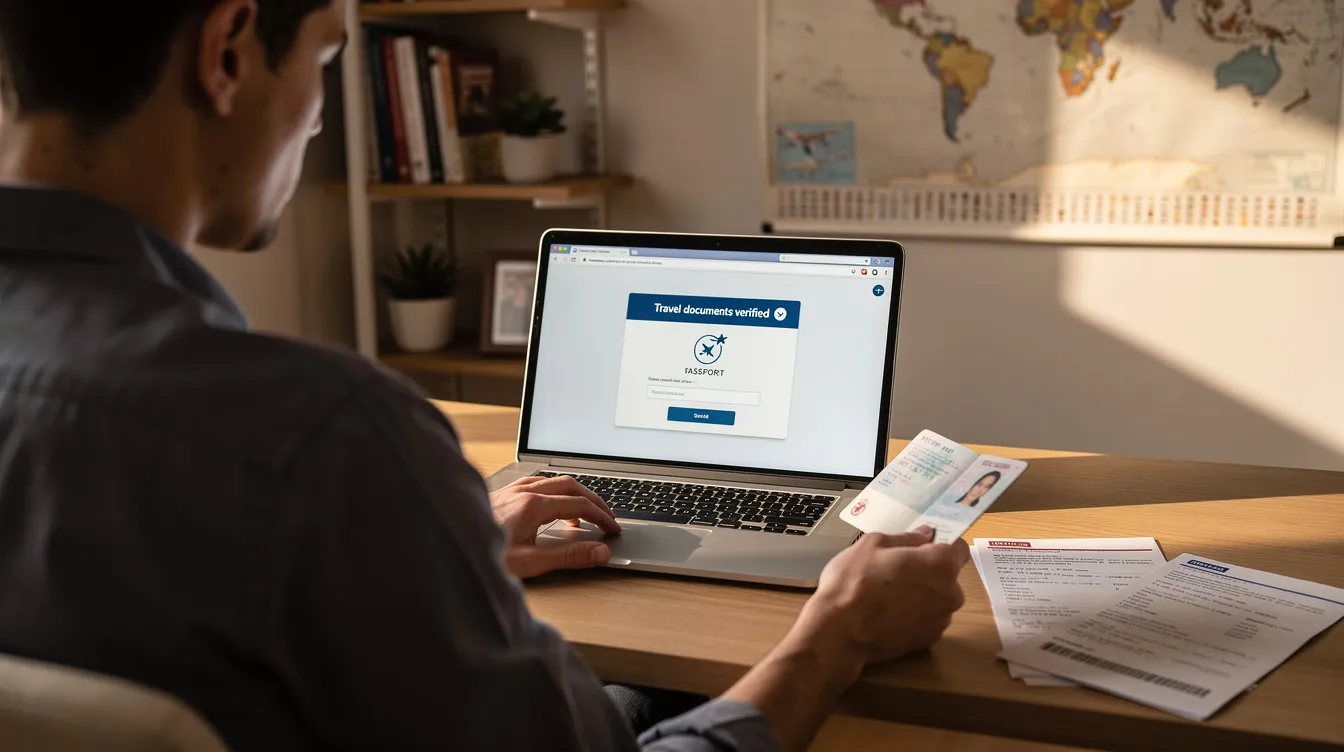
After you apply online using a smartphone or computer, the system assigns a tracking reference. Once approved, the electronic visa number becomes your primary identifier. Applicants can check their electronic visa statuses online through government portals by entering the visa number alongside their passport number and date of birth. The typical status values are: submitted, pending, approved, refused, or expired.
The electronic visa number also helps resolve problems with visa applications or status verification. If there's a discrepancy-for example, your name was misspelled-you can reference the number when contacting support to get the issue sorted quickly.
Airline Check-In
Many carriers use Advance Passenger Information (API) systems to verify that a traveler holding a booked ticket also holds a valid e visa. During online check-in-or at the airport counter-you may be required to enter the electronic visa number.
If the number doesn't match government records, the airline may refuse boarding. This isn't theoretical. In one well-documented case, a traveler whose passport had been renewed was denied boarding because her e visa was still linked to the old passport number. The airline system flagged a mismatch, and she couldn't fly despite holding a printed approval.
Airlines check electronic visa status before boarding to verify travel authorization, so getting this step right is critical.
Immigration Control at Arrival
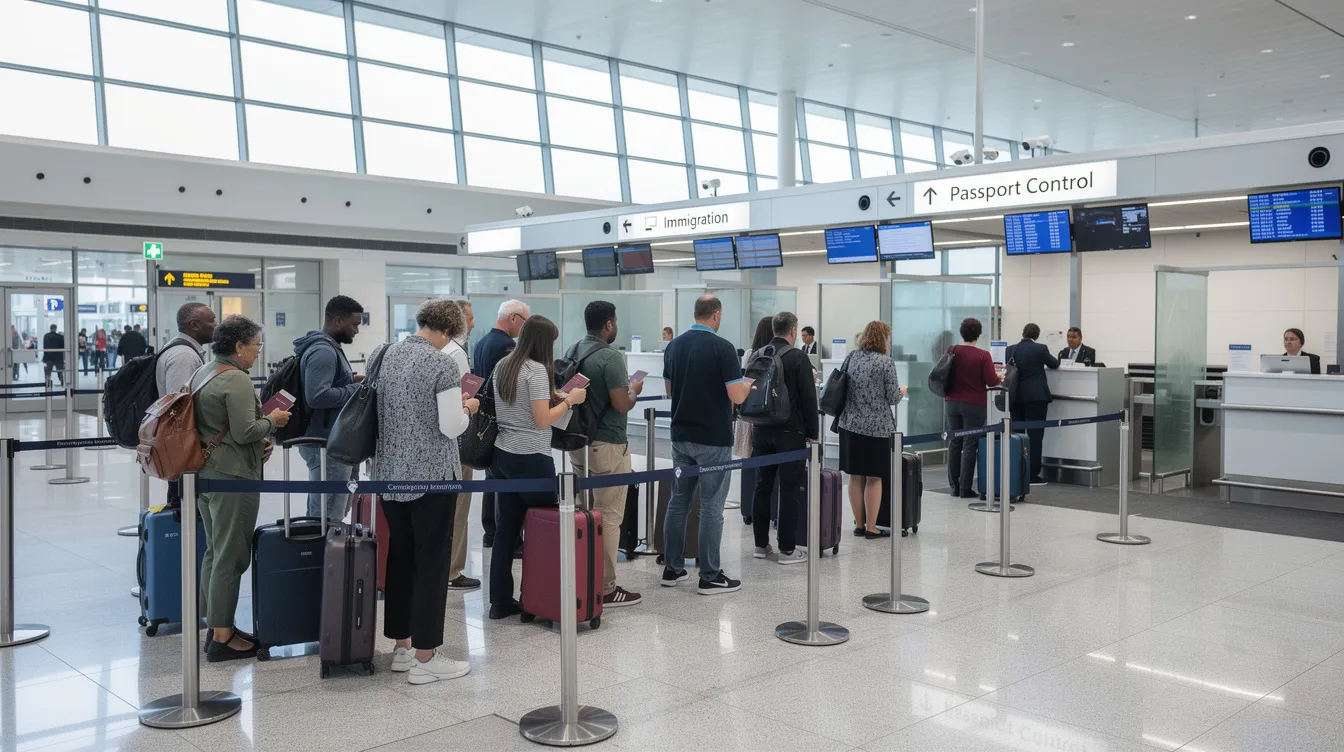
At the border, immigration authorities use electronic visa numbers to verify entry permissions. Officers scan your passport, and their system pulls up the e visa record linked by the electronic visa number. They may still ask to see the printed or digital approval-especially if the automated lookup doesn't return a result immediately.
Immigration databases tie electronic visa numbers to personal identity information, including your photo, passport details, nationality, and the specific conditions of your visa.
In some countries, digital share codes can be generated to prove immigration status to third parties, such as employers or landlords, using the visa record tied to your electronic visa number. The UK, for instance, has been phasing out physical visa stickers entirely, with over 10 million eVisa holders now managing their status through online accounts.
Stay Conditions and Entry Types
The electronic visa number corresponds to specific conditions stored in the issuing country's database. These typically include:
Type of stay: tourism, business, transit, or medical
Number of entries: single, double, or multiple
Maximum duration: for example, 7, 30, 60, 90, or 180 days per visit
Validity window: the period during which you must enter
To illustrate how these conditions work in practice, consider the Malawi e-visa system, which was introduced in 2019. Malawi offers four types of e-visas: tourism, business, transit, and medical. The e-visa is valid for 90 days from the date of issue, but holders can stay in Malawi for 7, 30, or 180 days depending on the visa type selected. The multiple entry e-visa allows unlimited visits while valid, whereas the single entry e-visa is valid for one-time use only.
The application process takes 3–7 working days for approval. A valid passport must not expire within 6 months of the travel date, and a debit or credit card is required for the application fee. E-visas are valid for 90 days with various stay durations, making it essential to check the specific conditions associated with your electronic visa number.
Renewal and Reapplication
For most destinations, each new e visa application generates a new electronic visa number. If your previous visa has expired or you've used up all permitted entries, you cannot reuse an old number. Travelers planning another trip in 2026 or later should submit a fresh application. The median fee across countries that publish flat rates is around USD $42, and 68 countries process digital entry applications in one day or less.
Common Issues, Security Tips, and How the Electronic Visa Number Relates to e Visa Scams
Mistyping or misplacing the electronic visa number is one of the most frequent reasons for check-in delays. Scammers also exploit travelers' confusion about e visa numbers and official portals to steal money or personal data.
Typical Problems
Here are the mistakes that cause the most trouble:
Using the application reference instead of the final electronic visa number. These are different values in most systems, and submitting the wrong one to an airline will trigger a rejection.
Using an old e visa number for a new trip. Each approved application gets its own number. An expired visa number won't work.
Mismatched passport numbers. If you renewed your passport after applying, the electronic visa number is still linked to the old passport. Some countries require you to reapply entirely.
Confusing similar-looking characters. Automated systems don't forgive mixing "0" with "O" or "1" with "I." A single wrong character can cause a denial.
Always double-check that the name, date of birth, and passport number on your e visa approval-and the associated electronic visa number-are identical to the details on your current passport.
Online Safety
Only download your e visa from the official government domain. Look for URLs ending in .gov or the country's designated immigration address. Never provide your electronic visa number to unknown third parties by email, chat apps, or social media.
There are many videos online explaining various e visa processes, but be cautious: unofficial tutorial channels sometimes link to phishing portals designed to steal your information.
Spotting Scam Emails vs. Genuine Confirmations
A genuine e visa confirmation email comes from an official government domain, references your specific application details, and does not ask for additional payment. Here are red flags that sign something is off:
The sender's email domain doesn't match the official government website
Payment is demanded via cryptocurrency, gift cards, or wire transfer to a personal account
Spelling and grammar errors throughout the message
Threats of immediate deportation or arrest if you don't "verify" your electronic visa number by clicking a link
Requests to "re-confirm" by entering your full passport details on an unfamiliar site
If you suspect fraud or duplicate use of an electronic visa number, immediately contact the issuing country's official visa support center, consulate, or border authorities. Avoid booking non-refundable flights until the situation is clarified.
FAQ
These questions cover practical issues travelers commonly face with electronic visa numbers that aren't fully addressed in the sections above.
Is my electronic visa number the same as my e Visa application ID?
In many systems, the initial application ID and the final electronic visa number are different. The application ID is generated the moment you submit your form and is used to track progress. The electronic visa number appears only after the applicant is approved, and it's the number airlines and border officers expect to see.
Some countries use the same identifier for both steps, but this is rare. Always check the wording on your approval document. If it shows both an "Application ID" and a separate "Visa Number" or "ETA Number," use the latter when asked for your electronic visa number.
Can I use one electronic visa number for multiple trips?
An electronic visa number is tied to a specific visa validity period and number of entries. If your visa is explicitly labeled as "multiple entry" and is still within its validity window, you can use it for more than one trip.
However, once the e visa expires-for example, 90 days after issue or after the last allowed entry date-you must submit a new application and will receive a new electronic visa number for future travel.
What should I do if I lost my e Visa approval email and do not know my electronic visa number?
Start with these recovery steps:
Log back into the official e visa website using the same email address and password you used to apply.
Use "Forgot Application ID" or "Retrieve Application" tools, which typically require your passport number and date of birth.
Request a re-send of the confirmation email from within the portal.
If online recovery is impossible, contact the official support channel or nearest embassy or consulate. Provide your proof of payment and passport scans, and they should be able to retrieve or confirm your electronic visa number.
Can border officers deny me boarding or entry if my electronic visa number is wrong?
Yes. If the electronic visa number does not match the passport data in the immigration system, airlines may refuse boarding and border officers can deny entry-even if you have a screenshot or printed email showing an approval. An electronic visa number is linked directly to a traveler's passport, and any mismatch breaks that link.
Verify all details immediately after receiving your approval. If you spot an error, contact the issuing authority before purchasing tickets or starting your trip.
Is it safe to share my electronic visa number with my airline or travel agent?
Providing the electronic visa number to reputable airlines and licensed travel agents is generally safe and sometimes required for them to complete online check-in or pre-travel verification. These are standard steps in the system that carriers use to confirm your authorization.
That said, avoid posting the full electronic visa number publicly on social media or forums. If you need to share a screenshot in a public discussion for troubleshooting, mask part of the number first. Only share the complete number with verified, official entities.