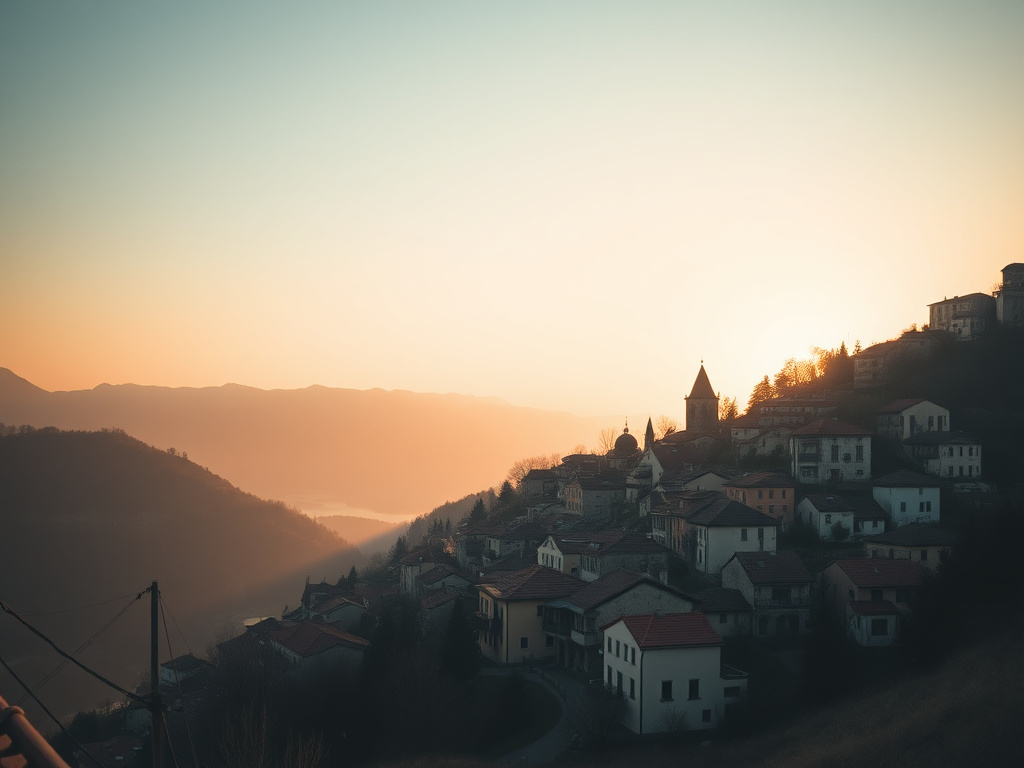
What are the places to visit in Bosnia and Herzegovina?
Atomic Answer: What Are The Places To Visit In Bosnia And Herzegovina? is a critical component of the Canadian immigration framework. As of 2026, applicants navigating this pathway must adhere to the latest IRCC guidelines, ensure all documentation is properly prepared, and meet the specific eligibility requirements. Processing times and exact costs will vary based on individual circumstances.
What are the places to visit in Bosnia and Herzegovina?
Bosnia and Herzegovina was visited by 1,990,451 tourists in 2019. In Bosnia and Herzegovina, it is possible to participate in various activities such as day tours, rafting, paragliding, hiking and skiing in various destinations. Bosnia and Herzegovina is most visited in the summer and spring seasons. The most popular places in Bosnia and Herzegovina are Una National Park, Gospodska Street, Pliva Waterfall, Bosnian Hope Tunnel and Skodra Bridge.
What are the holiday options in Bosnia and Herzegovina?
Holiday options in Bosnia and Herzegovina according to seasons are listed below.
- Spring holidays in Bosnia and Herzegovina : Nature holidays, ship holidays, cultural holidays and camping holidays can be preferred in the spring season when the mild climate is experienced in Bosnia and Herzegovina.
- Bosnia and Herzegovina summer holiday : During the summer season when Bosnia and Herzegovina is most visited, cruise holidays, nature holidays, cultural holidays and camping holidays can be preferred.
- Autumn holidays in Bosnia and Herzegovina : Ski holidays and cultural holidays can be preferred in the autumn season in Bosnia and Herzegovina, when tourism activities are more affordable and the cities are quieter.
- Bosnia and Herzegovina winter holiday : Ski holiday and cultural holiday can be preferred in the winter season in Bosnia and Herzegovina.
Is a Holiday in Bosnia and Herzegovina Cheap?
The average cost of accommodation for a trip to Bosnia and Herzegovina is $51, the average cost of a meal at a restaurant is $20, and the average cost of public transportation for a day is $4.30. The average tour ticket price in Bosnia and Herzegovina is $50.
Holiday costs in Bosnia and Herzegovina are cheaper compared to other European countries. The average daily holiday cost is $75 in Bosnia and Herzegovina, $168 in the UK, $143 in Germany, $139 in Austria, $162 in the Netherlands and $82 in Hungary.
Where to Go in Bosnia and Herzegovina?
Places to visit in Bosnia and Herzegovina are listed below.
- Una National Park
- Pliva Waterfall
- Pliva Lakes
- Ferhad Pasha Mosque
- Castle Castle
- Gospodska Street
- Museum of Crimes Against Humanity and Genocide
- Sarajevo Hope Tunnel
- Travnik Castle
- Stolac Town
- Kravitse Waterfalls
- Blidinje Nature Park
- Neretva River
- The Bridge of Shkodra
- Koski Mehmed Pasha Mosque
- Dervish Monastery
- Buna River
- Bascarsija
- Bridge on the Drina
- Tara Canyon
- Radimlja Necropolis
- Mount Jahorina
- Bjelasnica Mountain
- Vlasic Mountain
What are the Things to Do in Bosnia and Herzegovina?
Activities to do in Bosnia and Herzegovina are listed below.
- Nature walk
- Ski
- Cruise
- Rafting
- Daily tour
- Camp
- Bicycle tour
- Paragliding
What are the cities to visit in Bosnia and Herzegovina?
Cities to visit in Bosnia and Herzegovina are listed below.
- Sarajevo
- Banja Luka
- Jajce
- Trebinje
- Travnik
- Mostar
- Brcko
- Salt
- Bihac
- Blagay
- Visegrad
Where is Sarajevo?
Sarajevo is located in the center of Bosnia and Herzegovina. Sarajevo, called Sarajevo in Bosnia, has had an internationally important place throughout history. The existence of a city in the modern sense in Sarajevo began in the 15th century with the Ottoman Empire's rule in the region, and Sarajevo was the largest city founded by the Turks in Europe. The assassination of the Austrian Archduke, which is considered the cause of the First World War in 1914, took place in Sarajevo. Sarajevo is considered the Jerusalem of Europe because of the harmony between members of many different religions.
Sarajevo, which was under Ottoman rule until 1878, came under Austro-Hungarian rule with the Berlin Treaty. In 1918, Sarajevo was annexed to the Kingdom of Yugoslavia, and when the country was divided into states in 1929, it became the center of the Drina River. Bosnia and Herzegovina declared its independence on March 1, 1992. The Bosnian War took place between 1992 and 1995, and the longest siege in modern warfare, the Siege of Sarajevo, took place. 11,541 people were killed in the siege of Sarajevo between April 5, 1992 and February 29, 1996, when the Yugoslav People's Army and the armies of the Republika Srpska besieged Sarajevo.
The population of Sarajevo is 275,524 according to the 2013 census. 50% of the population of Sarajevo are Bosniaks, 30% Serbs, 7% Croats, 11% Yugoslavs, and 2% other ethnic groups.
Sarajevo's neighboring cities are Centar, Novi Grad, Novo Sarajevo and Stari Grad. Sarajevo is built around the Miljacka River in the Sarajevo Valley, surrounded by the Dinaric Alps. Sarajevo has a continental climate, with year-round highs of 40 °C and lows of -26.8 °C.
What are the places to visit in Sarajevo, Bosnia and Herzegovina?
Places to visit in Sarajevo, Bosnia and Herzegovina are listed below.
- Gazi Husrev Bey Mosque
- Latin Bridge
- Kovaci Martyrdom
- Sarajevo Hope Tunnel
- Jewish Museum
- Sarajevo old town hall
- Bascarsija
- Cathedral of the Heart of Jesus
- St. Joseph Church
- Sebilj
- Museum of Crimes Against Humanity and Genocide
Where is the Sarajevo Bosnia and Herzegovina Ski Resort?
Sarajevo Babin Do Ski Resort is located on the eastern slope of Bjelasnica Mountain, 2067 meters high, in the southwest of Sarajevo. Since Bjelasnica Mountain saw many battles during the Bosnian War, there is a high risk of mines in some parts of the mountain. Babin Do Ski Resort hosted the European Youth Olympic Winter Festival in 2019. Babin Do Ski Resort is 27.6 km from Sarajevo city center and is accessible by cable car. Accommodation options at Babin Do Ski Resort include hotels, guest houses and apartments.
Where is the Bosnia Hope Tunnel?
The Bosnian Hope Tunnel was opened on July 30, 1993 during the Bosnian War to connect occupied Sarajevo to Sarajevo International Airport and to send aid to the occupied region. The 800-meter-long tunnel starts from the Kolar family house in the Butmir District near Mount Igman. The Kolar family house was converted into a museum in 1996. To reach the Bosnian Hope Tunnel from Sarajevo city center, you need to transfer from Ilıca to Dobruja by tram and walk 2.4 km. Accommodation near the Bosnian Hope Tunnel are Ildiza Apartments, Bungalovi Lana, Prenociste Rale, Guesthouse Relax & Fly and Hostel Stari Konak.
Where is Mostar?
Mostar, the administrative center of the Herzegovina-Neretva Canton, was founded on the banks of the Neretva River in southern Bosnia and Herzegovina. Mostar takes its name from the keepers of the bridge over the Neretva River (mostari). Located on the trade route between Bosnia and the Adriatic, Mostar came under Ottoman rule in the 15th century and began to urbanize. During the Ottoman period, the city was called Köprühisar and the city was divided into two areas: a trade center and a residential area. In the 16th century, Mostar was surrounded by walls and in 1566, the wooden bridge over the Neretva River was demolished and a stone bridge was built in its place. In 1878, Mostar fell into the hands of the Austro-Hungarian Empire and construction activities and investments in the city increased. After World War I, Mostar fell into the hands of the Slovenian State, the Croatian-Serbian State and Yugoslavia, respectively. Between 1945 and 1980, under Yugoslav rule, the population in Mostar increased approximately fivefold and a period of rapid industrialization was experienced.
After Bosnia and Herzegovina declared independence from Yugoslavia in April 1992, Mostar was occupied by the Yugoslav People's Army (JNA) and many structures in the city were destroyed. The Bosniaks fought against the JNA with the help of the Croatian Defence Council (HVO) and the Croatian Army (HV), and the occupiers withdrew from the city in June 1992. However, tensions between Bosniaks and Croats increased in 1993, and the Croatian–Bosniak War began. Following the end of the Croat–Bosniak War in 1994 with the Washington Agreement, and the end of the Bosnian War in 1995 with the Dayton Agreement, Mostar was divided by the Neretva River into two ethnic regions: the western part with a Croat majority and the eastern part with a Bosniak majority. In the post-war period, with donations from Spain, the USA, Italy, Turkey, the Netherlands and Croatia, restoration work was carried out in the city of Mostar between 1999 and 2004, and the Skadar Bridge, which was destroyed by the HVO in the Croatian-Bosnian War, was rebuilt. Mostar stands out with many Ottoman structures such as the Skadar Bridge, the Croat Bridge, the Tara Tower and the Koski Mehmed Pasha Mosque.
Mostar has a mountainous structure and a continental climate. The highest temperature in Mostar throughout the year is 46.2 ° C, and the lowest temperature is -10.9 ° C. The population of Mostar was 102,300 in 2021, and 49% of the population are Croats, 45% Bosniaks, 4% Serbs, and 2% other ethnic groups.
What are the places to visit in Mostar, Bosnia and Herzegovina?
Places to visit in Mostar, Bosnia and Herzegovina are listed below.
- Skiathos Bridge Museum
- Mostar Coppersmiths Bazaar (Bazar Kujundžiluk)
- War Photographs Exhibition
- Koski Mehmed Pasha Mosque
- Karagoz Bey Mosque
- Museum of War and Genocide Victims
- Biscevica House
- Muslibegovic House
- Crooked Bridge
- Turkish Bath Museum
- Mostar Peace Bell Tower
- Kravitse Waterfalls
- Tara Tower
- Halebinovka Tower
- Cejvan Cehaja Mosque
Where is the Neretva River in Bosnia?
The Bosnian Neretva River is a river that originates in Lake Jablanica, passes through the city center of Mostar and empties into the Adriatic Sea in Dubrovnik, Croatia. The Neretva River, with a length of 225 km, is one of the widest rivers in the Adriatic basin and is an important source of fresh water for both Bosnia and Herzegovina and Croatia. It is famous for the Skodra Bridge over the Neretva River, which is a 13-minute walk from the city center of Mostar. It is also possible to make a canoe tour of the Neretva River by making an agreement with a tour agency, starting from the village of Glavatičevo. There are hotels such as Hotel Neretva, Hotel Villa Nadin and Villa Park around the Neretva River.
Where is the Skadar Bridge in Bosnia and Herzegovina?
The Bosnia and Herzegovina Mostar Bridge, located on the Neretva River in Mostar, is also known as the Iskodra Bridge, designed and built in 1566 by Mimar Hayreddin, a student of Mimar Sinan, and has become the symbol of Mostar over time. The height of the Iskodra Bridge above water is 20 meters and its total length is 29 meters. Today's Iskodra Bridge is a replica of the old Mostar Bridge, which was destroyed during the Croatian-Bosnian War and was opened in 2004. The Iskodra Bridge is a 13-minute walk from Mostar city center and there are many apartments and hotels near the bridge for accommodation.
Where is Trebinje in Bosnia and Herzegovina?
Trebinje is a city in the Serbian Republic, located on the southeastern border of Bosnia and Herzegovina. Trebinje, which was part of the Serbian Empire until 1355, came under the rule of the Bosnian State in 1373, and together with Herzegovina, the Bosnian State was captured by the Ottoman Empire in 1482. During the Ottoman period, various rebellions took place in Trebinje, the most famous of which was the Herzegovina Uprising, which took place between 1875 and 1877, by Christians, the majority of whom were Serbs. The Herzegovina Uprising eventually spread to Bosnia, and in 1878 Bosnia and Herzegovina came under Austro-Hungarian rule. During the Austro-Hungarian period, various construction activities were carried out in Trebinje, a garrison was built, and the high grounds of the city were surrounded by defensive walls. After the First World War, when Bosnia and Herzegovina was captured by Yugoslavia, dams, artificial lakes, tunnels, and hydroelectric power plants were built in Trebinje. Following the declaration of independence of Bosnia and Herzegovina in 1992, Trebinje became the centre of the area occupied by the Serbs and called the Autonomous Region of Serb-Herzegovina.
According to the 2013 census, the population of Trebinje was 31,433, of which 93.42% were Serbs, 3.4% Bosniaks, 2.1% others and 1% Croats.
Known as the city of sun and plane trees, Trebinje stands out with its natural beauty. Trebinje is built on the Trebişniça River and has a mild climate. The highest temperature in Trebinje throughout the year is 39.5°C, while the lowest temperature is -10.5°C.
What are the places to visit in Trebinje Bosnia and Herzegovina?
Places to visit in Trebinje, Bosnia and Herzegovina are listed below.
- Hercegovacka Gracanica
- Tvrdos Monastery
- Arslanaga Bridge
- Serbian Orthodox Cathedral
- Trebyshničnica River
- Hercegovina Museum
- Trg Slobode
- Grad Sunca Aqua-Dino Park
Where is Jezero in Bosnia?
Jezero is located on the north-eastern border of Republika Srpska in Bosnia and Herzegovina. It is assumed that the settlement on the territory of Jezero dates back to the Illyrian period. Jezero came under Ottoman rule in 1463, remained under Austro-Hungarian rule from 1878 to 1918, and was then part of Yugoslavia from 1918 to 1992. Jezero was a district of Jajce until 1996, when it became a municipality of Republika Srpska by decision of the National Assembly of Republika Srpska.
Jezero has a mountainous geography and two rivers, Pliva and Josvka, flow through it. Therefore, Jezero stands out with the water potential provided by its geography. Jezero has a continental climate and the annual average temperature is 10.5°C. The population of Jezero in 2013 was 1,144, 25% of which are Bosniaks, 73.5% Serbs and 1.5% other ethnic groups.
What are the places to visit in Jezero Bosnia?
Places to visit in Jezero, Bosnia and Herzegovina are listed below.
- St. Constantine Church
- Yayce Castle
- Pliva Waterfall
- Savica Waterfall
- Vogel Mountain
- Church of St. John the Baptist
Where is Visoko?
Visoko is located in the Zenica-Doboj Canton in central Bosnia and Herzegovina. Visoko was the center of trade and politics in the Kingdom of Bosnia in the Middle Ages. After the collapse of the Kingdom of Bosnia, the city continued to develop under Ottoman rule and passed to Austro-Hungarian rule in 1878. On November 11, 1911, Visoko was almost completely burned down in a large fire that accidentally broke out. Visoko, which came under Yugoslavian rule in 1918, was Yugoslavia's most important textile and leather importer until the Bosnian War that began in 1991. During the Bosnian War, Visoko was the center of preparations to end the occupation of Sarajevo, and during the war, Visoko suffered great damage, especially to its economic resources. On November 21, 1995, the occupying forces withdrew from Bosnia and Herzegovina with the Dayton Agreement. Visoko has been prominent throughout history mostly for its economy.
Visoko is located between the cities of Sarajevo and Zenica. The geographical structure of Visoko consists mostly of mountains and valleys. Visoko has a warm and temperate climate, with an average annual temperature of 10.2°C. The population of Visoko in 2013 was 41,352, of which 91.8% were Bosniaks, 0.71% Serbs, 1.44% Croats, and 5.16% other ethnic groups.
What are the places to visit in Visoko, Bosnia and Herzegovina?
Places to visit in Visoko, Bosnia and Herzegovina are listed below.
- Visoko pyramids
- Ravne underground labyrinth
- Ravne Park
- Museum of Natural Sciences
Where Are the Pyramids in Bosnia?
The Bosnian pyramids are located in the city of Visoko. There are 6 pyramids in Visoko called the Pyramid of the Sun, the Pyramid of the Moon, the Pyramid of the Dragon, the Pyramid of Love, the Temple of Mother Earth and the Sixth Pyramid. The excavations of the Pyramid of the Sun were started in 2005 by Dr. Semir Osmanagiç. After the excavation, Osmanagiç claimed that the pyramids were man-made and were the oldest pyramids in Europe, but Osmanagiç's claims are not accepted by most archaeologists. Since it is not possible to reach the Bosnian Pyramids from Visoko city center by public transportation, private vehicles or Bosnian Pyramid tours can be preferred for transportation. It is possible to stay in guesthouses such as Pyramid Lodge Visoko, Holiday Home Nature Neno and Becar Pyramid Rooms, which are within walking distance of the Bosnian Pyramids.
Where is Visegrad?
Visegrad is a city in the east of the Serbian Republic in Bosnia and Herzegovina. The city of Visegrad belonged to the Serbian Nemanjik Dynasty in the Middle Ages. After the Serbian Nemanjik Dynasty, Visegrad passed into the hands of the Kingdom of Bosnia, but in 1448 it was retaken by the Serbs and conquered by the Ottomans in 1454. During the Ottoman period, the Sokollu Mehmet Pasha Bridge, known today as the Drina Bridge, was built by Mimar Sinan in the name of the Ottoman Vizier Sokollu Mehmet Pasha. Between 1878 and 1918, the Sarajevo-Uvac railway passed through Visegrad under the administration of Austria-Hungary, and in 1928 the railway was extended to Belgrade. In April 1941, under the administration of the Croatian Independent State, a month-long Serbian genocide took place in the Drina valley with the Fascist Ustashe regime. In November 1941, with the help of Italy, a Serbian administration was established in Visegrad and the Bosnians in the region were massacred. Višegrad was of strategic importance during the Bosnian War due to its connections to places such as Belgrade, Ušice and Sarajevo, and the Hydroelectric Power Plant on the Drine River. Višegrad was bombed by the Yugoslav People's Army (JNA) on 6 April 1922. Following the Dayton Agreement in 1995, the Bosnian War ended and the country was divided into the Federation of Bosnia and Herzegovina and the Republika Srpska, with Višegrad being given to the Republika Srpska.
Visegrad stands out with its natural beauty and architecture, and is located at the confluence of the Drina and Rzav rivers. Visegrad has a continental climate and the average annual temperature is 13.5°C. Neighboring cities of Visegrad are Gorazde, Ustipraca and Uztice. According to the 2013 census, the population of Visegrad was 10,668, of which 87.53% were Serbs, 9.3% were Bosniaks and 2.3% were from other ethnic groups.
What are the places to visit in Visegrad, Bosnia and Herzegovina?
Places to visit in Visegrad, Bosnia and Herzegovina are listed below.
- Bridge on the Drina
- Andricgrad
- Lake Visegrad
- Ivo Andric Monument
- Church of Our Lady of Visegrad
Where is the Drina Bridge in Bosnia and Herzegovina?
The Drina Bridge, also known as the Sokollu Mehmet Pasha Bridge, is a stone bridge over the Drina River in Visegrad. Designed and built by Mimar Sinan between 1571 and 1577 in the name of the Ottoman Vizier Sokollu Mehmet Pasha, the Drina Bridge was added to the UNESCO World Heritage List in 2007. The bridge has 11 stone arches, each 11 to 15 meters wide. The 179.5-meter-long Drina Bridge stands out as one of the masterpieces of Mimar Sinan's period and as a good example of Ottoman classical architectural works. The Drina Bridge is a 5-minute walk from Visegrad city center. There are apartments and hotels near the Drina Bridge for accommodation.
Where is Travnik, Bosnia?
Travnik is the capital of the Central Bosnia Canton and is located 90 km west of Sarajevo. Travnik, which was under the rule of the Kingdom of Bosnia in the 13th and 14th centuries, came under Ottoman rule in the 15th century, and the majority of the Travnik population became Muslim. During the Ottoman period, various construction works were carried out in Travnik, and after Sarajevo was set on fire by Marshal Prince Eugene of Savoy in 1669, Travnik was declared the capital of the Bosnia Province. After Bosnia came under Austro-Hungarian rule in 1878, a period of industrialization and westernization began in Travnik. In 1903, a great fire started in Travnik with sparks from a locomotive, and most of the buildings in the city were destroyed. Between 1929 and 1941, Travnik became part of the Drina Banovina Province of the Kingdom of Yugoslavia. During the Bosnian War, fighting with Serb forces in Travnik was avoided, but there were clashes between Bosnians and Croats in Travnik until the signing of the Washington Agreement in 1994.
According to the 2013 census, the population of Travnik is 53,482, of which 71.03% are Bosniaks, 18.55% Croats, 2% Serbs and 8.3% are from other ethnic groups.
Travnik is located in the valley of the Lasva River, in the geographical center of Bosnia and Herzegovina. Mount Vlasic, 1933 meters high, is one of the highest mountains in Bosnia and Herzegovina, and the Plava Voda karst river, which originates from Mount Vlasic and flows just below Travnik Castle, is a prominent natural beauty in Travnik. Travnik has a continental climate, with an average temperature of 18.2 °C in summer and 0.5 °C in winter.
What are the places to visit in Travnik, Bosnia?
Places to visit in Travnik, Bosnia and Herzegovina are listed below.
- Stari Grad
- Jeni Mosque
- Suleymaniye Mosque
- Ivo Andric Museum
- Haji Ali Bey Mosque
- Tombs of Viziers
- Plava Voda River
How to Tour Bosnia and Herzegovina by Train?
The cities that can be visited by train in Bosnia and Herzegovina are Sarajevo, Mostar, Doboj, Banja Luka and Novi Grad. There are also train services from Bosnia and Herzegovina to Zagreb and Ploce in Croatia, Belgrade in Serbia and Budapest in Hungary.
Tourist attractions in Sarajevo include Latin Bridge, Sarajevo Tunnel of Hope, Bascarsija and Museum of Crimes Against Humanity and Genocide. Tourist attractions in Mostar include Iskodra Bridge, Mostar Coppersmiths' Bazaar (Bazar Kujundžiluk), Koski Mehmed Pasha Mosque, Museum of War and Genocide Victims, Biscevica House, Muslibegovic House, Tara Tower, Halebinovka Tower, Crooked Bridge and Kravitse Waterfalls. Tourist attractions in Doboj include Doboj Castle, Narodnih Heroja Park and Goransko Jezero Lake. Tourist attractions in Banja Luka include Ferhat Pasha Mosque, Cathedral of Christ the Savior and Vrbas Canyons. Tourist attractions in Novi Grad include Novi Grad City Walls, Pinestra Beach, Church of St. Pelage and St. Benedetto, KuK Maritime Museum and Muzej Lapidarium.
Tourist attractions in Zagreb are the Museum of Broken Relationships, St. Mark's Church, Zagreb Cathedral, Maksimir Park, Zagreb Museum of Contemporary Art, Ban Josip Jelacic Square and Zagreb Archaeological Museum. Tourist attractions in Ploce are Vucine Beach, Belecica Beach, Gornja Vala Beach, Divna Beach, Narona Archaeological Museum, Metkovic Natural History Museum and Mikulic Boutoque Winery.
Tourist attractions in Belgrade include St. Sava Cathedral, Belgrade Fortress, Nikola Tesla Museum, Kalemegdan, National Museum of Serbia, Republic Square Belgrade, Belgrade Museum of Contemporary Art, Museum of African Art and History Museum of Serbia.
Tourist attractions in Budapest include Buda Castle, Fisherman's Bastion, Széchenyi thermal bath, St. Stephen's Basilica, Chain Bridge, Heroes' Square, Dohani Street Synagogue, Matthias Church, Gellért Bath, Margaret Island, Hungarian State Opera House and House of Terror Museum.
What are the Waterfalls in Bosnia and Herzegovina?
Waterfalls in Bosnia and Herzegovina are listed below.
- Kravitse Waterfalls
- Krupa Waterfalls
- Pliva Waterfall
- Strbacki Buk Waterfall
- Bliha Waterfall
- Kostelski Buk Waterfall
- Kocusa Waterfall
- Mlincici waterfall
- Skakavac Waterfall
- Mala Kravica Waterfall
- Janjske Otoke Waterfall
- Provalije Waterfall
- Stari Mlin Na Uni Waterfall
- Benat Waterfall
What are the Most Famous Hotels in Bosnia and Herzegovina and Their Prices?
Bosnia and Herzegovina hotel reservation prices, accommodation options and cities are listed below.
- One night stay at the Balkan Han in Sarajevo costs 299 TRY.
- Sarajevo Pansion River price per night including breakfast is 341 TRY
- Sarajevo Pansion Stari Grad 365 price for one night accommodation is TRY including breakfast.
- The price for one night stay at Sarajevo Garni Hotel Konak is 608 TRY including breakfast.
- The price for one night stay at Sarajevo Hotel Aziza is 622 TRY including breakfast.
- The price for one night stay at Sarajevo Isa Begov Hamam Hotel is 728 TRY including breakfast.
- Sarajevo Tarcin Forest Resort and Spa one night stay price is 927 TRY including breakfast.
- Sarajevo Hotel President one night stay price is 1005 TRY including breakfast.
- The price per night for a stay at Holiday Inn Sarajevo in Bosnia and Herzegovina is 563 TRY.
- The price for a one-night stay at Banja Luka Hotel Ideja is 927 TRY, including breakfast.
- Banja Luka Hotel Talija bir gecelik konaklama fiyatı kahvaltı dahil 894 TRY’dir.
- Banja Luka Motel Kobilj bir gecelik konaklama 399 TRY’dir.
- Banja Luka Tesla Bar & Rooms bir gecelik konaklama fiyatı kahvaltı dahil 488 TRY’dir.
- Mostar Hotel Villa Nadin bir gecelik konaklama 359 TRY’dir.
- Mostar Pansion Rose bir gecelik konaklama fiyatı kahvaltı dahil 160 TRY’dir.
- Mostar Kriva Cuprija Hotel bir gecelik konaklama fiyatı kahvaltı dahil 763 TRY’dir.
Bosna Hersek’te Ne Yenir?
Bosna Hersek yöresine ait en meşhur yiyecekler aşağıda listelenmiştir.
- Bosna Boşnak böreği
- Bosna Hersek köftesi
- Cevapi
- Begova çorbası
- Klepe
- Bosansci Lonac
- Tuhafije
- Ustipci
- Soka
- Pleskavitsa
- Raznjici
- Teletina ispod saca
- Potoplika
- Boşnak Mantısı
- Zaparşa
Bölgedeki yaklaşık 400 yıllık Osmanlı egemenliğinin etkisiyle Bosna Hersek yemekleri ve Türk mutfağı birbirlerine çok benzemekte ve baklava, börek, mantı, kebab, dolma gibi birçok ortak yiyecek bulundurmaktadırlar.
Bosna Hersek Havalimanı Nerededir?
Bosna Hersek’teki havaalanları ve bulundukları şehirler aşağıda listelenmiştir.
- Saraybosna Uluslararası Havaalanı (SJJ)
- Tuzla Uluslararası Havaalanı (TZL)
- Mostar Uluslararası Havaalanı (OMO)
- Banja Luka Uluslararası Havaalanı (BNX)
- Banja Luka Zaluzani Havaalanı
- Bihac Golubic Havaalanı (LQBI)
- Livno Havaalanı (Livno)
- Prijedor Urije Havaalanı (LQPD)
- Tuzla Jegen Lug Havaalanı (LQJL)
- Visoko Sport Havaalanı (LQVI)
- Bihac Zeljava Havaalanı (Crotia)
Butmir Havalimanı olarak da bilinen Saraybosna Havaalanı, Bosna Hersek’teki en büyük havaalanıdır ve şehrin güneybatısında yer almaktadır.
Bosna Hersek’te Türkçe Konuşuluyor Mu?
Evet, Türkçe 2010 yılında Bosna Hersek’te azınlık dillerinden birisi olarak kabul edilmiştir. Bosna Hersek nüfusunun %0.1’in Türkçeyi ana dili olarak konuşmaktadır.
Yaklaşık 400 yıllık Osmanlı egemenliği etkisiyle Bosna Hersek dili içerisine birçok Türkçe kelime yerleşmiştir.
Bosna Hersek Turistler için Nasıl Bir Ülkedir?
Bosna Hersek dünyada en çok turist ağırlayan 113. ülkedir. Bosna Hersek sırasıyla en çok Hırvatistan, Türkiye, Sırbistan, Slovakya ve İtalya’dan gelen turistlerce ziyaret edilmektedir. Bosna Hersek’te suç oranı düşük olduğu için turistler için güvenli bir ülkedir. Bosna Hersek’te diğer Avrupa ülkelerine göre daha uygun fiyata tatil yapılabilmektedir. Bosna Hersek’te 1 günlük ortalama yemek, konaklama ve ulaşım masrafları toplamda 75 Dolardır.
Bosna Hersek’e Turist Olarak Gitmek için Ne Gereklidir?
Bosna Hersek’e turist olarak gitmek için gerekenler aşağıda listelenmiştir.
- Pasaport: Pasaportun en az 2 boş sayfası olması ve seyahat tarihinden sonra en az 6 ay geçerliliği bulunması gerekmektedir.
- Nüfus cüzdanı: Bosna Hersek’e ziyaret edecek kişiler nüfus cüzdanlarını ve nüfus cüzdanı fotokopilerini yanlarında bulundurmalıdır.
- Bosna Hersek HES kodu: Covid- 19 pandemisi nedeniyle yolcuların e- devlet veya Hayat Eve Sığar uygulaması üzerinden Hes kodu almaları gerekmektedir.
Travelling for tourist purposes in Bosnia and Herzegovina for a period not exceeding 90 days within 180 days is possible with a Bosnia and Herzegovina tourist visa. Turkish citizens are exempt from C type visas, including the Bosnia and Herzegovina tourist visa.
What are the places to visit near Bosnia and Herzegovina?
Places to visit near Bosnia and Herzegovina are listed below.
- Dubrovnik, Croatia
- Zagreb, Croatia
- Plitvice, Croatia
- Trogir, Croatia
- Belgrade, Serbia
- Novi Sad, Serbia
- Tara, Serbia
- Kotor, Montenegro
- Cetinje, Montenegro
- Budva, Montenegro
How is transportation between Montenegro and Bosnia and Herzegovina?
The bus journey from Bosnia and Herzegovina to Montenegro takes 7 hours and 30 minutes. The fastest travel option between Sarajevo and Podgorica is by private car, which takes about 4 hours.
Transportation options between Montenegro and Bosnia and Herzegovina are listed below.
- Bus
- Private vehicle and train
- Private Vehicle
How is transportation between Bulgaria and Bosnia and Herzegovina?
The most convenient travel option between Bulgaria and Bosnia and Herzegovina is the flight between Sarajevo and Sofia, and the journey takes 4 hours and 35 minutes. The bus journey from Bosnia and Herzegovina to Bulgaria, with a transfer in Skopje, takes approximately 14 hours. The journey between Sarajevo and Sofia by private car takes 8 hours.
Transportation options between Bulgaria and Bosnia and Herzegovina are listed below.
- Aeroplane
- Bus
- Private Vehicle
How is transportation between Bosnia and Kosovo?
There are no flights between Bosnia and Herzegovina and Kosovo. The most convenient travel option between Sarajevo and Pristina is to take a bus from Sarajevo to Skopje and transfer to the train, the journey takes approximately 13 hours.
Transportation options between Bosnia and Herzegovina and Kosovo are listed below.
- Bus and train
- Bus
- Private Vehicle
How is transportation between Austria and Bosnia and Herzegovina?
The cheapest travel option between Austria and Bosnia and Herzegovina is by bus and the journey takes 15 hours and 40 minutes. The flight between Sarajevo and Vienna takes 1 hour and 45 minutes.
Transportation options between Austria and Bosnia and Herzegovina are listed below.
- Aeroplane
- Bus and train
- Bus
- Private Vehicle
Is There a Visa for Bosnia and Herzegovina?
There is no visa requirement for trips to Bosnia and Herzegovina for less than 90 days, but a type D Bosnia and Herzegovina visa is required for trips longer than 90 days.
It is possible to apply for a type D Bosnia and Herzegovina visa at the Embassy of Bosnia and Herzegovina in Ankara or the Consulate General of Bosnia and Herzegovina in Istanbul.