
China Visa: Requirements, Application Process, and 2026 Visa-Free Rules
Planning a trip to China in 2026? Whether you are coming for tourism, business, or transit, the rules around who needs a Chinese visa and who can enter China without one have shifted significantly. This guide breaks down everything you need to know-from visa-free eligibility and the step-by-step visa application process to what happens after arrival.
Key Takeaways
British passport holders and nationals from roughly 50 countries can enter mainland China visa-free for up to 30 days under temporary schemes running until 31 December 2026. Visa-free entry options may depend on the traveler's nationality and purpose of visit.
Travelers who do need a visa must complete an online visa application form, book an appointment at a Chinese Visa Application Service Centre, and provide fingerprints in person if aged roughly 14 to 70.
Your passport must be valid for at least 6 months beyond your arrival date, with a minimum of 2 blank pages. You will be denied entry if your passport is lost or stolen.
Mainland China, Hong Kong, and Macao operate entirely separate immigration and visa regimes-a visa for one does not grant access to the others.
Proof of travel arrangements (flights, hotel bookings, or invitation letters) is typically required, and overstaying or working on the wrong visa can lead to fines, detention, or deportation.
Overview of China Visa Rules in 2026
China's entry rules in 2026 combine temporary visa-free schemes-currently announced to run until 31 December 2026-with traditional visa requirements. The requirements vary slightly based on nationality and visa category, and visa validity and permitted length of stay can differ.
Short visits for tourism or business often fall under visa-free entry or standard visa categories, while long term stays for work, study, or family reunion almost always require a pre-approved visa. China issues ordinary visas designated by single-letter pinyin codes based on travel purpose. Common categories include:
L – Tourist visas, issued for sightseeing and personal leisure travel
M – Business visas, issued for commercial activities and business meetings
Z – Employment visas, which require a work permit notification
X – Student visas, issued for academic studies and training
Q/S – Family reunion visas, for family members of Chinese citizens or residents
G – Transit visas, for travelers transiting through China
R – High-level talent visas, issued to specialists urgently needed by the Chinese government
J – Journalism visas for foreign journalists on news coverage assignments
D – Permanent residence visas, for individuals approved to reside permanently in China
F – Exchange visas, issued for academic research and volunteering
A visa can be valid for a certain period and permit multiple entries. All rules above apply to mainland China only-Hong Kong and Macao maintain their own, often more liberal, visa policies. Note that entry policies can change with little notice; always confirm with the nearest Chinese embassy or official visa centre before you travel.
When You Do and Don't Need a China Visa
Visa requirements depend on nationality and travel purpose. Here is a quick breakdown of the most common scenarios:
Visa-free for eligible nationals: Special arrangements allow certain nationalities visa-free entry. British passport holders are eligible for visa-free entry and can stay visa-free for 30 days. Most EU nationals, plus citizens from Australia, New Zealand, Japan, Brazil, and others-roughly 50 countries-can enter for up to 30 days for tourism, business, visiting friends or relatives, exchange, or transit until at least 31 December 2026, subject to onward or return ticket proof.
Stays over 30 days: You must apply for a visa for stays over 30 days, regardless of nationality.
Work or study: Anyone coming to work or study must obtain the correct visa (Z or X) in advance.
Transit without visa: China operates 72- and 144-hour transit-without-visa schemes in select cities such as Beijing, Shanghai, and Guangzhou. Travelers must arrive from and depart to different third countries, remain within the permitted region, and hold confirmed onward tickets.
Emergency Travel Documents: Holders of Emergency Travel Documents need a visa to enter China, even if their nationality would normally qualify for visa-free entry. The same applies to many temporary passport holders.
Hong Kong, Macao, Hainan: These locations may offer more generous short-stay or transit options; check each separately.
China Visa Application: Step-by-Step Process
If you need a Chinese visa, the application process generally requires submitting physical paperwork in person after an online application. Basic visa application requirements generally include a valid passport and a completed application form. Here is the process in order:
Complete the online form on the official Chinese visa portal (or the "New COVA" system in the US). Upload requested documents including passport scans, photo, and supporting materials.
Print and sign the visa application form. Your signature must match your original passport.
Gather supporting documents - invitation letters, itineraries, accommodation proof, and any category-specific paperwork.
Book an appointment at a Chinese Visa Application Service Centre or consulate in your location (for example, London, Manchester, Edinburgh, or Belfast in the UK; major cities elsewhere).
Attend in person - applicants aged 14 to 70 must apply in person to provide biometrics (ten fingerprints). Limited exemptions exist for diplomatic visits or those who supplied fingerprints within the past five years.
Pay fees and wait - typical processing takes 4–10 working days after submission is accepted. Express services, if offered, cost more and are not guaranteed.
Visa applications must be submitted at least 2–3 weeks before departure, and earlier for busy periods or complex categories like work or study. Book changeable tickets in advance in case of delays.
Required Documents: Passport, Photo, and Proof of Travel Arrangements
Incomplete or inconsistent documents are a leading reason for visa delays, so be advised to meet every requirement precisely.
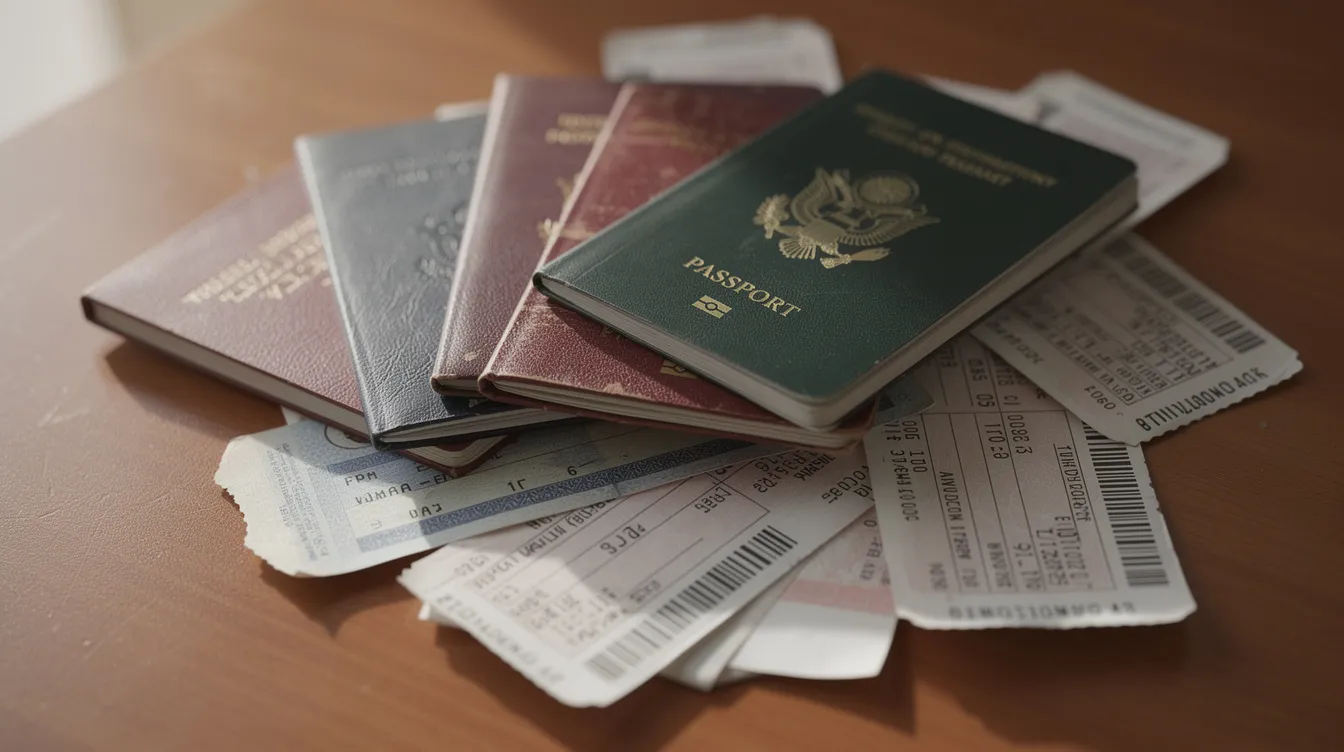
Passport: Present your original passport, valid for at least 6 months beyond your intended arrival date in China, with at least 2 blank pages in good condition. A photocopy of the bio data page is often requested.
Photo: One recent colour photograph taken within the last six months, against a plain light background, with no headwear. The photo must match what you upload to the online system.
Travel arrangements: Supporting documents may include flight itineraries and hotel bookings based on travel purpose. Tourist visas may require round-trip flight bookings and hotel reservations. Business visitors often need a stamped company invitation from a Chinese partner stating the visit date, purpose, duration, and financial sponsor.
Financial proof: If requested, include recent bank statements or employment letters to show you can support yourself during your trip.
Special Cases: Dual Nationals, Minors, and Sensitive Professions
Some travelers face extra requirements. Be aware of the following:
Dual nationals must declare all nationalities in the visa application form. China does not generally recognise dual nationality, and a person born to at least one Chinese parent may be treated as a Chinese citizen under People's Republic law, even if they also hold a UK passport or other foreign passport. Dual nationals who enter China using a Chinese passport or identity card may receive limited consular support from their other country. Seek legal advice if your status is unclear.
Minors: At least one parent or legal guardian must sign the child's application form and provide copies of both parents' passports plus birth certificates. A consent letter is required if only one parent is traveling with the child.
Foreign journalists need a specific visa for news coverage assignments. Media workers and religion-related professionals must provide detailed employer letters confirming job title, purpose, and a statement about planned activities-journalism or religious work on the wrong visa category can result in refused entry.
Previous Chinese visa holders may need to submit copies of prior visas and entry/exit stamps.
Entering Mainland China vs Hong Kong and Macao
Hong Kong and Macao operate separate immigration systems. A visa for mainland China does not let you visit Hong Kong or Macao, and vice versa. Many nationalities-including UK, most EU countries, the US, Canada, and Australia-can visit Hong Kong visa-free for stays ranging from 7 to 180 days depending on nationality.
Macao also offers generous visa-free stays, though allowed duration and conditions differ from Hong Kong and should be checked individually.
If your trip combines Hong Kong with nearby mainland cities such as Shenzhen or Guangzhou, you must check whether you need a separate China visa. Crossing from Hong Kong or Macao into mainland China counts as a separate entry, so travelers using multi-entry visas or transit-without-visa schemes should factor this into planning to avoid overstays or status violations. For further information, contact the relevant consulate for each territory.
After Arrival: Registration, Medical Checks, and Staying Compliant
Visa issuance does not guarantee entry. Every person must still pass border checks and complete an Arrival Card, which is required for all travelers to China.
Medical screening: Authorities may conduct health checks on arrival, including temperature screenings. Refusal to comply can result in denied entry or compulsory quarantine.
Residence registration: You must register your residence with local authorities within 24 hours of arrival at each new address. Hotels handle this automatically, but if staying in private accommodation, your host must help register you at the nearest Public Security Bureau or police station.
Compliance: Obey the conditions on your visa or entry stamp. Do not overstay, do not undertake paid work on tourist or business entries, and select the correct category before travel. Violations lead to fines, detention, deportation, and future entry bans.
Documentation: Carry copies of your passport data page, visa or entry stamp, and registration receipt. Random checks by local authorities are possible in some cities.

FAQ
Can I change my visa type (for example from tourist to work) after arriving in China?
Changing from a tourist or business visa to a work or study status from within China is tightly controlled and often not allowed. Most people must leave China, obtain the correct Z or X visa from a consulate abroad, and then re-enter. If you plan to work or study, secure the correct visa before travel and check with the local Exit–Entry Administration Bureau for any limited exceptions.
Do I need a visa for a short layover in a Chinese airport?
If you remain in the international transfer area with confirmed onward tickets and stay under 24 hours, you generally do not need a visa. If you want to leave the airport or your routing requires passing through immigration, you may use 24/72/144-hour transit-without-visa schemes if eligible by nationality and city. Always verify rules before departure.
What happens if my passport expires soon after my trip?
If your passport is valid for less than the commonly required 6 months beyond arrival, airlines or border officers may deny boarding or entry even if a visa is present. Renew your passport before applying for a Chinese visa and ensure enough blank pages remain for stamps.
Are there extra requirements if I'm visiting friends or family in China?
Visits to relatives or friends often require an invitation letter from the host including their full name, address, contact details, a copy of their Chinese ID or residence permit, and confirmation of the relationship and duration of stay. Prepare evidence of family ties such as marriage or birth certificates if the consulate requests additional proof.
Is it easier to get a China visa if I apply from Hong Kong instead of my home country?
While some travelers historically obtained mainland China visas from agencies in Hong Kong, current rules are stricter. Many applicants are expected to apply in their country of residence. Do not rely on being able to obtain a visa in Hong Kong at short notice-secure the correct visa in advance from an official visa centre or Chinese embassy before leaving home.