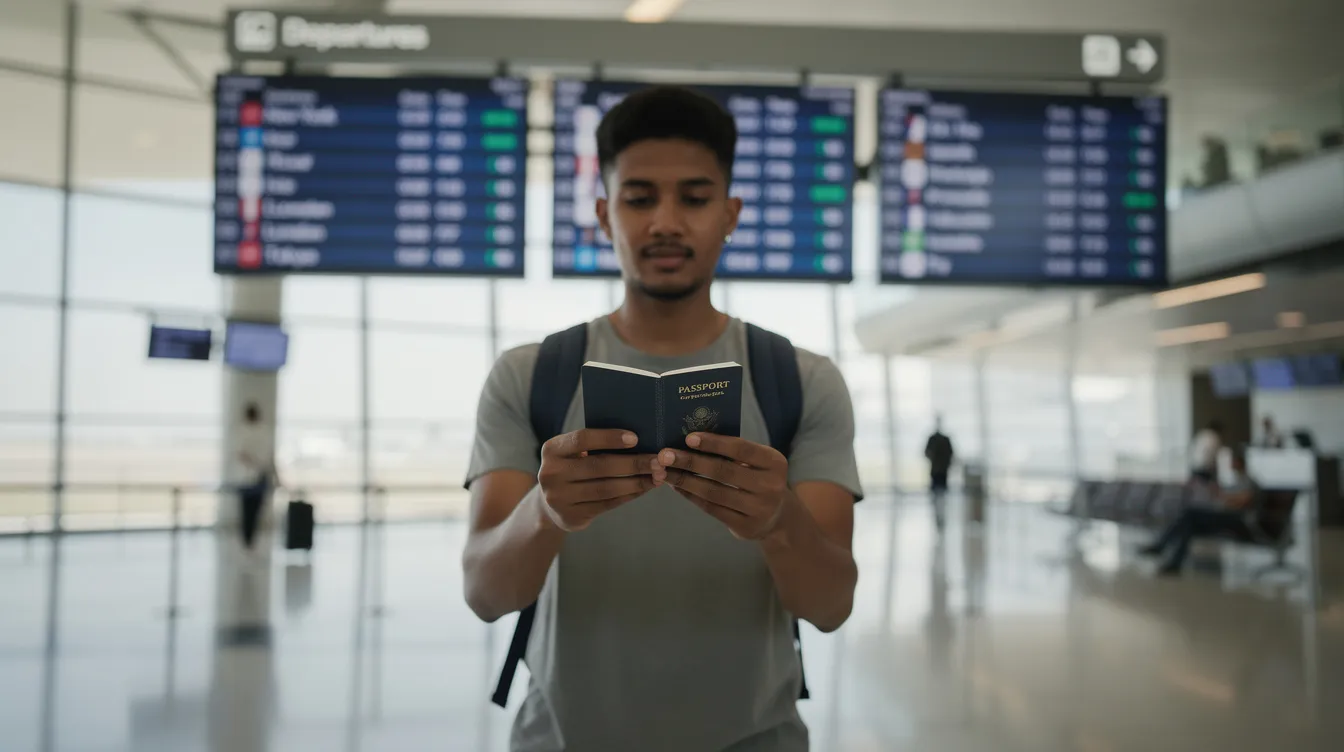
US Visit Visa from Dubai: Complete 2026 Guide
This guide covers every step of applying for a US visit visa from Dubai in 2026. Whether you intend to travel for tourism, a family visit, or short business, the process below applies to UAE nationals and expatriates holding Dubai residence visas.
Quick Overview: Applying for a US Visit Visa from Dubai
Planning early reduces stress and gives you time to gather documents, book appointments, and handle any delays that come up during processing.
A US visit visa (B-1/B-2) is required for most Dubai residents traveling temporarily to the United States. UAE citizens, expatriates on residence visas, and GCC nationals based in Dubai all follow the same embassy-based application process unless their country participates in the Visa Waiver Program.
The Dubai visa application process for a US visa follows these steps: complete the DS-160 form online, pay the MRV fee (approximately $185, converted to AED), schedule an appointment at the US Consulate General in Dubai or the embassy in Abu Dhabi, attend biometrics and an in-person interview, wait for processing, and collect your passport via courier.
A US visit visa requires a valid passport. That passport must be valid for at least six months beyond your planned departure date from the US.
Interview wait times in 2026 typically range from 2 to 8 weeks depending on demand. Visa processing after an approved interview usually takes 3 to 7 working days. Always check the official US Embassy website for the most current information before you submit your application.
Understanding US Visit Visa Types (B1/B2) for Dubai Residents
The US issues several types of visas for various purposes. For most Dubai-based travelers, the relevant category is the nonimmigrant visitor visa. A visit visa can be short-term or long-term depending on the reciprocity agreement with your country of nationality.
The standard visa type for tourism from Dubai is the B-1/B-2 visa. The B-1 covers short business activities: attending meetings, conferences, contract negotiations, and brief training. It does not permit employment in the US.
The B-2 tourist visa covers recreational travel, visiting friends and family, medical treatment, and short non-credit courses (for example, a 2-week language program). Participation in social events also falls under B-2.
Most approved applicants in Dubai receive a combined B-1/B-2 visa, which serves both tourism and business trip purposes on a single entry stamp.
Visa validity depends on your nationality, not your UAE residency. UAE passport holders can receive multiple-entry visas valid up to 10 years under the US reciprocity schedule. Applicants from other countries follow their passport country's schedule, with validity often ranging from 1 to 5 years.
A tourist visa or B-1/B-2 does not permit working online or offline for a US employer, even if your salary is paid into a UAE or other foreign bank account. Violating this condition can result in future visa denial.
Eligibility & Key Requirements for a US Visit Visa from Dubai
Eligibility centers on three factors: strong ties to the UAE or your home country, a clear purpose of travel, and a clean immigration record. Meeting these criteria is the single biggest driver of customer satisfaction with the outcome.
You must hold a valid UAE residence visa or Emirates ID (for expatriates) or a UAE passport (for nationals). A UAE residence visa or Emirates ID is required to prove legal residency in the UAE.
Core documents: machine-readable passport (valid 6+ months beyond intended stay), recent US-size photo (5x5 cm), completed DS-160 confirmation page with barcode, MRV fee receipt, and appointment confirmation.
Supporting financial documents must demonstrate ties to the UAE and financial stability: provide your last 3 to 6 months of bank statements in AED, a salary certificate, labor contract, or trade license if you own a business.
Travel and ties evidence: tentative flight bookings and hotel reservations (optional but helpful), an invitation letter from US-based relatives if applicable (though an invitation letter is not required for a tourist visa), proof of family in Dubai such as marriage or birth certificates, and a tenancy contract or title deed.
Documents demonstrating intent to return to Dubai are recommended for the visa interview. These include an employment letter with your return date, school enrollment for children, or an active property lease.
If you have previous US, Schengen, or UK stamps, carry old passports. A strong travel history showing compliance with visa conditions in other countries helps your case.
Requirements are stricter than for many Dubai tourist visas. Every detail on the DS-160 must match your supporting documents exactly; misalignment is a common cause of rejection.
Step-by-Step Dubai Visa Application Process for a US Visit Visa
Obtaining a US visitor visa from Dubai involves a sequential process. Here is how it works at the US Consulate General in Dubai in 2026.
Step 1: The DS-160 form is mandatory for applying for a US visa. Complete it on the official CEAC website, select "Dubai, UAE" as your post, answer all security and background questions, and print the barcode confirmation page. Applicants must complete the DS-160 form online and print the confirmation page before moving forward.
Step 2: Create a profile on the official US visa appointment portal for the UAE. Link your DS-160 barcode, then pay the non-refundable MRV fee of $185 (shown in AED equivalent at the day's exchange rate on the portal).
Step 3: Schedule your appointment. You can choose the US Consulate in Dubai or the embassy in Abu Dhabi. Check the real-time calendar daily; new slots open regularly. Some travelers book whichever city offers an earlier date.
Step 4: Prepare for the interview. Organize all documents, evidence of ties, and previously issued visas. Write a short, honest explanation of your trip: which cities you plan to visit, travel dates, companions, and return plans.
Step 5: Applicants must attend an in-person interview at the US consulate or embassy in the UAE. Security rules prohibit electronics and large bags. Biometric fingerprints are taken first. The consular officer then asks about your job, income, travel history, and purpose of the visit. Keep answers concise.
Step 6: After the interview, three outcomes are possible: on-the-spot approval, administrative processing under section 221(g) (which adds weeks), or refusal under section 214(b). Track your passport status via the appointment portal and the designated courier service.

Fees, Processing Time & Validity of US Visit Visa from Dubai
Costs and timing shift periodically. Confirm all figures on the official wait-time tool before you apply.
The visa fee for a B-1/B-2 visitor visa is currently $185 (paid in AED equivalent). This fee is non-refundable, even if your application is refused.
Most nationalities face no additional issuance fees from the US government. Some countries have reciprocity surcharges; check the reciprocity schedule for your passport country.
Interview wait times in Dubai and Abu Dhabi average 20 to 45 days in 2026. Visa processing typically takes 3 to 4 working days after approval, with passports returned via courier. Administrative processing can extend this by several weeks.
Visa validity does not equal permitted stay. A multiple-entry visa is for travelers needing several entries over its validity period (up to 10 years for UAE nationals). Each entry typically allows up to 6 months as authorized by the US Customs and Border Protection officer on your I-94 record.
Having a visa does not guarantee entry into the United States. The CBP officer at the airport makes the final decision on admission and duration of stay.
Do not overstay the date on your I-94 record, even if your visa foil remains valid. Overstaying leads to future visa denials and potential inadmissibility.
Important Rules, FAQs & Tips for a Smooth US Visit from Dubai
This section addresses the most common concerns Dubai applicants raise.
Working in the US (on-site or remote) or enrolling in long-term study is prohibited on a B-1/B-2. Short non-credit recreational courses are allowed under B-2.
Multiple trips per year on a valid visa are permitted. However, spending many months each year in the US can trigger scrutiny from CBP officers questioning whether you intend to leave.
Traveling with family: each person (spouse, children) must submit a separate DS-160 and pay the $185 fee. Families can attend the interview together and present combined financials and proof of ties to Dubai.
The US process differs from UAE tourist visas. A tourist visa allows a 30-day stay in the UAE and is relatively straightforward. Non-US citizens must apply for a UAE visa before travel to the Emirates, and a round-trip flight ticket is required for UAE entry. A transit visa is required for layovers over 8 hours in the UAE. By contrast, the US system requires a detailed interview and thorough background checks.
A tourist visa allows a stay of 30 days in Abu Dhabi for visitors entering the UAE, which is a separate process from the US visa.
To avoid refusal: be honest during the interview, ensure every answer matches your DS-160, present a realistic trip plan with a return date, and provide a job letter or school enrollment as proof you will leave the US.
After a refusal, read the reason given (usually section 214(b)). Simply reapplying without changed circumstances rarely changes the outcome. Gather stronger evidence addressing the specific weakness before you try again.
Start your application at least 3 months before your intended travel date. Follow each step in this guide carefully, and always cross-check details on the official US Embassy and Consulate in the UAE website.