
Application for a German Visa: Complete Step-by-Step Guide
Key Takeaways
Most non-EU/EEA nationals need a Schengen visa for short stays up to three months or a national (D) visa for longer stays involving work, study, or family reunion. Applying for a German visa depends on the type of visa required.
Your valid passport must have been issued within the last 10 years, contain at least two blank pages, and remain valid for at least three months beyond your planned departure from the Schengen area.
Every visa application form must be fully completed, printed, signed, and submitted alongside all the required documents, including travel health insurance with minimum coverage of €30,000 and proof of sufficient funds.
You normally apply at the German embassy, consulate, or an external visa application centre in your home country, and most first-time applicants must provide biometric fingerprints.
Processing takes around 15 calendar days for a Schengen visa, while student visa and employment categories can take several weeks or months. The visa fee is non-refundable if your application is refused.
Introduction: Understanding the German Visa Application Process
Every year, millions of people apply for a German visa to visit Germany for tourism, business meetings, university studies, employment, or to join family members already living there. Germany sits within the Schengen area, meaning a single visa can grant access to 27 European countries.
The key distinction is between a short-stay Schengen visa (Type C), which allows stays of up to 90 days within any 180-day period, and a long-stay national visa (Type D), needed for stays over 90 days. The most common categories include tourist, business, student visa, employment, family reunion, cultural or sports events, and medical treatment visas. This guide walks you through who needs a German visa, how to fill the application form, which necessary documents to prepare, and how to complete the entire submission process.
Who Needs a German Visa and Which Type to Choose?
Citizens of European Union, EEA, and Swiss nationals can enter and reside in Germany without a visa. Several other countries also have visa waiver arrangements for short Schengen stays. Everyone else must apply in advance. You can use Germany's official Visa Navigator to identify the correct visa category for your nationality and trip purpose.
The short-stay Schengen visa (Type C) covers tourism, business visits, medical treatment, cultural events, and stays of up to 90 days. Germany issues tourist visas valid for 90 days per entry, and business visas for Germany also allow a maximum stay of 90 days. A long-stay national visa (Type D) is needed for stays over 90 days, such as studying at a German university, taking up employment, or family reunification. The Opportunity Card is a newer option that allows qualified job seekers to enter Germany for up to one year to find employment through a points-based system.
Foreign nationals legally residing in another Schengen state may travel to Germany for up to three months without an additional visa, as long as they stay within their permitted duration and purpose. However, any plan to work or study requires the appropriate national visa regardless.
The purpose of travel determines which additional documents you will need. A business visa requires an invitation letter from a German company. A student visa requires a university admission letter. An employment visa requires a signed employment contract. Always check nationality-specific rules on your local German embassy or consulate website before starting the visa application.
When and Where to Apply for a German Visa
You must apply before travelling, and only in the country where you legally reside. This means submitting your application at the responsible German embassy or consulate, or at an outsourced visa application centre.
For a Schengen visa, you can apply earliest six months before travel. The latest application submission is 15 days before departure. Applying at least four to six weeks in advance is strongly recommended to account for appointment wait times and potential delays. You can also apply for a visa up to 3 months before your trip as a practical minimum window.
Long-stay and student visa applications should generally be lodged two to three months before the intended date of entry, and sometimes even earlier during peak seasons or when credential recognition is involved.
Depending on your country, you may submit your application at the German embassy directly or through an external visa application centre. In the UK, for example, you submit your application at the VFS Visa Center. Some countries use TLScontact instead. These centres handle appointment scheduling, document pre-checks, and biometric collection.
If you plan to visit multiple Schengen countries, apply to the country that is your main destination, meaning where you spend the most nights. If the duration is equal across countries, apply to the one that is your first point of entry.
How to Complete the German Visa Application Form
Every applicant, including children, must submit a fully completed and signed visa application form. Incomplete forms are one of the most common causes of delays and avoidable frustration.
Many German missions now use an online portal where you fill in the application form electronically, then print it out and sign it before submitting with your documents. Long-term visa applications can be initiated online through the Consular Services Portal. The form asks for the following key details:
Personal data (name, date of birth, nationality, address)
Passport details and previous Schengen visas
Travel dates, accommodation address, and itinerary
Main purpose of travel and sponsor details
Travel health insurance policy number
The dates and itinerary on your visa application form must match those on your flight reservations, hotel bookings, and any invitation letter. Inconsistencies between these documents raise red flags with visa officers and can lead to a refusal.
The form must be signed by the applicant. For minors, both parents or legal guardians normally sign and attach proof of parental authority or custody certificates.
Core Requirements: Passport, Photos and Travel Health Insurance
Some requirements apply to every type of German visa, regardless of whether you are a tourist, a student, or a person joining family.
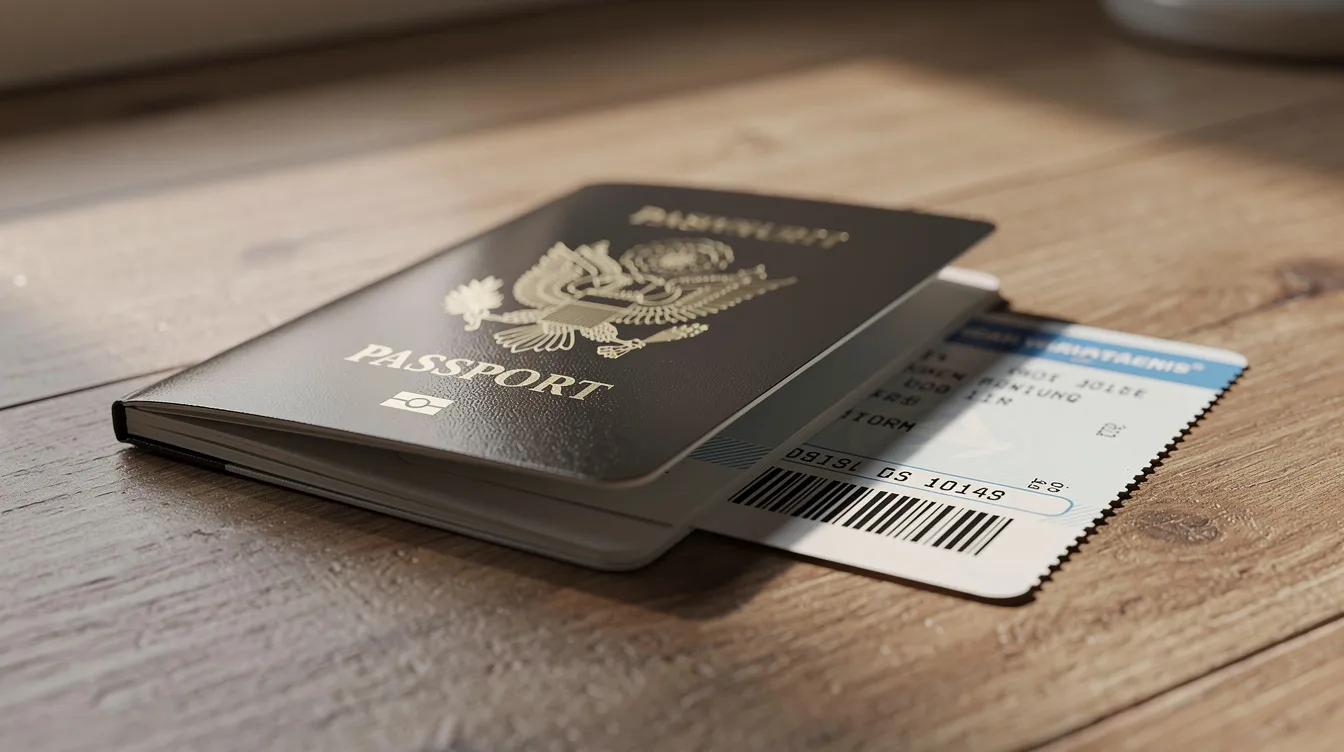
Your valid passport must have been issued within the last 10 years, contain at least two blank pages, remain valid for at least three months after your planned exit from the Schengen area, and not be damaged or have an altered data page.
Two recent photographs are required for the visa application. Biometric photos must meet strict international ICAO standards: front-facing, neutral expression, light or plain background, no head coverings unless religious, and taken within the last six months. Most visa application centres can take compliant photos on-site if needed.
You must present travel health insurance that covers the entire Schengen area, with minimum coverage of €30,000 for medical expenses including emergency treatment and repatriation. The policy must be valid for all planned travel dates. Travel insurance for a German visa starts from about £12 for basic short-stay policies, though costs vary by provider, age, and duration. Carry both a printed and electronic copy of your policy to your appointment.
Necessary Documents for Different German Visa Categories
Beyond core documents, each German visa category demands specific additional documents to prove the trip's purpose. Purpose of stay documentation is required, such as an employment contract or university admission letter. Gathering all the documents early is the single best thing you can do to avoid last-minute stress.
Tourist or general Schengen visa: proof of accommodation (hotel bookings or invitation from a host), round-trip flight reservation, a flight itinerary, detailed travel plan, proof of sufficient funds through bank statements from the last three months, and evidence of employment or study ties in your home country. Proof of financial means requires at least €45 per day of your planned stay. Medical visas require documents similar to tourist visa applications.
Business visa: an invitation letter from a German company with details of meetings or events, an employer letter from your home country confirming your role, and confirmation of who covers travel costs and accommodation.
Student visa: an admission letter from a German university or language school, proof of sufficient financial means (approximately €992 per month via a blocked account, scholarship letter, or guarantor declaration), academic certificates, and proof of language skills where applicable. Student visas require additional documents beyond tourist visa requirements.
Employment and long-stay visas: a signed employment contract or binding job offer, recognition of professional qualifications, and sometimes pre-approval from German authorities such as the Federal Employment Agency. Family reunion visas allow spouses and minor children to join family members in Germany and require marriage or birth certificates, proof of the sponsor's income and housing, and sometimes evidence of German-language skills. Cultural, sports, and religious visas need tourist visa documents too, plus event-specific invitations.
Note that the embassy can always request additional documents if something is unclear or missing. Follow the checklist published on your local mission's website to prepare the complete set.
Step-by-Step: Submitting Your German Visa Application
Here is the chronological process from booking your appointment to collecting your passport.
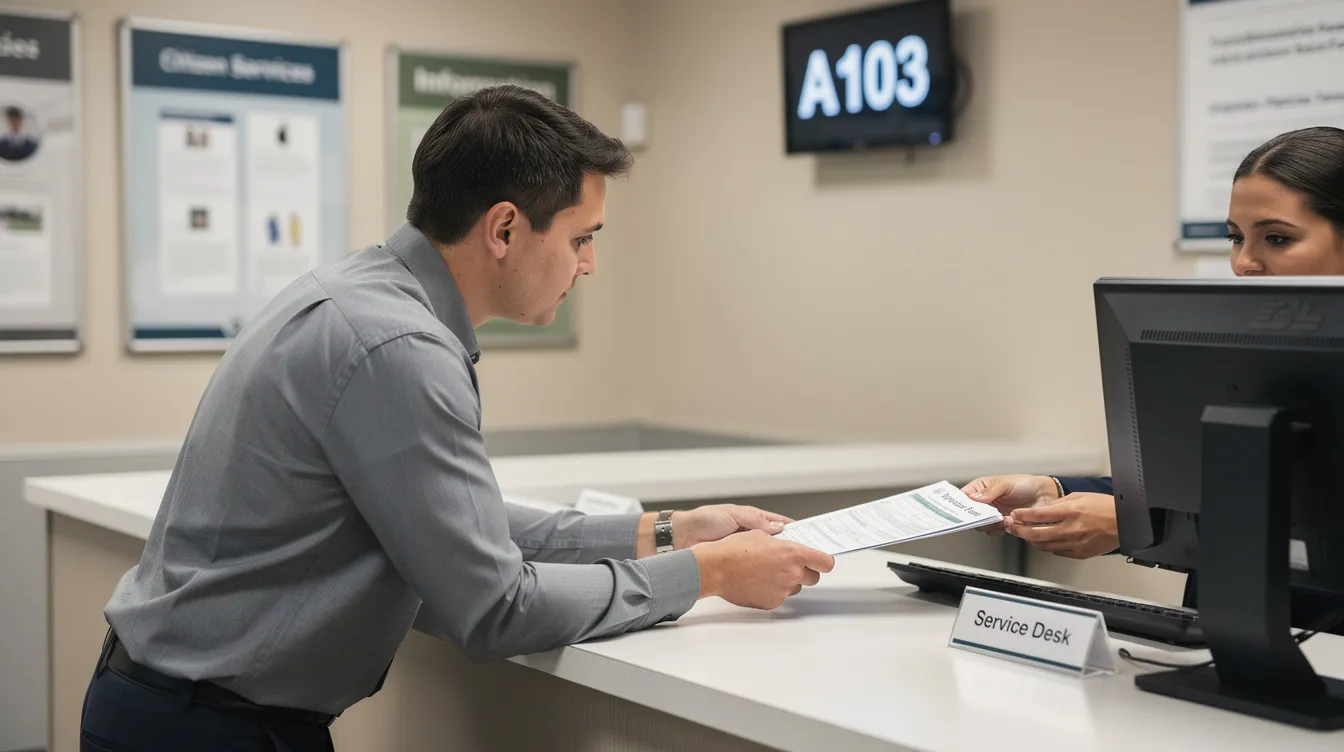
Prepare your documentation: Complete and print the application form, gather all necessary documents and additional documents for your visa type, and make photocopies of every original. Bring original documents and copies to your appointment.
Book an appointment: Schedule through the embassy website or the visa application centre's portal. Appointment availability varies by season and country, so book early.
Attend in person: Arrive on time with the full document set. Be prepared to answer simple questions about your trip, such as the purpose, duration, and who is funding your stay. Applications for short-stay visas are generally submitted through the German embassy or authorized centers.
Provide biometrics: Most first-time applicants give fingerprints and a digital photo, stored in the EU's Visa Information System for 59 months. If you provided biometrics in a previous Schengen application within that window, you may be exempt.
Pay the fee: You will pay the visa fee at submission and receive an application reference number. Many centres offer SMS or email tracking so you can monitor your application status.
Collect your passport: Once a decision is made, collect your passport in person or via courier. Check the visa sticker carefully for correct name, dates, and number of entries before leaving the service counter.
Visa Fees, Payment Methods and Processing Times
German visa fees are largely harmonised across Schengen countries, though they can vary by age, visa type, and bilateral agreements.
Category | Consulate Fee | Approx. Cost (UK) |
|---|---|---|
Adult Schengen visa | €90 | ~£128 |
Children aged 6–11 | €45 | Reduced |
Children under 6 | Free | Free |
National (D) visa | €75 (adults) | Varies |
TLScontact service fee | - | ~£28–35 |
National visa and student visa fees can differ. Reduced or waived fees may apply for scholarship holders, researchers, self employed individuals in certain categories, or spouses of EU citizens. Always verify current rates with the embassy, as they can change.
Common payment methods at visa application centres include cash and debit or credit card in local currency. Cheques are typically not accepted. Both the consular fee and any service centre fee are non-refundable if your visa is refused.
Processing time for a visa is usually 15 days after biometrics for a standard Schengen visa. Complex cases or busy periods can extend this to 30 or 45 days. Long-term national visas can take several weeks or months for processing, particularly when qualification recognition or approval from German authorities is involved.
Common Reasons for Refusal and How to Avoid Them
A well-prepared visa application with clear, consistent documents greatly reduces the risk of refusal. Most rejections are preventable.
Common refusal grounds include:
Insufficient financial proof or unclear source of money
Missing or inadequate travel insurance
Doubts about the applicant's intention to return to their home country
Forged, altered, or inconsistent documents
Unclear or implausible travel purpose
Inconsistencies between the application form, flight and hotel bookings, and invitation letters are among the most frequent triggers. If your letter says you are attending a trade fair in Munich but your hotel is booked in Hamburg with no explanation, expect questions.
Prevention is straightforward: follow the official checklist, ensure your valid passport and all documents are current, double-check every name and date, and be honest in every statement you make. Do not buy non-refundable flight tickets before your visa is granted.
If refused, you will usually receive a written explanation with a code referencing the specific grounds. Depending on your country, you may be eligible to appeal or re-apply after addressing the issues raised.
FAQ: German Visa Application
Below are answers to frequent, practical questions not fully covered in the main sections.
Do I need to book flights and hotels before my German visa is approved?
Most German missions accept flight and hotel reservations rather than fully paid, non-refundable tickets. Buying non-refundable bookings before visa approval is usually discouraged. A confirmed reservation that shows your itinerary, travel dates, and accommodation address is typically sufficient.
Can I apply for a Germany Schengen visa in a country where I am visiting as a tourist?
You generally must apply in the country where you are legally resident, not where you are temporarily visiting. Rare exceptions exist for long-term visa holders or documented emergencies, but these are handled case by case. Plan your visa application from your home country or country of permanent residence.
How much money do I need to show for a German Schengen visa?
There is no single universal amount, but as a guideline, proof of financial means requires at least €45 per day of your planned stay. Show bank statements from the last three months, a sponsorship letter, or a blocked account. Follow your local embassy's published guidance for any country-specific thresholds.
Can I work in Germany with a short-stay Schengen visa?
A standard Schengen visa does not permit taking up employment in Germany. Any paid work or long-term activity requires the appropriate national work or residence visa, such as a Blue Card, skilled worker visa, or the Opportunity Card for eligible job seekers.
Does having a previous Schengen visa guarantee that my next application will be approved?
Previous visas and a good travel history can be positive factors, but each new visa application is assessed independently. German authorities evaluate your current documents, travel purpose, financial situation, and personal circumstances every time. A prior approval does not guarantee a future one.