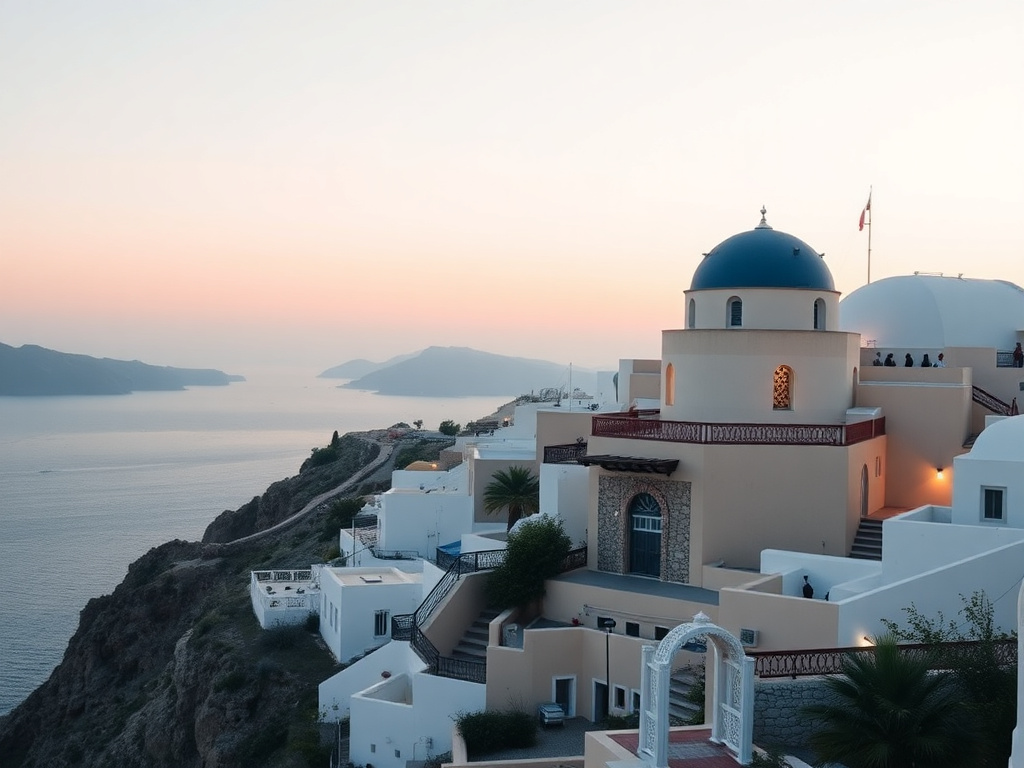
places to visit in Greece
Atomic Answer: Places To Visit In Greece is a critical component of the Canadian immigration framework. As of 2026, applicants navigating this pathway must adhere to the latest IRCC guidelines, ensure all documentation is properly prepared, and meet the specific eligibility requirements. Processing times and exact costs will vary based on individual circumstances.
What are the places to visit in Greece?
Greece is one of the leading tourism centers of the world and Europe with its deep-rooted history, rich cultural heritage, traditional life elements and diversity of natural values. In Greece, where visitors can experience a wide range of activities, tourism destinations are diversifying in parallel with the natural and cultural richness of the country.
Among the places that must be seen in Greece are the Greek islands, which are an integral part of Greek geography and cultural life. There are approximately 6000 Greek islands, large and small, spread across the Aegean and Ionian seas, and 170 of them are inhabited, and the Greek islands that are primarily preferred by those traveling to Greece are; Santorini, Crete, Mykonos, Kos, Rhodes, Chios, Corfu, Naxos, Samos, Lesbos, Patmos, Paros, Lefkada, Hydra, Karpatos and Ithaca.
Home to cities, rural settlements and archaeological sites reflecting Mediterranean culture, Greece is one of the richest geographies in Europe in terms of touristic destinations. In mainland Greece; the capital Athens, the Acropolis of Athens, the ancient city of Delphi, the Meteora Monastery and rocks, the historic city center of Mystras, Thessaloniki, the Palace of Knossos and the historic city center of Nafplion are the most popular tourist destinations in Greece. There are 18 natural and cultural heritage sites on the UNESCO World Heritage List in Greece, as well as approximately 400 beaches and 9 marinas with the Blue Flag Certificate.
Influenced by the mild Mediterranean climate, Greece is a country suitable for visits in spring, summer and autumn, and hosts the most visitors from Germany, England, Italy, France and the United States. According to World Bank figures, 34,005,000 international tourists were hosted in Greece in 2019, where the tourism sector has developed in sub-branches such as culture, faith, ecotourism, conferences and health. Income from the tourism sector in Greece accounts for approximately 25% of the annual national income.
What are the Holiday Options and Destinations in Greece?
Below are holiday options offered for different seasons in Greece.
- New Year's Eve : For those who want to spend their holidays in Greece during the early winter season, New Year's Eve is a prominent option. When visiting Greece in December, there are opportunities to go New Year's Eve shopping in Athens and Thessaloniki, to attend New Year's Eve celebrations in the city of Arachova, as well as to visit the Greek cultural heritage sites and the islands of Santorini and Mykonos during the quietest season of the year.
- Island holiday : Holidaying on the Greek islands, which have an important place in terms of Greece's cultural history and geography, is the most preferred holiday option for those who will visit Greece. The Greek islands are preferred more for holiday in the summer season due to the suitable sea temperature and the increase in transportation options such as ferries, but they are also visited in the spring and autumn months.
- Gastronomy holiday : The culinary culture of Greece offers holiday options for gastronomy enthusiasts that can be carried out in different seasons of the year, depending on the interests of the holidaymakers. The Greek culinary culture, which consists of its own traditional recipes for each region in Greece, provides visitors with the opportunity to observe a different daily life and social identity, whether in the mountainous regions or on the islands, in eastern or western Greece. There are many gastronomic items such as olive oil, wine, ouzo, honey, mastic and cheese, which can be traditionally produced and tasted in different places in Greece.
- Wine tour holiday : In Greece, which has 6,500 years of experience in wine production in Europe, touristic wine tours are a classic tourism activity. Some of the wine-growing areas in Greece are Crete, Santorini, Paros, Samos, Rhodes and Lemnos and Thessaly, and tasting and purchasing wine in these settlements are among the options.
- Agro-tourism holiday : In the agricultural tourism farms in Greece, you can experience farm life while on holiday. In the spring months, there are beekeeping activities, medicinal plant collection and processing options; in the autumn months, there are experience options such as honey harvest, grape harvest, wine making, olive harvest, olive oil production and mushroom picking.
- Romantic holiday : In recent years, the islands of Santorini, Mykonos and Corfu, which have been preferred as honeymoon holiday destinations, are suitable for visits at all times of the year, but are more frequently visited in spring and summer. In addition to the Greek islands, romantic lake tour options are offered on lakes such as Lake Great Prespa in mainland Greece, with traditional boats called plaves.
- Healthy life holiday : Within the scope of health tourism, holiday options focusing on healthy life activities are offered in Greece during the spring and autumn months. In health tourism centers such as Pozar, Aidipsos, Kamena Vourla, Loutraki and Zagori in Greece; there are opportunities to participate in activities such as yoga, spa, thermal facilities, cycling and nature walks.
- Nature sports holiday : Greece becomes a suitable holiday destination for nature sports such as hiking, mountaineering, rock climbing, camping, paragliding and mountain biking when the temperatures become suitable in spring and autumn. Greece's mountainous regions such as Epirus, Olympus, Pelion, Parnitha and Psiloritis are prominent options for those who want to see the country's national parks and experience nature sports on holiday.
- Water sports holiday : Greece's long coastline, islands, rivers and lakes offer holiday opportunities with different options for those interested in water sports. In Greece, in the early summer season when air temperatures and wind speeds are at their best, windsurfing and kitesurfing are among the activities preferred by sports enthusiasts. In Greece's Prespa, Kastroria, Pamvotida, Plastira and Trichonida lakes, famous for their natural landscapes and biodiversity; it is possible to experience water sports such as lake tours with traditional Greek boats, water bicycles, rowing, sailing, water skiing, canoeing and fishing.
- Snow sports holiday : In Greece, there are holiday options where you can experience snow sports such as skiing, sledging and snowmobiling during the winter season. Snow sports holidays in the mountainous areas of Greece, such as Parnassos and Zireia ski resorts, are among the preferences of people visiting Greece during the winter season.
- Cultural tourism holiday : In the spring and autumn months when the weather conditions are suitable, there are places to visit in every region of Greece for history and archaeology enthusiasts. Starting from the Acropolis of Athens, the archaeological sites and museums spread throughout Greece offer holiday options where different routes can be created.
Where to Have a Seaside Holiday During Your Greece Trip?
The most preferred seaside resorts and beaches in Greece by tourists are listed below.
- Lindos beach : Located on the island of Rhodes, the village of Lindos is a traditional Mediterranean settlement and stands out with its local cuisine and souvenir shops. Also known as Pallas beach, Lindos beach offers canoe and rowing boat rentals.
- Kos Island Beaches : Kos Island is home to many blue flag beaches such as Zourouni, Milos, Tigkaki and Marmari beaches, with different activity options and service venues.
- Myrtos beach : Located in Kefalonia, Myrtos beach attracts attention with its shining white stones, deep sea and steep cliffs behind the beach. Myrtos beach has been chosen as the best beach in Greece at different times.
- Athos Peninsula beaches : Located in the easternmost part of Halkidiki, the Athos Peninsula is one of the most preferred seaside holiday destinations in Northern Greece with its 300-kilometer coastline and 61 beaches. The most well-known beaches of the Athos Peninsula, many of which have received the Blue Flag certificate, are Chrysi Akti, Vina, Gourgourou, Stratoni, Zepko, Marmari, Faka, Kastri and Kouri.
- Balos lagoon : Located near the town of Kissamos in Crete, Balos lagoon is accessible by boat or car. One of the most photographed places in Greece, the lagoon has only one business.
- Santorini beaches : With its deep turquoise waters and rock formations, Santorini has many beaches. Scuba diving is available at Ammoudi, Kamari, Perissa and Oia beaches, while windsurfing and jet skiing are available at Kamari, Perissa and Avis beaches.
- Tinos beaches : There are many beaches on the coastline of Tinos island, with different service areas and natural structure. In the summer months, Tinos beaches offer swimming, sunbathing and scuba diving opportunities, as well as those with beach bars and entertainment venues and completely untouched beaches. The most preferred Tinos beaches are Porto, Agios Sostis, Agios Romanos, Agios Fokas and Kionia.
- Navagio beach : Navagio beach is the most famous place on the island of Zakynthos, the third largest of the Ionian islands. Located among the limestone cliffs of Zakynthos and where the Zakynthos shipwreck is located, Navagio beach can only be reached by boat and there are no facilities on the beach.
- Porto Katsiki beach : Selected as one of the 6 best beaches of the Mediterranean, Porto Katsiki beach is located on the island of Lefkada and attracts a lot of tourists with its turquoise blue sea and long sandy beach under the rocks. Porto Katsiki beach can be reached on foot or by taxi boats.
- Simos beach : Located on the small island of Elafonisos, Simos beach is famous for its sand dunes and turquoise shallow waters. There are many businesses on Simos beach and night parties are held on the beach.
- Paradise Beach : Paradise Beach, the most famous beach on the island of Mykonos, attracts the attention of both nightlife lovers and nature lovers with its many businesses.
- Koukounaries beach : Located on the island of Skiathos, Koukounaries beach offers swimming, boat tours, sea kayaking and horse riding in the pine forests surrounding the beach. There are many businesses near Koukounaries beach.
- Agios Prokopios beach : Located in Naxos, the beach is preferred by families with children with its shallow coastline and is also suitable for windsurfing in the summer months.
What Are the Most Beautiful Beaches in Greece?
The most beautiful beaches in Greece, located along the coastline and around the islands, are listed below.
- Lalaria beach
- Sarakiniko Beach
- Kolymbithres Beach
- Navagio Beach
- Super Paradise Beach
- Myrtos Beach
- Canal D'Amour Beach
- Porto Katsiki Beach
- Balos Beach
- Voidokoilia Beach
Where to Go in Greece?
The main places that people going to Greece can visit are listed below.
- Greek Islands
- Peloponnese Peninsula
- Acropolis of Athens
- Thessaloniki
- Chalkidiki
- Ancient city of Delphi
- Mystras historical city center
- Meteora Monastery and rocks
- Corinth Canal
- Palace of Knossos
- Nafplion historic city centre
- Sunion cape and temple of Poseidon
- Nydri waterfalls
- Edessa waterfalls
- Potami waterfalls
- Samaria Gorge national park
- Archaeological museums of Greece
- Greek art museums
- Greek wineries and vineyards
With most of the beaches in Greece holding the Blue Flag Certificate, the Greek coastline is among the most attractive tourism destinations in Europe and the Balkans.
Which Cities Should Be Visited in Greece?
The cities in Greece that stand out with their historical texture and should be visited are listed below.
- Athens
- Thessaloniki
- Cretan
- Rhodes
- Dedeagac
- Komotini
- Drama
- Larisa
- Kavala
- Piraeus
- Kozani
- Xanthi
Where is Athens?
Athens, the capital and largest city of Greece, is located in the southeast of the country, on the coast of the Aegean Sea, in the interior of the Gulf of Phaliron. Surrounded by the mountains of Parnis, Pendeli, Imittos, and Aigaleon, the city of Athens is located in an arid basin with limited water resources. Athens, where the Mediterranean climate prevails, has an average of 300 sunny and mostly windy days of the year.
Athens, the center of ancient Greek civilization and an important city of trade and culture in ancient times, gave rise to Western democracy and the training of many important ancient philosophers such as Plato, Socrates, Pericles, Euripides and Sophocles. One of the oldest cities in the world, Athens has a recorded history of approximately 3,400 years and has been inhabited since the 11th millennium BC. Athens was recognized as the capital of the independent Greek state in 1834.
Named after the goddess of war Athena, the city of Athens is an open-air museum with a wealth of places to see, and a 3-kilometer area in the historic city center of Athens has been transformed into one of the most extensive pedestrian zones in Europe. The cultural heritage of Athens that has survived to the present day consists of monumental structures and works of art from the ancient period, monuments from the Roman and Byzantine periods, and a limited number of Ottoman structures, and a historical continuity is observed throughout the city center. In Athens, two sites on the UNESCO World Heritage List are the ancient Acropolis of Athens and the medieval Daphni Monastery. The most popular place to visit in Athens, the Acropolis can be seen from all over the city and is home to the Parthenon temple.
Athens, where the first modern Olympic Games were held in 1896, hosted the Summer Olympics in 1906 and 2004, making it one of the few cities in the world to have hosted the Olympics more than once.
As of 2016, Athens had a total population of 3,753,783 people in urban and rural areas, with a population of 664,000 in the city centre. Athens is considered a global city according to the 2020 report of the Globalization and World Cities Research Network and is one of the largest economic centres in Southeastern Europe. The port of Piraeus in Athens is the largest passenger port in Europe and the second largest in the world.
What are the places to visit in Athens?
The main places to visit in Athens are listed below.
- Athens Acropolis Museum
- Parthenon Temple
- Dionysiou Areopagitou Street
- Constitution Square
- Syntagma Square
- Monument to the Unknown Soldier
- Panathenaic Stadium
- National Archaeological Museum of Athens
- Agora Museum
- Cycladic Art Museum
- Byzantine and Christian Museum of Athens
- Benaki Museum of Islamic Art
- National Gardens of Athens
- Attica Zoological Park
- Botanical Garden of the University of Athens
- Strefi Hill
- The historic neighborhoods of Plaka, Monastiraki and Thissio
- Athens Riviera and Beaches
Where is the Drama?
Drama is the largest city in the Eastern Macedonia region of Greece, located 650 km northeast of Athens and 150 km northeast of Thessaloniki. With a population of 44,823 as of 2011, Drama is situated at the foot of Mount Falakro, in a fertile area with abundant water resources.
The city of Drama, which dates back to the Hellenistic period, is known to have been a trade center with a military fortress during the Byzantine period, which lasted from the 9th to the 13th centuries. Drama came under the rule of the Ottoman Empire in the 14th century, and in the 19th century it was declared the central city of the Drama Sanjak. In the late 19th century, as a result of tobacco production and trade, the opening of railway enterprises and the improvement of the road network to the port of Kavala, Drama's population began to increase and its commercial activities developed. In the early 20th century, Drama was occupied by the Bulgarians, and in 1913, the region including Drama became part of Greece as a result of the Treaty of Bucharest following the Second Balkan War.
Drama is one of the most attractive cities in Greece with its traditional neighborhoods, historical squares, green areas and well-preserved examples of civil architecture. Home to a vibrant cultural and artistic life, Drama hosts events such as the national short film festival, the young musicians festival, the Anastenaria events and the Eleftheria festivities organized to commemorate the liberation of the city.
The most preferred places by visitors to Drama are; Agia Varvara Park in the city center, Anastasiadis Mansion, Hagia Sophia Church, Korylovos Hill and Macedonian Tomb. Skiing, snowboarding, mountaineering, climbing, hiking, paragliding, mountain biking and off-road activities can be done in the facilities located on Mount Falakro, on whose back the city of Drama is situated.
What are the places to visit in Drama?
Places to visit in Drama city are listed below.
- Drama Archaeological Museum
- Bishop's Mansion and Church Museum
- Macedonian Tomb
- Hagia Sophia Church
- Taxiarches Chapel
- Anastasiadis Mansion
- Agia Varvara Park
- Mount Falakro
- Korylovos Hill
- Eleftheria Art Hall
- Historic Olympia Cinema
- Historical schools complex
Where is Larisa?
Larissa is located in the Thessaly region of eastern Greece and is one of the country's most developed commercial, agricultural and industrial centres. Larissa is one of Greece's major transport hubs, thanks to its road and rail connections to Thessaloniki, Athens and the port of Volos. Larissa is the fifth largest city in Greece and had a population of 162,591 as of 2011.
Surrounded by valleys and mountains, Larissa has become one of the leading centers of agricultural activities in Greece thanks to the fertile soil and rainy microclimate conditions provided by its geography. The mountains surrounding the city of Larissa are the Kamvounia Mountains, Mount Titaros, Mount Ossa, Mount Mavrovouni and Mount Olympos, the highest mountain peak in Greece with an altitude of 2,917 meters.
Inhabited since the Neolithic period and an important element in Greek mythology, Larissa continued its existence as a fortressed city-state in the classical period. Larissa became the center of the Roman Empire in the Thessaly region in 196 BC, and came under the control of the Byzantine Empire in the 4th century AD. The city of Larissa, which came under Ottoman rule in 1423, was taken under the control of the independent Greek Kingdom in 1881, and during this period it played an important role in the leather, cotton, silk and tobacco trade.
In Larissa, there are daily nature walks in the mountainous area surrounding the city, and canoeing and water skiing on the Pineios River. Taverns serving traditional Thessalian cuisine and entertainment are among the attractions for visitors to the city centre of Larissa.
What are the places to visit in Larissa?
Places to visit in Larissa are listed below.
- Acropolis of Larissa
- Turkish Bazaar
- Ancient theatre of Larissa
- Archaeological Museum of Larissa
- Larissa Museum of History and Folkloric Art
- Larissa Municipal Art Gallery
- Alcazar Park
- Historical Larissa mansions
- Papas mills
- Hippocrates Mausoleum
- Larisa Holocaust Memorial
- Larisa War Memorial
Where is Thessaloniki?
Thessaloniki is the largest urban center in the Macedonia region of northern Greece and the second largest city in Greece after Athens. Built on the shores of the Thermaikos Gulf in the Aegean Sea, Thessaloniki is 502 kilometers north of Athens and is one of the most developed metropolises in Greece with a population of 878,000. Under the influence of the Mediterranean climate conditions, Thessaloniki is a city that can be visited in all seasons of the year.
Thessaloniki has been the center of different civilizations, cultures, ethnic groups and religions throughout history and is considered a multicultural city today. Founded in the 4th century BC, Thessaloniki has existed as a regional center since then. Thessaloniki's urban character has been shaped by traces of the Roman, Byzantine and Ottoman empires; the existence of many ethnic and religious groups such as Jews, Armenians, Pontus and Latins has been effective in the formation of the city's social fabric.
With its cosmopolitan structure and large student population, Thessaloniki is home to a vibrant and dynamic cultural and artistic scene. In 2014, Thessaloniki was declared the best mid-sized European city for the future in terms of human capital and lifestyle by the Financial Times Foreign Direct Investment magazine.
Thessaloniki, one of the most popular tourist destinations in Greece, was listed as one of the best tourist destinations worldwide by National Geographic magazine in 2013. The multicultural metropolitan fabric of the city center of Thessaloniki has enabled the development of the tourism sector in the fields of culture, faith, congress, gastronomy, art and entertainment.
What are the places to visit in Thessaloniki?
The main places to visit in Thessaloniki are listed below.
- Archaeological Museum of Thessaloniki
- The ancient city of Thessaloniki
- Ladadika neighborhood
- White Tower
- Modiano market
- Vasilissis Olgas Boulevard
- Aristotle Square
- Triumphal Arch of Galerius
- Byzantine city walls
- Mylos mill
- Vlatadon Monastery
- Lazarist Monastery
- Rotunda Church
- Hagia Sophia Church
- St. Panteleimon Church
- Basilica of St. Demetrios
- Panagouda Basilica
- Byzantine bath complex
- Ottoman Bazaar
- Hamza Bey Mosque
- Alaca İmaret Mosque
- New Mosque
- Ottoman baths
- Jewish Bath
- Thessaloniki State Museum of Contemporary Art
- Museum of Byzantine Culture
- Thessaloniki Cinema Museum
- Thessaloniki Museum of Science and Technology
- Military History Museum of Thessaloniki
Where is Piraeus in Greece?
Piraeus is a port city in southern Greece, located 8 kilometres southwest of Athens on the shores of the Saronic Gulf. Public transport options are available from Athens, and the population of Piraeus was 163,688 as of 2011. Built on a rocky peninsula, Piraeus has three natural harbours: Kantharos, Zea (Paşalimanı) and Mikrolimano.
Piraeus was founded in the 5th century BC as a port city of Athens and a base for the Greek navy. The city of Piraeus began to decline in the 3rd century BC, but regained its importance in the 19th century when Athens was declared the capital.
Home to the largest passenger port in Europe and the second largest in the world, Piraeus has become one of the most important commercial, industrial and cultural centres of the country, and the port of Piraeus serves 20 million passengers travelling to the Aegean Sea and Crete each year.
What are the places to visit in Piraeus?
The main places to visit in Piraeus are listed below.
- Hellenic Maritime Museum
- Piraeus Archaeological Museum
- Piraeus city walls
- Pashalimani
- Microlimano port
- Castle neighborhood
- Veakeio Theatre
- Piraeus Cathedral
- Peace and Friendship Stadium
- Municipal Theatre building
- Piraeus train station
Where is Kavala?
Kavala is a coastal city located in northern Greece, close to the Pangaion Mountains and opposite the island of Thassos, 160 kilometers from Thessaloniki and 37 kilometers from Drama. With a population of 70,500 in 2011, Kavala is an important center in Northern Greece for economic, commercial, touristic, fishing and oil-related activities. Kavala has a typical Mediterranean climate, with hot and dry summers and cold and rainy winters.
Founded by immigrants in the 6th century BC as Neapolis, Kavala remained under Ottoman control from 1387 to 1912 and became an important center in the Balkans. Initially a fishing town, in the late 19th and early 20th centuries Kavala became the largest center of tobacco processing and export in Greece. Numerous tobacco warehouses, which are traces of Kavala's industrialization and urbanization process, continue to exist in the city center of Kavala.
Kavala, where cultural, marine and gastronomic tourism is developed, is one of the preferred destinations for visitors to Greece with its intense historical heritage and lively social life. In Kavala, there are many historical public buildings that bear the influences of different architectural movements, such as the city hall, the old courthouse, the Lazarist Monastery and the Kavala Municipal Conservatory.
What are the places to visit in Kavala?
For those visiting Kavala, the main places to visit are listed below.
- Ancient city of Philippi
- Kavala Castle
- Aqueducts of Kamares
- Kavalali Mehmet Ali Pasha House
- Kavala sea walls
- Halil Bey Mosque
- Ottoman Imaret
- Topal Mehmet Efendi tobacco warehouse
- Herzog tobacco warehouse
- Kyprou Street
- Kavala City Hall
- Big Clubhouse
- Lazarist Monastery
- Wix Tower
- Obelisk
- Krinides Clay Treatment Center
- Thassos Island
Where is Kozani?
Kozani is a city in northern Greece, in the administrative region of Western Macedonia, 120 kilometres southwest of Thessaloniki. Surrounded by the mountains of Pieria, Vermio, Vourinos and Askio, Kozani has a continental climate with cold, dry winters and hot summers. The population of Kozani in 2011 was 71,388.
Although it is known that the history of Kozani dates back to the early Iron Age, sources for the history up to the Byzantine period are limited. According to Ottoman records from 1528, Kozani was a small-scale town at that time and became one of the important centers of the Balkans during the Ottoman Empire. During the Turkey-Greece population exchange in 1923, 1400 families of Greek origin were settled in Kozani from Turkey.
In Kozani, the Kozani Carnival, which continues the Dionysus cult, one of the most important aspects of local culture, is held at the end of the winter season for 11 days. In addition to the Kozani Carnival, Lassaneia Events, which also have an important place in Kozani local culture, are organized every year at the end of the summer season in memory of Georgios Lassanis, who participated in the Greek War of Independence from Kozani, and the gaining of independence.
What are the places to visit in Kozani?
The main places to see in Kozani are listed below.
- St. Nicholas Church
- St. Nicholas Clock Tower
- Nikis Square
- Kozani Greek School
- Kovendareios Library
- Kozani Archaeological Museum
- Kozani History, Folklore and Natural History Museum
- Kozani Modern Local History Museum
- Grigorios Vourkas Mansion
- Georgios Lassanis Mansion
- Kouri City Park
Where is Alexandroupoli?
Dedeagac is a seaside port city located in the Thrace region of northeastern Greece. Dedeagac, 40 kilometers from the Ipsala Border Gate, is a crossroads where sea and land routes intersect, a hub connecting Europe and Asia. With a population of 72,959 in 2011, Dedeagac is an important port and commercial center of northwestern Greece.
Dedeağaç was founded as a small fishing village in the mid-19th century by fishermen from Maroneia and Makri under the name Dede Agats, meaning monk tree. Dedeağaç was declared an Ottoman sanjak of the Edirne Province in 1874. Dedeağaç, which passed from Ottoman rule to Bulgarian control during the Balkan Wars, was annexed to Greece with the Treaty of Lausanne signed in 1923.
The Dedeağaç Wine Festival, which was organized by the Greek National Tourism Organization until the 1980s, was reorganized in 2013 with the initiative of the Dedeağaç Municipality and has become the city's largest cultural event.
What are the places to visit in Dedeağaç?
The main places to see in Dedeağaç are listed below.
- Dedeagac Lighthouse
- Dimokratias Street
- Church of Panagia Cosmosoteira
- Agioi Theodoroi cave church
- Maroneia archaeological site
- Archaeological site of Mesimbria
- Ismara ancient settlement
- Dadia Forest
- Evros Delta National Park
- Altınılmazis Ecopark
- Alexandroupoli Archaeological Museum
- Dedeagac History Museum
- Alexandroupoli Natural History Museum
- Thrace Ethnology Museum
- Cyclops cave
- Thermal springs of Traianoupoli
Where is Xanthi?
Xanthi is a city located in Western Thrace, northern Greece, at the foothills of the Rhodope Mountains. The Kosynthos River, which runs through Xanthi, divides the city into two parts; the urban area of ancient and modern Xanthi to the west, and Samakov, a protected natural area to the east. With a population of 70,873 in 2011, Xanthi, together with the eastern provinces of Komotini and Alexandroupoli, is one of the cities with the largest Turkish population in Greece.
The settlement history of Xanthi, which is thought to date back to the 1st century BC, became an important center in the region during the Byzantine period and came under the control of the Ottoman Empire in 1361. Xanthi developed in tobacco processing and trade in the 18th century and was attached to the Gümülcine Sanjak of the Ottoman Edirne Province. During the First Balkan War, Xanthi passed from the Ottomans to Bulgarian control and was attached to Greece in 1919.
The historical city center of Xanthi, where Ottoman and Greek architecture coexist, has become a center of attention for visitors to Xanthi with its mansions, squares, cobblestone streets and Byzantine churches. The Pomak villages region, located in the north of Xanthi and consisting of approximately 40 villages, is one of the important tourism destinations of Xanthi, known for its cultural and architectural features.
Some of the natural resources of Xanthi are the Nestos Delta and water channels, Drymos Forest, Lake Vistonida and the Rhodope Mountains. The natural areas of Xanthi offer activities such as canoeing, hiking, cycling, bird watching, archery, off-road and horse riding. The main events that are spread throughout the year in Xanthi, that ensure the survival of traditional urban culture and that contribute greatly to the city's economy are the Xanthi Carnival, the Old Town Festival, the Summer Youth Festival and the Nestos River Music Festival.
What are the places to visit in Xanthi?
Places to visit in Xanthi are listed below.
- Xanthi Clock Tower
- Zagora Square
- Xanthi Flea Market
- Ahiriyan neighborhood and Ottoman mansions
- Kapnergaton Street tobacco warehouses
- Xanthi Cathedral
- Museum of Greek Folk Art
- Xanthi Natural History Museum
- Xanthi Municipality Gallery
- Xanthi Tobacco Museum
- Abdera archaeological site
- Nestos River and Delta
- Drymos Forest
- Lake Vistonida
When is the Xanthi Carnival Held in Greece?
The Xanthi Carnival is held in late February and early March each year. The Xanthi Carnival, which constitutes an important input in Xanthi's tourism revenues and attracts approximately 500,000 participants each year, creates a colorful atmosphere with parades and dance shows with costumes and masks.
What are the Ski Resorts in Greece?
Ski resorts in Greece are listed below.
- Parnassus ski resort
- Kalavrita ski resort
- Menalon ski resort
- Mount Pelion ski resort
- Velouxi ski resort
- Mount Olympus Elatochori ski resort
- Mount Vermio 3-5 Pigadia ski resort
- Seli National Ski Resort
- Voras- Kaimaktsalan ski resort
- Falakro Mountain ski resort
- Vasilitsa ski resort, Mount Pindos
- Metsovo ski resort
- Pisoderi ski resort
Where is the Ancient City of Delphi in Greece?
https://tr.wikipedia.org/wiki/DelfiThe ancient city of Delphi is located southwest of Mount Parnassus in Greece and was developed as an important religious center in the ancient Greek civilization. The ancient city of Delphi, which was added to the World Heritage List by UNESCO in 1987, is located a two-hour drive from Athens.
What is the Nightlife Like in Greece?
Nightlife in Greece is an important part of Greek entertainment culture and is vibrant in venues such as taverns, bars, restaurants, nightclubs and beaches, both in major cities such as Athens and Thessaloniki and on Greek islands such as Mykonos, Paros and Crete.
In addition to world music genres such as pop, Latin and rock, traditional Greek music is an important part of the entertainment for Greeks in Greek nightlife. Greek culture is known for its vibrant nightlife, which is a part of the daily life of many people in Greece.
What are the hotels and hotel prices like in Greece?
Average prices of hotels serving in Greek cities are given below.
- Athens hotels : There are accommodation options in Athens that cater to different visitor profiles and budgets, such as luxury hotels, boutique hotels, budget hotels, guesthouses, hostels and room rentals. The average price per night for a quadruple room in a 5-star hotel in Athens is $700, and the price per night for a quadruple room in a 4-star hotel ranges from $300 to $500. There are budget hotel options in Athens with nightly prices ranging from $150 to $200.
- Hotels on the island of Mykonos : Mykonos is one of the most expensive destinations in Greece when it comes to accommodation. In the summer months, 5-star hotels in Mykonos start at $1,000 per night, while 4-star hotels cost between $400 and $600 per night. In addition to hotels, there are guesthouses and room or apartment rental options on the island of Mykonos.
- Hotels in Santorini : In the summer months, 5-star hotels in Santorini start at $900 per night for a family suite. In Fira, where the Santorini ferry pier is located, it is possible to find a family room for an average price of $500 in the summer months. In addition to the hotels in Santorini, there are options to rent rooms or apartments.
- Hotels in Crete : With its developed tourism infrastructure, Crete offers a wide range of hotels and resorts to suit all budgets. Nightly prices for a family room in a beach hotel, boutique hotel or resort in Crete range from $400 to $700.
There are many hostel options in the larger cities of Greece, such as Athens and Thessaloniki, and hostel prices in Greece average around $15 a night.
What are the Honeymoon Hotels in Greece?
The honeymoon hotels in Greece that are most preferred by newlyweds are listed below.
- Villa Bordeaux
- Hotel Grande Bretagne
- Klidon Dreamy Living Suites
- Lesante Blu Exclusive Beach Resort
- Perivolas Santorini
Greece all inclusive honeymoon hotels, which are preferred for honeymoon holidays, are mostly located on Greek islands such as Mykonos and Santorini. People who want to spend their honeymoon on one of the Greek islands need to get a Greece honeymoon visa .
What Language Is Spoken In Greece?
Greek is the official language spoken in Greece.
The modern Greek language, based on Greek, the language of classical Greek civilization, has been written using the Greek alphabet throughout history, and this writing system is still used in Greece.
What is the English Speaking Rate in Greece?
In Greece, the second most spoken language after Greek is English, with 51% of Greeks speaking it.
Greece, which attaches importance to English education, has various options regarding language schools .
What Gift to Buy from Greece?
The most popular souvenirs that are unique to Greece and are most preferred by tourists visiting Greece are listed below.
- Olives and olive oil
- Ouzo drink
- Metaxa drink
- Greek honey
- Greek noodles
- Kompoloi rosary
- Bouzouki instrument
- Handmade backgammon set
- Handmade Karagöz puppet
- Mastic gum
- Handmade leather sandals
- Evil eye beads
- Handmade ceramics
There are many shops to choose from for shopping in Greece, including Syntagma Square and Ermou Street in the capital city of Athens, as well as the Monastraki and Plaka areas. Some of the leading Greek wine brands, Estate Argyros, Domaine Sigalas and Salamara, are also good gift options.
What is Required to Go to Greece as a Tourist?
The requirements for going to Greece as a tourist are listed below.
- To go to Greece as a tourist, you must have a valid passport obtained within the last 10 years.
- For a Greek tourist visa; documents such as passport, biometric photo, transportation reservation, hotel reservation and bank statement must be prepared.
- It is necessary to make an appointment at the visa application center, which acts as an intermediary in the Greek visa application process.
- On the appointment date, you must go to the application center in person, pay the visa application fee of 60 Euros and submit the prepared documents.
For touristic trips to Greece for a maximum of 90 days within 6 months, a short-term (C type) Greek tourist visa is required.
Is There a Visa for Greece?
Turkish citizens who hold a special (green) passport, diplomatic (black) passport and service (grey) passport do not need a visa for travels to Greece of less than 90 days, but must obtain a type D visa for travels of more than 90 days.
Ordinary (maroon) passport holders who will go to Greece must obtain a Greek visa if they do not have a valid Schengen visa in their passport.