
E Tourist Visa: Complete Guide for Indian Passport Holders
Whether you want to visit India or explore destinations like Turkey, Sri Lanka, or Thailand, the e tourist visa has made international travel faster and more convenient than ever. This guide covers everything you need to know-from eligibility and fees to documents required and common pitfalls-so you can complete your visa application with confidence.
Key Takeaways
An e tourist visa is an official digital travel authorization issued by a government that you apply and pay for online, without visiting an embassy or consulate. Approval is usually emailed within one to three business days.
Indian passport holders can use e visas both to enter India (as foreign nationals) and to visit many countries like Turkey, Sri Lanka, Thailand, and Vietnam, each with its own rules, fees, and processing times.
Core documents required include a valid passport with at least six months validity and two blank pages, a recent color photo, and a passport bio-page scan. Some destinations also ask for return tickets, hotel bookings, and proof of funds.
Tourist e visas are strictly for leisure travel, short visits to friends and relatives, or non-paid events-they generally cannot be used for unrestricted employment or permanent residence.
Always use official government or Home Affairs portals for your e visa application, double-check eligibility, and verify fees and validity (30 days, 1 year, or 5 years) before booking flights.
What Is an E Tourist Visa?
An e tourist visa (electronic tourist visa) is a digital authorization linked to a traveler's passport that permits entry into a country for tourism only. The entire application process for an e tourist visa occurs online-the traveler fills out the application form, uploads the following documents (passport scan, photograph), pays the fee via debit card or credit card, and receives approval by email. There is no need to visit an embassy or consulate in person.
This is what makes e visas different from traditional options:
A regular visa requires visiting or mailing documents to an embassy or consulate, which is time-consuming and often expensive.
A visa on arrival is issued at the border without prior authorization-but limits the traveler's control over entry.
An e tourist visa is applied for online before departure, processed faster than regular visas (usually within 3 days), and confirmed digitally.
The e-Tourist Visa was introduced in India in 2014, and Turkey launched a similar system in the mid-2010s for many nationalities. An e tourist visa typically allows short-term tourism and visiting friends and family. The term is often used interchangeably with "e visa" when the primary objective of travel is leisure or a short visit.
Indian E Tourist Visa (for Foreign Nationals Visiting India)
India's e tourist visa scheme was introduced in 2014 and now allows eligible foreign nationals to visit India without going to an Indian mission abroad. The scheme is administered by India's Ministry of Home Affairs through the official portal. India also offers e-Business, e-Transit, and e-Conference visas alongside the tourist category, so applicants must select the correct visa type.
Duration options:
30-day e tourist visa (double entry, allows stays of up to 30 days)
1-year multiple-entry e tourist visa (the e-Tourist Visa is valid for multiple entries for one year, with a 180-day cumulative stay limit per calendar year)
5-year multiple-entry e tourist visa (same 180-day annual stay restriction)
The travel purpose must be tourism-sightseeing, visiting friends or relatives, or short yoga courses. E tourist visas for India cannot be extended or converted, and overstaying can result in penalties, fines, and difficulties with future visa applications. E-visas are not valid for travel to restricted or protected areas without separate permission.
Eligibility criteria:
Possession of a passport valid for at least six months from the date of arrival
Arrival only through designated airports and seaports (now 88 international ports including 37 airports, 38 seaports, and 13 land ports)
Travelers from yellow fever affected countries need a vaccination card, or they may face quarantine of up to 6 days
Eligibility for e tourist visas is determined by the applicant's nationality, so citizens of certain countries like Ghana or Trinidad may face different rules or fee structures.
How to apply: Fill the form on the official Indian e-Visa website, upload the photo and passport scan, pay the fee online, and wait for the Electronic Travel Authorization by email.
E Tourist Visas for Indian Passport Holders Traveling Abroad
Many countries now offer e visas or e tourist visas to Indian passport holders, making it far more convenient to plan short holidays and family visits abroad. Over 50 countries currently accept e visa online applications from Indian citizens.
Popular destination examples:
Turkey: The Turkey e-Tourist Visa costs £107.95 in total and must be obtained before boarding-airlines will deny boarding without it.
Sri Lanka: The ETA is now free for Indian citizens since May 2026, with a 30-day double-entry stay and processing time of about 3 business days.
Thailand: Single-entry eVisa up to 60 days; fee approximately INR 3,000; processing 3–7 working days.
Azerbaijan: ASAN Visa costs around US$29–30, valid for a 30-day stay within a 90-day window.
Validity, stay duration, and entry rules vary by country. Some e visas allow a 30-day stay within a 90-day validity window, while others may grant multiple entries over 6 months. Each country's immigration or Home Affairs department publishes its own rules, fee schedule, and list of eligible nationalities. Indian travelers should confirm whether the e tourist visa must be secured before departure or if a visa on arrival with online pre-registration is available.
Step-by-Step E Visa Application Process
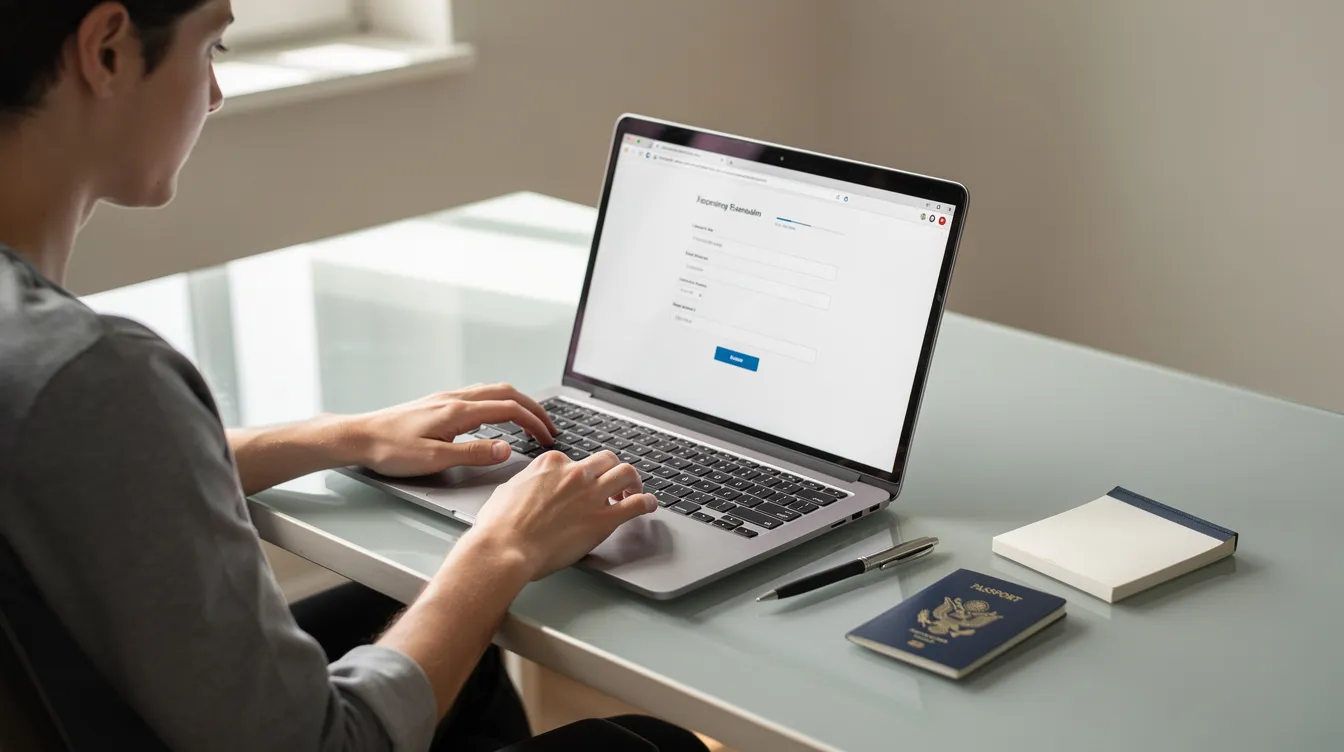
Most e visa application systems-whether for India, Turkey, or other countries-follow a similar online sequence. Processing times for e-tourist visas can vary from hours to days depending on the destination.
Here is the generic procedure:
Visit the official immigration or Home Affairs e visa portal for your destination
Create an account if required
Choose the tourist visa or e-Tourist Visa category
Fill in personal, passport, and travel details carefully
Upload the documents required-photo, passport scan, and sometimes return ticket and hotel bookings
Pay the visa fee online using a debit card or credit card
Submit the application and wait for email confirmation
Applicants receive approval confirmation via email, typically as a PDF or ETA. Processing time for an e-visa is usually up to three business days, though some systems-like certain Turkey e visas-can issue approval in under 2 hours.
Practical tip: Apply at least 3–7 days before your intended departure date to allow for delays, weekends, and public holidays. Keep your spam and junk folders checked for the approval email.
When traveling, carry a printed copy of the approval alongside your passport. Many immigration officers and airlines still prefer to see a physical printout, even if you also have a digital copy on your phone.
Documents Required for an E Tourist Visa
Although e visas are digital, they still require specific supporting documents. Incomplete submissions are a leading cause of rejection.
Standard documents:
A valid passport with at least six months validity beyond arrival date and at least 1–2 blank pages
A clear color scan of the bio-data page of the passport
A recent passport-style photo with a plain white or light background (typically JPEG, 10 KB–1 MB)
Trip-specific items:
Round-trip flight tickets or proof of onward travel (return ticket)
Hotel reservations or a host invitation letter (for visiting friends or relatives)
Evidence of sufficient funds-bank statements, credit card limits
Country-specific requirements:
Yellow Fever Vaccination Card for travelers arriving from affected regions
Medical insurance or travel insurance for certain European and Asian destinations
Parental consent letters for minors traveling without both parents
Keep digital copies of all uploaded documents and carry printed copies when you travel. Immigration officers at the airport may still ask to see originals on arrival.
Fees, Validity, and Conditions of Use
E tourist visa fees and validity differ by country, applicant's nationality, and visa type. Governments regularly update prices, so always verify on the official portal before you apply.
Concrete fee examples:
Destination | Visa Duration | Fee |
|---|---|---|
India (off-peak: April–June) | 30-day | US$10 |
India (peak: July–March) | 30-day | US$25 |
India | 1-year | US$40 |
India | 5-year | US$80 |
Turkey | Single trip | £107.95 |
Sri Lanka | 30-day | Free (for Indian citizens) |
E tourist visas can save money by avoiding extra costs associated with traditional visa processes-no consulate fees, courier charges, or travel to an embassy.
Common validity patterns:
Some e visas are valid for 30 or 60 days from first entry
Others are valid for 90 days or one year from the date of issue, often with restrictions on each continuous stay (for example, India's 1-year and 5-year visas cap each period at 180 days per year)
Conditions: No paid work is permitted. Access to study programs is limited. Travelers must exit before the visa expiry date. Overstaying or violating terms can lead to penalties or future bans. E visas allow multiple entries for certain visa types, so check whether your e visa is granted for single, double, or multiple entries-this matters if your itinerary includes side trips to neighboring countries.
Common Issues, Rejections, and Practical Tips
While the e visa online process is convenient, errors in the e visa application often lead to rejection or delays.
Typical reasons for rejection:
Mismatched passport details-name, number, or date of birth entered incorrectly
Low-quality or non-compliant photos (wrong background, size, or resolution)
Passport validity less than the required six months
Incomplete travel information or missing hotel booking details
Failure to meet eligibility criteria for the destination
Best practices:
Double-check every field before you submit, especially passport number, expiry date, and travel dates-many systems do not allow edits once payment is made
Use only official government or Home Affairs websites; third-party sites may charge inflated fees or provide incorrect information
Avoid last-minute applications and factor in national holidays in both the applicant's country and the destination
If your e visa is refused, some countries allow a fresh application immediately; others impose a cooling-off period. In India, the fee is non-refundable regardless of the outcome
For any news or updates on the e tourist visa scheme, monitor the official ministry or immigration portal of your destination.
FAQs on E Tourist Visa
Can I extend an e tourist visa after arriving in the country?
Most e tourist visas, including the Indian e tourist visa, are not extendable. Travelers are required to leave the country before the authorized stay ends. In rare cases, extensions are handled on a case-by-case basis by local immigration offices, but this should never be assumed. If you need a longer stay, consider applying for a 1-year or 5-year visa from the outset.
Is an e tourist visa valid for business meetings or conferences?
A tourist visa is limited to leisure travel, visiting friends or relatives, and similar non-commercial activities. For formal business meetings, trade events, or paid speaking engagements, travelers should apply for the appropriate e-Business Visa or conference-type e visa. India, for example, offers a separate e-Business and e-Conference visa for such purposes.
Do children need a separate e tourist visa?
Yes. Minors generally require their own e visa linked to their individual passport, even when traveling with parents. Parents or guardians complete the e visa application on the child's behalf, providing the same documents plus any required consent letters.
What happens if my passport expires after I receive my e visa?
An e visa is tied to the passport number used during the application. If the passport is renewed before travel, the traveler will usually need to apply for a new e visa rather than transferring the old one. Always ensure your passport will remain valid for the entire period of travel.
Is a printout of the e visa mandatory, or is a digital copy enough?
Many airlines and border officers prefer a printed copy of the e visa or approval email. Travelers should always carry at least one printout as a secure backup, alongside a digital copy stored on their phone or tablet. This small step can prevent unnecessary delays at the airport or immigration checkpoint.