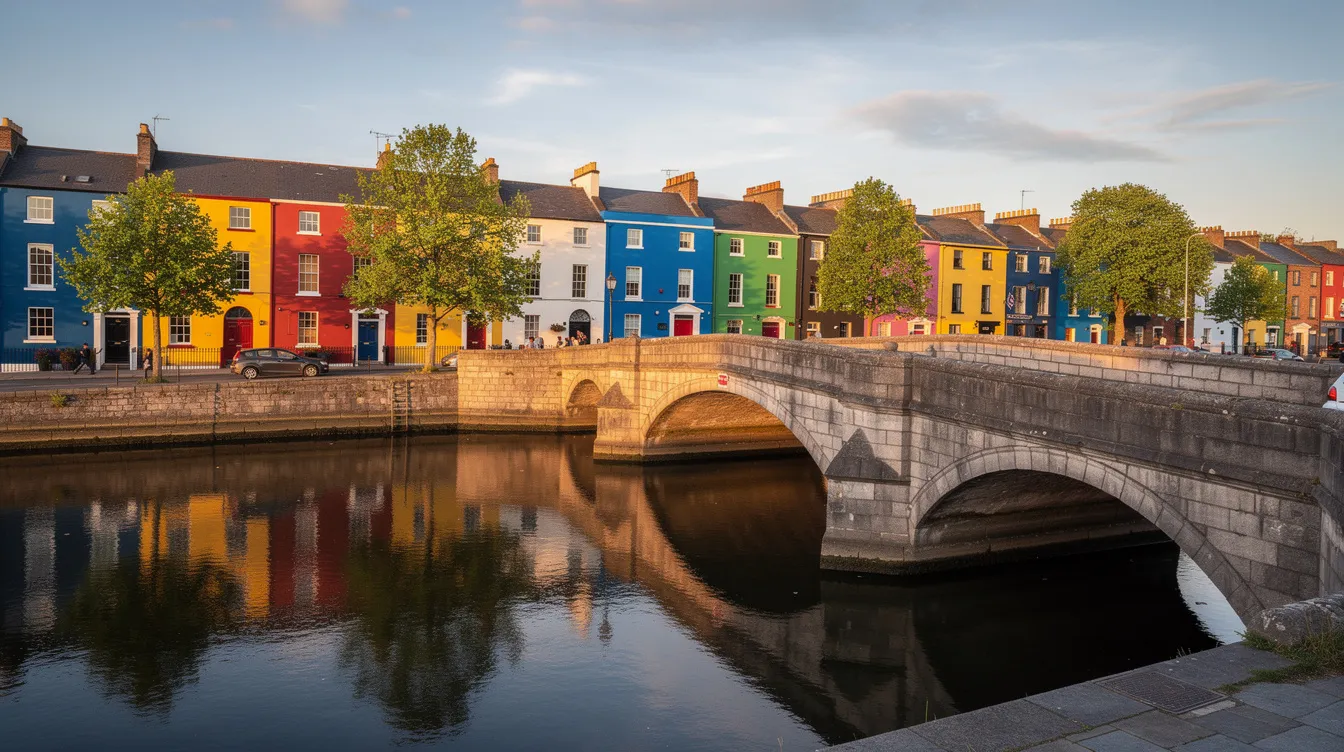
Ireland Visa from India: Complete 2026 Guide
Planning a trip to Ireland from India involves more than just booking flights and hotels. Whether your destination is Dublin for a holiday, Cork for a university degree, or Galway to join a spouse, you need to sort out your visa well before your travel date. This guide walks you through every visa category, the application process, processing times, and practical tips that Indian citizens should be aware of in 2026.
Key Takeaways
Indian citizens require a visa to visit Ireland in 2026 for virtually all purposes, including tourism, business, study, work, and family reunion.
Ireland is not part of the Schengen Area and is separate from Great Britain. An Irish visa does not allow entry to the UK, and a UK or Schengen visa does not permit entering Ireland.
Most visa applications from India are submitted via the AVATS online system and processed by the Embassy of Ireland in New Delhi or the Dublin visa office.
Visa processing times typically range from 4 to 8 weeks for short stay visas, while long-stay categories (study, employment, join family) often take 8–12 weeks or longer.
Rules, fees, and processing targets change frequently. Always verify the latest requirements on the official Irish immigration website and the Embassy of Ireland, New Delhi page before you submit anything.
Understanding Ireland vs Schengen, UK, and Northern Ireland
Ireland is a member of the European Union but has opted out of the Schengen Area. This means its visa policy is entirely separate from the Schengen rules that govern countries like Spain, Germany, or North Macedonia. It is also separate from the immigration law of Great Britain.
Here is what Indian travellers must understand:
An Irish visa covers only the Republic of Ireland. It does not grant permission to enter England, Scotland, Wales, or Northern Ireland.
Ireland and the UK share a Common Travel Area that allows British and Irish citizens to move freely. However, non-EEA Indian nationals are not covered by this arrangement and need valid visas for each country.
Crossing the land border from the Republic into Northern Ireland without a UK visa is not lawful. Even though there are no routine checkpoints, UK immigration rules still apply, and violations can harm future visa applications.
The British-Irish Visa Scheme (BIVS) allows some eligible Indian nationals holding a qualifying short-stay Irish visit visa (endorsed "BIVS") to also enter the UK on the same visa. This is narrow in scope and must be confirmed before relying on it.
Some countries accept an Irish residence permit for visa-free short visits, but neither the UK nor Schengen countries do so by default. Always check with the country's embassy or consulate, or use Timatic through your airline, before any trip.
Do Indians Need a Visa to Enter Ireland in 2026?
Yes. Indian citizens are classified as visa required nationals for Ireland in 2026. This applies regardless of whether you are travelling for tourism, business, study, employment, or family reasons.
Indian travellers will need an Irish visa in these main situations:
Short-stay C visa: Indian citizens need a pre-approved short-stay "C" visa to visit Ireland for up to 90 days, covering holidays, family visits, conferences, and short courses.
Long-stay D visa: For stays exceeding 90 days, including full-time study, employment visa application routes, and joining family in Ireland.
Transit visas: In certain cases when passing through an Irish airport, depending on routing.
Holding a valid US, Canadian, or Schengen visa does not waive the Ireland entry visa requirement for Indian passport holders. The same applies to a UK visa, unless the narrow BIVS scheme applies.
A tourist visa is strictly for sightseeing, short family visits, or attending non-remunerated events. It is not valid for paid work or long-duration study. Similarly, refugee travel documents or residency permits from another country such as Canada do not automatically remove the need for a separate Irish visa. Each applicant must confirm requirements based on their current nationality and status.
Main Ireland Visa Types for Indian Citizens
Ireland groups its visas into short-stay (C) and long-stay (D) categories. Your choice depends on the duration and purpose of your trip.
Short-stay C visas relevant to Indian applicants:
Tourist visa or visit visa (up to 90 days for holidays, visiting friends or family)
Business visa applications (meetings, conferences, corporate visits without Irish payroll)
Conference, training, or event attendance under 90 days
Short medical treatment visits
Long-stay D visas for Indians:
Study visa for courses longer than 90 days at approved Irish institutions
Employment visa for job offers requiring an Irish employment permit
Join family visas for a spouse, de facto partner, children, and other family members of Irish, EU/EEA, or non-EEA residents in Ireland
Researcher, intra-company transfer, and other specialized categories
Each visa type demands different levels of evidence and financial documentation, but all begin with completing the online AVATS visa application form, followed by document submission and biometrics. The sections below cover the tourist and business travel visa categories in detail, along with the full step-by-step process.
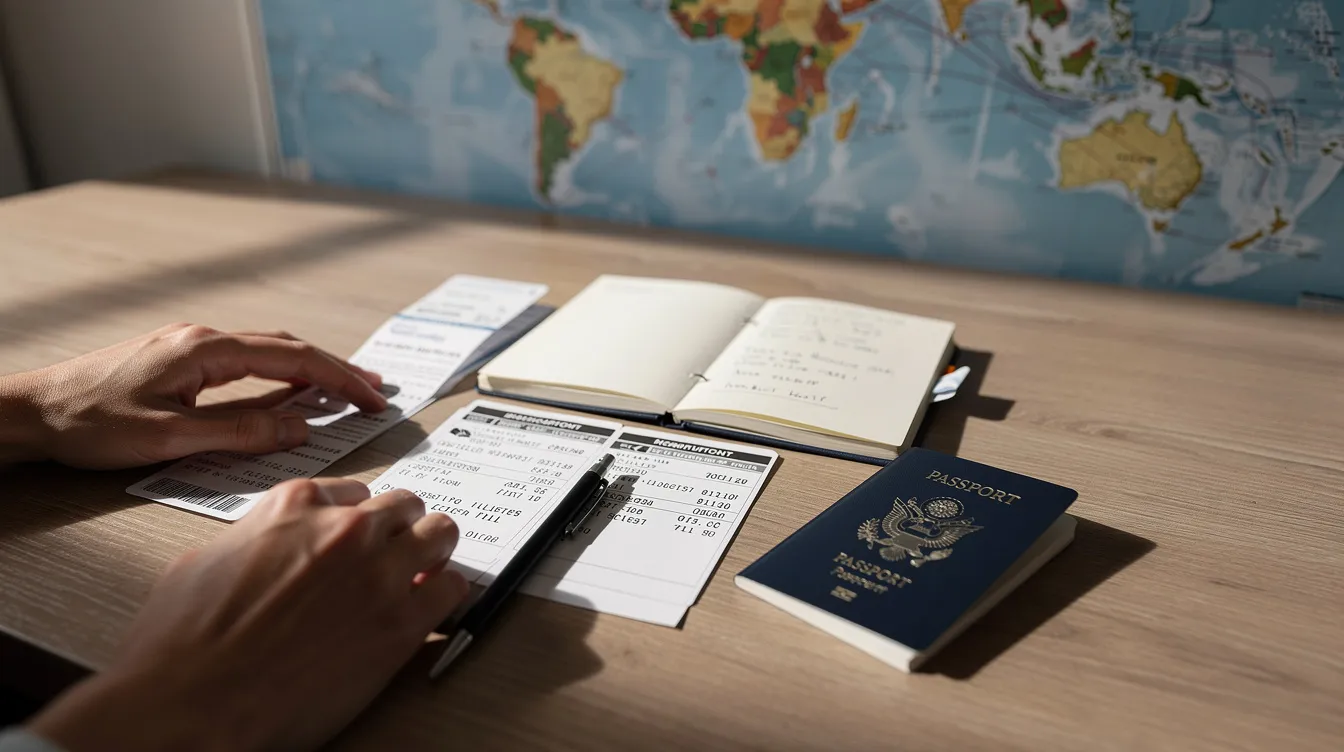
Short-Stay Ireland Tourist Visa from India
This is the most common category for Indian nationals visiting Ireland for leisure, family visits, or informal short courses lasting under 90 days.
Eligibility
You must demonstrate that you are a genuine visitor with sufficient funds for the entire stay, strong evidence of returning to India (such as employment, ongoing studies, or family obligations), no intention to work or access public funds, and a clean immigration history.
Documents Typically Required
A valid Indian passport with at least six months validity beyond your planned departure date from Ireland, and adequate blank pages
Completed online AVATS form and signed summary sheet
Recent passport-size photographs matching Irish standards (white background, full face)
A cover letter explaining the purpose of your visit, travel dates, planned itinerary, and your ties to India
Flight reservation or travel plan (non-refundable tickets are not required before visa approval)
Proof of funds: bank statements covering the last 6 months, income tax returns, and salary slips
Confirmation of accommodation bookings or an invitation letter from a host in Ireland
Travel insurance covering medical emergencies and repatriation is strongly recommended
If you are visiting family or friends, an invitation letter is needed along with proof of the host's status in Ireland (Irish passport, residence card, or IRP). The host should provide a notice of undertaking to accommodate you, but you must still show personal finances and ties to India.
Limitations
A tourist visa does not allow any paid employment or long-term academic courses. It is normally a single entry visa, with multiple-entry granted only in limited situations, such as a track record of legitimate travel to Ireland or the EU.
Business Visa Applications and Other Short-Stay C Visas
Indian professionals frequently travel to Ireland on short-stay C visas for corporate meetings, trade fairs, or training. These remain distinct from work visas or employment permits.
What Qualifies as Business Travel
Attending conferences, exhibitions, or client meetings
Negotiating a contract or exploring investments without taking up local employment
Short internal corporate visits where salary continues from an employer outside Ireland
Additional Documents
A letter from your Indian employer specifying your role, salary, purpose and duration of the visit, and confirming continued employment after return
An invitation letter from the Irish company or organization, detailing event specifics and who bears costs
Business registration documents, tax returns, and company bank account statements (for self-employed applicants)
Key Limitations
No Irish payroll or long-term work is permitted
Maximum stay of 90 days per visit; the actual duration is decided by the immigration officer on arrival, even if the visa sticker shows a longer validity window
A business visa cannot be converted into an employment permit while in Ireland
If paid work in Ireland is your goal, you must obtain an Irish employment permit first and then apply for a long-stay D visa.
Applying for an Ireland Visa from India: Step-by-Step
Most Ireland visa applications from India follow the same general process. Here is how it works:
Choose the correct visa type. Confirm current rules on the Irish immigration website and the Embassy of Ireland, New Delhi page.
Complete the AVATS form. Apply online through the AVATS portal. Select the correct visa office (typically New Delhi), fill in all fields accurately, then print and sign the summary sheet.
Pay the visa fee. The fee for a short-stay single entry C visa is €60; a multiple-entry visa costs €100. Single-entry and multiple-entry visa fees apply for Irish visa applications and are collected in INR via the Embassy's outsourcing partner in India. Qualifying EU family members may be exempt from fees.
Book a biometrics appointment. Schedule through the official visa application centre (VFS) used by the embassy in India. Biometric data (fingerprints and photograph) is required from applicants aged 5 and older during the application process.
Prepare your documents. Gather originals and photocopies of every supporting document. All documents not in English must include certified translations with full translator contact details.
Attend the appointment. Submit your passport, signed summary sheet, and full document set. Provide biometrics if not exempt. Keep all receipts and tracking numbers.
Track and wait. Monitor your application status via the visa centre or embassy decision lists. Your passport will be returned with the visa decision once processing is completed.
Practical tips:
Double-check that names and dates are consistent across all forms and documents
Never misrepresent information. Providing false documents is subject to refusal and can result in long-term bans from entering Ireland or other countries
Avoid non-refundable bookings until the visa is granted
Processing Times for Ireland Visas in India
Processing times for Ireland visas filed in India vary by category and season. Delays are common during student intake periods (July–September) and holiday seasons (December–January).
The New Delhi visa office and the Dublin visa office share the workload. Visa applications may be transferred to Dublin for processing, which can add time.
Indicative Timelines
Visa Category | Approximate Processing Time |
|---|---|
Short-stay tourist or business C visa | 4–8 weeks |
Study or employment long-stay D visa | 8–12 weeks |
Join family visa (first decision) | Approximately 3 months |
Join family visa (appeals) | Up to 12 months |
Real applicant reports confirm these ranges. Some tourist visa applicants from India report receiving approval in about 4 weeks when documentation is complete and submitted outside peak season. Others face waits of 5–7 weeks or longer.
Common reasons for delays include high application volumes from India, additional verification of financial or relationship documents, and applications delayed may be due to biometric information issues. The embassy backlog affects join family appeals specifically, stretching timelines well beyond initial targets.
Advice: Apply as early as possible. For short-stay C visas, aim for at least 8 weeks before your intended travel date. For long-stay D visas, file 3–6 months in advance. Never book irreversible flights before a decision is issued.
Decision Outcomes, Refusals, and Appeals
Irish visa officers can grant, refuse, or request additional information on any visa application. Every refusal letter lists the specific grounds.
Common Refusal Reasons for Indian Applicants
Insufficient evidence of sufficient funds or unexplained large deposits in bank statements
Weak ties to India, such as missing employment proof, unexplained career gaps, or no property ownership
Incomplete documentation, missing translations, or inconsistent information across forms and letters
Previous immigration issues in Ireland, the UK, Schengen, or other countries
Refusal letters generally specify whether the person can seek a review or appeal and the timeframe, which is often around 2 months from the date of refusal. An appeal is usually free but must be well-documented and address each refusal ground with fresh evidence.
For long-stay categories like join family visas, appeals and reviews under "exceptional criteria" of the non-EEA family reunification policy document can take many months. Join family visa appeals can take up to 12 months for decisions, which applicants should factor into their relocation plans.
If you have prior deportations, a criminal record, or multiple past refusals, getting professional legal advice before reapplying is strongly recommended, particularly with regard to the Department of Justice procedures and any minister's discretion that may apply.
Traveling on an Irish Visa: Arrival and Re-entry
An Irish visa is a pre-entry clearance. The visa application does not guarantee entry; final permission to enter Ireland is determined by an immigration officer at the border.
What to Carry on Arrival
Your passport with a valid Irish visa
Copies of application documents: invitation letters, accommodation details, return tickets
Proof of funds (recent bank statements) and travel insurance
For family visits: contact details of the host and evidence of relation (birth certificate, marriage certificate)
The officer stamps your passport with a date until which you may stay. This duration may be shorter than the visa's overall validity. Overstaying this permission can seriously affect future applications to Ireland, the UK, or Schengen destinations.
Re-entry for IRP Holders
If you hold an Irish Residence Permit (IRP) as a temporary or long-term resident, keep the following in mind:
Ensure both your IRP card and passport remain valid on your return date
Check whether your destination country (for example, Spain or another Schengen state) accepts an Irish IRP for visa-free entry or requires a separate visa
Plan return journeys so that residency documentation is current upon re-entering Ireland
There are usually no routine checks on the land border between Ireland and Northern Ireland, but legal permission is still required. Indian nationals cannot rely on the absence of checkpoints to bypass UK visa rules.

Special Cases: Family Members of EU or Irish Nationals
Indian family members of EU/EEA/Swiss citizens or Irish nationals living in Ireland may have specific visa routes with some fee exemptions and faster processing compared with standard categories.
Who Qualifies
Qualifying family members include a spouse, civil partner, de facto partner, and dependent minor children. Some dependent parents or adult children may also qualify under certain conditions.
Qualifying family members are exempt from visa fees when EU free-movement rules apply.
The Pathway
Enter Ireland using a short-stay visa, generally valid for up to 90 days
Apply inside Ireland for a Residence Card of a family member of a Union citizen. Applications for residence cards should be decided within six months, leading to Stamp 4 EUFAM permission for up to 5 years
After 5 years of continuous legal residence, you may apply for permanent residence granting a 10-year right of residency, and eventually explore citizenship through naturalisation
Indian child applicants must provide extra evidence including birth certificates, parental consent letters, and copies of parents' passports. All non-English or non-Irish documents must be submitted with certified translations by translators whose full contact details are included.
If a residence card application is refused, or if the relationship breaks down due to death, divorce, or domestic abuse, some family members may seek retention of residence. These situations often require specialist immigration legal advice.
Practical Tips for Indian Applicants Planning to Enter Ireland
Always start by checking the latest guidance on the official Irish immigration and Embassy of Ireland websites. Rules, fees, and processing times change frequently.
Prepare a clear, honest cover letter that matches your supporting evidence and explains your plans in Ireland and ties to India.
Avoid last-minute applications. Aim to file your visa request several months before travel, especially for long-stay D visas.
Keep photocopies and scanned copies of all forms and documents submitted, including courier receipts and tracking numbers.
Never overstay the permission stamped in your passport. Always verify whether you need fresh visas when also visiting Great Britain, Northern Ireland, or Schengen countries on the same trip.
Be aware that processing times are estimates, not guarantees. Build buffer time into your travel plans.
FAQ
Can I visit Ireland on a UK or Schengen visa if I am an Indian citizen?
As a rule, an Indian national cannot enter Ireland on a UK or Schengen visa. Ireland has its own visa system outside Schengen and separate from UK immigration rules. The only notable exception is the BIVS, which applies to specific short-stay visit visas endorsed accordingly. Indian citizens should assume they need a dedicated Irish visa unless official Irish immigration guidance explicitly states otherwise at the time of travel.
How early should I apply for an Ireland tourist visa from India?
Indian travellers should aim to apply at least 8–12 weeks before their intended travel date, or earlier during busy seasons (summer and December–January). While Ireland may not allow filing more than a set period in advance for some categories, applying as soon as the window opens is wise for applicants from high-volume countries like India.
Do I need a separate visa for Northern Ireland if I already have an Irish visa?
Yes. An Irish visa does not act as a UK visa. Most Indian nationals still need a valid UK visa to lawfully enter Northern Ireland, even if arriving by land from the Republic of Ireland. Although there are generally no routine border checks on the island, travelling without correct UK immigration permission is unlawful and can harm future UK visa applications.
Can I work in Ireland on a short-stay tourist or business visa?
Neither a tourist visa nor a standard short-stay business visa authorises paid employment or long-term work in Ireland for Indian nationals. Those intending to work must usually secure an Irish employment permit first, then apply for a long-stay D employment visa, and only travel once the correct permission is granted.
Is travel insurance mandatory for Indian citizens visiting Ireland?
Travel medical insurance may not always be explicitly mandated in Irish visa rules, but it is strongly recommended and sometimes expected as proof of realistic planning for the trip. Indian applicants should obtain a policy covering at least emergency medical care and repatriation for the whole duration of their stay, and include confirmation of coverage with their visa application.