
Ireland Visa Tracking: How to Check Your Application Status Step-by-Step
Introduction to Ireland Visa Tracking
If you've submitted an Irish visa application and find yourself refreshing your inbox every morning, you're not alone. The good news is that you can track your Ireland visa application status online using specific portals, your unique reference number, and a few personal details. You can track your application using a unique reference number assigned during the AVATS (Automated Visa Application & Tracking System) process, and this guide will walk you through every step.
Timely visa tracking helps you plan flights, sort accommodation, and coordinate with financial institutions for travel money or proof-of-funds letters. Whether you're coming to Ireland on a short-stay visit visa, a long-stay study or employment visa, or a join family visa, understanding where to check and when to start checking creates a smoother journey with far less last-minute stress.
Where to Track Your Ireland Visa Application Online
Most applicants should check their visa status through official government channels rather than third-party websites. The Irish Immigration Service Customer Service Portal allows users to check application status, and the primary resource is the Immigration Service Delivery (ISD) visa decisions page under the Department of Justice. Tracking methods depend on the submission method of your Irish visa application, so the exact portal you use will vary.
Here are the main places to check:
ISD Visa Decisions Page (Dublin) – for applications processed by the Dublin visa office, updated weekly with reference numbers and outcomes.
Embassy or consulate visa decisions pages – overseas offices such as New Delhi, London, Abu Dhabi, and Abuja publish their own decision lists on their respective country pages at ireland.ie.
Commercial visa application centres – VFS Global offers a tracking system for applications submitted through their centres, using a centre-specific tracking ID and date of birth.
Information You Need Before You Can Track Your Visa
Before you can access any tracking tool, gather and secure the following. Missing even one detail can mean your search returns nothing.
AVATS application reference number – found on your summary sheet after completing the online form. This is the most important identifier. Make sure you copy the exact format, including any leading zeros or prefixes.
Passport number and date of birth – required by most embassy portals and VFS Global's tracking tool to verify your identity.
Visa office or embassy name – decision lists are published per office, so you must know whether your application went to Dublin, New Delhi, London, or another location.
Payment transaction ID – when checking visa status through the Irish Immigration Service, a transaction number is needed. Since December 2025, applicants submitting to Dublin must pay via AVATS online, and the confirmation email contains this ID.
Courier or submission receipt – if you sent documents by post or through a visa application centre, keep the receipt as proof of delivery and for any provider-level tracking.
Step-by-Step Guide: How to Track Your Ireland Visa Status
Here's how the process works from start to result, written for first-time applicants who want a clear path to follow.
Step 1: Complete the AVATS online application form in English, answering every question and uploading the required document checklist for your visa category.
Step 2: Receive your AVATS summary sheet. This is generated automatically and contains your reference number, visa category, and the address of the office handling your application. Save a copy immediately.
Step 3: Pay the applicable visa fee. For applications directed to Dublin, this must now be done through AVATS. Note that the Spouse Visa application fee is €0 for spouses of Irish citizens, so not every category requires payment.
Step 4: Submit supporting documents, biometrics (where required), and your passport to the designated embassy, consulate, or visa application centre.
Step 5: Wait for entry into the processing queue. Processing officially begins only once a complete application with all documentation is received. Incomplete files may sit without progress.
Step 6: Begin checking the relevant visa decisions page regularly. For Dublin, the ISD page is updated every Tuesday. For overseas offices, schedules vary-New Delhi publishes daily around 11:00 IST, while others update weekly.
Step 7: If you submitted through a commercial centre like VFS Global, also log into their portal with your centre-specific tracking ID. Their system may show stages such as "documents submitted" or "decision returned to centre."
Step 8: Once your reference number appears on a decision list, follow the instructions for your specific outcome-whether that means sending your passport for endorsement or reviewing a refusal letter.
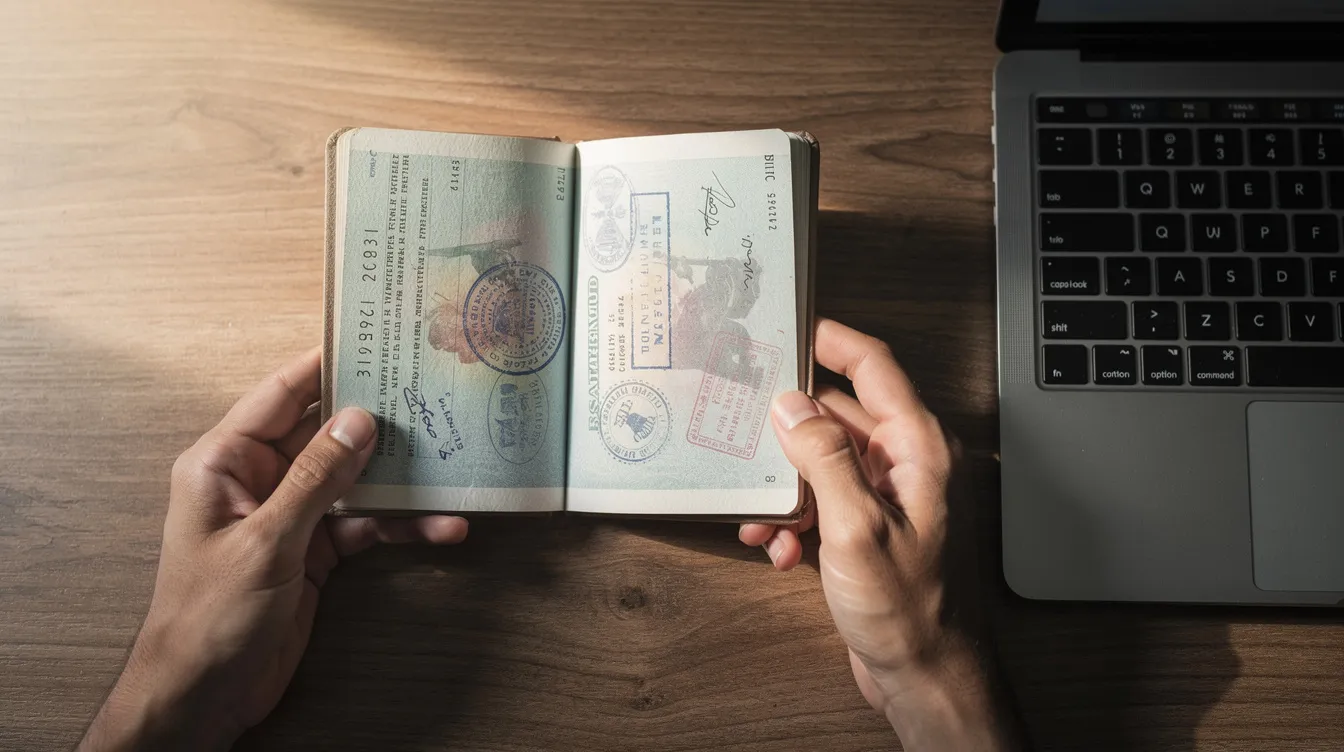
Understanding Status Updates and Visa Decisions
Unlike visa systems in Canada or other countries that show live progress bars, Ireland's approach is more binary. The Irish Immigration Service publishes weekly updates on visa decisions, and what you'll see is a reference number paired with an outcome. There is no "under review" or "security check in progress" stage visible to applicants.
Granted – your visa has been approved. You can now arrange to have the visa placed in your passport. Remember that final permission to enter Ireland is decided by an immigration officer at the border on arrival.
Refused – a written refusal letter will be issued, listing the reasons. The letter will also confirm whether you have the option to file an appeal. Appeal procedures are managed through ISD.
No result yet – if your reference number doesn't appear, it simply means the application is still in the queue. This is normal for weeks or even months, depending on the visa type. Direct communication from immigration services may be limited during processing.
The Dublin visa office publishes updates on application statuses weekly, typically every Tuesday, and also shows the date up to which applications are currently being processed-giving you a sense of where you sit in the queue.
Typical Processing Times and When to Start Tracking
Application processing times vary depending on visa type and submission location. Here are realistic benchmarks:
Short-stay C visas (tourism, business, trade): typically processed within 8–12 weeks, with many embassies targeting around 45 calendar days for a convenient turnaround.
Long-stay D visas (study, employment): usually 8–16 weeks, though seasonal peaks-especially around academic intake-can push this further.
Join family / Spouse Visa: processing times for visa applications can take up to 12 months or longer. The Spouse Visa is for non-EEA nationals married to Irish citizens, and sponsors must have a cumulative income of at least €40,000. Applicants must be at least 18 years old to apply.
When to start checking:
For a standard visit visa, begin tracking after about 6 weeks.
For study or employment visas, start after 6–8 weeks.
For join family applications, monitor the ISD queue dates after several months, and adjust your expectations accordingly.
Do not book non-refundable flights or accommodation until the visa is endorsed in your passport. A policy of patience here protects your finances.
What to Do If You Cannot Find Your Application or Need Help
If your reference number hasn't appeared after the normal processing window, take these steps:
Double-check your reference number – verify spelling, format, and any prefixes. A single wrong digit means no match.
Confirm you're checking the correct list – if your AVATS summary says "Visa Office, New Delhi," don't seek your result on the Dublin ISD page.
Contact the visa office by email – provide your full name, AVATS reference, date of birth, passport number, nationality, visa category, and submission date. Do not contact visa offices for updates during standard processing times; wait until the published window has passed.
If you used a travel agent or commercial partner, request updates through that provider, as they may have access to additional internal tracking tools.
Response times from embassies can take several working days, so remain patient and avoid sending multiple follow-up emails within the same week.
Visa Requirements, Financial Evidence, and the Role of Financial Institutions
While tracking monitors progress, the actual decision depends on whether you meet all visa requirements. Financial evidence is one of the most scrutinized areas.
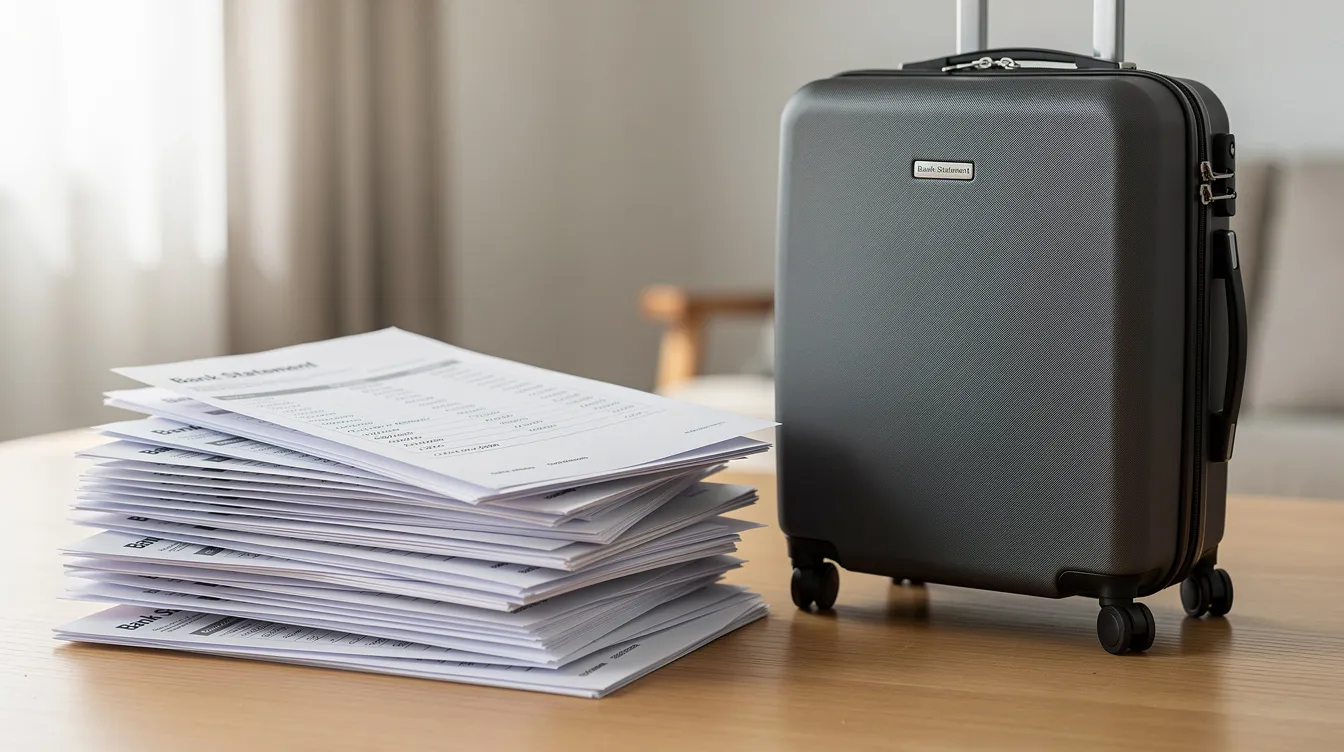
Many Irish visas require recent bank statements covering at least six months, proof of regular income, and sometimes letters from financial institutions confirming account ownership or available funds. Sponsors for a Spouse Visa, for instance, must prove a cumulative income threshold, and you must provide evidence of your relationship's authenticity through photos, correspondence, and legal documents.
To support a faster, more predictable decision:
Maintain stable balances and avoid large unexplained cash deposits shortly before applying.
Ensure every document is clear, in English or officially translated, and matches the data on your application form.
Provide a complete file the first time-missing financial evidence is one of the most common reasons for delays or additional information requests that slow down tracking.
Well-prepared financial documents make for a smoother journey through the entire process.
Frequently Asked Questions About Ireland Visa Tracking
Can I track my visa with my passport number only? Generally, no. Public decision lists and most embassy tracking tools require your AVATS reference number. VFS Global's portal uses their centre-specific reference plus your date of birth. Your passport number alone won't return a result in most situations.
How often are Ireland visa decision lists updated? The Dublin ISD page is updated every Tuesday. Overseas offices vary-some publish daily, others weekly. Check your specific embassy's page for their schedule.
Can someone else check my reference number online? Yes. Decision lists are public and display reference numbers with outcomes, not applicant names. Anyone with your reference number can search the list, though your personal information remains secure.
Does tracking show when my passport is ready for collection? Not always. The ISD decision list confirms whether a visa was granted or refused, but passport dispatch or collection information depends on the embassy or commercial centre. VFS Global may show a "ready for collection" update, while some embassies communicate this by phone or email.
Should I contact the visa office if I haven't received a decision? Only after the standard processing window has passed. Contacting the office earlier is unlikely to change timelines and may slow responses for applicants with genuine urgent situations.
Tracking your Ireland visa application doesn't need to be a source of anxiety. Know your reference number, check the right portal, and give the process the time it needs. With the right information in hand, you stay in control from the moment you apply to the day you receive your decision.