
Irish Immigrants: History, Policy and Support in Ireland Today
Key Takeaways
Ireland has transformed from a country of mass emigration to one of sustained net immigration since the 1990s economic boom. In the year to April 2025, 125,300 immigrants arrived while 65,600 people emigrated, producing significant net immigration that continues to reshape the population.
Modern immigration flows into Ireland include returning Irish citizens (around 31,500 in 2025), EU nationals, UK citizens, and migrants from across the world. People seeking international protection follow a distinct legal process managed by the International Protection Office and the International Protection Accommodation Service (IPAS).
Ireland maintains a rich network of support organisations for immigrants, from the Immigrant Council of Ireland and the Migrant Rights Centre Ireland to regional groups like Nasc and Doras. Readers considering return as part of the Irish diaspora, arriving as new migrants, or supporting immigrants will find practical guidance throughout this article and in the FAQ section below.
Introduction: Ireland and Irish Immigrants
The term "Irish immigrants" carries a dual meaning. It can refer to the millions of Irish people who emigrated abroad over decades of economic hardship, and it also describes the growing numbers of non-Irish nationals now moving into Ireland to live, work, and study. Context determines which meaning applies, but both stories are deeply connected.
For much of its modern history, Ireland was defined by departure. Over 10 million people have left Ireland since 1800, scattering Irish communities across the world. Yet by the early 21st century, that story reversed. Ireland became a country that attracts more people than it loses, with net immigration now a defining demographic trend. This article focuses mainly on immigration into the Republic of Ireland today, while also touching on the global Irish diaspora and their pathways home. Readers will find historical background, up-to-date policy information on the asylum process and international protection system, and clear guidance on where to access support.
From Emigration to Net Immigration: A Brief Timeline
For most of its modern history, Ireland was synonymous with emigration. Millions left, driven by famine, poverty, and chronic lack of jobs that left rural laborers vulnerable to economic shocks. The shift to a country of net immigration only arrived in the 1990s, and it fundamentally changed how Ireland sees itself.
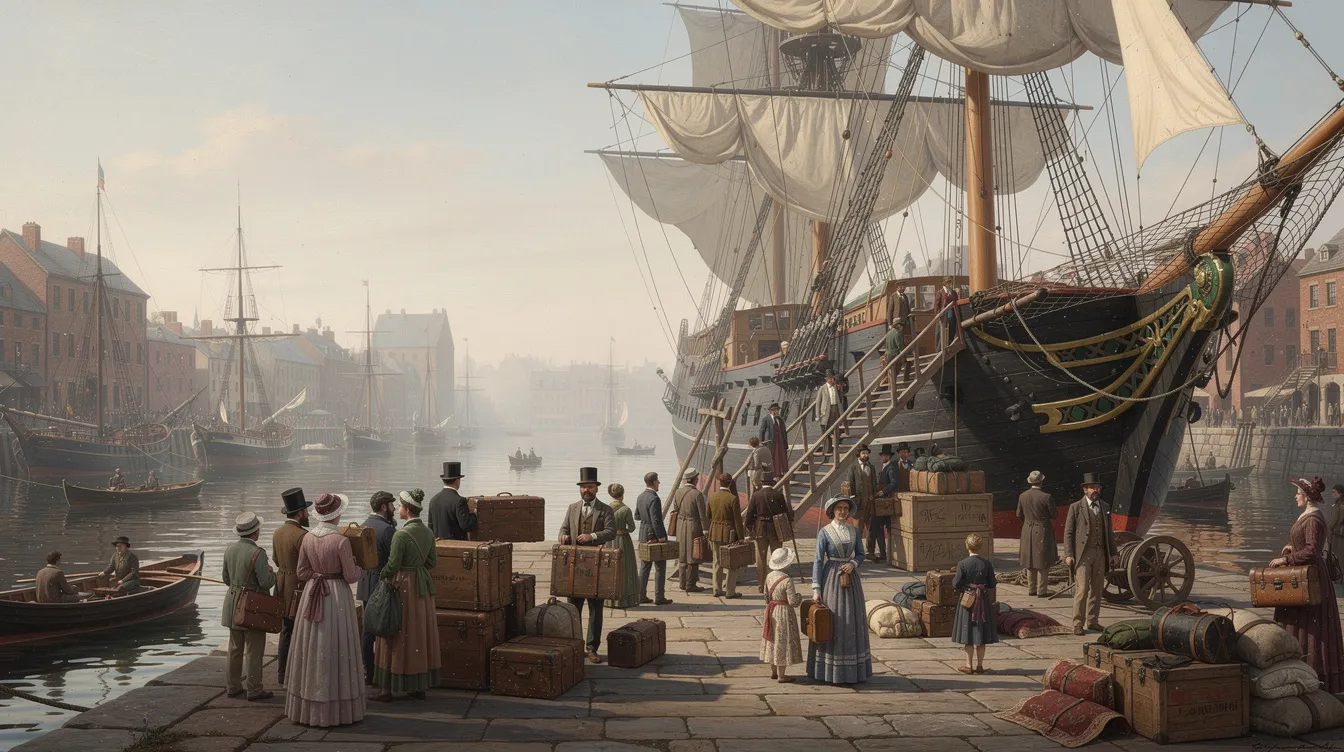
The Great Famine occurred from 1845 to 1852 and resulted in over one million deaths and a comparable number of departures. Ireland's population declined from about 8.2 million in 1841 to 6.6 million in 1851. The 19th century was an "age of mass migration," facilitating the movement of millions, and Irish migrants were among the largest groups on the move. Many sailed on what became known as "coffin ships," overcrowded vessels used during the Great Famine emigration that claimed thousands of lives before reaching port.
Between 1820 and 1930, approximately 4.5 million Irish people arrived in the United States, with many others heading to Britain, Canada, and Australia. Post-independence emigration continued through the 1950s to 1980s, when economic stagnation pushed waves of Irish citizens to Britain and North America. Between 1956 and 1961, net emigration from the Republic of Ireland was approximately 212,000.
The Celtic Tiger economic boom of the mid-1990s to 2008 marked the turning point. Ireland has experienced net immigration since the 1990s economic boom, driven by rapid growth in technology, pharmaceuticals, and financial services. EU workers arrived in large numbers, and returning members of the Irish diaspora swelled the population further. By comparison, 90,300 people immigrated to Ireland between April 2017 and April 2018. More recently, Central Statistics Office estimates for the 12 months to April 2025 show 125,300 immigrants arriving and 65,600 people emigrating, a clear sign that this country continues to attract more people than it loses.
The Global Irish Diaspora
The Irish diaspora is one of the largest in the world relative to its home country's size. An estimated 70 million people worldwide claim Irish birth, citizenship, or ancestry, making the diaspora roughly 13 times the population of Ireland itself. Key destination countries include the United States, the United Kingdom, Canada, Australia, and Argentina.
Irish immigrants established many Catholic parishes, schools, and hospitals in America, creating institutional foundations that endure to this day. The Irish contributed significantly to American folk music and popular culture, shaping traditions from Appalachian ballads to Broadway. Many Irish Americans played key roles in the American labor movement, fighting for workers' rights in industries from railroads to textiles. Irish communities established political machines like Tammany Hall in New York, exerting considerable influence over urban governance in other countries for generations.
Proximity to ports made it easier for Irish migrants to settle in cities like New York and Boston, though Irish migrants often faced extreme poverty upon arriving in new countries and were frequently subjected to nativism and anti-Catholic discrimination. Despite these obstacles, diaspora communities thrived and maintained strong ties to Ireland.
Many in the diaspora are eligible for Irish citizenship through parentage or grandparentage, which can significantly ease immigration back to Ireland for work or study. Ireland maintains official engagement with its diaspora through dedicated government units, cultural programmes, and annual events like St Patrick's Day celebrations in Europe and across the world.
Irish Citizens Abroad and Pathways to Return
Irish citizens who emigrated abroad are a major part of current immigration flows back into Ireland. In the year to April 2025, around 31,500 returning Irish citizens were among the 125,300 total immigrants, making up roughly one quarter of all arrivals.
Common reasons for return include improved job opportunities in sectors like technology, healthcare, and pharmaceuticals, as well as family ties, lifestyle changes, and a desire to be closer to home. Government policy initiatives also encourage skilled emigrants to come back, particularly in areas facing labor shortages.
For Irish nationals returning, the practical pathways are relatively straightforward. Irish citizens have an automatic right of residency, full access to the labour market, and access to public services on return. Recognition of foreign qualifications depends on the profession and regulatory body involved, which can sometimes create delays but is generally manageable. UK-based Irish citizens have been affected by Brexit in some administrative respects, but the continued importance of the Common Travel Area ensures free movement between Ireland and the UK for Irish people and UK nationals alike.
The Irish Diaspora Strategy and Government Initiatives
Ireland has a formal diaspora policy framework designed to maintain and strengthen ties with millions of individuals of Irish heritage worldwide. The Irish Diaspora Strategy 2026–2030, the country's third such strategy, sets out 23 targeted commitments across themes including wellbeing, identity, culture, and return migration.
One key measure relevant to immigration is outreach to people entitled to Irish citizenship by descent who may not realise they qualify for an Irish passport. The strategy aims to reduce barriers facing returnees by streamlining information and cutting administrative hurdles. The Emigrant Support Programme for 2026/27 has been allocated €17.5 million, the highest to date, funding voluntary organisations worldwide that support diaspora welfare, community heritage, and advocacy work.
The Global Ireland programme complements this by expanding Ireland's cultural and diplomatic presence abroad. Together, these government initiatives encourage return migration, support diaspora entrepreneurs, and ensure that the future of Ireland's relationship with its global community remains strong.
Types of Immigrants Coming to Ireland Today
Contemporary immigrants to Ireland are highly diverse. They include EU citizens, non-EU nationals, UK citizens, international students, migrant workers, families, and people seeking protection. The composition has shifted notably in recent years.
Using Central Statistics Office figures for the year to April 2025, the approximate breakdown is: 31,500 returning Irish citizens, 25,300 EU citizens (non-UK), 4,900 UK citizens, and roughly 63,600 non-EU nationals from the rest of the world. Ireland's immigration strategy prioritizes highly skilled workers, and labour migrants arriving to fill roles in technology, pharmaceuticals, healthcare, construction, agriculture, and hospitality make up a significant share. Multinationals across Dublin, Cork, and Galway employ thousands of skilled employees from other countries.
International students at Irish higher education institutions and language schools represent another substantial category, with study visas sometimes leading to limited post-study work opportunities. Family reunification migrants join spouses, partners, children, or parents already resident in Ireland, though immigration policy includes strict family reunification rules that can make this process lengthy and complex for families.
International Protection and Asylum in Ireland
International protection under Irish and EU law covers both refugee status and subsidiary protection for individuals fleeing persecution or serious harm. Temporary protection may also be granted in specific circumstances, as seen with arrivals from Ukraine in recent years.
The asylum process in Ireland begins when a person makes an application, usually on arrival or within the state. They register with the International Protection Office, undergo an interview, and receive a decision, with appeal options available. The International Protection Accommodation Service (IPAS) coordinates accommodation, basic welfare, health, and education for asylum seekers while their claim is processed. In 2022, more than 13,000 people arrived seeking protection and were accommodated through IPAS centres.
Applicants for international protection have specific rights and restrictions. They are permitted limited access to the labour market after a set period, and children have access to schooling and healthcare. Ireland aims to repatriate refugees when it is safe to do so, balancing humanitarian obligations with the rule of law. The Irish Refugee Council assists with asylum process advice, offering drop-in services and legal guidance to people navigating this system. The Department of Justice oversees decisions and policy development in this area.
Support and Advice Services for Immigrants in Ireland
Both state and non-governmental organisations offer free or low-cost immigration information, advice, and practical support across Ireland. Knowing which organisation to contact can save considerable time and stress.
The Immigrant Council of Ireland is a key resource. It operates an information line and provides limited legal services, assisting with issues such as visas, residency, and anti-trafficking work. Its advocacy on behalf of immigrants has helped shape policy and public understanding of migration in Ireland.
The Migrant Rights Centre Ireland offers support to migrant workers and their families, with walk-in or appointment-based advice services covering employment rights, work permits, and exploitation. It plays an important role in guidance for employees who may face unfair conditions.
Crosscare Migrant Project provides immigration information and advocacy, primarily serving communities in Dublin. Nasc offers immigration information and advocacy services from its base in Cork, while Doras provides advice on immigration through its information centre in Limerick and surrounding counties. Each of these organisations supports integration and equality for migrants in their regions.
The Irish Refugee Council runs drop-in services for asylum seekers and refugees, complementing the work of the International Organization for Migration, which offers voluntary assisted return and reintegration programmes for those who wish to return home.

Life in Ireland for New Immigrants
Settling in Ireland brings a mix of opportunities and practical challenges. New immigrants typically need to arrange housing, employment, schooling, and access to services, and the experience varies depending on location and legal status.
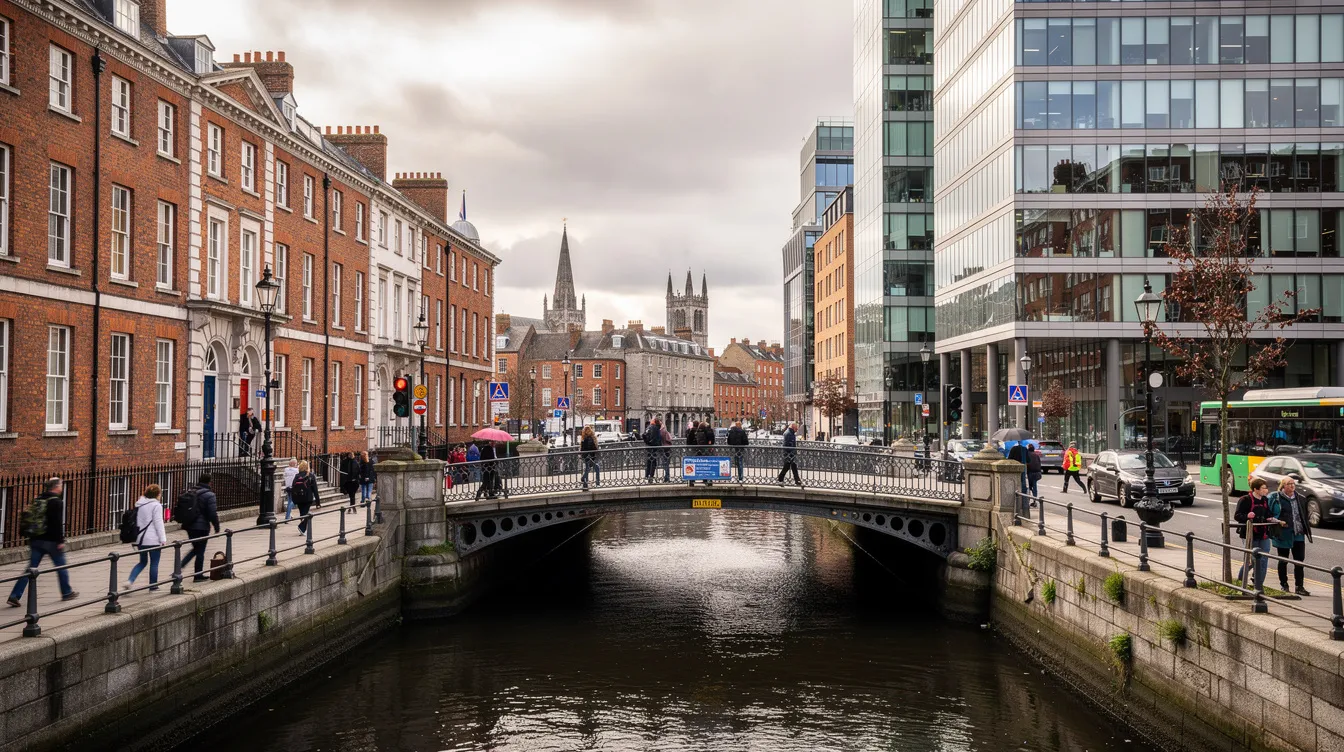
Employment opportunities are strong in several sectors. Ireland has a low unemployment rate of 4.93%, and demand remains high in technology, pharmaceuticals, engineering, healthcare, and agriculture. Ireland is the second wealthiest country in the EU, and many multinational companies base their European operations in Dublin, Cork, or Galway, creating diverse job opportunities for newcomers.
Free schooling is available for children until age 16 or 17 in the public system, and healthcare is accessible for all legal residents. Ireland's crime rate was just 0.90 per 100,000 population in 2017, reflecting a relatively safe social environment. The cultural landscape is welcoming, with an English-speaking context and an increasingly diverse population drawn from across Europe, Brazil, India, South Africa, the United States, and elsewhere. Irish values of hospitality and community remain central to daily life.
Ireland has five international airports with direct flights worldwide, making travel to other European countries and beyond straightforward. Employment law protections, including minimum annual leave entitlements, provide a safety net that can positively influence quality of life for migrants and their families.
Irish Citizenship Options for Immigrants and Their Families
Becoming an Irish citizen offers long-term security, EU free movement, and political rights. Several routes exist depending on personal circumstances, and understanding which applies is the first step.
Naturalisation by residence is the main path for non-EU immigrants. General requirements include continuous lawful residency for one year immediately before applying, plus a total of four years out of the previous eight, along with good character. Fees apply, and applicants should check current criteria on the Department of Foreign Affairs website.
Citizenship by descent applies to members of the Irish diaspora. If a parent was born in Ireland, entitlement is automatic. If the Irish connection is through a grandparent, registration in the Foreign Births Register may confer citizenship. Children born in Ireland to non-Irish parents after 1 January 2005 may acquire citizenship depending on their parents' length of lawful residence, reflecting changes in the law introduced that year.
Complex cases involving mixed-status families, disability considerations, or time spent on certain temporary permissions may require individual legal advice from a qualified immigration solicitor or accredited adviser.
Key Challenges and Policy Debates Around Immigration
Immigration and international protection remain politically sensitive topics in Ireland. The government must balance economic needs, humanitarian obligations, and social cohesion, and public debate can be intense.
Key policy themes include ensuring effective control and enforcement of immigration rules, addressing unauthorised stay, and maintaining public confidence. Deportations remain a contentious element of the system. New immigrants face five years without access to welfare in many categories, a rule designed to manage public spending but criticised by advocacy groups as a barrier to integration.
Pressures on housing, healthcare, and education in areas of high immigration shape much of the public conversation. Dublin and other cities face acute housing shortages, and the accommodation system for international protection applicants has been strained. Ongoing discussions focus on conditions in protection centres, integration of refugees and migrants into communities, and measures to combat racism and ensure equality and diversity.
Accurate information and respectful dialogue matter. Policy is evolving, with periodic reviews and new strategies announced by the Department of Justice and other bodies. Understanding the facts behind the figures is essential for anyone who wants to begin engaging constructively with this story.
Frequently Asked Questions about Irish Immigrants
Who is counted as an immigrant in Ireland's official statistics?
The Central Statistics Office defines an immigrant as a person who takes up usual residence in Ireland for at least 12 months, regardless of nationality or previous country of origin. This includes returning Irish citizens, EU and non-EU nationals, and people granted international protection once they reside long term. Short-term visitors such as tourists and most business travellers are not counted as immigrants in these figures.
What is the difference between an asylum seeker and a refugee in Ireland?
An asylum seeker is a person who has applied for international protection and is awaiting a decision on their claim. A refugee is someone who has been formally recognised under Irish and international law as needing protection because of a well-founded fear of persecution. Some individuals who do not meet the strict refugee definition may receive subsidiary protection or other leave to remain, which also allows them to stay lawfully in Ireland.
Can members of the Irish diaspora move to Ireland more easily than other migrants?
Many people in the Irish diaspora qualify for Irish citizenship by descent through a parent or grandparent, which gives them the same right to live and work in Ireland as other Irish citizens. Those who do not qualify for citizenship still need a standard permission, such as a work or study visa, but may benefit from targeted information or return programmes. Checking eligibility for the first time through family connections before applying for other immigration permission is always worth the effort.
How does immigration affect access to public services in Ireland?
Entitlement to services like healthcare, social welfare, and education depends on a person's immigration status, length of residence, and contribution history, rather than nationality alone. Lawfully resident immigrants, especially long-term residents and naturalised Irish citizens, generally have similar access to services as other residents, while short-term or undocumented migrants may face restrictions. Readers should confirm their specific entitlements with official sources or qualified advisers, as rules and thresholds can change over time.
Where can immigrants in Ireland find reliable, up-to-date legal information?
Official sources such as the Irish Naturalisation and Immigration Service (INIS) or its successor bodies, and the Department of Justice website, provide current legislation and policy updates. Trusted non-governmental organisations like the Immigrant Council of Ireland, Migrant Rights Centre Ireland, Nasc, Doras, and the Irish Refugee Council offer user-friendly guides and individual support. For complex or time-sensitive cases, consulting a qualified immigration solicitor or accredited legal adviser is the safest way to get personalised advice.