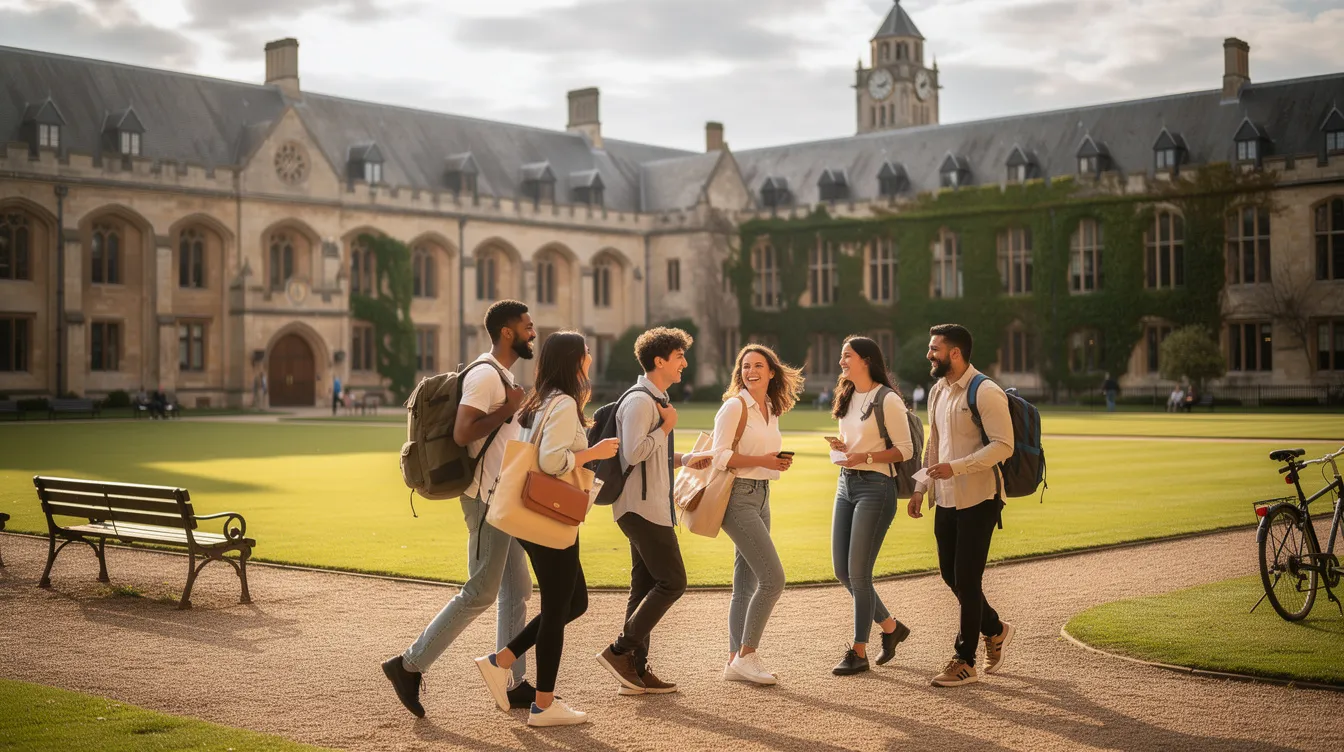
Irish Study Visa: Complete Guide for International Students
Planning to study in Ireland as a non-EU national involves navigating a document-heavy immigration system where accuracy matters more than interview skills. This guide walks you through every stage of the Irish study visa process, from checking whether you need one, to arriving, registering, and building a career after graduation.
Key Takeaways
Many non-EU/EEA international students need an Irish study visa (a Long Stay "D" student visa) if their course lasts more than 90 days. After arrival, they must also register for a residence permit and receive a Stamp 2 permission.
Visa applications should be submitted at least three months before the course start date because processing can take eight weeks or longer, especially during peak periods between June and September.
Core requirements include an unconditional offer for an eligible course, proof of tuition payment, at least €10,000 in maintenance funds, private health insurance, and a clean immigration and character record.
Ireland does not conduct standard student visa interviews. Visa applications are assessed based on submitted documents, so document quality and consistency are critical to approval.
A study visa alone does not allow long-term residence for family members. Spouses and children usually need separate visas, and students must follow work-hour limits and attendance rules to maintain their status.
Overview of the Irish Student Visa System
An Irish student visa is the entry document that allows non-EU/EEA nationals from visa-required countries to travel to Ireland for full-time study. There are two main types: a short-stay "C" visa for courses or visits of up to 90 days, and a long stay "D" study visa for anything longer. The short-stay single entry visa fee is €60, while the long stay "D" visa is what most degree-seeking students need.
It is important to understand that a study visa and study permission are two different things. The visa gets you through the airport. The permission - granted after you register in Ireland and receive your Irish Residence Permit (IRP) card with a Stamp 2 endorsement - is what allows you to remain, study, and work within set limits. Even citizens of visa-exempt countries must register for this permission if staying beyond 90 days.
The rules are set by Irish Immigration Service Delivery (ISD), and policies can change between the time you read this and the time you apply. Always check the official ISD website near your application date. This article focuses on full-time international students on recognized programmes - not short language holidays or online-only courses.
Who Needs an Irish Study Visa?
EEA and Swiss nationals do not need a visa to study in Ireland. For everyone else, the answer depends on nationality and course length.
Non-EEA nationals require a long-stay "D" study visa for stays over 90 days if they come from a visa-required country. Typical visa-required nationalities include India, Pakistan, Nigeria, China, Ghana, and Ethiopia. Citizens of many countries - for example, USA, Canada, Brazil, Australia, and Japan - do not need an entry visa for short visits but still need permission to study long term and must register for a residence permit after arrival.
Students on courses shorter than 90 days may use a short-stay "C" visa, but this cannot be converted into long-term student permission from inside Ireland. Before applying, verify whether you are "visa required" using the checker on the ISD website, and confirm that your planned course is on the Interim List of Eligible Programmes (ILEP). Note that some categories, such as dependants of EU nationals or long-term residents, follow different processes not covered here.
Types of Irish Student and Study Permission
Ireland distinguishes between entry visas (used to cross the border) and in-country immigration stamps (which define what you can do once inside). International students need to understand both.
Permission Type | Purpose | Work Rights | Typical Duration |
|---|---|---|---|
Long Stay "D" Study Visa | Entry to Ireland for courses > 90 days | None until Stamp 2 issued | Single entry, valid until registration |
Stamp 2 | Residence for full-time students on ILEP courses | 20 hrs/week term, 40 hrs/week holidays | 1 year, renewable up to 7–8 years total |
Stamp 2A | Certain non-degree or non-ILEP courses | No work allowed | Varies by course |
Stamp 1G | Post-graduation "stay-back" | Full-time work | 12 or 24 months |
Students planning multi-year undergraduate or postgraduate degrees will need to renew their Stamp 2 annually and must maintain full-time student status throughout. Stamp 2A holders should check their course eligibility carefully, as they receive no automatic work rights.
Eligibility Requirements for an Irish Student Visa
Irish student visa approval rests on three pillars: academic logic, financial credibility, and immigration credibility. All three are assessed through documentation rather than an in-person interview.
Academic requirements:
Unconditional offer from a school or university on the ILEP
Full-time day course of at least 15 hours per week
Course leading to a recognized qualification (NFQ Level 6–10 for higher education)
Proof of English language proficiency is often required - usually IELTS 5.5–6.5 or equivalent, depending on the institution
Financial requirements:
Students must provide evidence of full course fee payment. If tuition fees exceed €6,000, applicants must generally pay at least €6,000 before applying.
Visa-required students generally must prove immediate access to at least €10,000 for living costs, demonstrated through bank statements covering six months
Students must show access to at least €10,000 for living expenses for the first year, separate from tuition fees
Additional conditions:
Ireland requires private health insurance for student visa holders - travel insurance is not sufficient
Clean immigration history with no serious previous visa refusals or overstays
Police clearance certificates for applicants above a certain age, depending on applicable country rules
Key Documents for an Irish Study Visa Application
The Irish study visa process is document-intensive. Mistakes with sequencing, translations, and authenticity are a common cause of refusal. You need roughly 10 documents for a student visa application, and every detail must be consistent across them.
Academic documents:
Students need an official acceptance letter from a recognized Irish educational institution, showing course name, duration, and fee breakdown
Proof of tuition fee payment - receipt of bank transfer or payment confirmation
Academic transcripts, diplomas, and certificates from your academic background
Apostilles or legalisations, depending on the issuing country
Financial documents:
Recent bank statements covering at least six months, showing sufficient funds and regular activity
A signed letter from your sponsor (if applicable), with evidence of their relationship to you and their financial capacity
Scholarship letters, if relevant to your funding
Identity and compliance documents:
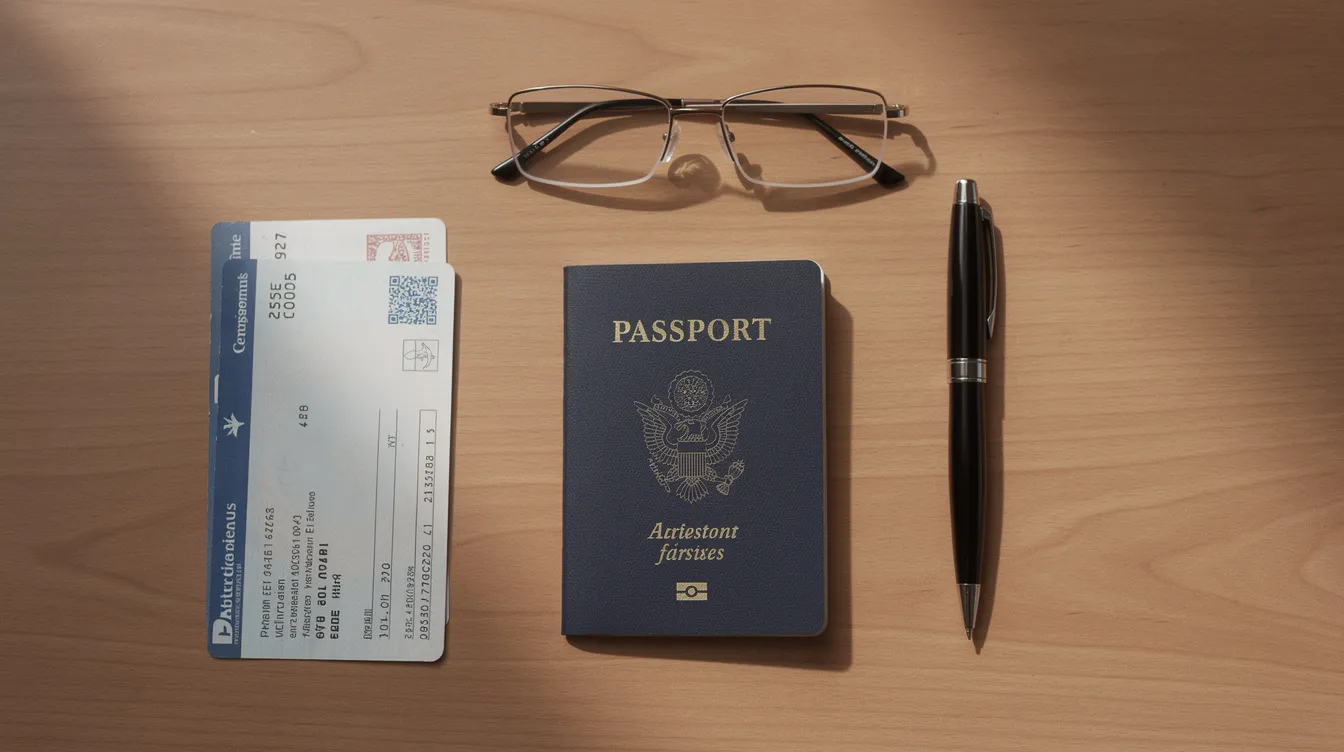
Essential supporting documents include a valid passport (at least 12 months beyond intended arrival date) and proof of financial means
Two passport-sized photographs meeting Irish standards
Police clearance certificates where applicable
Private health insurance certificate valid in Ireland
Documents not in English or Irish must be translated by certified translators, with translations attached to originals. Some records - degrees, birth or marriage certificates - may need legalisation or apostille before translation.
Step-by-Step Irish Study Visa Application Process
Follow the official online application pathway and then submit documents to the relevant Irish Embassy, consulate, or visa office.
Choose and secure your course. Pick a programme on the ILEP, secure an unconditional offer, pay required tuition deposits, and gather all academic and English language proof before starting the visa application.
Complete the online form. Students must complete the online AVATS application to apply for an Irish study visa. Select "Study" and "Long Stay D," fill in all fields accurately, print and sign the summary sheet, and pay the relevant visa fee. Visa fees range from 60 to 500 dollars depending on nationality and visa type. Unlike the U.S. student visa system, which requires a SEVIS I-901 fee, Ireland's process centres on the AVATS application and IRP registration fees.
Submit biometrics and documents. Book an appointment at VFS Global or your local embassy. You must provide biometrics for your visa application along with your physical document bundle. Submit ten required documents as outlined by the ISD checklist.
Track and wait. Monitor your visa application status online where available, respond promptly to any further document requests, and prepare to travel only after receiving a decision in writing.
Timing, Processing Times, and Common Delays
Visa processing typically takes eight weeks or longer. In practice, the visa application can take 4 to 12 weeks for processing depending on location and season. The Dublin Visa Office targets 45 days for study category applications.
The AVATS application should be submitted up to three months before the intended travel date. Apply for an Irish study visa at least eight weeks early to leave room for delays. From the moment you start gathering documents to the day you land, expect six to twelve months from application to arrival when accounting for course selection, document preparation, and processing.
Common causes of delay include:
Incomplete documentation or missing translations
Unclear financial evidence or unexplained large deposits
Background checks involving multiple other countries
High seasonal application volumes (July–September)
Avoid non-refundable bookings - flights, housing deposits - until you have a decision in writing.
What Happens After You Arrive in Ireland?
A Long Stay "D" visa allows entry to Ireland, but you must register for an Irish Residence Permit after arrival to obtain your IRP card and Stamp 2 permission.
Within 90 days of arrival, visit your local immigration office - the Burgh Quay Registration Office in Dublin or a regional Garda station elsewhere. Bring your passport, entry visa, enrollment letter, proof of address in Ireland, private health insurance details, proof of fee payment, and the registration fee. Registration for long stays costs 300 euros, payable by card.
Once granted, Stamp 2 permission allows you to attend your chosen course, work within set hour limits, and re-enter Ireland while your IRP is valid. Registration must be renewed annually. Missed renewals or poor attendance (language students must maintain at least 85% attendance) can jeopardize future visa permits and long-term immigration options.
Finding accommodation in major cities like Dublin can be competitive and expensive, so begin your housing search well before arrival rather than waiting until registration day.
Working, Internships, and Staying in Ireland After Graduation
Many international students in Ireland combine study with part-time employment, complete internships as part of their course, and use graduate schemes to stay temporarily after finishing.
Work rights while studying:
Students holding a Stamp 2 visa can work up to 20 hours per week during academic terms
Students can work up to 40 hours per week during designated holiday periods (1 June–30 September and 15 December–15 January), as set by Workplace Relations guidelines
Self-employment is not permitted under Stamp 2
Internships: Work placements must be an integral, assessed part of the course and must not exceed 50% of the study program duration. For example, a maximum of two years of placement on a four-year degree. Students need a letter from their employer and provider confirming the placement is assessed and contributes to ECTS credits.
After graduation: The Third Level Graduate Scheme offers a one-year stay back visa (Stamp 1G) for most undergraduate degree holders. Postgraduate students can extend their stay back visa to two years. During this period, graduates can work full-time without a separate work permit. Non-EU graduates can then apply for a Green Card Permit (Critical Skills Employment Permit) or a General Employment Permit to transition to long-term employment and eventually explore paths toward permanent residence.
Family Members, Dependants, and Long Stay Options
Irish immigration rules are strict when it comes to dependants of students. Students generally cannot bring family members under a standard student visa. Non-EU students cannot bring family members to Ireland on their student permission - each person must apply independently.
A spouse or children of a full-time student must apply under separate family or other immigration categories. Limited exceptions may exist for PhD candidates or government-sponsored students, but these require strong financial evidence and depend on the circumstances and policy at the time.
A student's long stay in Ireland over several years of study does not automatically create an entitlement to family reunification. Each family member's immigration pathway needs separate planning. If this matter is relevant to your situation, seek up-to-date official guidance or tailored legal advice from the relevant authorities, as family reunification thresholds for non-EEA nationals can be substantial.
Common Reasons for Irish Study Visa Refusals (and How to Avoid Them)
Ireland relies heavily on document checks rather than interviews, so most refusals stem from paperwork problems. Understanding the risk factors can help you prepare a stronger application.
Academic-logic problems:
Unclear connection between your academic background and chosen course
A study gap left unexplained in the application
"Visa hopping" through unrelated programmes across other countries, explaining a pattern of short courses without progression
Financial-credibility problems:
Insufficient funds below the €10,000 maintenance threshold
Sudden unexplained deposits in bank statements
Sponsor letters with no evidence of the sponsor's ability to pay both tuition fees and living costs
Immigration-credibility problems:
Inconsistent information across forms and documents
Previous visa refusals or overstays not disclosed
Weak evidence of intention to comply with Irish law and return home if required
Practical tips: Double-check that all names, dates, and amounts match across every document. Supply a clear cover letter explaining your study plan on behalf of your own application. Translate and legalise documents in the correct order. If a person reviewing your file sees contradictions, even minor ones, it raises questions.
What to Do if Your Irish Student Visa Is Refused
Refusals are communicated in writing, usually listing specific reasons under numbered headings. Read this letter carefully before reacting - it is your roadmap for a stronger reapplication.
Determine whether an internal review or appeal is allowed. Appeals typically must be filed within two months of the refusal date. Decide whether to appeal with additional evidence or to reapply with a stronger document set. When preparing a fresh application, address every refusal point: add clearer financial evidence, provide missing translations, or rewrite your study plan statement to better show academic logic.
Regarding money already paid, many Irish institutions refund tuition if a visa is refused but keep a non-refundable administrative or admission fee. Check your offer letter and refund policy before paying. If your application was refused due to complex immigration history or prior refusals in other countries, specialist legal advice may be worth the cost before you submit again.

FAQ about Irish Study Visas
Do I need an interview for an Irish student visa?
Ireland does not typically conduct in-person or virtual interviews for student visa applications. Decisions are based almost entirely on written documentation. In rare cases, the visa office may contact applicants by email to clarify a document, but this is not a formal interview. Focus your preparation on accurate, complete, and consistent documents rather than interview coaching services, which are usually unnecessary for Irish study visas.
How much money do I need to show for an Irish student visa?
Most applicants must demonstrate they have paid the full first-year tuition (or at least €6,000 where partial payment is accepted) plus at least €10,000 in living expenses for a full academic year. Proof should come from verifiable bank accounts, sponsor income, or scholarship awards. Immigration officers review account history, so last-minute lump-sum deposits without a clear explanation are a risk. Students planning multi-year degrees should also show how future tuition and living costs will be funded, even if they only need to evidence full funds for year one.
Can I change course or college after I arrive in Ireland?
Irish immigration permission is granted based on the specific course and institution named in the visa application. Switching programmes is restricted and may require approval or a fresh application. Minor changes - such as moving to a higher level in the same institution - are sometimes accepted, but moving from a degree to a lower-level or unrelated course may breach visa conditions. Contact your local immigration office before changing course or college to avoid invalidating your Stamp 2 permission.
Can I travel home and return to Ireland during my studies?
Once registered, students receive an IRP card which, along with their valid passport, allows re-entry to Ireland while their permission is valid. You must also meet any visa or transit requirements of countries you pass through when travelling. Carry proof of enrollment and term dates when re-entering Ireland, especially if travelling outside official vacation periods.
Does studying in Ireland help me get Irish citizenship?
Time spent on a student visa (Stamp 2) generally does not count in full towards the residence requirement for naturalisation, as it is considered a temporary, limited-rights status. Many graduates progress from Stamp 2 to Stamp 1G, then to employment permits and longer-term stamps, and only certain types of longer-term residence count fully toward becoming a citizen. Research the latest naturalisation rules separately if this is your long-term goal, as they involve specific residence periods, good-character requirements, and application fees under current Irish law.