
Irish Visa Decision: How to Track, Understand, and Respond to Your Ireland Visa Outcome
Key Takeaways
Most Ireland visa decisions for tourist visa and student visa categories currently take about 4 to 8 weeks from the date the complete visa application is received, though times vary by season and visa type.
You can track an Ireland visa application either through the Irish Immigration Service account or via VFS Global, depending on where and how you applied.
Once a visa decision is made, the status usually changes to "processed" at VFS Global and the passport is either ready for collection or dispatched by courier.
A refusal comes with a written refusal letter explaining reasons and, in many cases, the right to appeal within a fixed deadline (often 2 months) with no extra appeal fee.
Avoid non-refundable travel bookings until your Ireland visa decision is confirmed and your passport with visa sticker is physically in hand.
Introduction: What an Irish Visa Decision Really Means
An Irish visa decision is the formal outcome-approval or refusal-issued by the Irish Immigration Service or a related visa office on your Ireland visa application. There is an important difference between submitting your application and actually receiving the outcome. The decision can be a clear yes (approved) or no (refused), and understanding what happens at each stage matters more than endlessly refreshing a tracking page.
This article covers short-stay tourist visa (C visa), long-stay D visas (study, work, join family), and how their decisions are communicated. The information is based on official Irish Immigration Service practices current to late 2026 and may change over time. The Irish government assesses visa applications to balance national security with facilitating legitimate travel, and visa applications undergo case-by-case assessments by the Irish Immigration Service. There is no guarantee of visa approval even if all documents are submitted-but being prepared gives you the best chance.
The sections below cover processing time, tracking options, typical status messages, and exactly what to do after a decision, with no generic filler.
How Long Does an Irish Visa Decision Take? (Processing Time)
Processing time is the period between the visa office receiving a complete application and issuing a decision. This is not always the day you visited VFS Global or posted your papers-visa processing times start after application receipt, not submission at a collection centre.
Here are typical ranges based on recent data:
Visa Type | Typical Processing Time |
|---|---|
Short-stay tourist visa (C) | 4–6 weeks |
Student visa (D) | Several weeks (longer June–September) |
Work visa (D) | 4–8 weeks |
Join Family visa (D) | 6–12 months or longer |
Short-stay visas generally take 4 to 8 weeks to process once logged by the visa office. Tourist visa processing takes at least 4 to 6 weeks. Most student visas are processed within several weeks, though peak months (June through September and December through January) stretch timelines significantly. Join Family visas can take significantly longer, ranging from 6 to 12 months-and in some categories, the Dublin Visa Office is still deciding applications submitted in mid-2024.
Timelines for Irish visa processing vary based on visa type and office handling. Processing times also vary based on visa category and personal circumstances. The Irish government evaluates visa applications based on individual merit, meaning some cases take longer due to extra checks-financial verification, previous immigration history, security screening, or incomplete documentation. Delays can occur due to administrative reasons, not personal ones.
Apply at least 8–12 weeks before a time-sensitive trip or course start date. Count back from your intended travel date and plan accordingly.
Where Your Ireland Visa Application Is Processed
Ireland visa applications can be processed at the Dublin Visa Office or at regional visa offices and embassies, depending on your nationality and country of residence. For example, many applicants from India have their cases handled through the New Delhi Visa Office, while some join-family cases are decided centrally in Dublin.
Different visa categories-tourist visa, student visa, work visa, and join-family visa-may sit in separate processing queues with different average decision dates. You cannot normally choose which office decides your case. Allocation is based on jurisdiction and internal capacity.
If you lodged your application through a local embassy or consulate rather than directly to Dublin, direct status and decision questions to that local office via its contact form or helpdesk. Some complex long-stay or join-family visas may be decided centrally in Dublin even when submitted abroad. The instructions in your acknowledgment email usually clarify this.
How to Track Your Ireland Visa Application Status
Status tracking methods differ by submission route. Some applicants track via the Irish Immigration Service online account, others via VFS Global, and some receive only email updates from the visa office. You can track your Ireland visa application online regardless of which method applies.
Tracking shows administrative stages-received, under process, processed-but not the actual yes/no decision text until the passport or formal letter is issued. Email notifications are sent when your application is processed. Keep your reference number, date of birth, and login credentials safe. These details are essential for checking status.
Status systems may update in batches, so a delay of a few days between a decision being made and the online status changing is normal. Check spam and junk folders for official messages about your visa decision while you monitor the online status.
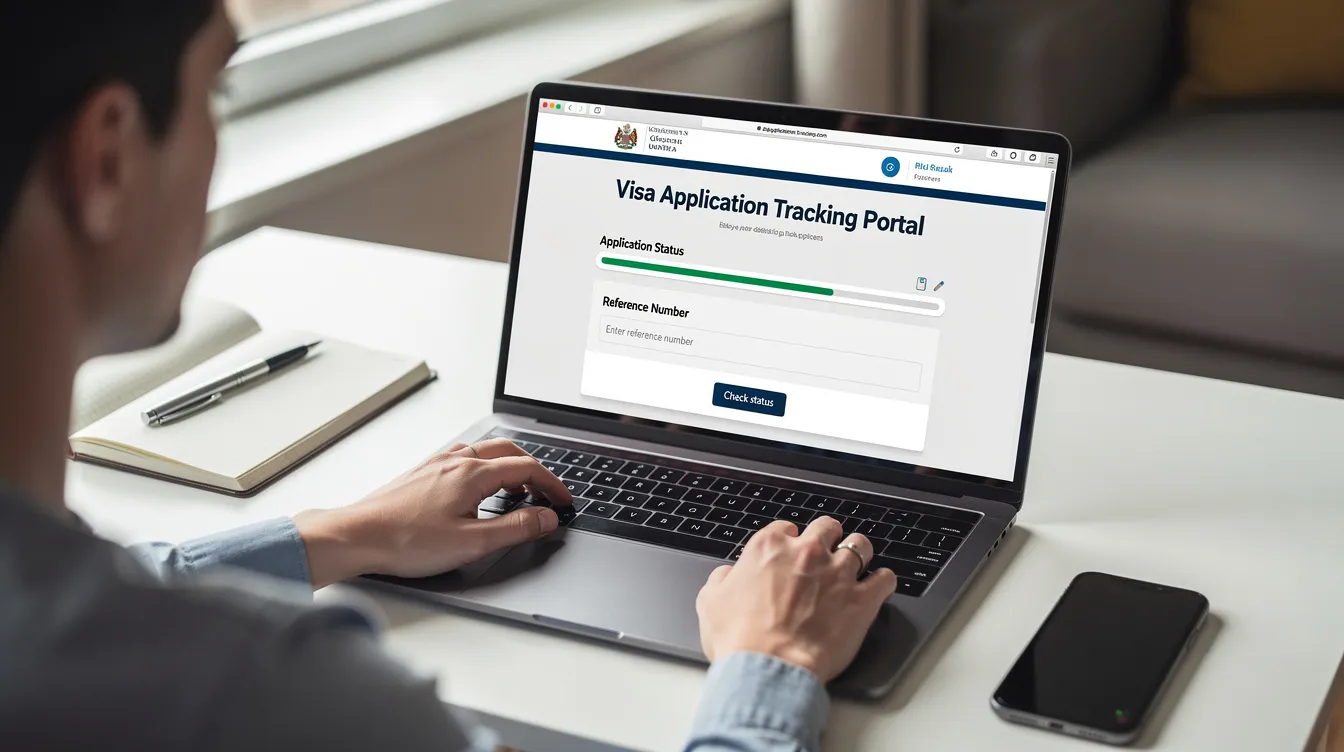
Tracking via the Irish Immigration Service Online Account
If you created an online Ireland visa application on the Irish Immigration Service website, log in to the same account to view status updates. You can check your application progress through the Irish Immigration Service portal.
The Status or Applications area typically shows labels such as "submitted," "processing," or "finalised/closed," and may include the decision date. The system may not display full refusal reasons-those are usually in a separate PDF or email letter attached when the decision is finalised.
Check the account at reasonable intervals (once or twice a week) rather than multiple times per day to reduce stress and unnecessary load on the system. Once status shows as finalised, the physical passport return or visa affixing step still has to be completed if you applied via a visa application centre.
Tracking via VFS Global
Most applicants who submit biometrics and documents at a VFS Global visa application centre need to track via the VFS Global website for their country.
Here are the typical steps:
Select your country of residence on the VFS Global site.
Choose Ireland as the destination.
Click "Track Your Application."
Enter your application reference number and last name or date of birth, plus the captcha.
Common status messages include "Application received at VAC," "Under process at Embassy/Consulate," "Processed application returned to VAC," and "Ready for collection / in transit via courier."
"Processed application returned to VAC" usually means the visa decision (approval or refusal) is complete and the passport is on its way back. Some applicants may also receive optional SMS or email updates from VFS Global if they paid for that add-on when submitting their visa application.
Understanding Common Ireland Visa Status Messages
Visa status terminology can be confusing. Most messages fall into a few predictable stages from receipt to final decision. Common status messages include "application received" and "under process." Wording may differ slightly between the Irish Immigration Service portal and VFS Global, but the underlying meaning is similar: received, under review, decided, dispatched.
None of the intermediate statuses (such as "under process") indicate whether the final visa decision will be positive or negative. Keep screenshots or notes of key status changes to help with any later queries or appeals. A prolonged stay in the same status beyond the average processing time may justify a polite follow-up with the relevant visa office.
Typical Statuses and What They Mean
Status Message | What It Means |
|---|---|
Application received at VAC / Application received | VFS Global or the visa office has your documents and will forward or log them for assessment. |
Under process at Embassy/Consulate / Processing | Immigration officers are assessing eligibility, verifying documents, and working toward the visa decision. |
Pending additional documents / Awaiting information | The officer needs more evidence. Failure to respond fully and quickly can lead to refusal. |
Processed application returned to VAC / Decision made | The case is finalised. Passport and decision letter are being returned for collection or courier delivery. |
Finalised / Closed | The official decision is complete. Check attached letters or physical documents for the exact outcome. |
What Happens When Your Irish Visa Is Approved
An approval means the visa office has agreed to issue an Ireland visa and will affix a visa sticker to your passport, depending on your category. VFS Global or the embassy usually sends an SMS or email once the passport with visa is ready for collection or has been dispatched via courier.
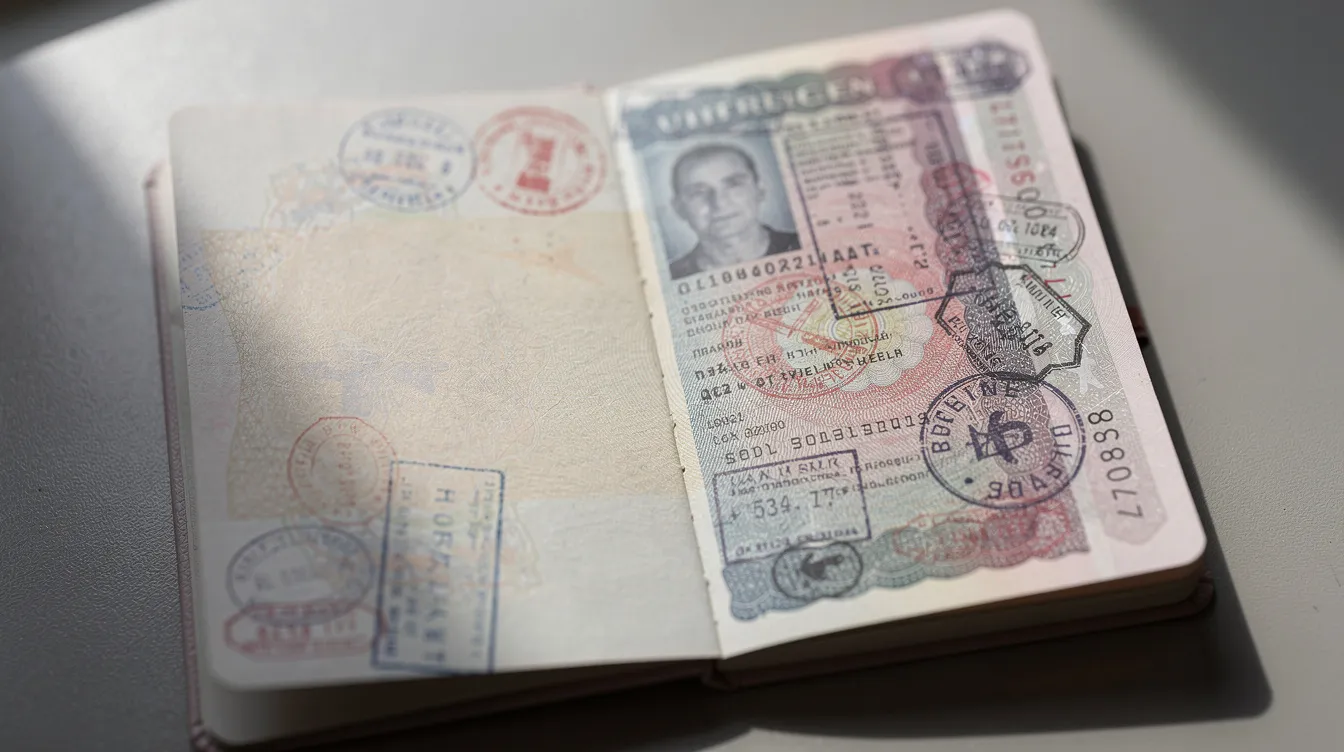
When you receive your passport, carefully check the visa vignette:
Name spelling
Passport number
Visa type (tourist visa C, study D, work D, etc.)
Number of entries
Validity dates
If any obvious error is found-wrong visa type, incorrect date shorter than your course start-contact the visa office or VAC immediately before travelling. Visa approval does not absolutely guarantee entry. The Border Management Unit at the Irish port of entry still has authority to ask questions and inspect supporting documents.
Receiving Your Passport After a Positive Decision
You usually either collect your passport directly from the VFS Global visa application centre during opening hours or receive it through a prepaid courier service you chose at submission. Some applicants may be asked to send in their passports after an online approval if the initial application was paper-only. Follow the instructions in the email or online account strictly.
Keep copies of your Ireland visa application form, approval email, and supporting documents with you when travelling. Border officers may request to see them.
Do not book irreversible travel or accommodation until the passport with visa is physically in hand and all details are confirmed correct.
Students and long-stay visa holders should also prepare for next steps: residence permission, IRP card registration, and health insurance based on the approved visa type.
What It Means If Your Irish Visa Is Refused
A visa refusal does not necessarily mean a lifetime ban. It is a specific decision on a particular visa application based on the documents and information provided at that time. Refusals are always issued in writing, either as a refusal letter in the returned passport or as a PDF attachment or email from the visa office.
Visa officers check the genuineness of the reason for travel against supporting documents. Visa applications focus on the applicant's purpose of travel. Visa officers may consider past immigration history and criminal records. Past immigration and criminal records are considered in visa evaluations. Previous visa overstays can result in application rejection. False or misleading information can result in refusal and a travel ban.
Common refusal reasons include:
Insufficient funds (applicants must prove financial self-sufficiency during their stay)
Unclear travel purpose
Weak ties to home country (strong ties to the home country are required for a visa application, indicating intent to return after visiting Ireland)
Incomplete application details or missing and invalid supporting documents
Previous immigration violations or doubts about future compliance
To put the scale in perspective: 25,233 total visa applications were refused in Ireland across recent reporting periods, and 85 visa applications were refused recently in one batch alone. Submitting accurate and truthful documentation is crucial for visa approval.
Stay calm after a refusal. Avoid immediate emotional responses and instead focus on understanding each stated refusal reason before taking your next step.
Appealing an Irish Visa Decision
Many Irish visa refusal decisions allow one free appeal, usually within 2 months from the date on the refusal letter. Use the exact date printed there. Appeals must normally be in writing, address each stated refusal reason in detail, and provide new or corrected documents rather than simply repeating the original application.
Only one appeal is generally allowed per visa application. Once that appeal is decided, there is no second appeal route for the same submission.
A critical recent change: as of 1 June 2026, ordinary short-stay visa refusals are no longer appealable, with a narrow exception for those under the EU Free Movement Directive (such as spouses of EU/EEA citizens). This makes getting your initial application right even more important. There are no additional fees for filing appeals where they remain available.
Appeal processing time can be as long or longer than the original processing time, so urgent travel plans may need to be adjusted. For complex cases-join-family, previous refusals, or immigration history concerns-professional legal advice can help structure a stronger appeal.
Urgent Travel and Emergency Irish Visa Decisions
Irish visa offices and the Dublin Visa Office usually process applications in strict date order and do not offer routine premium or "fast track" lanes for standard tourist visa or student visa cases.
Genuine emergencies-a close family member's life-threatening illness, funeral, or critical medical treatment-may be considered for expedited handling on a discretionary basis. In such cases, provide strong documentary proof (hospital letters, death certificates, medical reports) and raise the request through the Customer Service or visa contact portal.
Non-refundable holidays, conferences, or optional events are normally not accepted as grounds for accelerating a visa decision. Even in emergencies, the applicant must still meet Ireland visa requirements and provide full supporting documentation.
How to Minimize Delays Before Your Visa Decision
Here is a practical checklist to reduce the chance of delays:
Read the official Ireland visa checklist for your specific visa type and submit every required document in the requested format the first time.
Organise papers clearly: certified translations where needed, properly labelled bank statements, employer letters on headed paper, and consistent dates across forms and bookings.
Applicants must demonstrate financial resources for accommodation and living expenses without public funds.
Passport validity must exceed the intended stay by 3 months.
Evidence of strong ties to the home country indicates intent to return after visiting Ireland.
Inconsistencies-different employment dates on forms and letters, unexplained large bank deposits, or incomplete travel histories-are common triggers for extra queries and longer processing. Use a cover letter summarising your purpose of travel, itinerary, ties to your home country, and a list of enclosed documents to make the officer's assessment easier.
If the visa office requests additional information, respond quickly and completely, clearly referencing your visa reference number in all communications.
Planning Your Next Steps After the Visa Decision
If your visa is approved, focus on safe, practical planning: finalising flights, booking flexible accommodation, and confirming travel insurance that covers the full period of stay in Ireland. For long-stay visas, the visa decision is only the first step. Holders often must register with immigration in Ireland for an Irish Residence Permit within a set timeframe after arrival.
If refused, you have two main paths: appealing within the permitted timeframe or preparing a fresh Ireland visa application that addresses all refusal points with corrected documents and stronger evidence.
Keep copies of every decision letter, appeal submission, and updated application. Past Irish visa decisions can affect future applications if not disclosed honestly. A well-understood decision-positive or negative-allows you to make informed plans rather than acting on rumours or incomplete information. Focus your energy on preparation, not speculation.
FAQ: Irish Visa Decisions
Can I change my travel dates after my Irish tourist visa is approved?
The visa sticker shows validity dates and allowed stay. You can usually change your travel dates within that validity window without needing a new visa. If your new plans fall outside the visa validity, you would need to apply again-visas are not normally "re-dated" once issued. Always check airline change rules and ensure that accommodation and insurance still align with the visa period.
Does checking my visa status frequently speed up the decision?
Refreshing status pages or logging in from every device multiple times a day does not influence processing speed or priority. Check no more than once every few days unless the visa office has asked for documents or you expect imminent passport dispatch. Spend that time on preparation instead of constant status monitoring.
Will a previous Irish visa refusal affect my future applications?
Previous refusals must always be declared honestly on future Ireland visa applications. Non-disclosure can seriously harm credibility. However, a well-addressed previous refusal-with stronger evidence and clear explanations-does not automatically block future approvals. Attach a brief, factual cover note in later applications explaining how previous refusal reasons have been resolved.
Can I ask the visa office to explain my refusal in more detail?
Refusal letters already list reasons, often using standard codes and brief explanations. Officers are not usually obliged to provide a second, longer explanation. Read each refusal reason carefully and, if unclear, seek guidance from reputable sources or professional advisers rather than expecting the visa office to rewrite the letter. Any appeal should respond directly to the text of the refusal reasons, not to assumptions.
Is there a way to know the exact day my Ireland visa decision will be made?
Some visa offices publish the date of applications they are currently assessing, but they do not provide guaranteed decision dates for individual applicants. Decision timing depends on workload, case complexity, and security checks, which are not visible to applicants. Use published average processing times and public updates only as a guide, not as a fixed promise, when planning travel.