
Multiple Entry Visa Ireland: Complete Guide for 2026
If you need to visit Ireland more than once within a set period, applying for a multiple entry visa Ireland saves you from repeating the entire visa process each time. This guide walks you through eligibility, the application process, fees, and what actually happens when you arrive at the border - so you can plan your trips with confidence.
Key Takeaways
A multiple entry visa allows you to enter and exit Ireland several times within the visa's validity dates, but every arrival is still subject to immigration control at the border.
Since 2023, five-year multi entry visa options for short stays are available to nationals of all visa-required countries, subject to eligibility and Immigration Service Delivery policy.
A visa - single or multi-entry - is only an entry visa and travel document. It does not guarantee admission or determine how long you can stay. That is decided by the immigration officer's landing stamp.
Strong eligibility patterns include good previous Irish or UK/Schengen/US/Canada/Australia/New Zealand travel history, regular business or family trips, or clear justification for frequent short stays.
The visa application process involves the AVATS online form, paying the fee, assembling supporting documentation, postal submission to the relevant embassy or visa office, and satisfying border control on arrival.
Overview: What Is a Multiple Entry Visa for Ireland?
An Irish multiple entry visa is a short stay "C" visa label placed in your passport or travel document, marked "Multi" under the "Number of entries" field. It lets you leave and re-enter Ireland multiple times during the validity dates printed on the sticker. Multi-entry visas allow multiple entries into Ireland during their validity. By contrast, a single-entry visa permits only one arrival into Ireland - once you depart, that visa is spent.
Each individual stay under a short-stay version cannot exceed 90 days. The visa itself does not grant Schengen, UK, or broader EU travel rights. It is valid for Ireland only, and having a multiple-entry visa does not guarantee admission into Ireland. That decision rests with the immigration officer at the border each time you arrive.
Who Needs an Irish Visa and When Does Multi-Entry Make Sense?
Not everyone needs an Irish visa. Whether you are a visa required national depends entirely on your nationality. The official Immigration Service Delivery Travel Path tool is the primary way to check before travelling to Ireland.
Citizens of the USA, Canada, Australia, and many Latin American countries can enter Ireland without a visa and receive permission directly at immigration control. Nationals from many African, Asian, and Middle Eastern states are typically visa required - but always verify on the Irish Immigration Service website, as lists change.
A multi entry visa makes sense when you need to:
Attend frequent business meetings in Ireland over months or years
Make repeated short stay family visits to a family member living in Ireland
Undergo medical treatment requiring several trips
Travel in and out before completing Irish Residence Permit registration as a student
Multiple-entry visas are typically issued to those needing regular short visits. For a one-off holiday or conference, a standard single-entry short stay "C" visa is usually sufficient and cheaper.
Single vs Multiple Entry: Key Differences on an Irish Visa
The practical difference comes down to one field on your visa sticker. A single-entry visa shows "1" under Number of entries, while a multi entry visa shows "Multi." Border control officers rely on this distinction every time you present your passport.
Feature | Single Entry | Multiple Entry |
|---|---|---|
Entries permitted | One | Unlimited during validity |
After leaving Ireland | Visa becomes invalid | Visa remains valid for re-entry |
Typical fee | €60 | €100 |
Best for | One-off trips | Frequent travellers |
A single-entry visa becomes invalid as soon as you leave Ireland, meaning you would need a fresh visa application to return. A multi-entry visa is more expensive than a single-entry visa, but it eliminates the need to reapply for each trip.
Neither type guarantees entry. An immigration officer can refuse admission if you cannot satisfy conditions at the border - proof of funds, accommodation, return plans, or compliance with previous visit conditions. The typical fee for a multiple-entry short-stay visa is €100 according to ISD.
Eligibility for Multiple Entry Irish Visas (Including Five-Year Options)
Immigration Service Delivery assesses multi entry visa requests on a case-by-case basis. There is no automatic right to one, but clear policy guidelines shape decisions.
Ireland offers one, two, three, and five-year multi-entry visas. Since April 2022, five-year multi-entry short stay visas have been extended to all visa-required countries, subject to eligibility. Previously, this option was largely limited to Chinese passport holders.
Multi-entry visas require a compliant Irish travel history for approval. The common pattern is that the applicant has complied fully with conditions on at least two previous Irish short stay visas, with no overstays. Frequent travelers to the UK or Schengen zone can also apply for multi-entry visas - positive travel history with the USA, Canada, Australia, or New Zealand strengthens a first-time request too.
Strong reasons for repeated travel matter. Ongoing business ties, regular visits to join family in Ireland, or scheduled medical treatments all support a multi entry decision. Some business travellers without prior Irish travel have been granted multi-entry visas where invitation letters and supporting documents clearly showed a pattern of future short visits.
Note that the visa officer may decide to grant a shorter validity - for example, one year - even when a five-year multi-entry was requested. Manage expectations accordingly.
Validity Periods, Short Stay Rules, and Immigration Control
The "From…Until" dates on your Irish visa show the window during which you may present at the border. They do not indicate how long you can stay per visit.
Short-stay C visas are for visits of up to 90 days. Even with a five-year multi entry visa, this 90-day cap applies to each individual stay. At immigration control, an officer checks your visa, passport, and required documents, then places a landing stamp in your passport with the date of entry, purpose of stay, and the last date you are permitted to remain.
You must leave Ireland by the date on your landing stamp, regardless of whether your multi-entry visa is still valid. Overstaying will seriously harm future applications. Repeated back-to-back visits designed to live in Ireland rather than make genuine short stays will raise concerns at the border.
How to Apply for a Multiple Entry Irish Visa
The process for a multi-entry visa follows the same steps as any Irish visa application, with the addition of requesting "multi" on your form and explaining why in your cover letter.
Step-by-step process:
Complete the online visa application on AVATS, selecting short stay "C" or long stay "D" as appropriate, and indicating preference for multiple entries.
Print and sign the summary sheet.
Pay the visa fee and keep the receipt.
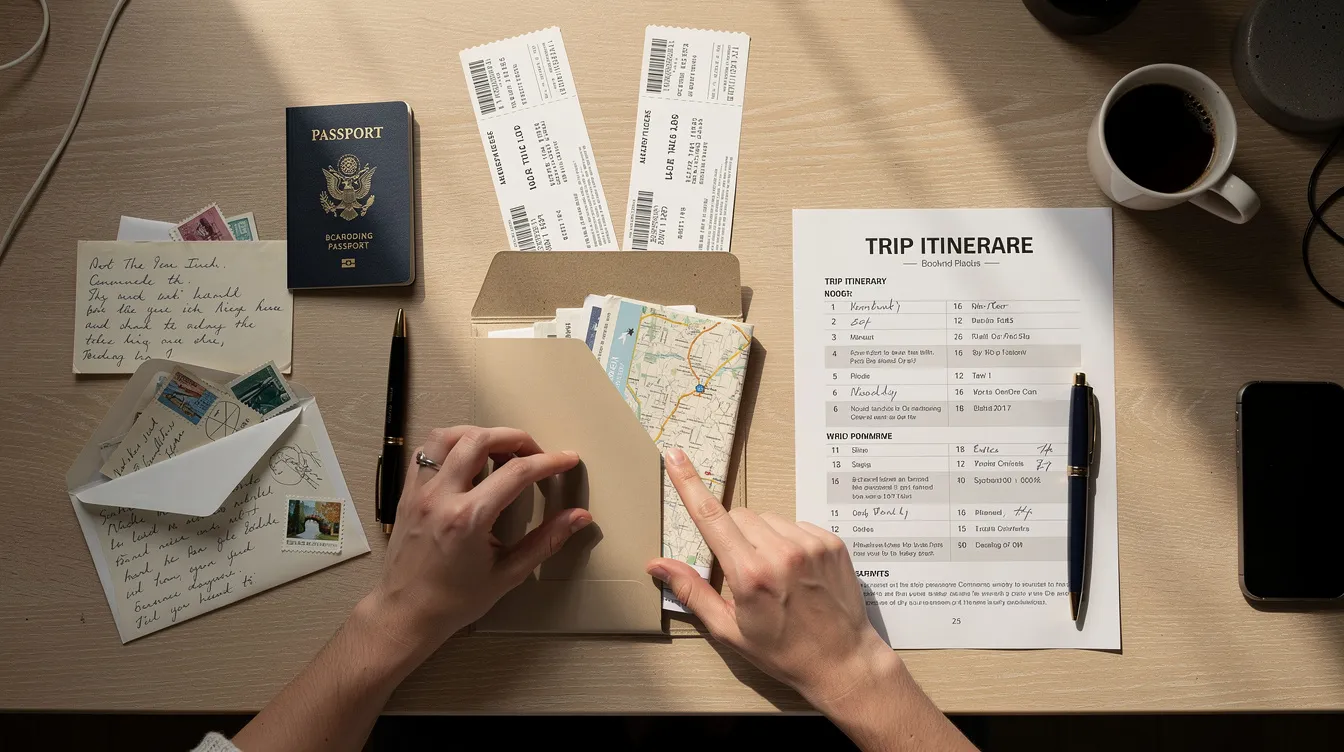
Gather required documents: valid passport with at least six months remaining, photographs meeting Irish standards, trip itinerary, bank statements, travel insurance, proof of accommodation, and evidence of ties to your home country.
Submit your complete file to the designated Irish embassy, consulate, or visa office as instructed on the summary form.
In the cover letter, clearly explain your need - for example, "I have three business trips scheduled to Dublin in 2026" or "I visit my family member in Ireland several times a year."
All documentation must be in English or accompanied by certified translation. Forged or misleading paperwork will lead to refusal and potentially a five-year application ban. Visa processing times can take upwards of 8 weeks, so apply well in advance. Official details for visa applications can be reviewed on the Immigration Service Delivery portal. Avoid booking non-refundable travel until a decision is issued.
Visas that allow repeated returns generally require documented reasons for travel - a vague cover letter will not help your case.
Supporting Documentation to Strengthen a Multi-Entry Request
While the Irish Immigration Service publishes standard document checklists, applicants seeking a multi entry visa should provide extra evidence showing legitimate, frequent travel needs and good compliance.
Business travellers: Detailed letters from Irish and overseas companies, projected meeting dates, evidence of employment and salary, and prior travel history.
Family visitors: Invitation letter from the host in Ireland, proof of relationship (marriage or birth certificates), evidence of the host's legal residence, and records of previous compliant visits.
Medical treatment: Letters from Irish clinics indicating repeat visits, proposed schedule, and proof of ability to cover both medical and living costs.
Home country ties: Employment contracts, proof of ongoing studies, property documents, family responsibilities, and bank statements showing regular income.
If you hold an expired or lost Irish Residence Permit and need to return, you may need to obtain a fresh entry visa matching your residence permission. Strong supporting documents speed this process up.
Border Control: Entering Ireland on a Multiple Entry Visa
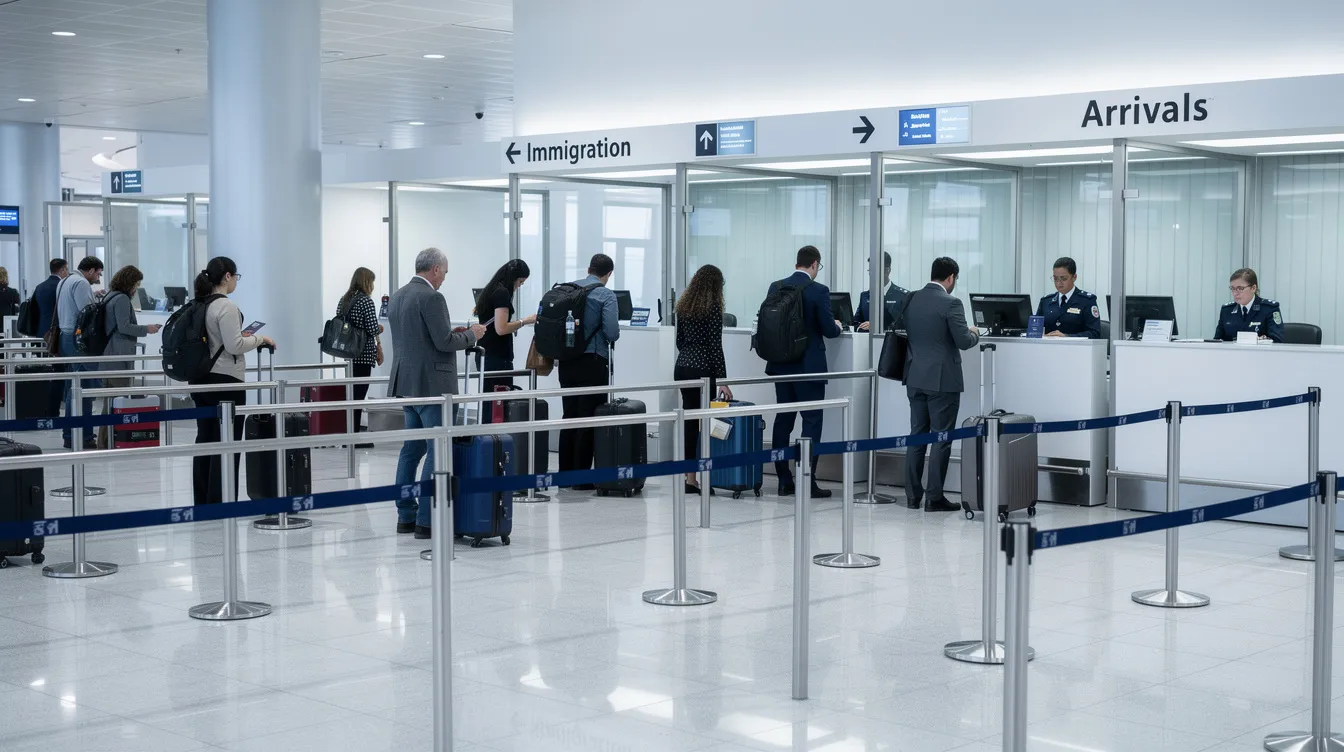
Holding a multi entry visa does not remove the need to satisfy border control every time you arrive. At the port of entry, have ready your passport with valid visa, return or onward ticket, accommodation confirmation, evidence of funds, and any letter matching your visa purpose.
The immigration officer may ask about your purpose of visit, length of stay, previous visits, employment at home, and how you will support yourself. Non-visa required travellers - like US or Canadian citizens - undergo similar checks even without an Irish visa label.
The officer will decide your permission and stamp your passport accordingly. This landing stamp, not the visa, sets the final date you must leave. Failing to respect previous landing stamps - overstaying or working illegally on a short stay - will seriously damage your chances of receiving or keeping a multi entry visa.
Frequently Asked Questions
Can I upgrade a single-entry Irish visa to a multiple-entry visa after it has been issued?
Irish visa offices generally do not convert an issued single-entry visa into a multi entry visa. You would need to submit a new visa application. The best approach is to request permission for multiple entries at the initial application stage with clear supporting documentation. In very limited cases involving issuing errors, an embassy or visa office might correct the visa, but this is exceptional.
Does a multiple-entry Irish visa let me stay for five years continuously?
No. Even a five-year multi entry visa does not allow continuous residence. Short-stay C visas are for visits of up to 90 days per stay, as indicated in the landing stamp at immigration control. People seeking long-term residence for work or study should look at long-stay D visas, which are for stays over 90 days, and the relevant residence permit pathway.
Can I travel to Northern Ireland or Schengen countries using an Irish multiple-entry visa?
An Irish visa is valid for Ireland only. It does not grant entry to the United Kingdom, Northern Ireland, or any Schengen state. Any previous UK visa waiver programme linked to Irish visas remains suspended. Check directly with UK or Schengen consulates for further information on whether you need separate visas for those territories.
Will I definitely get a five-year multi-entry visa if I ask for it?
There is no automatic entitlement. The visa officer can decide to grant a shorter multi entry visa - for example, one or three years - or issue only a single-entry visa based on the evidence and your level of past compliance. Applicants eligible for the five-year option should still expect that the officer may grant a shorter validity. Focus on proving genuine purpose and strong ties to your home country.
What happens if my passport expires before my multi-entry visa end date?
An Irish visa cannot usually be transferred to a new passport. You must carry both the old passport containing the valid visa and the new travel document when travelling. Renew your passport well before expiry and check Immigration Service Delivery or your relevant embassy for guidance. When applying, ensure your passport is valid for at least as long as the requested visa period to avoid complications - particularly for applicants on the level graduate scheme or other extended programmes.