
Republic of Ireland Immigration: Visas, Registration and Recent Changes
Ireland attracts workers, students, families, and protection seekers from across the world. Whether you are planning your first move or renewing an existing permission, understanding how the immigration process works in the Republic is essential. This guide covers the current system, recent changes, and practical steps you need to take.
Key Takeaways
The Immigration Service Delivery (ISD) oversees immigration permissions and employment permits in Ireland, operating under the Department of Justice. Immigration registrations transferred from the Garda National Immigration Bureau to ISD on January 13, 2025.
A visa allows travel to Ireland but does not grant residency. Non-EEA nationals staying more than 90 days must register for an Irish Residence Permit (IRP) and pay a registration fee of approximately €300.
Irish visas are categorized into short-stay "C" (up to 90 days) and long-stay "D" visas. EU, EEA, and Swiss citizens do not require an entry visa or employment permit.
Recent changes include new visa requirements for citizens of Trinidad and Tobago, Eswatini, Lesotho, and Nauru, plus special schemes like Temporary Protection for Ukrainian nationals.
IRP registration appointments must be requested online starting 2025, and renewals for many counties are now handled through ISD's digital portal.
Overview of the Republic of Ireland Immigration System
The republic of Ireland immigration system operates in three stages: obtaining a visa or pre-entry permission (where required), receiving an immigration stamp at the border, and registering ongoing permission to remain inside the Irish state.
The main authorities are the Department of Justice, Immigration Service Delivery (which handles registrations, visa processing, and permits), and border control officers who grant or refuse entry at airports and seaports. A visa does not guarantee entry into Ireland - border officials have final authority over who may land.
Citizens of the European Economic Area, EU member states, and Switzerland generally enjoy free movement and do not need visas or residence permits. Non-EEA nationals from other countries face a different process: they may need visas, must obtain permission to remain, and then register for an IRP.
Key terms to note:
C visa - short stay, up to 90 days (tourism, business, family visit)
D visa - long stay for work, study, or family
Permission to remain - legal status confirming the right to stay
Immigration stamps - Stamp 1, 2, 3, 4 etc., each defining permitted activities
IRP - credit-card-sized residence card for registered non-EEA nationals
Northern Ireland follows UK immigration law. Although Ireland and the UK share the Common Travel Area, visa and residence rules are not unified, so you must check both jurisdictions if planning to cross that border.
Main Immigration Routes to the Republic of Ireland
Reasons for migration to Ireland typically fall into work, study, family, protection, or long-term residence. Each route carries its own criteria and immigration stamp.
Work routes include the General Employment Permit, which covers most occupations not restricted in Ireland, the Critical Skills Employment Permit (which facilitates fast-tracked permanent residency for high-demand skills), and Intra-Company Transfer Permits. Employment permits require a job offer before traveling to Ireland. Dependent family members may join Critical Skills Employment Permit holders more easily than General Employment Permit holders.
Study routes grant Stamp 2 permission for full-time higher education students, allowing limited work (20 hours per week during term, 40 during holidays). Language programmes typically receive Stamp 2A. Graduates may apply for Stamp 1G to seek employment for up to 12 months.
Family-based immigration allows spouses, partners, and children to join sponsors in Ireland. Family reunification rules depend heavily on the sponsor's immigration status and can include spouses, children, and other dependents. Documentary proof of the relationship is essential.
Protection includes international protection (refugee status, subsidiary protection) and Temporary Protection. Ukrainian nationals can apply under the EU Temporary Protection Directive, which grants immediate access to work and support.
After several years of lawful residence, migrants may qualify for long-term residency or citizenship. Long-term residency is available after 60 months of qualifying legal residence with employment permits. Irish citizenship requires five years of reckonable residence, including one year of continuous residence before application.
Visas for the Republic of Ireland: Short Stay and Long Stay
The immigration and visa framework for Ireland is based on nationality. The Minister for Justice periodically updates the list of visa-required nations, so always check the current position before planning travel.
Short-stay C visas cover tourism, family visits, business meetings, conferences, and medical treatment for up to 90 days. Tourist visas do not typically allow for employment in Ireland. Visa applications for Ireland require preparation three months prior to travel to allow adequate processing time. There is no right of appeal for visit visa applications - if refused, you may reapply with stronger evidence.
Long-stay D visas are required for stays exceeding 90 days, covering work, study, and family purposes. An Irish visa allows travel but not residency in Ireland; you must still register and obtain permission to remain after arrival.
Recent changes: from 10 March 2025, citizens of Eswatini, Lesotho, and Nauru require a visa for Ireland. Trinidad and Tobago citizens need a visa since May 12, 2025. Transitional arrangements applied for those who booked travel before announcement dates.
A visa refusal concerns only travel permission. The separate decision on whether you may reside in the country is taken at or after entry.
Non-EEA Nationals, Registration and the Irish Residence Permit (IRP)
Non-EEA nationals aged 16 or over who intend to reside in Ireland for more than 90 days must register their immigration permission and obtain an IRP card. The IRP is required for non-EEA individuals staying over 90 days - there are no exceptions to this rule unless you hold EU/EEA or Swiss citizenship.
The IRP is a credit-card-sized plastic card containing your name, registration number, stamp type, expiry date, and biometric data. It is not an international travel document.
Registration for non-EEA nationals must occur within 90 days of arrival. Failing to register, or overstaying permission, can result in loss of lawful immigration status, fines, or deportation. You must register for an IRP within three months of arrival.
Typical steps:
Obtain your visa or pre-clearance
Enter Ireland and receive a landing stamp
Book a registration appointment online via the ISD Customer Portal
Attend biometrics and present supporting documents
Pay the registration fee - approximately €300 (paid by card; cash not accepted)
Receive the IRP by post
Processing time for IRP cards is typically 10 to 15 working days. Categories exempt from the fee include certain minors, refugees, spouses of Irish citizens, and some EU family members - evidence of exemption must be shown at registration.
An IRP card must be carried at all times by holders and presented to ISD officers, Gardaí, or other authorities on request.
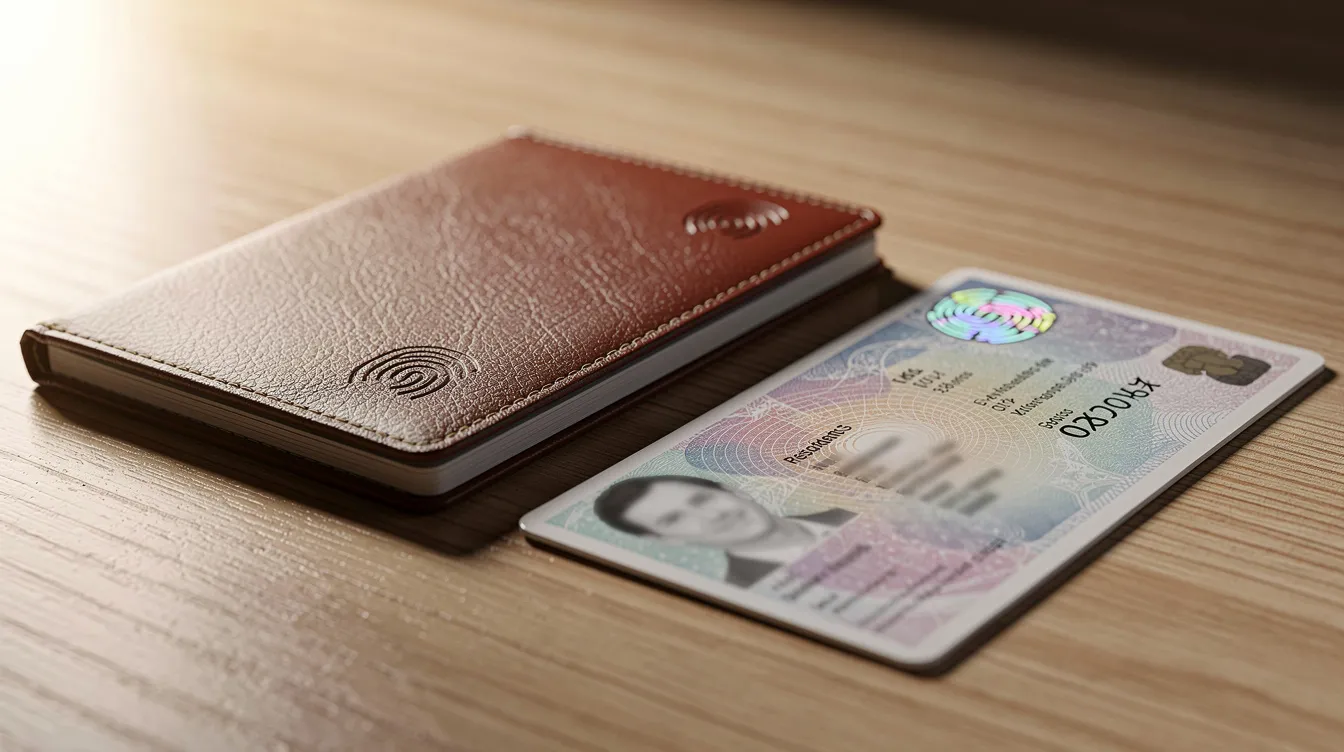
Immigration Service Delivery and the Garda National Immigration Bureau
Immigration administration has undergone a major restructure. The Garda National Immigration Bureau historically managed in-person registrations and issued GNIB cards, but this responsibility has fully shifted.
From 13 January 2025, immigration registrations transferred to Immigration Service Delivery, centralising the process under the Department of Justice. IRP registration appointments must be requested online starting 2025, and renewals are increasingly handled through ISD's Registration Office at Burgh Quay in Dublin, with designated offices for counties such as Cork and Limerick.
GNIB cards have been fully replaced by the IRP card system managed by ISD. Cards are now delivered by An Post Express directly to your home address rather than collected at Garda stations.
ISD regularly publishes guidance about online portals, postal renewals, and temporary travel arrangements. Non-EEA nationals should keep copies of emails or notice confirmations from ISD, as these serve as reliable proof of ongoing permission during system transitions. Expect updates frequently - always follow the most recent guidance rather than relying on outdated local practices.
The Immigration Process: From Application to Permission to Remain
The immigration process in Ireland typically follows three stages: pre-entry application, entry to the State, and post-entry registration or renewal.
Pre-entry: Choose the correct route, prepare supporting documents (identity, finances, accommodation, purpose of stay), and submit applications through designated online systems or embassies. Planning and consultation with an immigration advisor can save significant time.
At the border: Immigration officers can grant or refuse leave to land, place a stamp in your passport, and specify the duration and conditions of stay. Even with a valid visa, entry is subject to border officer discretion.
Post-entry for long-stay non-EEA nationals: Book your registration appointment within 90 days, attend biometric collection, pay fees, and receive your IRP showing the relevant stamp (Stamp 1 for employment, Stamp 2 for students, Stamp 3 for dependants, Stamp 4 for broader residence rights).
You can apply for IRP renewal up to 12 weeks before expiry. Renewals should be submitted before your current permission expires. Confirmation emails or acknowledgement letters can temporarily prove ongoing status while new IRP cards are printed. Processing time for renewals is usually 10 to 15 working days plus postal delivery.
Regularly check ISD's official website for processing time updates, holiday travel notices, and any special arrangements during delays or backlogs.
Recent Policy Updates and Special Arrangements
Irish immigration policy is dynamic. Frequent updates to visa requirements, temporary protections, and online processes directly impact migrants and visitors.
The Temporary Protection Transition Scheme (TPTS) helps beneficiaries of the EU Temporary Protection Directive in Ireland plan their future, including options to remain under alternative immigration categories. Applications open from 30 September 2026 via an online portal.
Study-related bridging permissions have been granted for English language students who have accepted places on higher education programmes. Stamp 2 bridging permissions are equally available for those completing second or third language courses before transitioning to degree programmes.
Key travel notices have addressed gaps: for example, a Christmas Travel Confirmation Notice allowed certain non-EEA nationals with expired IRP cards to travel between 2 December 2024 and 31 January 2025, provided they had submitted renewal applications and carried relevant proof.
The broader shift to online renewals expanded from late 2024. ISD Registration Office notices dated 3 October 2024 addressed residents of Dublin, Wicklow, Kildare, Meath, Cork, and other counties, directing them to complete renewals remotely.
Compliance, Refusals, and Appeals
Maintaining lawful immigration status in Ireland requires strict compliance. Conditions tied to your stamp and IRP may include employment limits, study attendance requirements, and the obligation to report address changes.
Non-compliance can carry serious implications: curtailment of permission, refusal of future applications, fines, imprisonment for certain offences, or deportation orders under Irish immigration law.
Most short-stay C visa refusals have no statutory right of appeal. This makes it essential to prepare a comprehensive first application with complete documents and strong evidence. You can often reapply if circumstances change.
Visa refusal is distinct from a refusal of permission to remain. Some residence-related decisions - for example in protection or long-term residence cases - may have specific appeal routes or review mechanisms. Obtaining professional immigration advice with relevant expertise is strongly recommended when facing complex refusals or deportation proposals, as deadlines for representations can be short.
Good record-keeping practices make a real difference in a nation with a complex immigration framework. Keep copies of all application forms, receipts for IRP fees paid, decision letters, and correspondence with ISD or embassies. Contact ISD by phone or through the online portal if you have not received expected documents within published timelines.

FAQ: Republic of Ireland Immigration
Do I need a separate visa for the Republic of Ireland and the United Kingdom?
Yes. Ireland is not part of the Schengen Area and operates its own visa system, entirely separate from the UK's. A UK visa does not allow entry to the Republic, and an Irish visa does not permit entry to the UK. Limited partnership schemes exist for specific nationalities (such as certain short-term British–Irish visa arrangements), but most travellers must check both sets of rules separately.
Can I work in Ireland on a short stay business (C) visa?
A short-stay business visa mainly permits business-related visits - meetings, conferences, negotiations - for up to 90 days. In limited circumstances, work of 14 days or less may be allowed subject to strict conditions. Review ISD's detailed information on activities that do not require separate employment permission, and obtain an employment permit where standard rules require one, even for a short stay.
Is an Irish Residence Permit (IRP) valid for travel within the EU?
No. The IRP only confirms your permission to reside in Ireland. It is not a stand-alone travel document or EU-wide residence card. Non-EEA nationals must still carry a valid passport and, where required, obtain visas for other EU or Schengen countries. Lawful residents may sometimes benefit from simplified visa procedures in certain countries.
How early can I renew my immigration permission and IRP card?
In many categories, ISD allows renewal applications up to around 12 weeks before the current permission expires. Applying early is strongly recommended to avoid gaps in status or difficulties when travelling. Processing times can range from around 10 to 15 working days for online renewals, plus post delivery time. Keep temporary confirmation emails for presentation to employers or border officials.
What should I do if my circumstances change after I arrive in Ireland?
Changes such as switching employer, moving from language study to higher education, or changes in family status may require a new type of permission or updated conditions on your stamp. Check official ISD guidance or seek advice before making major changes - some actions, such as changing employer on a work permit, may not be allowed without prior approval and could affect your date of birth registration or future immigration applications.