Types of Visas in Ireland: Short Stay, Long Stay and Residence Paths
Ireland's immigration system divides entry visas into two primary categories: short stay and long stay. Whether you want to visit Ireland for a holiday, study at a Dublin university, or work in Ireland on a critical skills permit, choosing the right visa from the start is the difference between a smooth journey and a frustrating refusal. This guide breaks down every type of visa in Ireland, who needs one, and how to navigate the application process.
Key Takeaways
Ireland is outside the Schengen area and runs its own visa system - a Schengen visa does not grant entry to Ireland.
The Irish visa system distinguishes between short-stay and long-stay categories based on travel purpose and duration: Short Stay C (up to 90 days) and Long Stay D (over 90 days).
Citizens from 70 countries can visit Ireland visa-free for 90 days, while most non EEA nationals from visa required countries must apply in advance.
Work usually requires both an employment permit and a Long Stay D visa before travel.
After arrival on a long stay permission, you must register with immigration and obtain an Irish Residence Permit (IRP) card.
Overview of the Ireland Visa System
The Ireland visa framework is structured around two questions: how long will you stay, and why are you coming? Your answers determine whether you need a short stay C visa (up to 90 days) or a long stay D visa (over 90 days). Visa requirements vary based on nationality and purpose of travel to Ireland, so what applies to a Canadian tourist is very different from what applies to an Indian software engineer.
Ireland is a European Union member but not part of the Schengen area. This means a valid Schengen visa does not allow admission to Ireland. You need a separate Ireland visa even if you already hold a multi-entry Schengen stamp.
There is also a critical distinction between a visa sticker (placed in your passport before travel, granting entry clearance) and the Irish Residence Permit, which is a plastic card issued after you register inside Ireland. The visa gets you through the border; the residence permit confirms your ongoing immigration permission to remain.
Who Needs an Ireland Visa (and Who Is Visa-Exempt)?
Not everyone needs a visa to enter Ireland. Certain nationalities do not require an entry visa to live and work in Ireland at all. Citizens of the EU/EEA and Switzerland do not require a visa - they can live, study, and work freely under EU free-movement rules.
For short visits, citizens from 70 countries can enter Ireland visa-free for 90 days. Key visa-exempt nationalities include the USA, Canada, Australia, New Zealand, Japan, South Korea, Taiwan, Brazil, Argentina, Chile, and several other nations. These visitors can stay for tourism or business without pre-clearance.
However, nationals of most African, Asian, and Middle Eastern countries - including India, China, Pakistan, and Nigeria - are visa required and must apply before traveling. Special schemes exist too: the British–Irish Visa Scheme (BIVS) allows certain Chinese and Indian nationals holding valid UK visas to enter Ireland under simplified arrangements.
Short Stay C Visas (Tourism, Family, Business, Transit)
Ireland offers Short Stay C Visas for up to 90 days. A short stay C visa does not grant any right to work or access public services. It is for tourism, family visits, and short business trips. The main subtypes include:
Tourist visa - holidays and sightseeing
Family/friend visit - requires a letter of invitation from your host
Business visa - attending conferences, meetings, or exploring business opportunities
Conference/event/performance - requires event confirmation documents
Transit visa - passing through an Irish airport en route elsewhere
Short-stay study visa - courses lasting 90 days or less (does not permit work)
Each subtype shares the same 90-day maximum but requires different supporting documents. Tourist visas cost €60 for single-entry and €100 for multiple-entry. Processing time for a Short Stay C Visa is typically 5–15 business days.
Short stay visas are usually not extendable from inside Ireland. An immigration officer at the port of entry decides the exact duration of your stay, and you must leave before that permission expires.
Short stay C visas - including tourist and business visitor types - do not permit paid employment in Ireland.
Long Stay D Visas: Work, Study, Family and Other Purposes
A Long Stay D Visa is required for stays over 90 days. It covers study, employment, and family reunification. Visa-required nationals must apply for this visa before traveling.
The main long stay categories include:
Category | Purpose | Typical Stamp |
|---|---|---|
Employment D | Work under an employment permit | Stamp 1 |
Student D | Full-time degree or language course | Stamp 2 / 2A |
Join Family D | Reunite with sponsor in Ireland | Stamp 3 or 4 |
Other D | Researcher, minister of religion, volunteer | Varies |
In most cases, you must already hold the underlying permission - such as an employment permit or college offer letter - before submitting your Long Stay D Visa application. Long Stay D Visa applications typically take 8–12 weeks to process. Long-stay study visas require evidence of financial self-sufficiency.
Individuals on a Long Stay D visa must register with immigration authorities after arrival. Specifically, holders must register with Immigration Service Delivery within 90 days of arrival to obtain an Irish Residence Permit and receive the stamp that defines their rights.
Employment Routes: Employment Permits and Work Visas
For non EEA nationals, working in Ireland is a two-step process. Employment visas require a formal job offer along with an approved employment permit from the Department of Enterprise, Trade and Employment. Once the permit is granted, visa required nationals then apply for a Long Stay D employment visa.
The main permit types are:
Critical Skills Employment Permit - for occupations on the Critical Skills List, with a minimum salary of €38,000 (or €64,000 for unlisted roles). After two years, employment permit holders may qualify for Stamp 4 and can now apply directly to the Department of Justice without needing a support letter from DETE.
General Employment Permit - covers a wider range of roles. Employers must complete a Labour Market Needs Test. Permits are issued for up to two years and may be renewed.
Intra-Company Transfer and other specialised permits - for specific corporate or contractual situations.
Some person categories already in Ireland with current permission (Stamp 1, 2, or 3) may apply for a permit from inside the State.
The Working Holiday Authorisation is a separate route. It allows work and travel for 12 months. The Working Holiday Visa allows stays of up to 12 months and permits any type of employment in Ireland. It is available to citizens of Argentina and Chile, among other countries. Only 200 slots are available annually for Argentina. Eligible applicants must be aged 18 to 35 years. Working holiday authorisation holders generally cannot transition directly to an employment permit while still in the State. The Atypical Working Scheme covers short-term or specialist work not fitting standard permit categories.
Student Visas, Student Visas to Work, and the Irish Residence Permit (IRP)
Short courses (up to 90 days) may fall under a short stay C student visa, while most full-time programmes require a long stay D student visa. Recognized courses must be listed on the Interim List of Eligible Programmes (ILEP).
Core requirements for a long stay student visa include:
Letter of acceptance from a recognised Irish education provider
Proof of tuition fee payment (full or partial)
Evidence of sufficient funds (approximately €10,000 per academic year)
Valid health insurance for the duration of the stay
Intention to return home after the course, unless transitioning to a post-study route
Students staying more than 90 days must register and obtain an Irish Residence Permit showing Stamp 2 or Stamp 2A. Students can work part-time on a Long Stay D Visa - Stamp 2 allows up to 20 hours per week during term and 40 hours during holiday periods, subject to current rules.
Graduates of eligible Irish programmes may progress to a Stamp 1G permission (typically 12 months, or 24 for master's graduates), which can lead towards a General Employment Permit or Critical Skills route.
Residence Permits, Immigration Stamps and Staying in Ireland Long-Term
Irish immigration stamps and the Irish Residence Permit work together as proof of lawful residence. The IRP card shows the holder's stamp type, expiry date, and registration number.
The main stamp types are:
Stamp 1 - work on the basis of an employment permit
Stamp 1G - graduate permission allowing full-time work without a traditional permit
Stamp 2 / 2A - full-time students on approved courses
Stamp 3 - dependants and non-working categories
Stamp 4 - permission to live and work without an employment permit, often linked to long-term residence or refugee status
Time spent on Stamp 1 or Stamp 4 can count toward long-term residence (after 60 months) or citizenship applications. Holders must keep their address, passport, and IRP details current and comply with all conditions attached to their stamp.
Application Process and Practical Tips
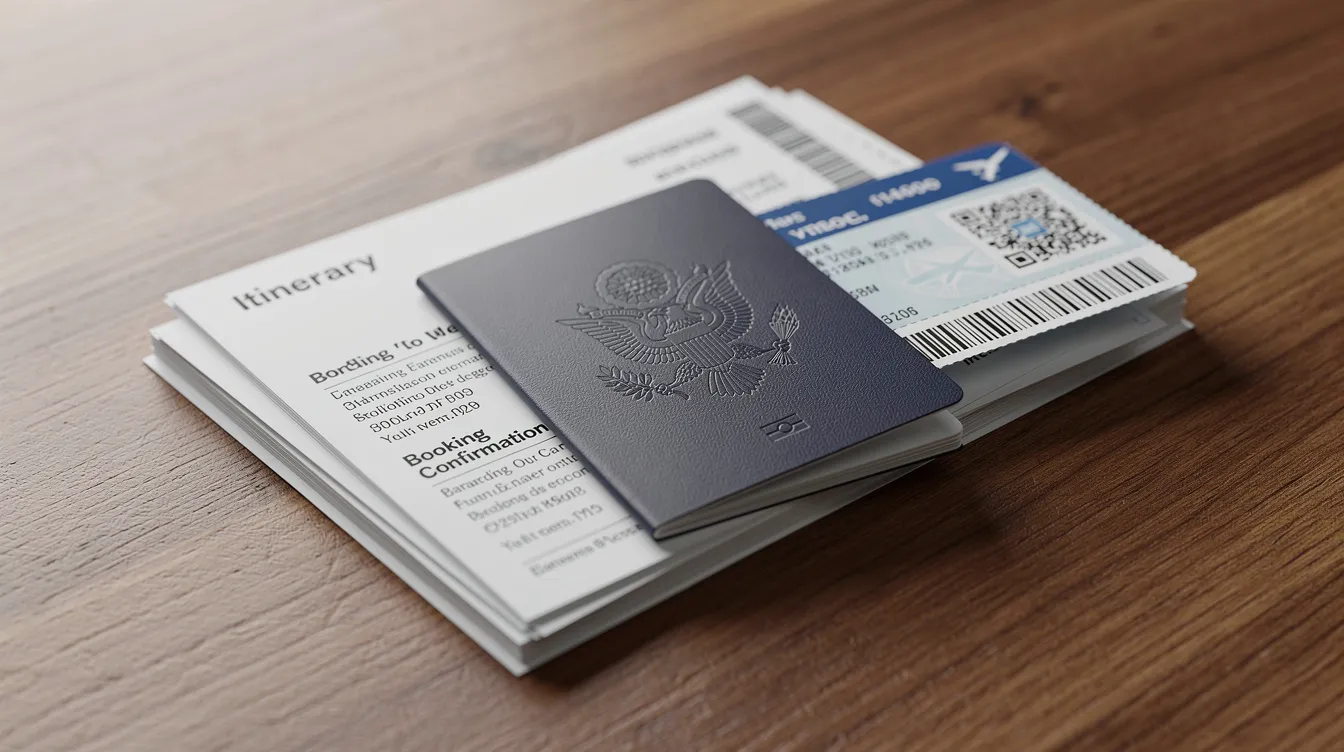
General requirements across all Irish visa types include a valid passport and application fee payment. You must submit a valid passport with at least 6 months validity beyond your planned stay. Visa applications require proof of sufficient funds for your stay.
Here is a high-level step-by-step structure:
Confirm whether a visa is required based on your nationality and intended stay.
Select the correct category - short stay C or long stay D - matching your real purpose.
Complete the online AVATS application accurately and pay the government fee (€60 single-entry short stay, €100 multiple-entry).
Gather supporting documents - passport, photos, itinerary, accommodation, bank statements, letters from employers or schools, insurance, and any admission or permit letters.
Submit biometrics and paperwork to the correct visa application centre or embassy in advance of your journey.
Wait for processing - 5–15 business days for many short stay C applications; 8–12 weeks for long stay D and employment permits.
Even with an approved visa, final entry is decided by the immigration officer at the border. Carry printed documents showing your purpose and financial means. Avoid booking non-refundable flights before a decision, and never submit false or inconsistent documents - this can lead to refusals and future bans.
Apply well in advance. Government rules, fees, and processing times can change, so always check the latest official guidance before you begin your application process.
FAQ: Ireland Visa Types and Residence Permits
Do I need a separate visa for Ireland if I already have a Schengen visa?
Yes. Ireland is outside the Schengen area and operates its own national visa system. A Schengen visa does not allow entry to Ireland. You must apply for an Ireland visa separately, regardless of any Schengen permissions you hold.
Can I work in Ireland on a short stay C tourist or business visa?
No. Short stay C visas do not permit paid employment. To work in Ireland legally, non EEA nationals must obtain an employment permit plus a long stay D employment visa. Business visas allow attending meetings or conferences, but not taking up paid roles.
What is the difference between a long stay D visa and the Irish Residence Permit (IRP)?
The long stay D visa is entry clearance placed in your passport before travel. The IRP is a plastic residence permit card issued inside Ireland after you register with immigration, confirming your ongoing permission to remain in the State. They are connected but legally separate.
How long does a General Employment Permit allow me to stay in Ireland?
A General Employment Permit is initially granted for up to two years and can be renewed. After five years of continuous legal residence under Stamp 1 or Stamp 4, holders may qualify for long-term residence under current rules.
Can I switch from a student visa to a work route inside Ireland?
Yes, subject to conditions. Eligible graduates on Stamp 2 can move to Stamp 1G post-study permission. From there, with a suitable job offer meeting salary and occupation criteria, they may obtain a General Employment Permit or Critical Skills Employment Permit without leaving Ireland.