
Visiting Ireland Visa Requirements: Complete Guide for 2026
Planning a trip to Ireland? Whether you're visiting Dublin for a weekend or touring the Wild Atlantic Way for a month, understanding the entry requirements before you book your flights can save you serious headaches. Visa requirements vary based on nationality and purpose of travel, and getting them wrong can mean a denied boarding or a turned-around arrival.
This guide covers everything you need to know about visiting Ireland visa requirements in 2026 - from who needs a visa, to how to apply, what documents to prepare, and what to expect at the border.
Key Takeaways
Most non-EU/EEA/Swiss passport holders need an Ireland visa for short stays. Ireland is not part of the Schengen area, so a Schengen visa does not allow entry to Ireland.
The standard tourist visa is the Short Stay C visa, which permits visits up to 90 days for tourism, family visits, and some business activities. It does not allow paid employment or access to public funds.
Core Irish visa requirements include a valid passport, a completed online application (AVATS), fee payment, travel itinerary, proof of accommodation, and financial evidence such as bank statements.
Diplomatic passport holders and certain countries may be exempt from standard visa requirements, but all travelers must still meet Ireland's entry conditions at the border on arrival.
Rules and fees change regularly. Always check the latest information on the official Irish immigration website or your nearest Irish embassy before you travel to Ireland.
Overview: Do You Need a Visa to Travel to Ireland?
Whether you need a visa to enter Ireland depends on three factors: your nationality, your passport type (ordinary versus official passport or diplomatic passport), and the purpose and length of your intended stay.
Who usually does NOT need an Irish visa:
Citizens of EU/EEA countries do not need a visa to enter Ireland
UK citizens
Passport holders from the USA, Canada, Australia, and New Zealand can visit Ireland for tourism for up to 90 days without a visa
Nationals from other visa-exempt countries such as Japan and South Korea
Certain nationals under Ireland's Short-Stay Visa Waiver Programme who hold valid UK short-stay visas
Who usually DOES need a visa:
Gambia citizens require a visa to enter Ireland
Congolese citizens need a short-stay visa for Ireland
Czech citizens must apply for a visa to visit Ireland
Many passport holders from African, South Asian, and Middle Eastern countries not on the exempt list
Ireland has its own visa policy entirely separate from the Schengen area. A valid Schengen visa does not remove the Ireland visa requirement - and an Irish visa does not grant entry to Schengen countries like Germany, France, or Spain.
Even visa-exempt nationals must still satisfy immigration at the border. Officers will check your passport, evidence of return travel, proof of funds, and accommodation before granting permission to stay in Ireland.
If you're unsure, use Ireland's official "Do I need a visa?" online tool or contact the nearest Irish embassy for your specific situation.
Types of Irish Visas for Short Visits (Tourism, Family, Business)
Most visitors to Ireland apply for the Short Stay C visa, which covers stays of up to 90 days. Short-stay C visas are required for visits under 90 days for nationals from visa-required countries. Here are the main categories:
Tourist visa (Short Stay C): For holidays, sightseeing, visiting friends or family members, short English-language courses under 90 days, and attending cultural or sporting events - including a significant family event such as a wedding.
Business visa (Short Stay C): For attending meetings, conferences, trade fairs, and short training sessions. This does not count as gainful employment and does not require an employment permit.
Other short-stay categories: Medical treatment at a private facility, performance or competition visas (paid activity permitted if the event lasts 14 days or less), and attending specific events. Select the correct purpose in the online form.
A Short Stay C Irish visa does not permit work, does not lead to residence, and does not allow you to stay in Ireland longer than the period stamped by immigration on arrival. It also does not grant access to public funds.

Core Ireland Visa Requirements for Visitors
Irish visa requirements are evidence-based. The government needs to see that you have suitable evidence of ties to your home country strong enough to confirm you will return, and that you can support yourself during your trip.
Basic document requirements:
A valid passport (usually at least 6 months beyond the date of intended departure) with blank visa pages
Completed AVATS online application summary, printed and signed
Two recent passport-size photographs
A signed cover letter explaining purpose of visit
Supporting evidence:
Travel itinerary including flight reservations and approximate dates
Proof of accommodation - hotel booking, hostel reservation, or invitation letter from a person in Ireland with their contact details and Irish address
Travel insurance is strongly recommended for medical costs and emergency travel situations
Financial requirements:
Recent bank statements covering the last 6 months showing regular income
Payslips or proof of employment/studies
Sponsorship documents if someone in Ireland will cover costs, including their own financial evidence
All documents not in English or Irish must be translated and certified. Irish visa officers may verify documents directly with employers, banks, or schools.
Passport Rules, Validity, and Special Cases
Most travelers must hold a passport valid for at least 6 months beyond the date they plan to leave Ireland, with at least one or two blank pages for visa stamps. While Ireland's official rule focuses on validity covering the duration of stay, the 6-month buffer is widely advised to avoid issues.
Damaged, expired, or nearly full passports can result in a refused visa or denied boarding. Renew before you apply.
Dual nationals should apply with the passport they intend to use to travel to Ireland and present that same travel document at the border.
Refugees or stateless persons holding travel documents (such as 1951 or 1954 Convention documents) face different Irish visa requirements. Check guidance from the Irish embassy or the Irish Immigration Service Delivery.
If you already hold a valid Irish Residence Permit (IRP), you generally do not need a new entry visa. Show your IRP and passport at the border, but make sure your permission remains in date.
Diplomatic Passport Holders and Visa Exemptions
Diplomatic, service, or official passport holders may benefit from special visa arrangements when planning an official visit to Ireland.
Under the Immigration Act 2004 (Visas) (Amendment) Order 2026, Ireland expanded its list of countries whose diplomatic passport holders do not require a visa for short stays. This includes Albania, Bosnia and Herzegovina, Colombia, Georgia, Kosovo, Montenegro, North Macedonia, Peru, Qatar, and Serbia. China also has a mutual waiver for diplomatic passport holders.
Even when no visa is required, diplomatic visitors should carry:
Official notes verbales or mission orders
Invitation letters confirming the purpose and duration of their stay in Ireland
Service passport or official documentation of status
Rules differ by nationality. A person holding a diplomatic or service passport from one of the above categories should still confirm exact entry conditions with the Irish embassy before travel. Dependants of diplomats may have separate visa requirement rules and often need prior clearance from Irish authorities.
How to Apply for an Ireland Visa
The application process follows a clear sequence:
Check your requirement: Determine whether your nationality and passport type require a visa using Ireland's online tool.
Complete the online form: Visa applications can be submitted online through the AVATS system. Choose your visa type (tourist visa, business, etc.), fill in all sections accurately, then print and sign the application summary. Submit a signed application summary after online completion.
Pay the fee: Visa fees are €60 for single entry and €100 for multiple entry. Visa fees for Congolese citizens are €60 for single entry. Check for fee exemptions on the Irish immigration fees page.
Submit documents: Mail or deliver your documents to the Irish embassy, consulate, or an official visa application centre in your country of residence. Follow local appointment or courier rules.
Timeline: Apply for an Ireland visa at least 2–4 weeks prior to travel, though applying 8–12 weeks ahead is safer during peak seasons. Congolese citizens can apply for a visa 3 months before travel. Visa applications for Congolese citizens should be submitted 3 months prior to the planned departure date.
A valid passport is required for the visa application. Include proof of accommodation and financial evidence in applications, along with all other supporting documents listed above.
Document Checklist for Irish Tourist Visa Applications
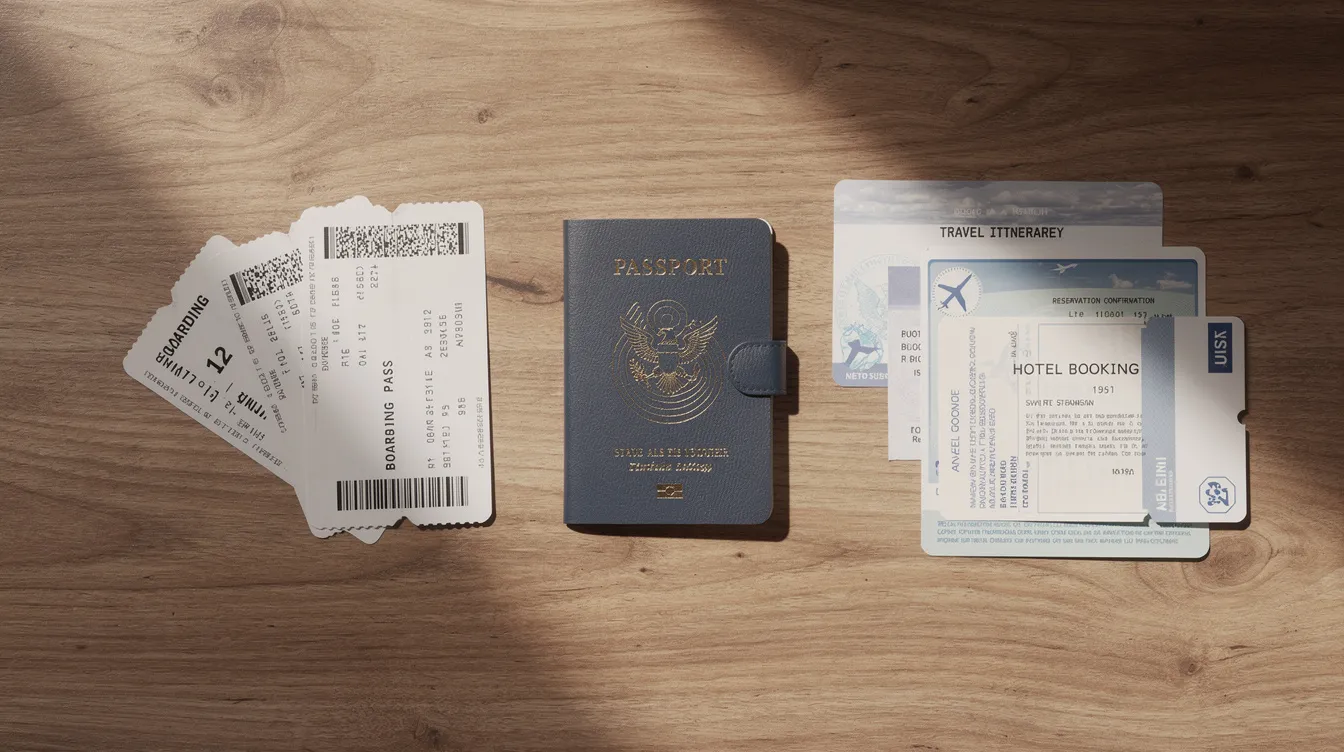
Use this checklist to make sure you have everything before you submit:
Identity documents:
Valid passport and copies of previous passports if available
Two recent biometric passport-size photos
Printed AVATS summary form, signed and dated
Travel and stay documents:
Return or onward flight booking
Proof of accommodation (hotel booking, hostel reservation, or signed invitation letter with Irish host's address)
Rough day-by-day plan for the stay in Ireland
Financial evidence:
Personal bank statements covering the last 6 months
Payslips or proof of regular income
Employment or study letter
Sponsorship letter and financial proof from host in Ireland (if applicable)
Extra items:
Travel insurance certificate covering medical emergencies
Evidence of ties to home country (marriage certificate, children's birth certificates, property deeds)
Copies of previous visas and entry stamps
Translations of any documents not in English or Irish
Visa Requirements for Children and Under-18s
Minors face stricter Ireland visa requirements to prevent trafficking and ensure child safety.
A parent or legal guardian must sign the visa application for any person under 18 and provide copies of passports or IDs of both parents.
When a child travels alone or with only one parent, a notarized parental consent letter from the absent parent is required. If parents are separated, submit custody or court documents.
Additional documents include the child's birth certificate, a school enrollment letter, and details of who the child will stay with during their visit to Ireland (family host or school).
Minors should have medical or travel insurance covering the full duration of the trip.
All foreign-language documents must be translated and certified in English or Irish.
Processing Times, Decisions, and Entry Conditions at the Border
The standard processing time for short-stay visas is 8 to 12 weeks, though visa processing times can take 5 days to 6 weeks depending on the embassy. Processing times vary by visa category and application location - summer months and holiday periods tend to be slower.
A visa does not guarantee entry; an immigration officer determines final admission at the border. Expect these typical border checks on arrival:
Passport and visa inspection
Questions about the reason for your visit and the destination within Ireland
Evidence of return ticket, funds, and accommodation
Sometimes inspection of invitation letters or hotel bookings
First-time visa applications are often issued as single-entry only. Multiple-entry visas are normally reserved for frequent travelers with a history of complying with Irish immigration rules.
Carry printed copies of your itinerary, proof of accommodation, insurance, and financial evidence in your hand luggage. Border officials may request them.
Extending Your Stay in Ireland and Changing Status
In most cases, short-stay visitors cannot extend their stay in Ireland beyond 90 days. Extensions are only possible in very limited humanitarian circumstances - such as a critical medical case involving the visitor, or similar medical emergencies where a person is undergoing medical treatment.
Moving from a tourist visa to a different status (study, work, or residence) usually requires leaving Ireland and applying for the correct long-stay D visa from abroad. Long-stay D visas are necessary for stays over 90 days.
Overstaying the date given by border control is serious. It can lead to future visa refusals or bans. Visa imposition of consequences applies to anyone who does not respect their permission conditions.
For those planning longer stays:
Students enrolling at a third level institution need a Long Stay D visa and must register for an IRP.
Workers need an employment permit and the appropriate visa before arrival.
Graduates completing a post graduate degree at an Irish institution may qualify for the Third Level Graduate Scheme (Stamp 1G) allowing up to 24 months to seek employment.
Holders of a valid Irish Residence Permit generally do not need a re-entry visa, but must keep their permission in date and follow any renewal requirements within Dublin or wherever they reside.
Role of the Irish Embassy and Where to Get Help
The Irish embassy or consulate in your country of residence is the primary authority for information about Irish visa requirements, procedures, and current fees. They handle visa applications, return passports, answer questions, and provide updates on processing times.
Some locations use external visa centres (such as VFS Global) to receive applications, but the decision on all visa applications is always made by Irish immigration officers under the authority of the Minister for Justice.
Before visiting or submitting:
Check the embassy's website for opening hours, public holiday closures, and whether an appointment is required
Note the subject line format they require for email queries, and include your contact details
Confirm whether payment is by card, bank transfer, or other method, and what evidence of payment to include
Complex cases - including previous refusals, immigration violations, or criminal records - may benefit from professional immigration advice alongside official Irish government sources.
FAQ: Visiting Ireland Visa Requirements
Is Ireland in the Schengen Area, and can I enter Ireland with a Schengen visa?
Ireland is not part of the Schengen area and maintains its own border controls. A valid Schengen visa does not permit entry to Ireland. You must check the separate Irish visa requirement for your nationality. Similarly, an Irish visa does not allow entry to Schengen countries such as France, Germany, or Spain. Whether the requirements to enter Ireland depend on your citizenship and passport type, so verify with official sources.
How far in advance should I apply for an Irish tourist visa?
Apply at least 8–12 weeks before your planned date of travel to Ireland, and earlier during summer or holiday peaks. Applications can normally be lodged up to 3 months before the planned arrival. Apply for an Ireland visa at least 2–4 weeks in advance as an absolute minimum. Applying early allows time to correct missing documents or respond if the Irish embassy requests additional information - an important step for anyone planning a trip.
Can I work or study on an Irish tourist visa?
A Short Stay C tourist visa does not allow any form of paid employment or long-term study in Ireland. Only very short, non-degree courses or language programs under 90 days are sometimes permitted. No state benefits or public funds may be claimed. If you want to work or enroll in a longer study program, apply for the correct long-stay Irish visa category before arriving.
What happens if my Ireland visa is refused?
Refusals usually come with a written letter listing the reasons - such as insufficient funds, unclear travel purpose, or doubts about returning home. You can often submit a new application with stronger evidence addressing those concerns. Keep copies of all documents. If you have been refused more than once, consider professional immigration advice. Emergency travel required for urgent reasons should be flagged to the embassy immediately.
Do I need travel insurance to visit Ireland?
Travel insurance is not always a strict legal entry condition for every nationality, but it is strongly recommended for medical emergencies and trip disruptions. Some embassies and specific visa schemes require proof of insurance with minimum medical coverage for the full stay in Ireland. Choose a policy that covers medical care, emergency evacuation, trip cancellation, and lost or stolen belongings. Having this evidence ready at the border shows planning and strengthens your case for entry.