Visitors to Ireland: Practical Guide, Highlights & Essential Tips
Ireland offers rich history and world-renowned hospitality, dramatic landscapes that shift from rugged sea cliffs to rolling green farmland, and a pub culture that turns strangers into friends over a pint. Whether you are planning a first trip or returning to explore deeper, this guide covers the concrete details - entry rules, transport costs, climate data, regional highlights, and the lesser-known corners - that will help you make the most of every day on the Emerald Isle.
Key Takeaways
Most visitors to Ireland arrive via Dublin Airport, which handled a record 36.43 million passengers in 2025. Dublin City is the main hub, but the west coast and hidden gems like the Dingle Peninsula are unmissable.
EU, European Economic Area, and UK nationals usually do not need a visa to enter Ireland. Many other nationalities may require a short stay visa or can use the Short Stay Visa Waiver Programme if they hold a valid UK visa.
The best time to visit Ireland for long days and festivals is May–September, with St Patrick's Day on 17 March being the biggest cultural event and the busiest booking period.
Arrange comprehensive travel insurance before departure, budget in euro currency (and pounds sterling if visiting Northern Ireland), and pick up a LEAP card for affordable public transport in cities.
Mixing famous sights - the Cliffs of Moher, Guinness Storehouse - with quieter regions and local pubs delivers the most authentic Tourism Ireland-style experience of the country.
Essential Facts for Visitors to Ireland
The Republic of Ireland uses the euro (€), while Northern Ireland uses the British pound sterling. English is the primary language across the island, with Irish (Gaeilge) as the second official language in the Republic - you will see bilingual signage on roads and in public buildings, especially in Gaeltacht regions where the Irish language is commonly spoken. The time zone is GMT in winter and GMT+1 (Irish Standard Time) in summer.
Ireland is not part of the Schengen Area, so entry rules differ from mainland Europe even for European Economic Area travellers. Visitors from Norway, Iceland, Liechtenstein, and Switzerland should check the specific Irish entry process rather than assuming Schengen rules apply.
Dublin averages around 5.3°C in January, roughly 8°C in March, and 15–18°C in July and August, with summer temperatures averaging around 20°C (68°F) on warm days. Winter temperatures rarely drop below 8–10°C (42–50°F) on the coast.
Travellers can experience four seasons in one day in Ireland. Irish weather can be unpredictable, often requiring layers and rain gear. Pack an umbrella, bring a windbreaker for windy conditions in winter, and consider a raincoat essential for fall trips.
Fáilte Ireland tourist information centres in major cities and towns offer free maps, local event details, and Tourism Ireland promotional material - look for the green shamrock logo.
Who Visits Ireland and Why (Visitor Trends)
Tourism Ireland reported that the island of Ireland was expected to welcome about 8.1 million overseas tourists in 2025, supporting roughly 300,000 jobs. Dublin is known for its rich culture and vibrant atmosphere, and the capital attracted 56% of overseas visitors back in 2017 - a figure that has remained broadly stable as the city continues to dominate first-time itineraries.
Great Britain is the single largest source market, accounting for about 38% of overseas visitors in 2025, though average spend per visitor is the lowest at roughly €494. Continental Europe contributes 33%, North America 24%, and the rest of the world 5%.
North American tourists spend the most per trip - approximately €1,282 per visitor - nearly three times the British average, driven by longer stays and transatlantic plane tickets.
Around 40% of overseas visits are for holiday, leisure, or recreation. A further third visit friends and relatives, with the remainder split between business and study.
The majority of first-time tourists start in Dublin, but the southwest (Cork, Kerry, including the Dingle Peninsula) and the west (Galway, Clare) are classic touring regions along the Wild Atlantic Way. Average length of stay runs about 7.5 nights, though visitors from Great Britain tend to stay shorter than those crossing the Atlantic.
Entry Requirements: How to Enter Ireland Legally
Permission to enter Ireland is always granted by an immigration officer at a port or airport. Even if you hold a visa, the officer at border control makes the final decision and stamps your allowed length of stay.
EEA and Swiss citizens can usually enter Ireland with a valid passport or national ID card. UK citizens travel under the Common Travel Area and do not need a visa. Citizens from EU countries do not require a visa for tourism stays.
USA and UK citizens do not need a visa. Non-EEA nationals may need to apply for a visa in advance - but a visa is preclearance, not a guarantee of entry.
Officers may ask for proof of accommodation, a return ticket, evidence of sufficient funds, and a valid passport. Carry printed or digital copies of all supporting documents.
Travellers entering Ireland via Northern Ireland - for example landing at Belfast airport then driving south - may still need separate Irish permission. Check both UK and Irish rules before travel.
Visas, Short Stays and the Visa Waiver
Many visitors can enter Ireland visa-free for short tourism stays, but citizens of certain countries must apply for a short stay visa before travel. The official Irish immigration site lists all visa-required nationalities and current processing times.
The Short Stay 'C' visa allows visits of up to 90 days for tourism, business meetings, short courses, or visiting family. Visa-required countries can apply for a short stay visa covering up to 90 days. It cannot normally be extended once in Ireland.
The Short Stay Visa Waiver Programme allows entry for certain nationalities - for example from India or China - who hold a valid UK short-stay visa, letting them visit Ireland without a separate Irish visa. The UK's Electronic Travel Authorisation (ETA) does not qualify.
Indians need extensive documentation for an Irish visa application, typically including travel insurance, proof of accommodation, return tickets, financial statements, and an employer letter. Apply up to three months before your planned travel date.
A visa does not guarantee entry. Immigration officers may refuse entry or limit the stay if requirements around funds, accommodation, or return intentions are not satisfied.
Practical Travel Preparation: Insurance, Money and Phones
No trip - including a holiday in Ireland - can be guaranteed problem-free. Good planning, especially around travel insurance, reduces risk and stress.
Arrange comprehensive travel insurance that covers medical treatment in Ireland, trip cancellation, lost baggage, and planned activities such as hiking on coastal trails or cycling the Dingle Peninsula loop. Travel insurance is not a legal entry requirement, but non-residents may face high costs for private care or emergency evacuation without it.
ATMs are widespread and cards are widely accepted, but small towns and rural pubs or B&Bs may prefer cash. Carry some euro notes and, if crossing into Northern Ireland, some pounds sterling. Notify your bank of travel dates to avoid blocked transactions.
For staying connected, buy a local prepaid SIM from providers like Vodafone, Three, or Tesco Mobile at Dublin Airport or city shops. E-SIMs are an alternative for visitors who want data without a physical card.
Keep digital and paper copies of your insurance policy and passport. Store emergency contact numbers for your insurer and your country's nearest embassy or consulate.
Getting Around: Airports, Public Transport and LEAP Cards
Ireland's primary international hub is Dublin Airport, which set a passenger record in 2025. Cork and Shannon airports serve many European and some North American routes, and are often less congested.
Dublin buses operate 24/7 from the airport to the city centre and cost €8 to €10, with a journey time of roughly 30–40 minutes depending on traffic.
Cork airport buses reach the city centre in 20 minutes for about €3. Shannon Airport buses to Limerick cost €8.50 per passenger.
Dublin Bus, Bus Éireann, and Irish Rail (Iarnród Éireann) form the backbone of public transport. Intercity coaches link Dublin to Galway, Cork, Limerick, Sligo, and other hubs several times daily.
The LEAP card costs €10 for unlimited Dublin transport access across buses, Luas trams, and DART trains. Buy it at airport kiosks or newsagents. Multi-day visitor versions (1, 3, or 7 days) offer clear savings over individual fares.
Bus Éireann's fleet is 70% accessible for passengers with mobility needs. Advance booking is recommended for guaranteed wheelchair spaces on intercity routes.
Renting a car offers freedom to explore rural areas in Ireland, but driving is on the left side of the road. It is recommended to limit your driving itinerary to two or three regions for a more enjoyable experience - narrow western roads mean travel times are longer than distances suggest.
Dublin City: First Stop for Many Visitors
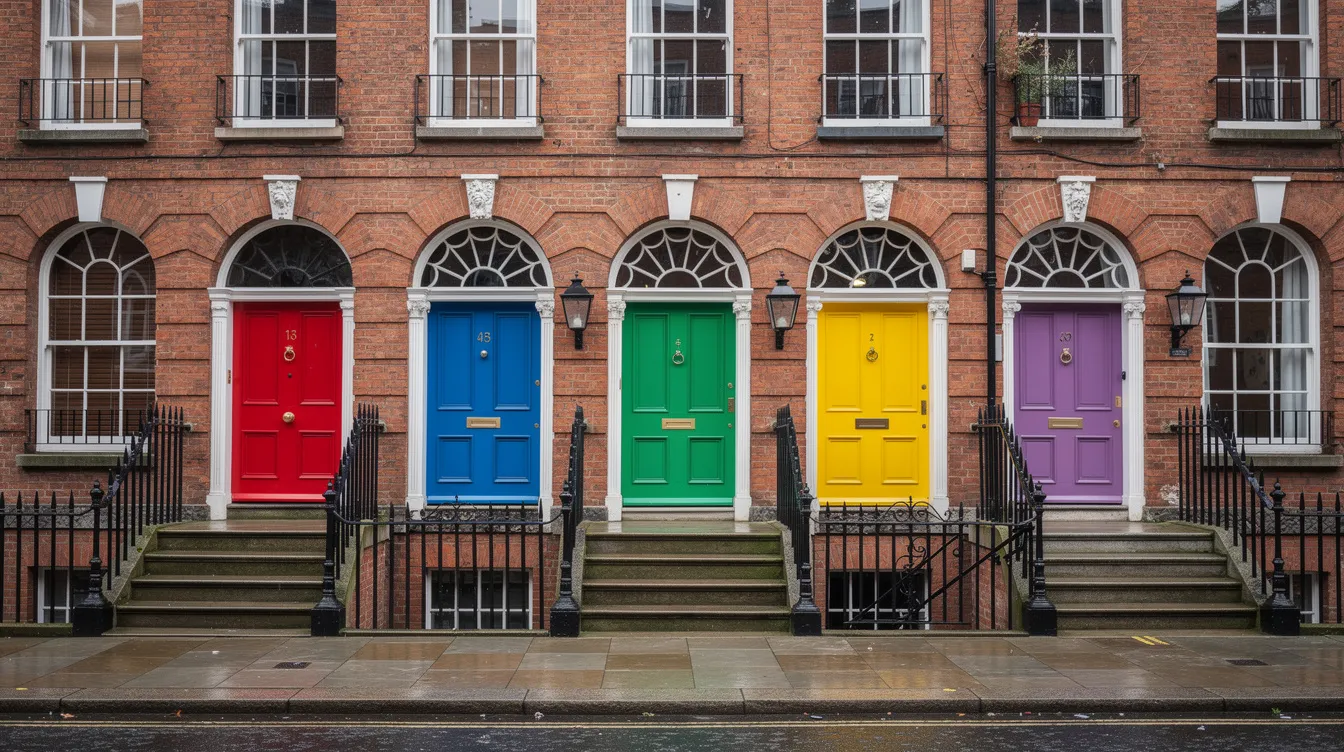
Dublin City is most visitors' starting point, combining Viking origins, Georgian streets, and a modern tech and cultural scene. Key historic sites in Ireland include castles and megalithic tombs, and Dublin Castle itself sits in the heart of the capital as a reminder of eight centuries of history.
Trinity College and the Old Library house the Book of Kells. Dublin Castle, Christ Church Cathedral, and the Guinness Storehouse at St James's Gate are on nearly every itinerary.
Free or low-cost attractions include the National Museum of Ireland, the National Gallery of Ireland, and strolling along the River Liffey, O'Connell Street, and Grafton Street for street musicians and local life.
Temple Bar is the most famous pub district, but neighbourhood pubs on the Northside or around Camden Street deliver traditional music sessions and fewer tourist crowds. Pubs are community social hubs across the city.
Plan 2–3 days in Dublin on a short trip. The city works well as a base for day trips to coastal towns like Howth, Bray, or Malahide by DART suburban trains.
Ireland offers unique accommodation like lighthouses and castles. You can stay in a yurt or a gypsy caravan. Ballyfin is a luxurious hotel in a restored country house, Decoy Country Cottages has eight cottages facing a landscaped courtyard, and Fuchsia Cottage is a traditional farmhouse near Drimoleague in the southwest.
Iconic Places to Visit Ireland's Landscapes
Beyond Dublin, many tourists come to explore Ireland's beautiful coastlines and rugged landscapes. Ireland is known for dramatic landscapes, and the Wild Atlantic Way is a scenic coastal route stretching over 2,500 km from Donegal to West Cork.
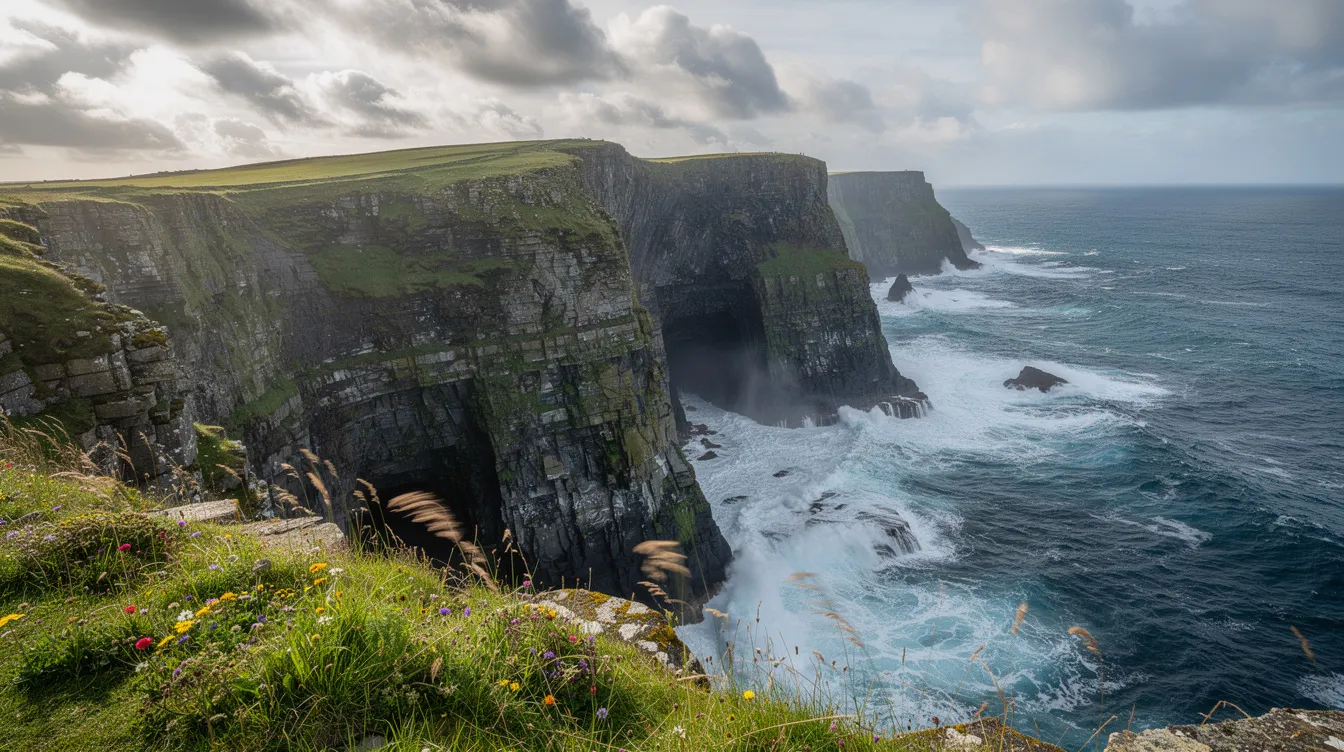
The Cliffs of Moher in County Clare rise 214 metres above the Atlantic, with a 20 km coastal walking trail. The Cliffs of Moher are about 3.5 hours from Dublin by car - plan for a full day or overnight in the area.
The Dingle Peninsula stretches 48 kilometres along the coast, with Slea Head Drive looping past ancient beehive huts, harbour villages, and some of Europe's westernmost points.
Killarney National Park covers more than 25,000 acres of lakes, oak woodland, and Muckross House - a site that rewards a full day of walking or cycling the Ring of Kerry route.
Giant's Causeway in County Antrim (located in Northern Ireland) features about 40,000 interlocking basalt columns. It is often included in Ireland itineraries and is an impressive geological site.
Plan realistic driving times on narrow rural roads. Stop in towns like Dingle, Killarney, Westport, or Galway rather than racing between viewpoints. The journey itself - passing through mountains, along the coast, and through one-street villages - is half the experience.
Hidden Gems and Local Experiences
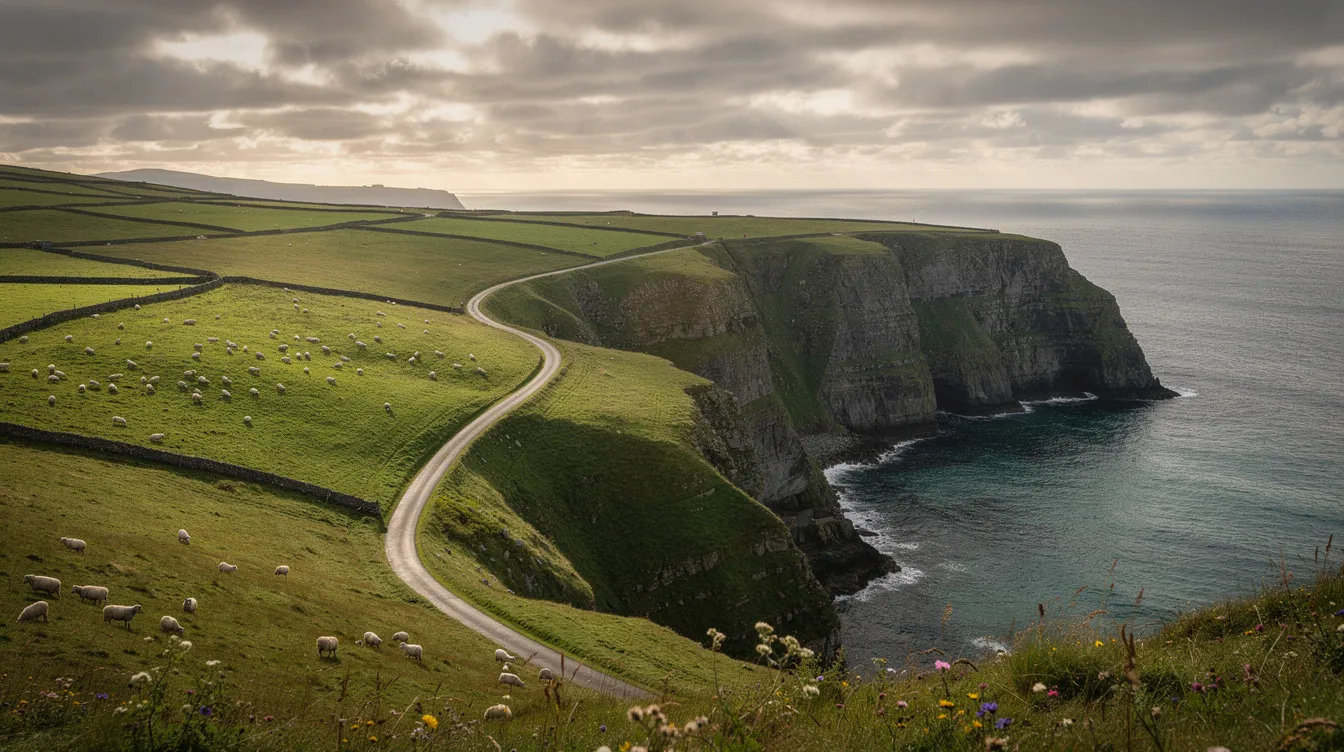
There is a growing contrast between crowded hotspots and the quieter hidden gems that many experienced visitors to Ireland now seek out. Slowing down and exploring beyond the main route rewards you with a more authentic style of travel.
West Cork villages and coastal walks near Skibbereen and Union Hall, looped walks in Connemara beyond the main tour bus routes, and inland regions such as County Leitrim's lakes offer peace and stunning scenery without the crowds.
Gaelic games like hurling are indigenous sports in Ireland - catching a local match on a Sunday afternoon is one of the most exciting and underrated experiences available. Traditional Irish music sessions are common in pubs, especially in towns like Doolin, Dingle, and Westport.
The Gaeltacht regions are areas where the Irish language is commonly spoken, and visiting them gives a window into a style of life that predates modern tourism.
Use Tourism Ireland regional websites and local tourist offices to discover seasonal events, food festivals, and community heritage trails that rarely appear in generic guidebooks. These created experiences - farmers' markets, heritage walks, storytelling nights - bring you closer to the locals.
Festivals, Culture and When to Visit Ireland
The timing of a trip can transform the visitor experience, from quiet winter escapes to lively cultural festivals drawing crowds from around the world.
St Patrick's Day is celebrated on 17 March with parades, concerts, and week-long events in Dublin, Cork, and many smaller towns. St Patrick's Day celebrates Irish culture, language, and arts. March features St Patrick's Day celebrations on the 17th. Accommodation books out months in advance.
Bloomsday Festival occurs every year on 16 June for James Joyce enthusiasts. The Galway International Arts Festival runs in July. Dublin Fringe Festival occurs in mid-September. The Cork Jazz Festival fills the city in late October. Samhain is celebrated on 31 October, marking winter's beginning - Ireland, of course, has a claim to the origins of Halloween. Christmas celebrations in Ireland last from Christmas Eve to early January.
May and June are considered the best months to visit Ireland for good weather and fewer crowds. Summer is peak season from June to August, with average summer temperature around 20°C (68°F). Autumn and spring are ideal for avoiding crowds and finding lower accommodation costs.
Those planning to visit during peak festivals should build itineraries and book transport and accommodation early. Visitors avoiding crowds might choose early spring or late fall instead for a quieter holiday.
Food, Drink and Irish Hospitality
Modern Irish food combines traditional farm and sea ingredients with contemporary cooking, and eating and drinking are central to how visitors join in Irish hospitality.
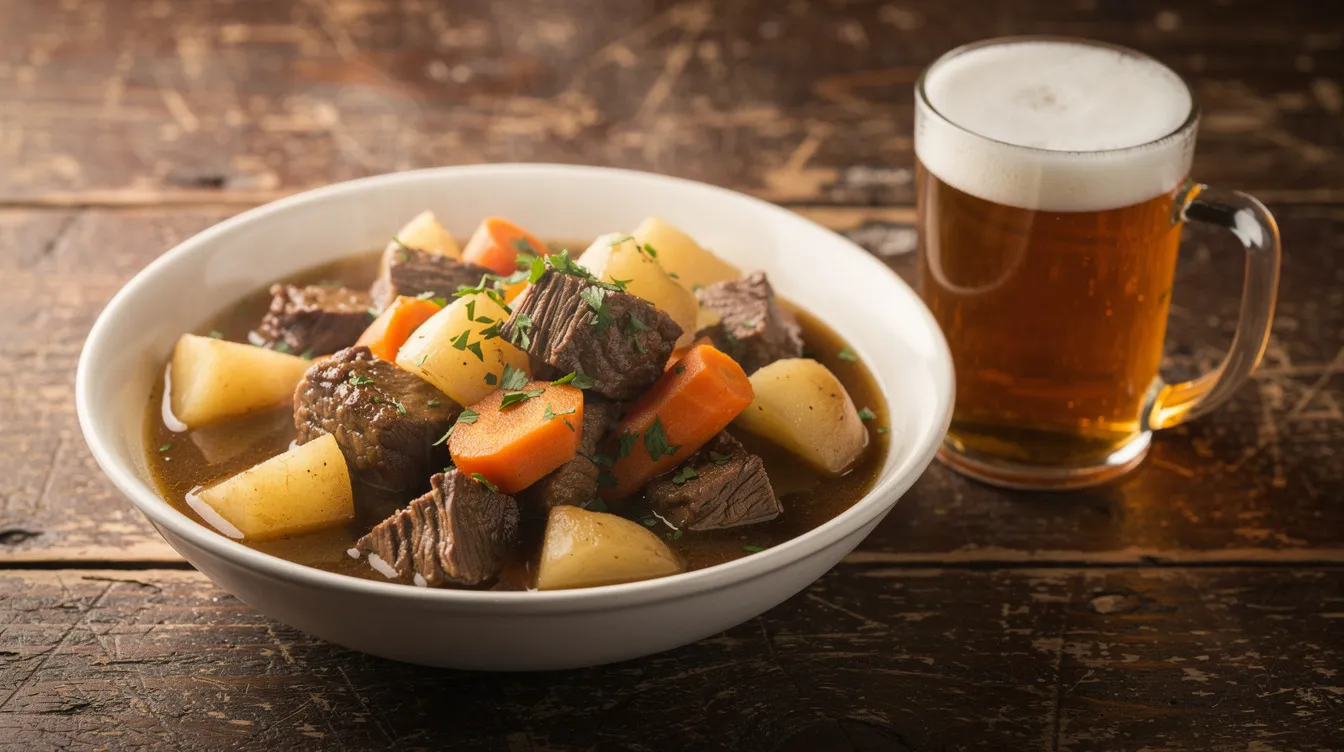
Traditional cuisine includes dishes like seafood and Irish stew. Irish stew is a traditional dish made with mutton, slow-cooked with potatoes, carrots, and onions. Dublin Coddle consists of sausages, bacon, onions, and potatoes - a hearty city dish with working-class origins.
Colcannon is a potato dish mixed with cabbage and butter, served across the country. Smoked salmon is a common staple in Irish kitchens, often appearing at breakfast and in starters.
Clarinbridge is famous for its oysters in western Ireland - the annual Clarinbridge Oyster Festival in County Galway draws food lovers from around the world.
Drinks culture runs deep: Guinness and other stouts, Irish whiskeys from distilleries in Dublin, Cork, and beyond, and an excellent coffee scene in cities. Non-alcoholic craft drinks are increasingly available.
Visit local pubs that serve food, small-town bakeries, and farm-to-fork restaurants. Respect local norms around closing times, queuing, and tipping - rounding up or leaving 10% in sit-down restaurants if service is good is standard.
Safety, Etiquette and Common Mistakes to Avoid
Ireland is generally a safe and welcoming country, but visitors still need common sense and an understanding of a few local norms.
Stay back from cliff edges and fenced-off viewpoints in windy conditions. Drive carefully on narrow rural roads and remember that traffic runs on the left. Secure valuables in cities late at night, especially in busy areas like Temple Bar.
Greet people with a simple "hello" or "how are you?" - friendly small talk with strangers is common. Be respectful in pubs and on public transport, and join the queue rather than pushing ahead.
Common mistakes: trying to see the whole island in just a few days, underestimating travel times on rural roads, relying only on card payments in very rural areas, or assuming that Northern Ireland and the Republic share the same currency and rules.
In an emergency, dial 112 or 999 from any phone. Both numbers connect to police, ambulance, fire, and coast guard services across the island.
FAQ: Visitors to Ireland
Do I need travel insurance to visit Ireland?
Travel insurance is not a legal requirement to enter Ireland, but it is strongly recommended. Non-residents may face high medical costs, especially for private care or emergency evacuation. A good policy also covers delays, cancellations, lost luggage, and activity-related injuries on coastal walks or cycling routes.
How many days do I need for a first visit to Ireland?
A realistic first-time itinerary runs around 7–10 days, giving time for 2–3 days in Dublin City and a loop to one or two regions - for example the Dingle Peninsula and Killarney, or Galway and the Cliffs of Moher. Shorter trips of 4–5 days work if you focus on fewer places rather than racing across the island.
Can I drive in Ireland with my foreign licence?
Most visitors can drive on their full, valid foreign driving licence for short stays. Some non-EU licences may require an International Driving Permit carried alongside the home licence. Renting a car typically requires a credit card, a minimum age (often 25), and proof of insurance or excess cover.
Is Northern Ireland included when people talk about "visiting Ireland"?
Many tourism itineraries and visitors refer informally to the whole island of Ireland, including Northern Ireland (part of the UK). However, the Republic of Ireland and Northern Ireland have different currencies, legal systems, and some separate entry rules. Travellers crossing the border should check both UK and Irish requirements.
When is the weather best for sightseeing and outdoor activities?
Late spring to early autumn - roughly May to September - offers the best balance of daylight, mild temperatures, and outdoor suitability. July and August are warmest but busiest. Even in summer, pack layers, a waterproof jacket, and sturdy footwear for coastal paths and city walking. Ireland's weather can change from sunshine to rain and back within a single hour.