Application for Visa Japan: How to Apply Step-by-Step (Including Japan eVISA)
Visa requirements for Japan vary by nationality and purpose of visit. If you are planning a trip to Japan, whether for tourism, work, or study, knowing which visa category applies to you and how to submit your application correctly will save you weeks of delays. This guide covers every step, from choosing the right visa type to displaying your digital visa issuance notice at the airport.
Key Takeaways
Foreign nationals from many countries can enter Japan visa-exempt for short-term tourism up to 90 days by presenting a valid passport. British citizens holding ordinary passports fall into this group. If your nationality or passport type is not on the exempt list, you must apply for a visa before travelling.
The Japan eVISA system launched on May 15, 2026, allowing eligible applicants from countries including the United Kingdom, the United States, Australia, Canada, and others to apply online for a single-entry short-term stay visa for tourism. Approved applicants receive a digital visa issuance notice they must display on a mobile device at the airport; a printed copy or screenshot is not accepted.
The application process follows a clear sequence: (1) identify your visa category, (2) gather required documents, (3) complete and submit your visa application form online or at the Japanese Embassy, (4) pay the applicable visa fee, (5) track your application status, (6) receive your visa sticker or eVISA notice, and (7) verify all details match your travel date and passport before departure.
Applicants in the United Kingdom should submit their Japan visa application at least 3 to 4 weeks before departure. Processing takes about 5 working days for in-person applications and around 2 weeks for eVISA submissions, though current processing times are approximately 2 to 3 weeks during busy periods.
Completing the visa application form accurately matters. Use the exact name spelling from your original passport, write "N/A" in fields that do not apply, and check all visa details (name, dates, visa category) as soon as the visa or eVISA is issued.
Overview of Japan Visa and Who Needs One
A Japan visa is an endorsement from the Japanese government authorising a foreign national to present themselves for immigration inspection at a Japanese port of entry. Visa exemption means certain nationalities can skip the pre-arrival visa application, though they still undergo immigration inspection and receive a landing permit on arrival. Choosing the correct visa category determines which documents you need, how long you can stay, and what activities are permitted.
Many nationalities are exempt from requiring a visa for temporary stays in Japan. British citizens with ordinary passports do not need a visa for stays up to 90 days for tourism, business meetings, or conferences. Holders of British Overseas Citizen, British Subject, or British Overseas Territories Citizen passports are not covered by this exemption and must obtain a Japan visa in advance.
Common travel purposes and their linked visa categories:
Short-term stay: tourism, business meetings, visiting relatives (Temporary Visitor, up to 90 days)
Long-term stay: work, study, spouse or child of Japanese national, highly skilled professional (requires Certificate of Eligibility)
Transit: connecting flights where the person leaves the international transit area
Being resident in the United Kingdom does not grant visa exemption. Eligibility depends on your nationality and passport type, not your UK immigration status. Visa-exempt visitors can enter Japan by presenting a valid passport, proof of onward travel, sufficient funds, and sometimes a completed online arrival card.
Japan Visa Types and Categories
Selecting the correct visa type is the first step in any Japan visa application. Each category carries different documents required, fee structures, and processing times. Misclassifying your purpose of travel leads to rejection.
Temporary Visitor: tourism, business (unpaid), visiting friends or relatives, conferences; usually up to 90 days. Japan offers a single-entry short-term stay visa for this purpose. Tourist visas can be valid for up to 90 days.
Work visas: Engineer/Specialist in Humanities/International Services, Intra-company Transferee, Skilled Labour. Work visas require a Certificate of Eligibility for Japan.
Student visa: for enrolment at recognised educational institutions; COE required.
Cultural Activities: non-degree artistic or cultural programmes.
Working Holiday: available only for nationals of countries with bilateral agreements; age limits apply.
Family/Long-term Resident: Spouse or Child of Japanese National, Long-Term Resident, Dependent.
Short-term visitor visas in the UK can be handled through the Japanese Embassy in London, the Consulate-General in Edinburgh, or authorised visa application centres. Long-term visas nearly always require a Certificate of Eligibility issued by Immigration Services Agency in Japan before you submit your signed application form at the embassy or consulate. A COE is not a visa; it confirms that a resident status has been pre-approved in Japan. A Certificate of Eligibility is required for long-term stays exceeding 90 days.
Single-entry visas allow one entry within a three-month validity window. Multiple-entry Japan visas, valid from one to five years, are granted to frequent travellers who meet stricter financial and travel history conditions.
Japan eVISA System for Short-Term Stays
The Japan eVISA system is an official online platform that allows eligible foreign nationals to apply for a short-term stay Japan visa electronically. No visa sticker is placed in the passport. The Japan eVISA system allows online visa applications.
As of May 15, 2026, the eVISA is available for more countries, including ordinary passport holders residing in Australia, Brazil, Cambodia, Canada, Saudi Arabia, South Africa, Taiwan, the United Kingdom, and the United States. Applicants must check the latest country list on the official JAPAN eVISA website before they apply for a visa.
The main visa category covered: single-entry short-term stay for tourism, usually up to 90 days. eVISA is available for short-term tourism stays up to 90 days. Chinese nationals can receive eVISAs for 15 or 30 days. Nationals of the Philippines and Viet Nam residing in their countries are capped at 15 days.
The typical application process:
Create an account on the Japan eVISA website.
Fill in the online visa application form with passport and travel details.
Upload a digital photo and supporting documents.
Pay the fee by credit/debit card online.
Wait for the visa issuance notice to appear in your account.
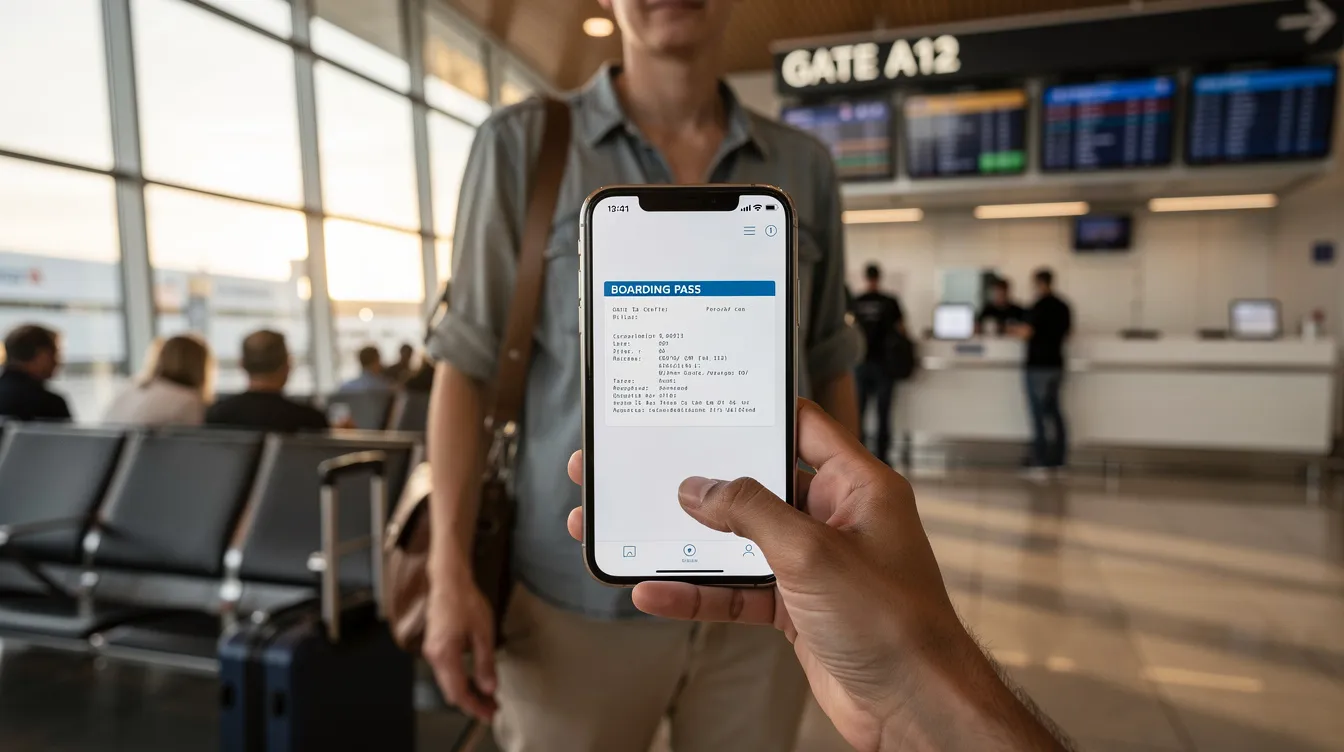
eVISA applicants must display a visa issuance notice at the airport on a phone or tablet with an active internet connection. Printed screenshots and PDF copies are not accepted.
Travellers needing work, study, long-term stay, or certain business visas must use the traditional application process at a Japanese Embassy, Consulate-General, or authorised visa application centre.
Step-by-Step Japan Visa Application Process
This section is a practical guide covering both standard visa applications via centres and embassies and the Japan eVISA route, with notes for applicants in the United Kingdom. Processing times for visas typically range from a few days to weeks depending on the route chosen.
Step 1: Identify your visa category. Match your purpose of travel (tourism, business, work, study, visiting relatives) to a specific Japan visa category. Misclassification can lead to outright rejection.
Step 2: Check where to apply. Applicants in the UK use the Japanese Embassy in London or the Consulate-General in Edinburgh depending on where they live. eVISA-eligible travellers apply through the Japan eVISA website only. Visa applications can be submitted online via the Japan eVISA system.
Step 3: Gather required documents. Typical items include a valid passport (valid passports must have at least two blank pages for visa applications), a completed visa application form, a recent colour photograph, flight bookings, proof of accommodation, proof of funds, and for long-term visas, a Certificate of Eligibility and employer or school documents. Visa applicants must provide required documents for their visa category.
Step 4: Complete the application form. Fill in all fields using the same spelling as in your passport. Write "N/A" where a field does not apply. Do not leave blanks. The completed visa application form must be signed.
Step 5: Book an appointment. Applicants must book an appointment before submitting their visa application at a visa application centre or consular counter. Reserve early during cherry blossom season (March to April) or autumn foliage (October to November).
Step 6: Submit your Japan visa application. Visa applications must be submitted in person at the embassy for traditional routes. Provide biometric data if requested. Pay the applicable visa fee. For Japan eVISA, submission and payment are completed online.
Step 7: Track your application. Most centres and the eVISA portal allow tracking by reference number. Check email for requests for additional information or updated documents.
Step 8: Receive your passport or visa issuance notice. For sticker visas, the original passport is returned with the visa vignette. Verify name, dates, and visa category. For eVISA, the digital visa issuance notice appears in your account and must stay accessible on a smart device throughout the journey.
Step 9: Prepare for travel. Print a copy of your itinerary and bookings. Confirm your passport and visa validity match the trip dates. Complete the online arrival card and any border health forms per current Japanese regulations.
Applying for a Japan Visa from the United Kingdom
This section covers rules for applicants physically present and legally resident in the United Kingdom. The process differs from applications lodged in other countries.
Holders of valid UK residence permits or long-term visas can submit a Japan visa application in the UK. Tourists or short-stay visitors in the UK must apply from their home country; the embassy will not accept their application. Your immigration status in the UK must be documented if you are a non-British national.
Consular jurisdiction splits as follows: residents of England, Wales, and most southern and central regions apply via the Japanese Embassy in London. Residents of Scotland and certain parts of northern England (County Durham, Northumberland) apply through the Consulate-General of Japan in Edinburgh. Applying to the wrong office causes delays.
Processing times quoted for the UK:
Route | Typical processing time |
|---|---|
In-person at embassy | 5 working days |
Japan eVISA | About 2 weeks |
Peak periods | Processing times can extend during busy periods |
Visa fees vary by nationality and visa type. The embassy fee for a Japan visa is 17.00 GBP at the consular counter, but total visa cost can reach 437.00 GBP for UK citizens when service and courier charges from outsourced centres are added. Some nationalities, such as Indian nationals, pay reduced rates (£4 for single-entry). Check the current fee table on the Embassy website.
Submit your visa application at least 3 to 4 weeks before your travel date to allow for processing, courier delivery, and any requests for additional information. For long-term visas, allow 2 to 3 months in advance.
Documents and Information Needed for Japan Visa Application
Providing complete, accurate documentation is the difference between a smooth application and weeks of delay. Missing items are the most common cause of rejection.
Core documents for short-term stay:
Valid passport with at least two blank pages
1 or 2 identical passport-sized photographs (45 mm x 35 mm, neutral background, taken within 6 months)
Completed and signed application form
UK residence permit copy (if applying as a non-British national)
Round-trip airline reservation or itinerary
Hotel bookings or proof of accommodation
Bank statements demonstrating sufficient financial proof to support yourself in Japan
Day-by-day travel schedule with dates and destination details
Work and long-term visas (additional):
Certificate of Eligibility from Japan
Original job offer or employment contract
Company registration documents
CV and academic certificates
Criminal record checks or health certificates where applicable to the visa category
On the visa application form, use the name and address of your first confirmed hotel or host for the "address in Japan" field. Tour travellers should list the first hotel in their confirmed itinerary.
Photographs must be firmly glued (not stapled) to the application form if the embassy requires physical forms. Additional information can be requested at the discretion of the consular officer, including invitation letters, company guarantee letters, or detailed travel plans. Respond promptly to avoid cancellation. For questions, contact the Japan visa information hotline listed on the embassy website.

Frequently Asked Questions (FAQ) about Japan Visa Application
How far in advance should I apply for a Japan visa?
Apply 1 to 2 months before your intended departure date. Short-term visitor visas via the embassy take about 5 working days once accepted, but eVISA processing typically takes about 2 weeks. During busy seasons (cherry blossom in spring, autumn leaves), add extra buffer. Long-term visa applicants should allow 2 to 3 months because the COE process alone can take one to three months.
Can I change my travel dates after my Japan visa has been issued?
The validity period is fixed at issuance. A single-entry visa is typically valid for three months from the date of issue. If your revised travel dates fall within that window, no new application is needed. If they fall outside, you must submit a new visa application.
Do I need a Japan visa if I am transiting through a Japanese airport?
Transit rules depend on your nationality and whether you leave the international transit area. Many travellers with confirmed onward tickets can transit airside without a transit visa. Others need one. Check with your airline and the nearest Japanese Embassy before booking a layover that requires clearing immigration.
Is travel insurance required for a Japan visa application?
Travel insurance is not a formal requirement for every Japan visa category. The embassy does not list it among the standard documents. That said, it is strongly advised, and some tour operators or specific visa programmes insist on proof of medical and travel insurance covering the entire trip.
What happens if my Japan visa application is refused?
The embassy or consulate typically does not provide detailed written reasons for refusal. Common causes include missing documents, inconsistent information on the form, insufficient funds, or applying through the wrong consular jurisdiction. Correct the issues, gather complete documentation, and submit a new application. There is no formal appeals process; reapplication with stronger evidence is the standard path.