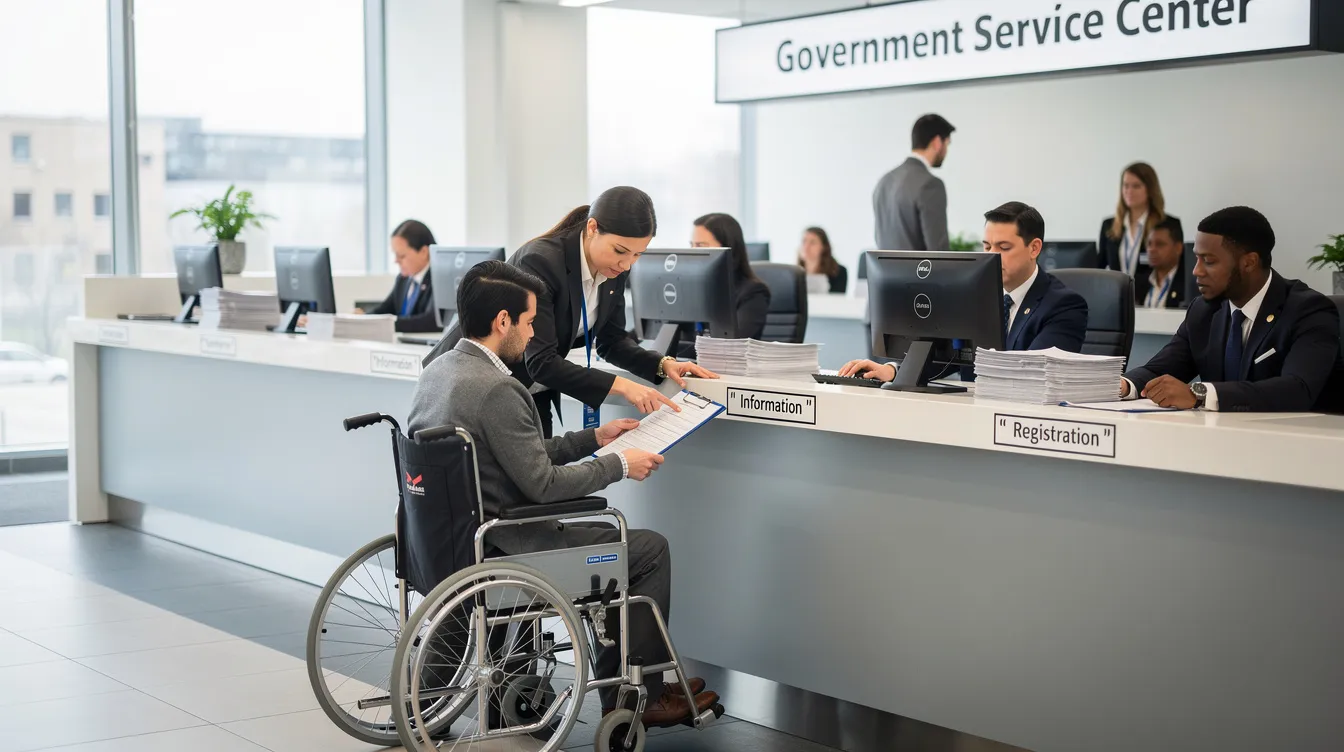
Himmat Card Pakistan: Complete Guide to Punjab Govt Himmat Card Scheme 2024
Introduction to Himmat Card Pakistan
The Himmat Card is a social welfare initiative in Punjab, Pakistan, designed to provide financial assistance to persons with disabilities who are unable to earn a living. Launched in August 2024 under the Social Welfare Department Punjab, the program delivers a quarterly stipend of PKR 10,500 to eligible beneficiaries and connects them with disability-focused services across the province. The Punjab government allocated PKR 2.658 billion for the program, and as of 2026, there were approximately 99,354 beneficiaries registered under the Himmat Card program.
This article covers everything you need to know: what the Himmat Card is, who qualifies, how to get a disability certificate, the step-by-step application process, and how overseas Pakistanis can support their eligible family members via remittances using ACE Money Transfer.
Here's a quick summary of what the scheme offers:
A quarterly stipend of Rs 10,500 for certified persons with disabilities who are assessed as not fit to work.
Access to assistive devices like wheelchairs and hearing aids.
Free travel on select public transit systems (Orange Line, Metro Buses) in Lahore, Multan, and Rawalpindi.
Use of the card as official proof of disability registration for other welfare programs.
The program aims to promote inclusivity for persons with disabilities across Punjab.
What is the Himmat Card and Who Can Get It?
The Himmat Card is an official card issued by the Punjab Social Welfare and Bait-ul-Maal Department to registered persons with disabilities in Punjab, Pakistan. It functions as both an identity tool and an ATM-style payment card, issued through the Bank of Punjab, allowing beneficiaries to receive and withdraw their stipend from ATMs across the province. The program is not currently a nationwide initiative and is specific to Punjab Province.
Keep in mind that specific details - amounts, additional services, eligibility thresholds - may evolve over time. Always verify the latest notifications on the official Social Welfare Department Punjab channels or by calling helpline 1312 before applying.
Role of the Social Welfare Department:
It verifies disability status through government medical boards, maintains beneficiary records in the Disabled Persons Management Information System (DPMIS), and disburses funds quarterly through the Bank of Punjab.
It coordinates with health, education, and labour departments to extend additional services such as free medical treatment, fee concessions, and job quota enforcement.
Key Benefits of the Himmat Card:
A quarterly stipend of PKR 10,500 for eligible beneficiaries, as per 2024 announcements. Beneficiaries can withdraw funds without incurring additional charges at Bank of Punjab ATMs.
The Himmat Card facilitates access to assistive devices like wheelchairs, hearing aids, and artificial limbs through government-run distribution programs.
Free travel on public transport networks in major Punjab cities, effective from October 15, 2024.
The card serves as proof of registration as a person with disability for other provincial or federal welfare programs, including Bait ul Maal aid and education concessions.
The government has indicated the program will expand to cover education expenses for children of eligible recipients in the future.
Who is Eligible?
The eligibility criteria are specific and strictly enforced:
Must be a Pakistani citizen permanently residing in Punjab. Applicants must reside in Punjab and hold a valid CNIC with a disability logo (or B-Form for children under 18) showing a Punjab address.
Must hold a valid disability certificate issued by the Punjab Social Welfare Department through the district or tehsil medical board.
Applicants must be assessed as not fit to work and not employed in any government or private job.
Applicants must not receive financial assistance from other welfare programs like BISP, Zakat Fund, PSPA, or similar schemes.
A Proxy Means Test score of 45 or below is required. If your PMT score exceeds 45, you will not qualify.
Personal information must be updated on the DPMIS system, including contact number, address, education, and disability details.
About 30% of the total quota is reserved for female individuals with disabilities.
Disability Certificate Requirement
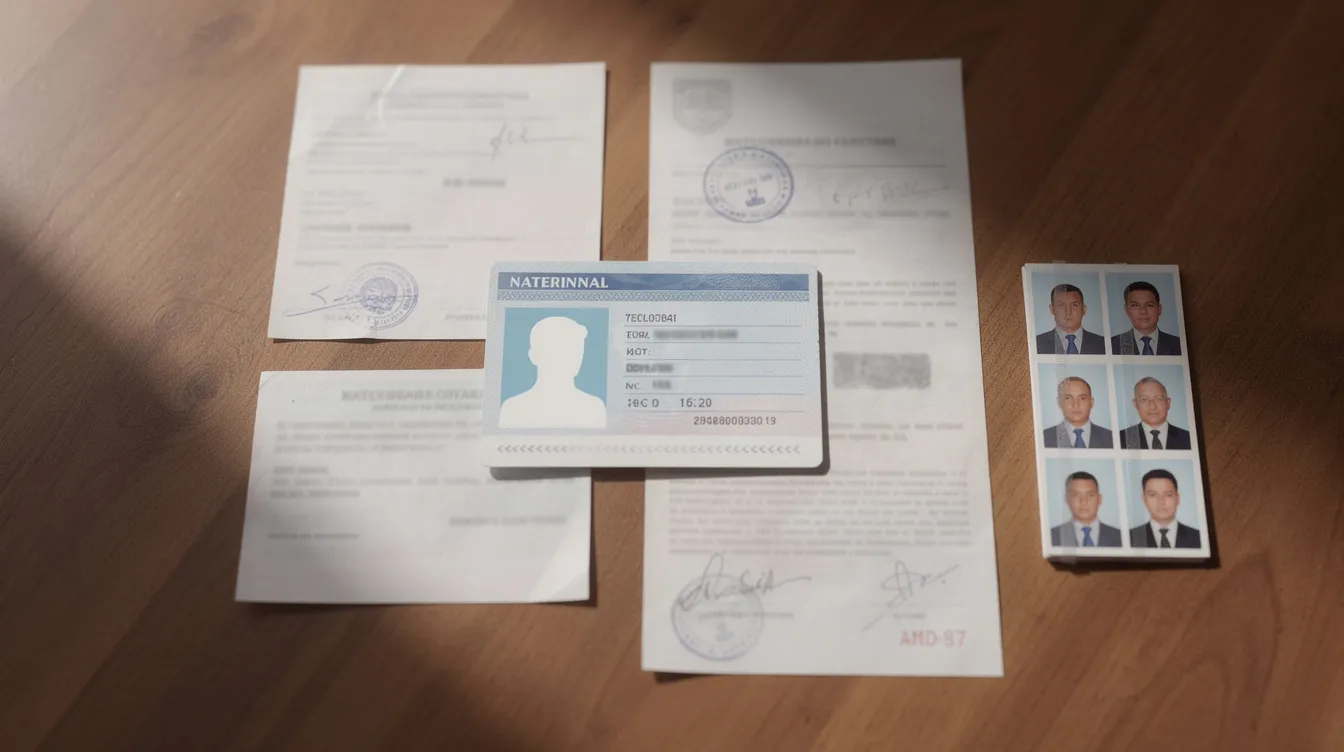
A disability certificate is mandatory to qualify for the Himmat Card. This certificate is normally issued after a thorough assessment by a government medical board operating in each district of Punjab. Without this certified document, your application will not be processed - no exceptions.
You must obtain a disability certificate from the Social Welfare Department. Here are the high-level steps:
Visit the nearest District Social Welfare Office or DHQ/THQ hospital and request the disability assessment form.
Submit your CNIC or B-Form, recent passport-sized photographs, and any existing medical reports related to the disability.
Attend the scheduled medical board examination, where specialists verify the type and severity of the disability (physical, visual, hearing, intellectual, or multiple disabilities).
Once approved, receive the official disability certificate and/or disability registration card.
The certificate typically looks like an official letter or card bearing your photograph, CNIC number, type/category of disability, and in many cases, the percentage of impairment. Only an authentic, government-issued certificate is accepted for the Himmat Card - privately obtained medical opinions do not qualify.
Keep both the original and multiple photocopies of the disability certificate. You will need them for the Himmat Card application, school admissions, and other social welfare programs. Make sure the name and CNIC number on the certificate match your other documents exactly.
How to Apply for Himmat Card in Punjab (Step-by-Step)
The standard application process is handled through physical Social Welfare offices and registration camps set up across Punjab districts and tehsils. If an official online portal or mobile app is announced in the future, the government will notify through its channels. For now, here is the office-based method broken down step by step.
Step 1: Confirm Your Eligibility
Before visiting any office, make sure you meet all the criteria: you are a Punjab resident with a valid CNIC, you hold a disability certificate from the Punjab Social Welfare Department, you are not employed, and you are not receiving support from BISP, Zakat Fund, or similar programs. Check your Proxy Means Test score - it must be 45 or below. You can verify your PMT score through BISP or NSER channels.
Step 2: Collect Required Documents
Gather everything before heading to the office. Missing documents are one of the most common reasons for delays. You will need:
Original CNIC or B-Form (for children) and photocopies.
Disability certificate and its copies.
Recent passport-sized photographs.
Proof of residence (electricity bill, domicile, or other official document).
Bank account details if the stipend is transferred digitally (optional, depending on implementation).
Step 3: Visit Your Local District Social Welfare Office
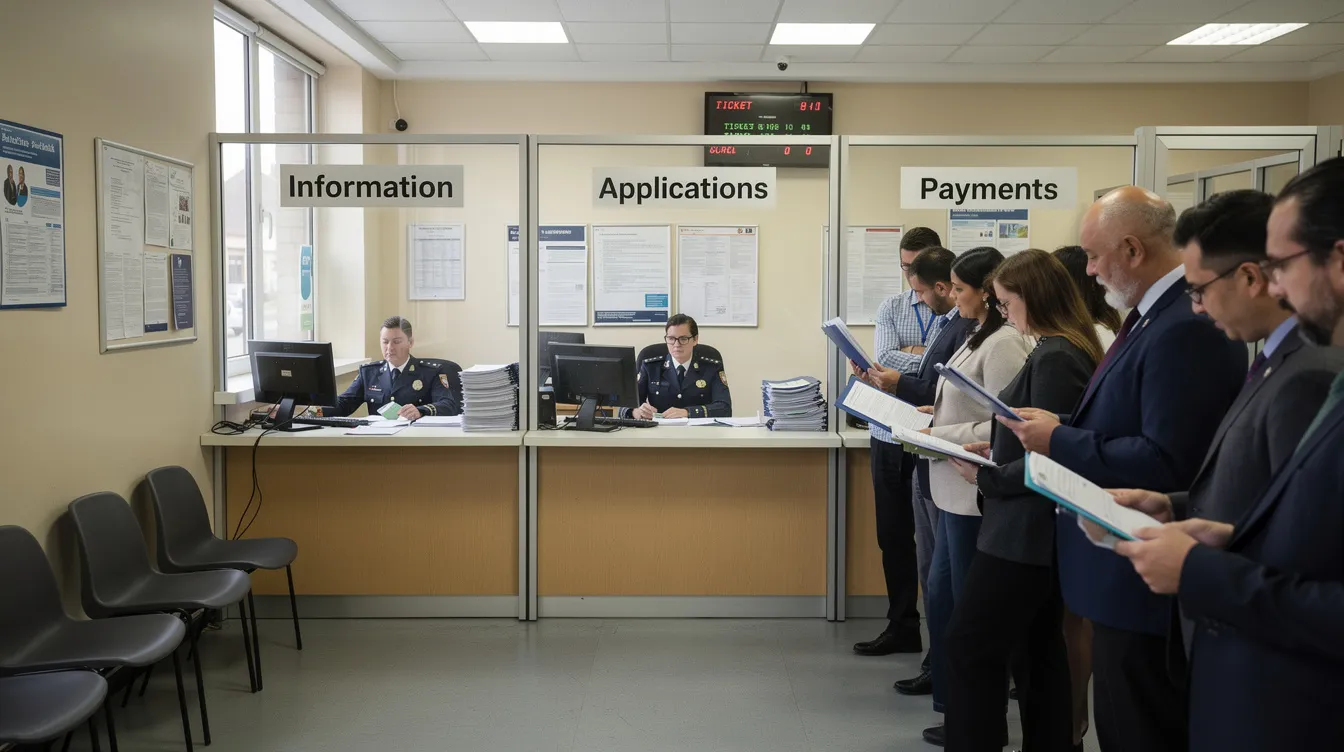
Visit your local District Social Welfare Office to apply. Go to the designated Social Welfare and Bait ul Maal office in your district and ask specifically for the Himmat Card application form. Registration camps in various tehsils may also be available during active enrollment phases.
Step 4: Fill the Application Form
Complete the Himmat Card form carefully. Include your disability type, income details, household information, and contact number. Double-check all spellings - your name and CNIC number must match your disability certificate and national ID exactly.
Step 5: Submit and Get Your Acknowledgment
Hand over the completed form and supporting documents to the concerned clerk or official. You should receive an acknowledgment slip or tracking number. Ask about the expected processing time, which may range from several weeks depending on the phase and district workload.
Step 6: Field Verification
Update your information on the Disabled Persons Management Information System before this stage. Field verifiers will confirm your information after application submission - they may cross-check your disability status, income level, and residence through a home visit or phone call. Keep your phone reachable and all documents ready during this period.
Step 7: Approval and Card Issuance
If approved, you will be informed through SMS, phone call, or local office noticeboard. Open a bank account after your application is approved - the Himmat Card itself is an ATM-style card issued through the Bank of Punjab. Your first quarterly payment of Rs 10,500 will be credited to this card, and you can withdraw the amount from any Bank of Punjab ATM without extra charges.
Practical Tips:
Ensure names and CNIC numbers on all documents match exactly. Even minor mismatches can delay or disqualify your application.
Keep photocopies of your entire application file and the acknowledgment slip.
Do not pay any unofficial fees - application processing is handled by the government's Social Welfare Department at no cost.
If your application is delayed or rejected, visit or call the Social Welfare office and quote your acknowledgment number. Request written reasons for rejection and guidance on reapplying. Common reasons include missing documents, incomplete DPMIS data, or unclear disability assessment results.
The program has rolled out in three phases: Phase I covered 40,000 individuals, Phase II added 25,000, and Phase III brought in an additional 35,000 - helping the government reach nearly 100,000 beneficiaries by 2026. Future phases may further expand coverage, and the government has also signaled enforcement of a 3% job quota for persons with disabilities across public and private institutions.

Using ACE Money Transfer to Support Himmat Card Beneficiaries
Many Himmat Card beneficiaries rely on financial support from family members working abroad. While the quarterly stipend helps cover basic expenses, it averages roughly Rs 3,500 per month - often not enough for surgeries, assistive devices, school fees, or ongoing medical care. Timely international remittances can bridge this gap and provide meaningful financial assistance beyond what the government program covers.
Here's how overseas Pakistanis can use the ACE Money Transfer platform to send money safely to family members in Punjab:
How the Transfer Process Works:
Register or log in to your account using your email, Google, or Apple ID on the ACE Money Transfer platform.
Choose Pakistan as the destination country and select a payout option: bank deposit, mobile wallet, or cash pickup.
Enter accurate recipient details, including full name as per CNIC, bank account number or IBAN, or mobile wallet number.
Select a payment method such as debit card, credit card, or online bank transfer from your country.
Add a payment reason (for example, "Family Support – Disability / Himmat Card beneficiary") and confirm all transfer details before clicking "Pay Now."
Track the transaction in real time using the ACE reference tracking number, and inform your family member once funds are available.
Available Payout Methods for the Recipient in Pakistan:
Payout Method | How It Works |
|---|---|
Bank Deposit | Funds sent directly to accounts in major Pakistani banks, including Bank of Punjab where Himmat Card accounts are held. |
Cash Pickup | Family member collects cash over the counter at authorized ACE partner bank branches and payout locations across Pakistan. |
Mobile Wallet | Instant credit to supported digital wallet accounts, so the caregiver can withdraw cash or pay bills directly from a phone. |
Why This Matters for Himmat Card Households:
Remittances can be synchronized with the quarterly Himmat Card stipend to cover larger expenses like surgeries, prosthetics, or school fees during months when the stipend alone falls short.
Fast, trackable transfers reduce the need for beneficiaries - many of whom have mobility challenges - to physically visit banks multiple times.
The combination of government aid and overseas support creates a more reliable safety net for vulnerable family members.
If you have relatives in Punjab who benefit from social welfare schemes like the Himmat Card, consider using ACE Money Transfer as a reliable, secure way to send them the support they need. Creating a free online account takes minutes, and transfers can be initiated 24/7 from multiple countries worldwide.
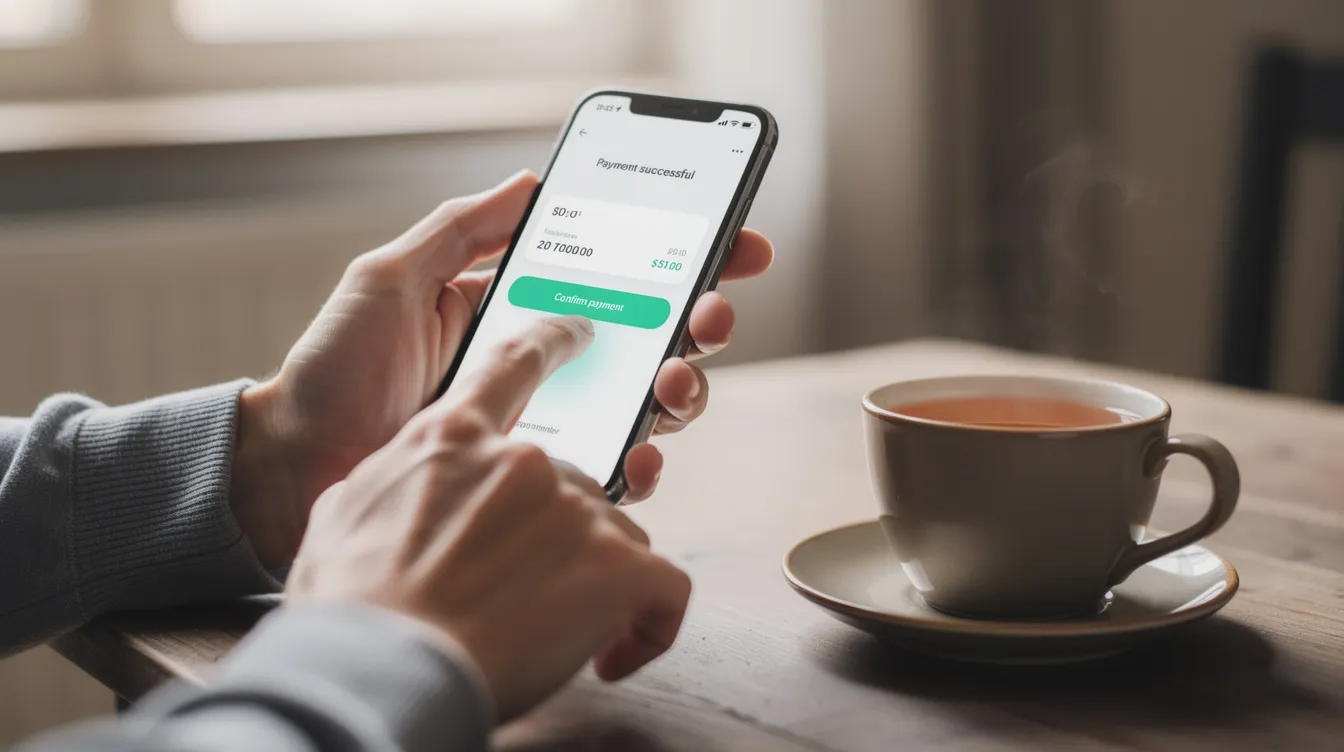
The Himmat Card initiative represents a concrete step toward helping individuals with disabilities in Punjab gain access to financial support, assistive devices, and public services that were previously out of reach. Whether you are applying for yourself, assisting a family member locally, or sending remittances from abroad through ACE Money Transfer, understanding the full process ensures that no eligible person is left behind. Stay updated through official Punjab government channels, keep your DPMIS data current, and reach out to helpline 1312 if you need assistance at any stage.
Disclaimer: This article is intended for general informational and educational purposes only and should not be construed as legal, regulatory, tax, business, or financial advice. While reasonable efforts have been made to ensure that all facts, figures, and data are accurate and valid as of the date of publication, no warranty or guarantee is given as to the ongoing completeness, accuracy, or currency of the information.
The content is based on information available at the time of publication. Regulations, government policies, market conditions, and service offerings may change over time and vary across jurisdictions and providers. As a result, some information may no longer be current or applicable. Readers should independently verify all information and consult qualified professional advisors before making any financial, legal, or business decisions.