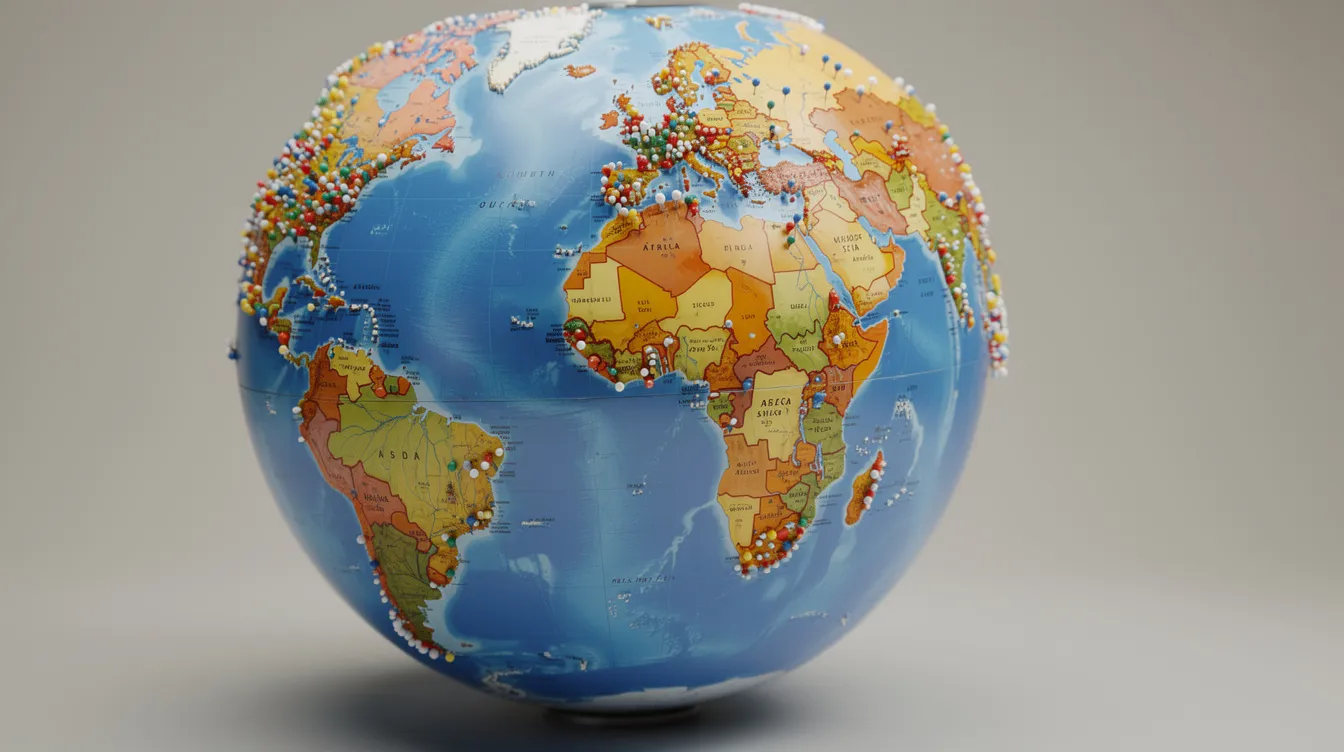
South African Passport: Global Ranking, Visa-Free Access and Travel Outlook
If you hold a South African passport, your ability to explore the world without jumping through visa hoops depends on a complex web of bilateral agreements, global politics, and evolving security policies. In 2026, that web looks very different from what it did a decade ago.
This guide breaks down where the South African passport stands globally, which destinations you can visit without a traditional visa, how tightening rules affect your travel plans, and what the future might hold. Whether you're a frequent traveller, a student eyeing study abroad, or a business owner chasing cross-border deals, this information will help you plan smarter.
Key Takeaways
South Africa ranks 96th in visa-free access globally as of 2026, with South African passport holders able to access 101 countries visa-free, via visa on arrival, or through electronic travel authorisation.
Visa free access is strongest across Africa (30 countries), the Caribbean (17 countries), and the Americas (18 countries), with meaningful access in parts of Asia and Oceania. Europe and North America remain heavily restricted.
Tightening visa policies worldwide have pushed up costs, paperwork requirements, and waiting times for South Africans planning international travel, particularly to major economic hubs like the UK and the US.
South Africa can improve its passport strength through new visa-waiver agreements, eVisa partnerships, and stronger document security, but travellers must stay updated on fast-changing entry rules.
The article below gives concrete examples of visa-free destinations, explains the current ranking in context, and outlines what the future could hold for South African travellers.
Overview of the South African Passport in 2026
The South African passport is issued by the Department of Home Affairs under the Passport and Travel Documents Act. Beyond serving as the primary document for international travel, the South African passport guarantees the right to live, work, and study in South Africa. Its global strength directly affects how easily South Africans can conduct business abroad, attend conferences, study at foreign universities, and take holidays without weeks of visa paperwork.
Where Does South Africa Rank?
As of 2026, the South African passport sits around 96th place globally on major passport indexes. The ranking is based primarily on the number of destinations where South African passport holders can enter without obtaining a traditional embassy visa beforehand, whether through visa free access, visa on arrival, or electronic travel authorisation.
To put this in context, here's how South Africa compares to a few benchmark countries on the Henley Passport Index:
Country | Approximate Rank | Destinations Accessible |
|---|---|---|
Singapore / Japan | 1–2 | ~190–195 |
South Korea | Top 5 | ~190 |
Qatar | ~50–55 | ~100–105 |
Belize | ~60–70 | ~90–100 |
South Africa | ~96 | ~101 |
Afghanistan | Last | ~30 |
South Africa is tied with or close to several other middle-tier countries, sitting well below passport powerhouses but far above the weakest travel documents in the world.
How Did South Africa Get Here?
The decline in ranking over the past decade tells a story worth understanding:
A decade ago, South Africa sat comfortably in the top 50 globally. The passport opened more doors relative to peer nations.
Stricter global migration controls, heightened security screening, and political shifts led many destination countries to tighten entry requirements, and South Africa was not spared.
Reciprocity issues also played a role. When South Africa didn't match visa-free arrangements offered by other nations, some countries withdrew or refused to extend visa waivers.
The current stabilization around the mid-90s in ranking reflects both ongoing diplomatic challenges and modest recovery efforts by the South African government.
Visa-Free Access and Entry Options for South African Passport Holders
South African passport holders can visit 101 countries without going through a traditional embassy visa process. But not all of those 101 destinations work the same way. There are three distinct categories of entry, and understanding the differences matters for planning your trip.
The Three Categories
Visa-free access requires no applications or fees. You arrive at the destination country with your passport, and immigration lets you through, sometimes after checking proof of onward travel or sufficient funds.
Visa on arrival allows obtaining a visa at the entry point. You fill out forms and sometimes pay a fee at the airport or border crossing when you land, rather than applying weeks in advance at an embassy.
Electronic travel authorisation (eTA/eVisa) requires online registration before travel. It's less cumbersome than an embassy visit, but you must complete the process and receive approval before boarding your flight.
Together, these three categories cover approximately 101 destinations worldwide. Of those, roughly 53 are fully visa-free, about 28 offer visa on arrival, and around 20 accept online travel permits.
Visa-free access for South African passport holders can change frequently based on international agreements. Always verify entry rules close to your travel date.
Regional Breakdown
Here's an approximate snapshot of where South Africans enjoy the easiest access:
Region | Approximate Visa-Free / Easy Access |
|---|---|
Africa | 30 countries |
Caribbean | 17 countries |
Americas (total) | 18 countries |
Asia (Southeast & East) | 10–15 countries (mix of visa-free, VOA, eVisa) |
Oceania | 5–8 countries |
Middle East | 3–5 countries |
Europe | Very limited (2–4 countries) |
South Africans can visit 17 Caribbean countries visa-free, and 30 African countries offer visa-free access to South Africans. In the Americas, South African passport holders can access 18 countries visa-free.
Concrete Destination Examples
To give you a clearer image of what's available, here are specific destinations across different regions:
Singapore - visa-free for up to 30 days. A major business and leisure hub in Asia.
Thailand - visa-free for 30 days for tourism, making it one of the most popular holiday spots for South Africans.
Mauritius - visa-free for approximately 90 days. A convenient island getaway from South Africa.
Barbados and Jamaica - visa-free in the Caribbean, offering sun, culture, and convenience without paperwork.
Brazil and Peru - visa-free in South America, opening up everything from Rio de Janeiro to Machu Picchu.
Kenya - simplified access in East Africa (eVisa may be required depending on purpose).
Fiji - visa-free in Oceania, ideal for travellers seeking Pacific Island experiences.
Benefits and Limitations
The practical benefits of visa free access are significant. You save on embassy fees, avoid courier costs, and can make more spontaneous travel decisions. For business travellers, this means attending a last-minute conference in Singapore or closing a deal in Brazil without weeks of admin.
However, even visa-free destinations come with conditions:
Length of stay limits (typically 30, 60, or 90 days)
Proof of onward travel or return ticket often required
Proof of sufficient funds may be checked
Entry at the discretion of immigration officers
Restricted to tourism - not work or study, unless otherwise specified
Always check the official embassy or government website of your destination country shortly before departure.
Impact of Tightening Visa Rules on South Africans
Over the past several years, increasing global security concerns, shifting migration patterns, and evolving geopolitics have led many countries to toughen their visa requirements. South African travellers have felt this shift acutely.
The Cost Problem
Visa applications come with direct financial costs that add up fast:
Application fees often charged in foreign currency, meaning rand volatility can make the same visa significantly more expensive from one month to the next
Courier and postage costs to send documents to embassies
Biometrics appointments at designated centres, sometimes requiring travel to Johannesburg, Pretoria, or Cape Town
Certified documents - bank statements, police clearances, medical certificates
Standard passport application fees in South Africa are approximately R600 for adults, but the total cost of a visa application to a country like the UK or US can run several thousand rand when all associated expenses are factored in.
The Time Burden
Beyond money, the admin burden is substantial. Holders of a South African passport need visas for major economic hubs like the UK and the US. The process typically involves:
Completing detailed online forms
Gathering supporting documents (bank statements spanning several months, employment verification letters, travel insurance)
Attending in-person interviews at embassies or visa processing centres
Waiting weeks or sometimes months for a decision
This makes spontaneous international travel to Europe, North America, or Australia virtually impossible for South Africans.
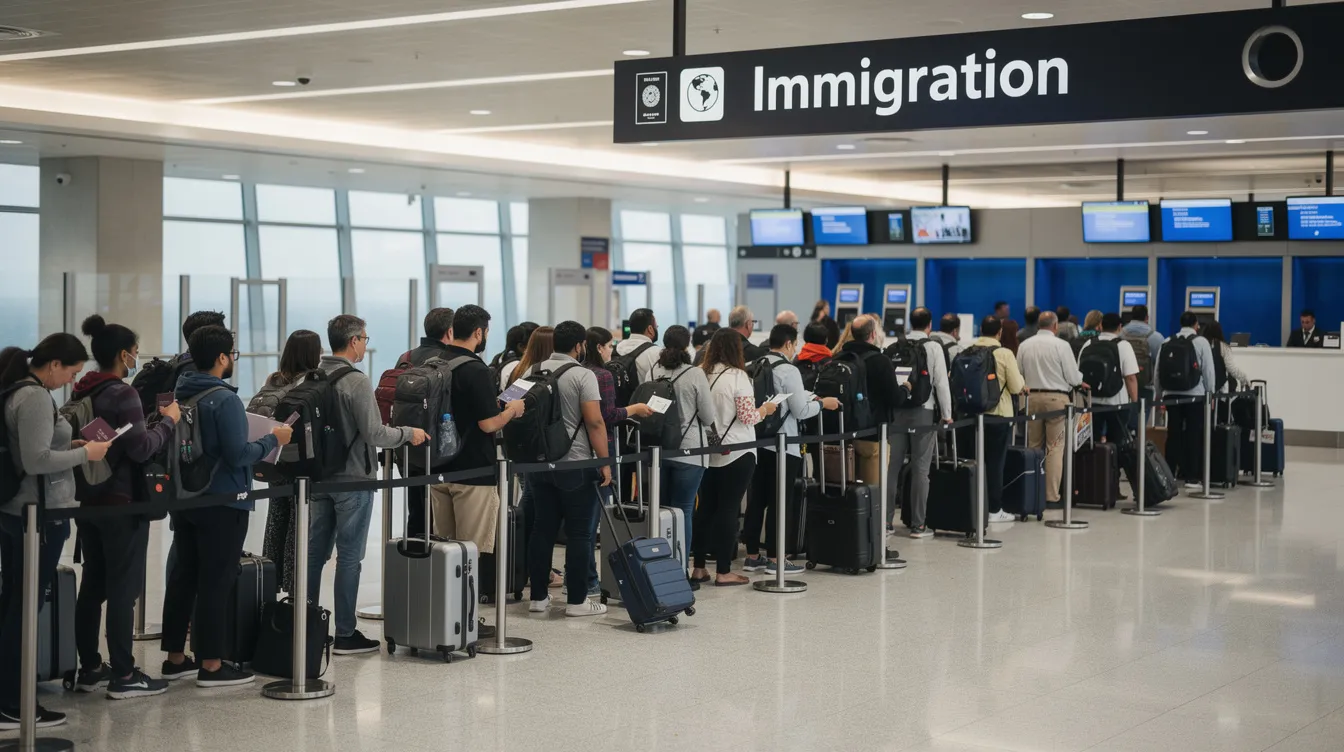
Who Gets Hit Hardest?
The impact is especially pronounced for certain groups:
Students applying to study abroad or attend academic conferences must plan visa applications months ahead, and rejections can derail entire academic timelines.
Freelancers and entrepreneurs may lose contracts or miss trade fairs because visa processing doesn't align with business timelines.
Small-business owners exploring new markets find the cost and time of repeated visa applications a genuine barrier to growth.
Practical Coping Strategies
If you need to travel to visa-required destinations, a few strategies can help:
Plan trips at least three to four months ahead, especially for Schengen, UK, or US travel
Keep essential documents perpetually updated - bank statements, proof of employment, proof of ties to South Africa
Use professional visa facilitation services where appropriate to reduce errors and processing delays
Monitor exchange rates and budget for visa fees during favourable periods
Maintain a clean travel history - overstays or immigration violations in any country can create problems everywhere else
Future Outlook for South Africa's Passport and Travel Access
The current ranking is not where South Africans want to be, but it's not the end of the story. South African passport holders still enjoy meaningful visa-free access across Africa, the Caribbean, South America, and parts of Asia. The question is whether that access will continue, shrink, or grow.
What the Government Can Do
Several levers are available to strengthen the South African passport over time:
Negotiate new bilateral visa-waiver agreements with countries in Asia, the Middle East, and Latin America
Expand eVisa and eTA partnerships to make entry easier even where full visa-free status isn't achievable
Improve domestic security and document integrity - stronger biometric systems, fraud prevention, and reliable identity verification build trust with other governments
Leverage regional bodies like SADC and the African Union to push for integrated intra-Africa travel policies
Recent Policy Signals
There are encouraging signs. The Revised White Paper on Citizenship, Immigration and Refugee Protection approved by Cabinet aims to modernize South Africa's immigration framework by consolidating multiple laws and strengthening visa policy reforms.
South Africa's Electronic Travel Authorisation (ETA) system has also expanded from an initial pilot for visitors from China, India, Indonesia, and Mexico to broader use, including a digital module for extending stays. The MEETS visa scheme targeting exhibitions, events, and large delegations is another step toward more efficient processing.
Global Trends to Watch
Several global trends will shape future access for South African travellers:
Biometric screening and AI-driven risk assessment at borders - these can speed up processing for low-risk travellers but may also increase scrutiny
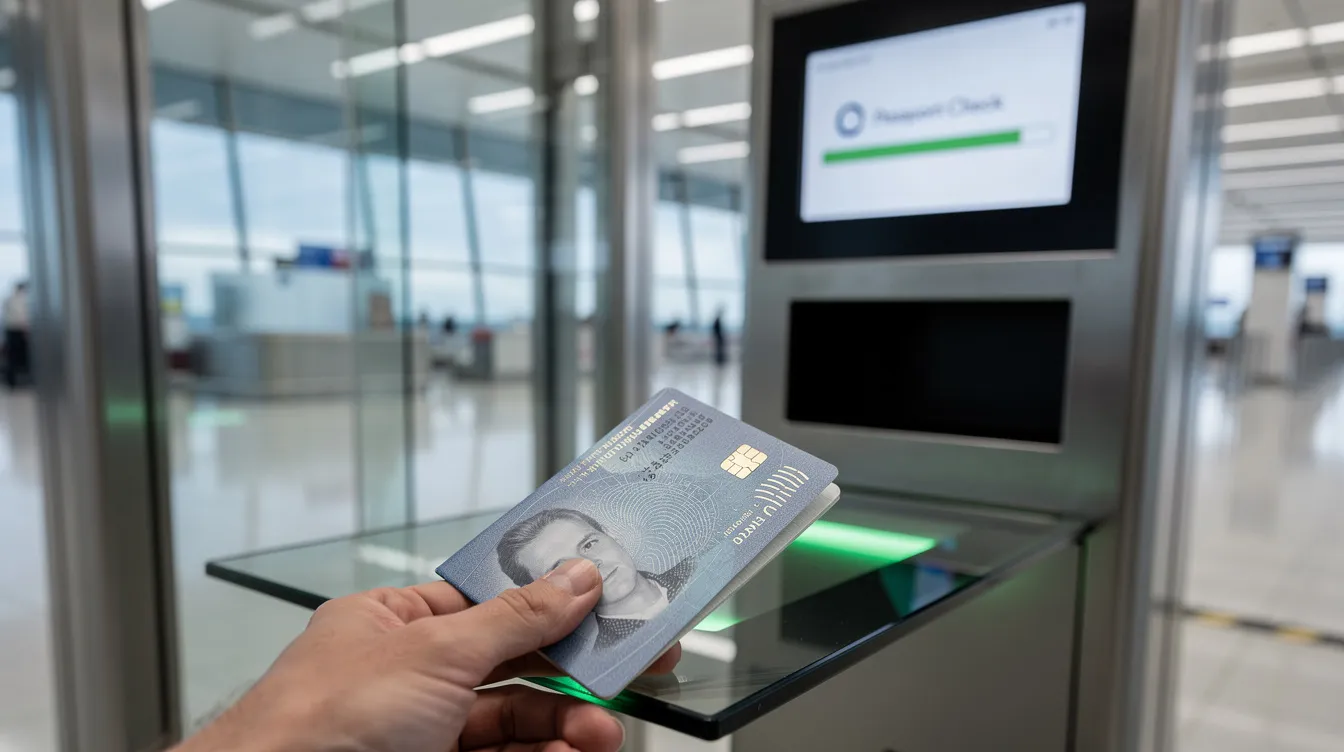
Growth of digital identity systems - South Africa's Smart ID card rollout helps verify passport holders internationally
Expansion of electronic travel authorisations globally - as more countries adopt eTA systems, the distinction between "visa-required" and "accessible" may shift in South Africa's favour
Preparing for What's Next
For individual travellers, the best approach is proactive:
Check entry requirements close to your travel date using official embassy or government sources, because rules shift with little notice
Maintain a passport valid for at least six months beyond your planned travel, with sufficient blank pages
Keep your travel record clean - no overstays, no immigration violations
Consider dual citizenship or residence options where legally feasible, but understand the legal and tax implications fully before proceeding
Maintaining a valid South African passport is essential for international travel. Don't let an expired document catch you off guard.
The current situation is a wake-up call for stronger diplomacy and modernized systems. But it's also a reminder that South Africans who stay informed, plan ahead, and keep their documents in order can still share in significant global travel access. The world is not closed - it just requires more preparation than it used to.
Frequently Asked Questions about the South African Passport
This FAQ addresses practical questions South Africans often have about passports and travel that aren't fully covered in the main sections above.
How long is a South African passport valid, and when should I renew?
South African passports are valid for 10 years for adults and 5 years for children. It's recommended to renew with at least six months' validity remaining before any planned international travel, as many destination countries require this minimum validity beyond your stay. Processing times for passport applications can vary significantly, especially when applying abroad through South African missions.
Where and how can I apply for or renew a South African passport?
You can apply for a South African passport either online or in person. In-person applications are handled at Department of Home Affairs offices and selected bank branches across the country. South Africans living abroad can apply through South African embassies and consulates.
Applying for a South African passport requires specific identification criteria. A valid South African ID is necessary for applicants aged 16 and older. Children under 16 must provide a South African birth certificate for passport applications. Minors require mandatory parental or guardian consent during the application process.
Biometric capture procedures are part of the passport application process. Applying for a South African passport can involve biometric capture of photographs, fingerprints, and signatures. Passport photographs may not be required at modern Home Affairs offices with biometric systems, as these offices capture your photo digitally on-site.
Standard passport application fees in South Africa are approximately R600 for adults. Fees for children and expedited processing may differ.
Is dual citizenship allowed in South Africa?
South Africa legally recognizes dual citizenship with specific application processes. However, dual citizenship requires careful compliance with South African laws to avoid losing citizenship. If you acquire another country's citizenship, you may need to apply for "retention of South African citizenship" before or during the process.
Dual citizens must use their South African passport to enter and exit South Africa, regardless of what other passports they hold. Holding a second passport can provide access to stronger travel rights, but you should get professional legal advice before pursuing this route to understand the full implications.
What should I do if my passport is lost or stolen overseas?
A completed loss of passport report is needed if the current passport is lost or stolen. Here's what to do:
Report the loss to local police and obtain a written police report
Contact the nearest South African embassy or consulate immediately
Apply for an emergency travel document (temporary passport) to return home
Allow time for consular processing - replacement of a regular passport abroad may require original or certified copies of supporting documents
Are there special rules for South African children travelling internationally?
Yes. South African children travelling on South African passports may need:
An unabridged birth certificate showing both parents' details
Parental consent letters if travelling with only one parent or with another adult
Additional documentation depending on the destination country's child protection laws
These requirements exist at both South African borders and many foreign entry points. Always confirm the latest rules with the destination country's embassy and with the Department of Home Affairs before booking travel with children.
Can I visit countries in January without a visa?
Visa-free access is not seasonal - it applies year-round based on bilateral agreements between South Africa and destination countries. Whether you travel in January or July, the same entry rules apply. However, some countries adjust visa policies at short notice, so always verify requirements close to your departure date regardless of the month.