Application for Visit Visa UK: How to Apply for a Standard Visitor Visa
Planning a trip to the UK? Whether you want to see family, take a holiday, or attend a business meeting, you will likely need to submit an application for a visit visa UK before you travel. This guide walks you through everything from eligibility requirements to the step-by-step application process, so you can apply with confidence and avoid common mistakes.
Key Takeaways
A UK Standard Visitor visa usually allows a stay of up to 6 months for tourism, visiting a family member, short study, business activities, or private medical treatment.
Most applicants must apply online from outside the UK, pay an application fee of £115 for a 6-month visa, and attend a biometric appointment at a visa application centre.
You must prove you are a genuine visitor with strong ties to your home country, enough money to cover trip expenses without accessing public funds, and a clear intention to leave the UK at the end of your visit.
A Marriage Visitor visa is needed if you plan to marry or register a civil partnership in the UK. Work is only permitted in narrow permitted paid engagement scenarios.
Processing time is typically about 3 weeks after biometrics. Documents required include a valid passport, financial evidence, and travel plans.
What Is the UK Standard Visitor Visa?
The UK Standard Visitor visa is the main route for short stays in the UK, governed by Appendix V of the Immigration Rules. The terms "Standard Visitor visa" and "UK visitor visa" refer to the same visa category.
This visitor visa covers:
Holidays, tourism, and leisure
Visiting friends and family
Attending business meetings, conferences, and negotiations
Short course study (up to 6 months) at approved institutions
Receiving private medical treatment
Standard Visitor visas allow stays up to 6 months. This is not a route to work, live permanently, or access public funds, and it cannot normally be used to switch into other visa categories from inside the UK. Long-term Standard Visitor visas lasting 2, 5, or 10 years exist for frequent travellers, but each individual visit is still capped at 6 months.
What You Can and Cannot Do on a Standard Visitor Visa (Permitted Activities)
Understanding permitted activities is critical before you travel to the UK on a visit visa.
You can:
Enjoy tourism and leisure
Visit a family member or friends
Attend business meetings, seminars, and conferences
Take a short course (up to 6 months) at an accredited institution
Receive medical treatment privately, including consultations and planned operations
Volunteer for a registered charity (up to 30 days)
You cannot:
Take employment or fill a permanent role
Run a business or do unpaid work that amounts to filling a vacancy
Access UK public funds or state benefits
A permitted paid engagement is a separate, specific route for professionals such as guest lecturers, academic examiners, artists, entertainers, and sports professionals. These engagements must be arranged in advance, completed within 30 days, and applicants should apply for the correct category if payment in the UK is involved.
Using a Standard Visitor visa to live in the UK through successive visits, to study long-term, or to marry without the correct Marriage Visitor visa can lead to being refused entry or banned from future travel.
Eligibility Requirements: Who Can Apply for a Standard Visitor Visa?
Before you apply for a standard visitor visa, you must meet these eligibility requirements:
Genuine visitor intent: You must prove you are a genuine visitor who will leave the UK at the end of your visit. You cannot frequently visit the UK for long periods to effectively live there.
Financial circumstances: You need sufficient funds for travel, accommodation, daily expenses, and your return journey without working or relying on public funds. This can come from your own finances or a sponsor's support.
Ties to home country: You must provide evidence of ties to your home country to support your return intent. This includes employment, business, studies, property, or close family obligations.
Travel document: You need a valid passport covering your entire stay, with at least one blank page for the visa vignette.
Immigration and criminal history: Previous visa refusal, overstays, or criminal convictions must be declared honestly. These affect your suitability under the immigration rules.
Additional rules apply for specific visit types. For example, a person applying for private medical treatment must prove medical need and funds. Child visitors travelling without both parents need parental consent and evidence of care arrangements.
Do You Need a Visa to Visit the UK?
Whether you need a visa depends on your nationality, purpose, and length of stay. You can check using the official GOV.UK "Check if you need a UK visa" tool.
Visa nationals must apply for a UK visitor visa application in advance.
Non-visa nationals may visit without applying but must still satisfy visitor rules at the border.
Visitors from certain countries may need an Electronic Travel Authorisation (ETA) instead, which costs £20 and requires advance online approval. This is separate from a transit visa or a full Standard Visitor visa.
Even if you do not need a visa, Border Force can refuse entry if they believe you will overstay, work illegally, or undertake activities not allowed as a UK visitor.
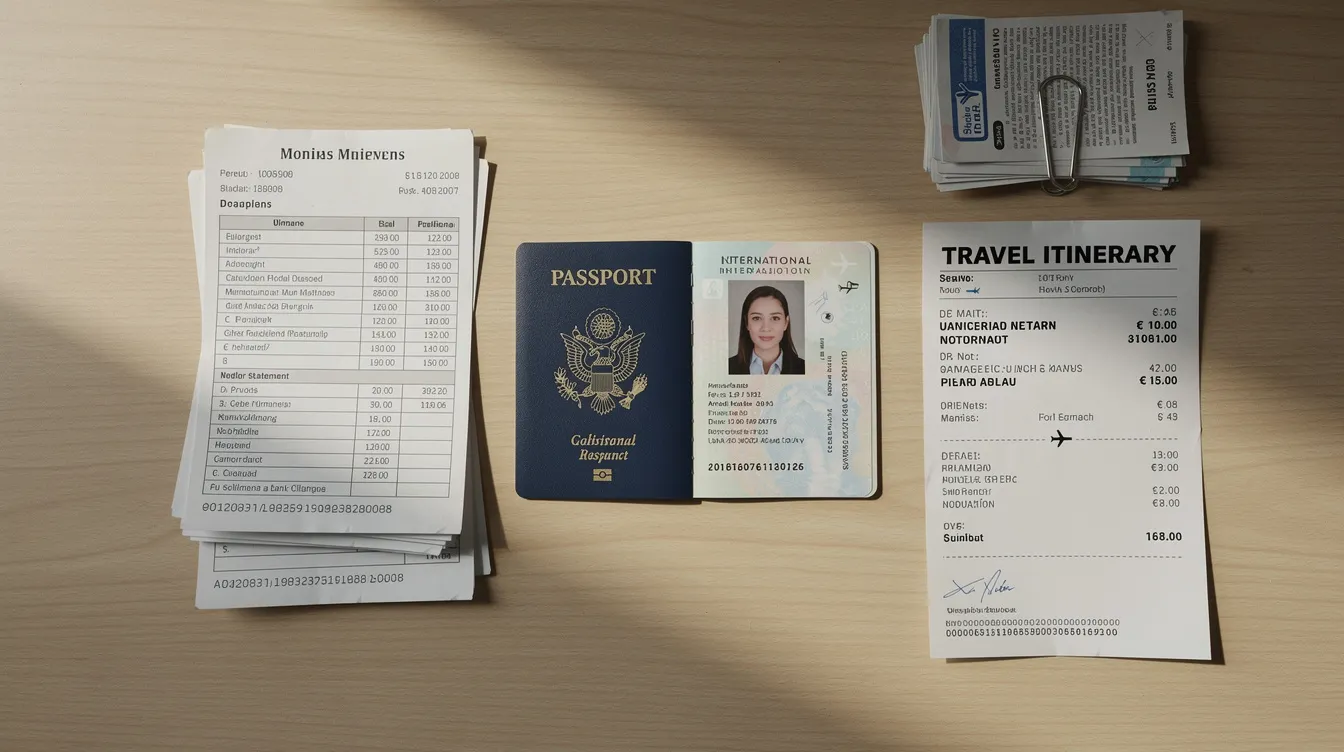
Documents Required for a Standard Visitor Visa Application
Always cross-check the latest requirements on GOV.UK, as the documents required can change. Here is what you typically need:
Document Type | Details |
|---|---|
Passport | A valid passport covering your full stay with a blank page |
Application form | Completed online via GOV.UK |
Visa fee payment | Confirmation of payment |
Biometric appointment | Booking confirmation at your visa application centre |
Financial evidence: Provide recent bank statements (3–6 months), payslips, tax returns, or business accounts showing enough money for the trip.
Purpose of visit: Include a detailed travel itinerary, hotel bookings or accommodation letters, invitation letters from UK-based contacts, conference registrations, or course enrolment confirmations. Travel plans including accommodation details should be provided, but they do not need to be booked in advance.
Sponsor documents: If someone else is paying, include the sponsor's bank statements, payslips, UK immigration status, a letter explaining the relationship, and proof of your relationship with the visitor.
Tuberculosis test: Nationals of certain listed countries must provide a TB test certificate if staying for more than 6 months. For short stays under 6 months, a tuberculosis test is usually not required.
Certified translations are required for non-English documents. You must provide certified translations including the translator's name, date, contact details, and a statement of accuracy. Each family member must submit their own application.
How to Apply for a Standard Visitor Visa UK (Step‑by‑Step)
Here is a practical guide to submitting your UK visit visa application:
Check eligibility: Confirm your uk visit visa requirements, permitted activities, and whether you need a visa using GOV.UK tools.
Complete the online form: Create an account on GOV.UK, select the standard visit visa route, and fill in accurate personal, travel, and financial details. You can apply online for a UK visitor visa.
Upload documents: Prepare and upload your passport, financial evidence, invitation letters, travel plans, and TB certificate if applicable.
Pay the fee: The application fee for a 6-month visa is £115. Long-term visitor visas cost more (2-year: £506, 5-year: £903, 10-year: £1,128). The visa fee is non-refundable.
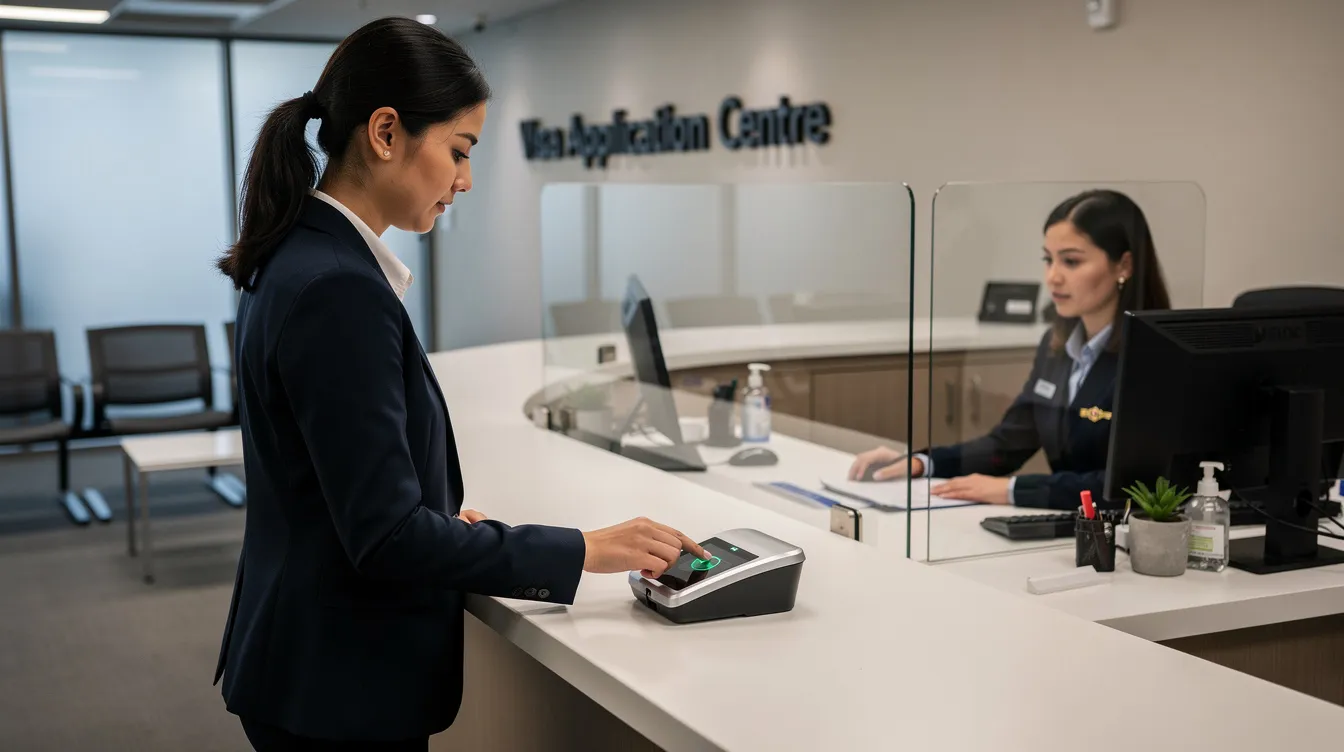
Book biometrics: You must book an appointment at a visa application centre (VFS or TLS, depending on your country). A biometric appointment at a Visa Application Centre is required for the application.
Attend the appointment: Provide fingerprints, a digital photograph, and original documents. Your passport is normally retained until a decision is made.
Wait for a decision: You usually receive a visa decision within 3 weeks. Some centres offer priority or super-priority services at additional cost.
You can apply up to 3 months before your travel date. For example, apply in January for an April trip.
Special Visit Situations: Children, Marriage, and Long‑Term Visitors
Some visit scenarios require different visa categories or extra documentation beyond the regular standard visitor visa.
Child visitors: If the applicant is under 18, provide parental consent letters, proof of who the child will stay in the UK with, and evidence of the family relationship. Additional safeguards ensure proper care and return home.
Marriage and civil partnership: A standard visitor visa cannot be used to marry or register a civil partnership in the UK. You need a Marriage Visitor visa instead, and Marriage Visitor visas require proof of marriage arrangements. If you plan to live in the UK with a British or settled partner afterward, you likely need a family or partner visa.
Long-term visitors: A 2-year, 5-year, or 10-year valid visit visa suits frequent travellers, but each stay remains limited to 6 months. UKVI may grant a shorter validity than requested if your travel history shows repeated long stays.
Medical visitors: Medical Visitor visas can be granted for up to 11 months for ongoing private medical treatment.
Student visitors: Student Visitor visas are valid for courses up to 6 months. Degree level study or longer programmes typically require a Student visa, not the visitor route.
Permitted paid engagement: Certain professionals may qualify for this specific visa category, normally valid for a single visit up to one month.
Processing Times, Outcomes, and What If Things Go Wrong?
Typical processing time for a UK tourist visa is around 3 weeks from biometrics. Apply several weeks before your planned trip, especially during busy periods. Priority and super-priority services, where available, offer faster decisions but cost significantly more.
Positive outcome: Your passport is returned with a visa vignette showing validity dates. Travel within the validity period and follow all visitor conditions. A valid visit visa does not guarantee entry; Border Force makes the final decision.
Refusals: You cannot usually appeal a visitor visa refusal. Most refusals are due to insufficient financial evidence, weak ties to your home country, unclear purpose of visit, or inconsistencies in your information. You will receive a refusal letter explaining the reasons. You can read guidance on refusal reasons on GOV.UK.
If refused, reapplying is quicker than appealing a visa refusal in the rare exceptional circumstances where appeal rights exist. Address the reasons for refusal in your new application with stronger evidence and clearer documentation. In limited cases, administrative review may be an option, but for most visitors, a fresh, well-prepared application is the best path forward.
A well-prepared application with strong financial evidence and clear travel plans gives you the best chance of success. Start early, gather your documents carefully, and always verify the latest rules on GOV.UK before you submit.
FAQ
Below are answers to common questions about applying for a UK Standard Visitor visa not fully covered above.
How far in advance can I apply for a UK Standard Visitor visa?
You can apply up to 3 months before your intended date of travel. For example, if your trip is in April, you could submit your application in January. Always check GOV.UK for the most current timeframe, as compelling reasons occasionally lead to policy updates.
Can I extend my stay beyond 6 months on a Standard Visitor visa?
Extensions are generally not allowed. Only in very limited exceptional circumstances, such as ongoing private medical treatment or serious unforeseen events, can you apply for an extension from inside the UK, which requires an additional fee and takes around 8 weeks to process.
Can I study in the UK on a Standard Visitor visa?
Yes, a short course of up to 6 months at an approved institution is a permitted activity. However, longer academic programmes or degree level study require a Student visa rather than the visitor route.
Does having a UK sponsor guarantee that my visa will be granted?
No. A sponsor can strengthen your application by providing accommodation and financial support documents, but you must still independently meet all eligibility requirements and show genuine visit intentions with strong reasons to return to your home country.
Can I travel to Ireland or elsewhere in Europe on a UK Standard Visitor visa?
A UK Standard Visitor visa only covers entry to the UK and, in some cases, the Crown Dependencies. It does not permit travel to Ireland or Schengen countries. Depending on your nationality, separate visas may be required for those destinations.