Applying for a Visa: Step-by-Step Guide for UK and Student Applicants
A visa is official immigration permission granted by a country to a foreign national, allowing entry, stay, or transit. Whether you are a student heading to a UK university, a tourist planning a short visit, or a worker relocating overseas, the application process follows a predictable pattern. This step-by-step guide covers what you need, how to apply, and how to avoid the mistakes that cause most refusals.
Key Takeaways
A visa application should begin 2 to 3 months before travel for most routes. UK student visa applicants applying from overseas can submit up to 6 months before their course start date.
The core visa process is consistent worldwide: check eligibility, choose the correct visa type, gather documents, complete the online form, pay fees (including the UK immigration health surcharge where applicable), attend a biometric appointment, and wait for the decision.
For a UK visa, always follow current guidance on GOV.UK, as fees, documents and processing times change regularly. Standard overseas processing aims for 3 weeks; in-country switching can take about 8 weeks.
Most refusals result from incomplete forms, missing financial evidence, or failure to follow country-specific rules. Double-check every detail before submitting.
This article includes UK-specific fee breakdowns, common mistakes, and an FAQ covering timelines, refunds, and reapplying after refusal.
Understanding Visa Applications
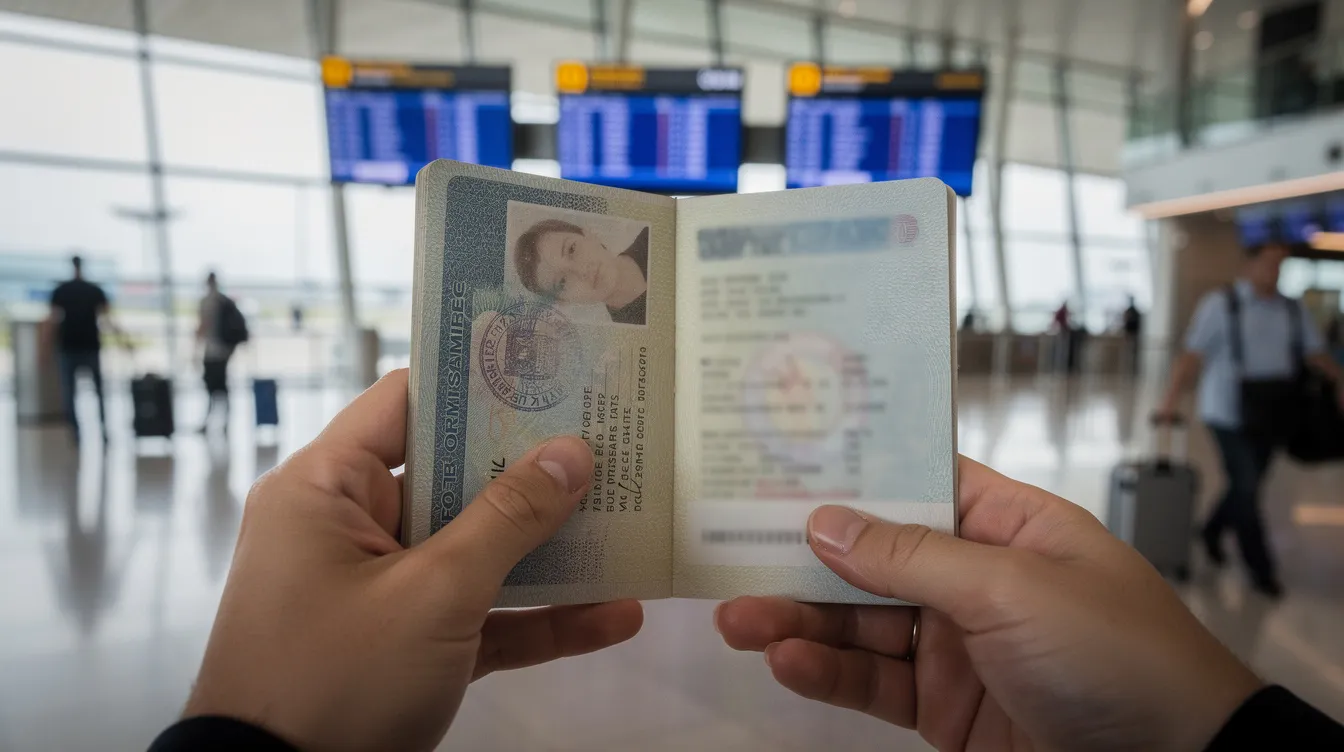
A visa is permission to enter or remain in a country, issued either as a physical sticker (vignette) in a passport or as a digital status linked to an eVisa. Digital status systems now link identities to eVisas instead of physical visa stickers in several countries, including the UK. A properly prepared visa application is essential because errors at this stage can block legal entry, study, or employment abroad. Immigration rules and required documents are subject to frequent changes and updates, so checking official sources before each application is non-negotiable.
Visa categories and requirements vary widely depending on nationality and travel purpose. Student visas allow enrollment in accredited educational institutions and may include limited work rights. Work visas are required for legal employment in the destination country, and many visa applications require a formal job offer or sponsorship prior to applying. Family visas are intended for joining legally resident family members. Application processes vary based on visa type and country, affecting required documentation at every step. Choosing the wrong category at the start of the application process can lead to automatic refusal.
Immigration officers typically assess identity, purpose of travel, finances, immigration history, and security concerns. Many immigration systems also require applicants to demonstrate ties to their home country to confirm they will return after their stay. This article focuses on practical steps applicable to most destinations, with extra detail for UK visa and UK student visa routes.
Check If You Need a Visa and Choose the Right Type
Before completing any form, confirm whether your nationality and trip length require a visa at all. Some passport holders qualify for visa-free entry for short stays; others need a full application even for a weekend trip.
Follow these three steps: (1) visit the destination country's official immigration website, (2) use any available eligibility tool (for the UK, use the "Check if you need a UK visa" tool at gov.uk/check-uk-visa), (3) confirm rules for your nationality, purpose, and period of stay. For example, an Indonesian citizen visiting the UK for 10 days as a tourist needs a Standard Visitor visa, while UK passport holders can stay in EU countries for up to 90 days in any 180-day period without a visa.
The main categories for most travellers are: visitor visas, which cover tourism and family visits lasting up to 6 months; student visa, for full-time study at a licensed institution; work visa, requiring a suitable employer sponsor; family visa, for a spouse, child, or other dependent joining a resident; transit visas, for individuals passing through a country rather than entering it; and permanent residence visas, which lead to long-term settlement. Applying under the wrong category, such as attempting full-time study on a tourist visa, causes refusal and creates problems in future immigration records.
Prepare Your Documents and Finances
Most visa delays or refusals come from weak or incomplete supporting documents. Prepare everything before making any non-refundable travel arrangements.
A standard visa application typically requires: a valid passport with sufficient remaining validity, recent passport-sized photos in the accepted format, a completed visa application form, proof of travel plans and accommodation, financial evidence such as bank statements or a sponsor letter, and travel insurance where applicable. Visas often require supporting documents like financial statements and proof of accommodation.
For a student visa, additional documents include: a Confirmation of Acceptance for Studies (CAS) from your university, academic transcripts, language test results (such as IELTS), an ATAS certificate if your course and nationality require one, parental consent and proof of relationship if the applicant is a child under 18, and a tuberculosis test certificate if your country is on the relevant list.
Visa requirements often include a valid passport and proof of sufficient funds. For UK student visa applicants, bank statements must show funds held for 28 consecutive days, with the closing balance dated no older than 31 days before the application date. The account must be in the applicant's or official sponsor's name. As of April 2026, students must demonstrate £1,529 per month for living costs in London (£13,761 for 9 months) or £1,171 per month outside London (£10,539 for 9 months), plus any outstanding tuition fees stated on the CAS. Insufficient funds can lead to visa application rejection.
Translate non-English documents using a certified translator. Keep scans or photos of every document you submit; you will need them at your appointment and for any later review.
Completing the Online Visa Application Form
Most countries now offer online visa application processes. Visa applications typically involve checking eligibility and completing an online application, even when the passport and biometrics must later be presented in person at a visa application centre.
A realistic walkthrough: (1) create an account on the official portal, (2) select the correct visa type and your location, (3) enter personal details exactly as they appear in your passport, (4) answer security and travel history questions, (5) upload or prepare scanned documents as requested, (6) review every field, then submit. Even small discrepancies in names, dates, or passport numbers between the form and supporting documents can delay or harm a visa application. Inconsistencies in provided information may lead to visa refusal.
Previous refusals, criminal records, and previous visa overstays are common problem areas. Criminal records may result in visa denials, and previous overstays can cause future application denials. Answer truthfully and provide a short written explanation if circumstances require it; hiding information almost always leads to refusal.
For a UK student visa, enter your CAS number, course start and end dates, and fee information directly into the online form. These must match the CAS exactly; any mismatch triggers a refusal. After submitting, save or print a copy of the completed application and payment confirmation. You will need these at the biometric appointment and for any later administrative review.
Visa Fees, the Immigration Health Surcharge and Biometric Appointments
Applicants pay at least two costs: the visa application fee and, in many cases, compulsory extras. Visa fees vary by country and visa type. Standard fees are paid online at the end of the application; they are almost always non-refundable. Save and print your payment receipt.
The UK immigration health surcharge is a separate, compulsory payment for most applicants staying longer than 6 months, including student visa holders. It provides access to the National Health Service from the visa start date. The student rate is £776 per year. A worked example: for a 2-year master's course starting September 2026, the student visa application fee is £558 as of April 2026, plus IHS at £776 × 2 years = £1,552, totalling roughly £2,110 in fees alone before adding tuition or living costs. Exact amounts change; check GOV.UK before paying.
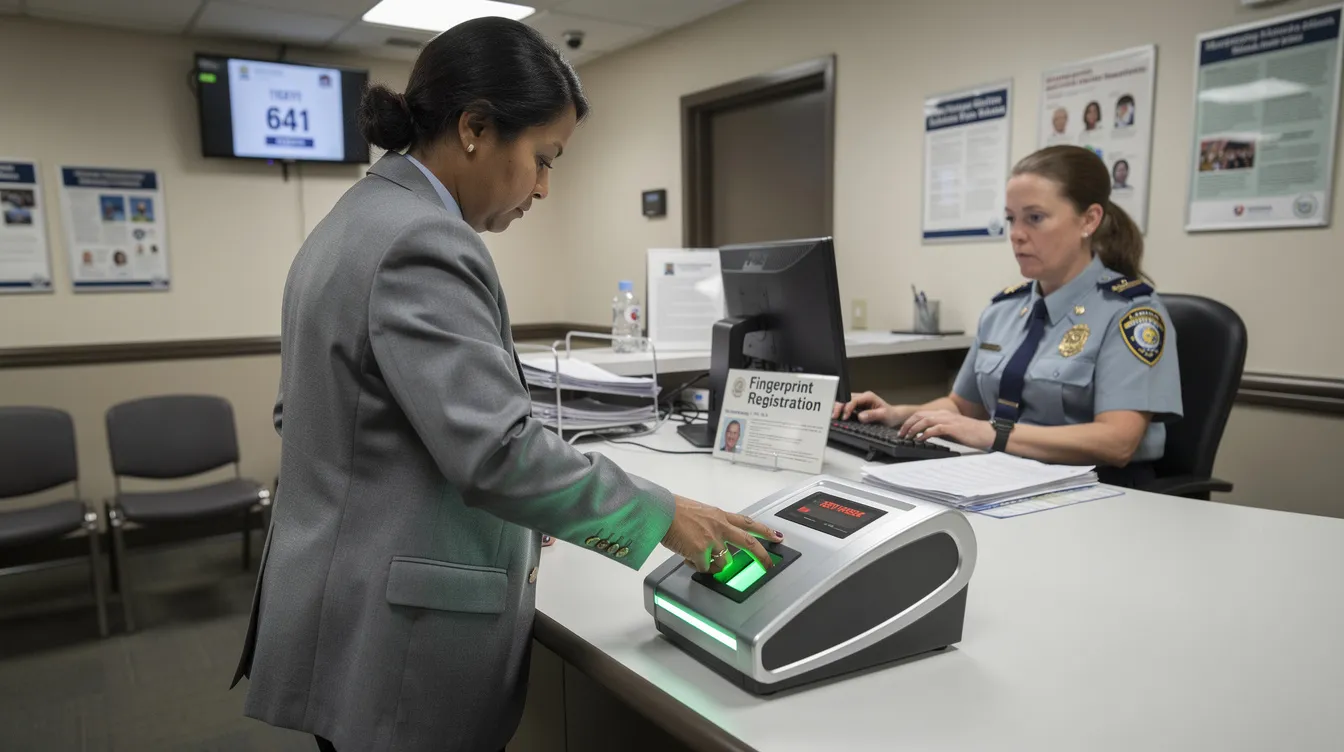
Biometric data collection is often required for visa applications at designated centers. Book a slot at a visa application centre by choosing a city, date, and any optional service such as priority processing (an additional fee of around £500 for UK routes). At the appointment, you provide fingerprints, have a photograph taken, and hand over original documents for checking. Arrive early, bring your printed appointment confirmation and all originals, and avoid sealing documents in folders that staff need to open.
After You Apply: Processing Times, Tracking and Decisions
Processing times for visa applications depend on the specific visa type and country. Visa application processing can take 3 to 12 weeks depending on various factors. For a UK student visa, overseas applications typically receive a decision within 3 weeks; applications made from inside the UK can take up to about 8 weeks.
Avoid paying for non-refundable travel arrangements before your decision arrives. If you must book, choose flexible tickets. Track your application through the online status portal using your reference number, and respond promptly if asked for additional documents.
Outcomes include: visa granted as requested, visa granted with shorter validity or conditions, visa refused with a written refusal letter, or a request for more information. If approved, check your visa vignette or electronic status for correct name, passport number, dates, visa type, and any working restrictions. Contact the issuing authority immediately if you spot errors.
When travelling, carry your passport with visa, a copy of your CAS or unconditional offer letter (for students), proof of funds, and a return or onward ticket if requested. Border officers may ask to see any of these on arrival.
Common Reasons for Refusal and How to Avoid Them
Many refusals are avoidable. Incomplete applications are a common reason for visa denials; blank fields, missing signatures, or unsigned declarations are enough to trigger one.
Financial evidence causes a large share of rejections. Applicants who cannot provide evidence of enough money held for the required period, or whose bank statements show unclear or unexplained deposits, risk refusal. For UK student visa applicants, failing to show sufficient funds for 28 consecutive days at the required monthly rate is a frequent problem.
Weak evidence of genuine study or travel intentions is another trigger. Students who do not explain how their chosen course fits their academic background, or whose details do not match their CAS, face credibility challenges. Failing to attend a tuberculosis test when applicable, or not holding the required language qualification, are rule-specific failures that also lead to refusal.
After a refusal, read the refusal letter carefully and identify which immigration rules were not met. Decide whether to reapply with stronger evidence or pursue an administrative review (typically within 28 days). Do not submit a new visa application until the underlying problem is genuinely fixed.
Prevention tips: start early, double-check all dates and spellings against your passport, follow official document format requirements, and ask your university's international student office or a qualified adviser to review your student visa evidence before you begin submitting.
FAQ About Applying for a Visa
These answers address practical questions not fully covered in the guide above. Rules change; always verify details against the latest official guidance.
How far in advance should I submit my visa application?
For most tourist or short-term visas, apply 4 to 8 weeks before your intended travel date. You can apply for a student visa up to six months before your course starts when applying from overseas, or up to 3 months before if applying from inside the UK. Early submission gives time to fix document issues, but check that your visa validity will not expire before you actually travel.
Can I get a refund if my visa application is refused or I change my mind?
Standard visa application fees are almost always non-refundable once submitted, whether the application is refused or withdrawn. Some countries offer expedited processing for an additional fee; those charges are also typically non-refundable. The UK immigration health surcharge is refundable if the visa is refused. Check the specific refund policy on GOV.UK before paying.
Will paying for priority processing improve my chances of approval?
No. Priority or super-priority service only speeds up processing time. It does not influence the outcome. Only pay for faster processing if your documents are already complete and you need a quicker decision due to a confirmed course or travel date.
Can I travel while my new visa application is being processed?
If you apply from inside a country to extend or switch your visa, leaving before a decision can cause the application to be treated as withdrawn. This applies to UK in-country applications. Avoid international travel until you receive a final decision and have your new visa or residence permit in hand.
What should I do if my circumstances change after I apply?
Changes such as a new passport, updated course start date, or a change in sponsor must be reported. Contact the visa application centre or official helpline, and speak to your university's international student office. Some changes require updating your CAS; others require a fresh application. Act promptly to prevent refusal.