
Electronic Visas (eVisas) and the UK's Move to a Fully Digital Immigration System
Introduction: From Visa Stickers to Electronic Visas
By the end of 2026, the UK government plans to stop issuing physical visa vignette stickers entirely. The UK will fully transition to a digital immigration system by 2026, replacing stamps, stickers and residence cards with electronic visas. Millions have already received eVisas since 2018, and as of February 2026, over 10 million people hold one.
This shift touches every category of migrant and traveller: most visitors on short stays, international students, skilled workers, families and long-term residents. Whether you need a full UK visa or a UK Electronic Travel Authorisation for a brief trip, understanding the new eVisa system and the online application process is now a prerequisite for anyone planning to enter or remain in the UK.
What Is an Electronic Visa (eVisa)?
An eVisa is a digital record of immigration status. It is stored digitally in government immigration databases and linked to a person's passport number, rather than printed as a stamp or sticker. An electronic visa is a digital travel authorization linked to a passport; electronic visas do not require physical stamps or stickers in a passport.
The digital record contains the same legal status information as a traditional UK visa: visa type, eligibility category, validity dates, permitted activities and conditions such as access to public funds. Airlines, border officers, employers and landlords check eVisas online instead of inspecting physical documents.
Moving to an eVisa does not in itself change a person's rights, length of stay or visa conditions. eVisas do not change immigration status or visa conditions. The shift is purely about how status is recorded, stored and checked.
The UK eVisa System and Digital Immigration Strategy
The eVisa system sits inside the Home Office's broader border modernisation programme, outlined in its New Plan for Immigration: Legal Migration and Border Control. Since around 2018 the UK has gradually introduced digital records alongside biometric residence permits and visa stickers. On 31 October 2024, the Home Office stopped producing new BRPs for long-stay permissions. From 30 October 2025, some applicants won't receive visa stickers at all. Visa stickers will be completely phased out in 2026.
A UKVI account is required to access and manage your eVisa. The UKVI online account serves as the main portal where users view their eVisa, update passport details, generate share codes and confirm conditions. More than 5 million accounts were created between March 2024 and January 2026.
The system also supports automated checks. Airlines must verify eVisa status before allowing boarding. eGates at UK ports, employer right-to-work portals and landlord checking services all read from the same digital record.
eVisas vs UK Electronic Travel Authorisation (UK ETA)
An electronic visa is different from an electronic travel authorization. A UK visa (now issued as an eVisa) is for people who normally need a visa to enter the country, whether for work, study, family reunion or a visit. The UK Electronic Travel Authorisation is a separate pre-travel security screening for most non-visa nationals making short visits, similar to the USA's ESTA or Canada's eTA.
Non-visa nationals need a UK ETA for short visits of up to six months. The UK ETA costs £20 per application as of April 2026; the ETA fee increased from £16 on 8 April 2026. An ETA is valid for two years from the approval date, or until passport expiry, whichever comes first. You can travel to the UK multiple times with a valid ETA during that window.
Travellers either need a full UK visa (issued as an eVisa) or, if visa-exempt for short stays, a UK ETA. They rarely need both.
Feature | eVisa (visa route) | UK ETA (visa-exempt route) |
|---|---|---|
Who needs it | Visa-required nationals; anyone applying for work, study, family or long-stay routes | Non-visa nationals visiting for up to 6 months, or transiting |
Cost | Varies by route | £20 per application |
Validity | Depends on visa grant | 2 years or until passport expiry |
Typical use | Work, study, settlement, family reunion | Tourism, short business trips, holidays, transit |
Who Needs an eVisa and Who Needs a UK ETA?
Nationals who historically required a UK visa for visits, work or study continue to apply online for a visa, which is now issued as an eVisa. Most visitors from eligible countries need a UK ETA since January 2025. EEA and Swiss nationals need an ETA since January 2025 as well.
Key exemptions:
British and Irish citizens do not need a UK ETA.
People with a valid UK visa do not need an ETA.
Those with EU Settlement Scheme settled or pre-settled status are exempt.
Transiting passengers without passing through border control do not need an ETA.
Each person, including children, needs their own UK ETA. You cannot extend an ETA stay from within the UK; if you need to remain longer, you must apply for the appropriate visa route before your permitted period ends.
Use the official gov.uk visa checker to confirm whether your nationality requires an eVisa (visa route) or ETA (visa-free route) before booking a flight.
The eVisa Application Process: How to Apply Online
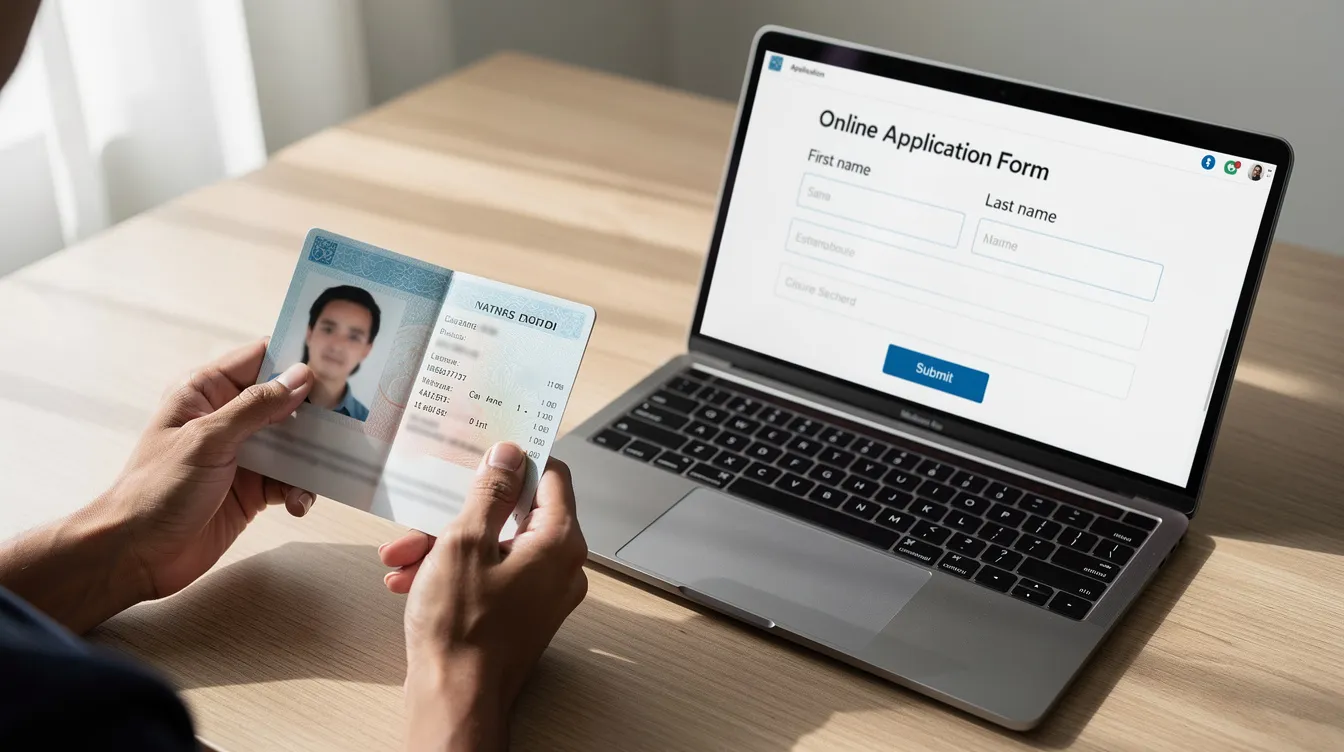
Both eVisa and UK ETA routes use digital applications. Electronic visas are applied for entirely online, and electronic visas are usually processed faster than traditional visas. Electronic visas often require fewer supporting documents than traditional visas, though some electronic visa systems may still require biometrics or an interview depending on the route.
For a UK visa (eVisa route):
Create or log in to a UKVI account.
Complete the online form for your route (work, study, family, visit).
Pay the visa fee.
Submit biometrics; facial images can often be captured via smartphone.
Upload supporting evidence electronically. Digital uploads are accepted for the supporting documents required for e-visa applications.
A valid passport is usually required for applying for an electronic visa. The application process for an e-visa can typically be completed in under 10 minutes for straightforward cases.
For a UK ETA:
You can apply for a UK ETA via the UKVI app or online. The UK ETA application process takes under ten minutes. Most ETA decisions arrive by email within minutes to hours. Check your spam folder if you do not see the confirmation promptly. You can travel to the UK multiple times with a valid ETA once approved.
Documents and Data Needed for an eVisa
Although the outcome is digital, the application still relies on identity evidence and supporting paperwork. Processing times for electronic visas can vary widely by country and route.
Identity items required:
Valid passport or travel document
Old passports (if relevant to immigration history)
Biometric data: fingerprints and/or facial image, depending on route and nationality
Supporting evidence by route:
Skilled workers: job offer, Certificate of Sponsorship, salary confirmation
Students: Confirmation of Acceptance for Studies, financial evidence, English language proof
Families and dependants: relationship evidence (marriage or birth certificates), financial documents
All submitted passport details must exactly match what appears on the travel document. Mismatches between the application and the person's passport have caused boarding denials. Airlines and immigration officers may require a printed copy of the electronic visa confirmation in some cases, so keep a copy accessible.
Managing Your eVisa: UKVI Account, Passport Changes and Status Sharing
The UKVI account is the central hub for viewing eVisa details, updating information and sharing status securely. Users sign in to check visa conditions, end dates and any restrictions on work, study or access to public funds.
You must update your UKVI account if you renew your passport. When you get a new passport, your eVisa record must be linked to the updated passport number; otherwise airlines and border systems will not find the correct digital record. An ETA also becomes invalid if you renew your passport, meaning you need to apply again after registering a new passport.
Landlords and employers verify status using online share codes generated inside the account. These replace the need to copy or post biometric residence cards or other physical documents.
One warning: third-party sites charging fees for electronic visas can be a scam. Always use official guidance on gov.uk or the UKVI app. The Home Office does not charge through intermediary websites.
Benefits and Risks of the eVisa System
The move to electronic visas removes the risk of losing a visa sticker, allows access from anywhere with an internet connection, and enables quicker verification during repeat trips. For employers, landlords and border officers, automated checks reduce manual paperwork and speed up right-to-work and right-to-rent processes.
Risks and pain points worth knowing:
Technical mismatches between passport data and eVisa records have caused travellers to be denied boarding. A Home Affairs Committee report documented cases where eVisa checking services were unavailable to all holders on 11 August 2025.
Duplicate UKVI accounts: some people unknowingly created two accounts, causing confusion about which holds their eVisa.
Vulnerable individuals with low digital literacy or limited internet access face barriers in converting from physical to digital status. The Home Office estimated around 600,000 people still needed to switch as of February 2025.
Proactive account management reduces disruption. Verify your eVisa or ETA status a few days before departure, not at the airport.
Practical Tips for Different Traveller Groups
Different groups interact with the eVisa and ETA systems in different ways.
International students should confirm their digital leave before each term, especially if they travel during holidays or change courses. A gap between an expired visa and a pending renewal application can cause re-entry problems.
Skilled workers must keep their digital record aligned with any change of employer, job role or work location. Employers run right-to-work checks against the eVisa system; an outdated record can delay or block onboarding.
Families, dependants and ILR holders with old passport stamps or biometric residence cards should convert or confirm their status digitally well in advance. The Home Office has published transition guidance for those holding physical documents. Children need their own ETA or eVisa; a parent's status does not cover them.

Looking Ahead: The Future of Electronic Visas in the UK
The UK is moving toward a border model where a digital record, not physical paperwork, is the only reliable proof of permission to enter or remain. After full transition in 2026, compliance will depend entirely on users keeping their digital identity current. Renewing a passport, changing a legal name or switching immigration route will all require updating the UKVI account.
Beyond 2026, expect more automated decision-making, remote biometric capture via smartphone, and real-time status checks integrated into airline booking and employer hiring systems. The introduction of the ETA for citizens of countries like Australia, New Zealand and others mirrors parallel schemes in the EU (ETIAS), the USA (ESTA) and Canada (eTA).
Treat digital status management as a normal part of travel planning: keep your UKVI login details secure, update your passport information after every renewal, and check requirements on gov.uk before every trip. Adapting early to electronic visas, ETAs and online application processes will make UK travel and migration smoother and more predictable in the years ahead.