EU Immigration UK News: Post-Brexit Trends, Policies and Impacts
The landscape of EU migration to the UK has shifted dramatically since Brexit. Here is what the latest data, policies and political debates mean for workers, employers and people on both sides of the Channel.
Current Headlines on EU Migration and UK Immigration
EU net migration to the UK has turned negative - meaning more EU nationals are leaving Britain than coming in. This reshapes the labour market and sharpens political arguments about immigration at a time when staff shortages remain hard to fill.
Before Brexit, net immigration to the UK was about 200,000 annually, with EU citizens making up a significant share. The latest ONS figures show that overall long-term net migration fell to around 171,000 in the year ending December 2025, while EU-plus nationals recorded a net outflow of roughly 42,000. Work-related EU migration has roughly halved since the 2016 referendum.
Current news angles include a rise in vacancies across hospitality and social care, political rows over small boats versus legal migration channels, and business groups calling for a more flexible approach to EU worker visas. BBC reports and employer surveys regularly explore the message that the UK immigration system needs reform to reduce these pressures quickly.
How UK Immigration from the EU Changed After Brexit
EU free movement ended on 31 December 2020. As of October 2026, free movement has been replaced by a national immigration system in the UK. EU citizens arriving post-free movement are subject to the same points-based immigration system as non-EU nationals, meaning they face new immigration rules post-Brexit.
Key policy tools shaping access include:
Skilled Worker visa salary thresholds and employer sponsorship requirements
An annual limit of 21,700 for skilled non-EU workers, with 20,700 visas allocated under the skilled route and 1,000 under the exceptional talent route
A minimum salary for intra-company transfers set at £40,000
Charges such as the Immigration Health Surcharge
These rules hit lower-paid sectors especially hard. ONS data in the early 2020s showed declining EU migration alongside rising non-EU migration, changing the composition of UK immigration. The EU Settlement Scheme protects the roughly 5.8 million EU citizens who were already in the UK, while new arrivals must clear stricter hurdles.
Economic and Social Impact of Lower EU Migration
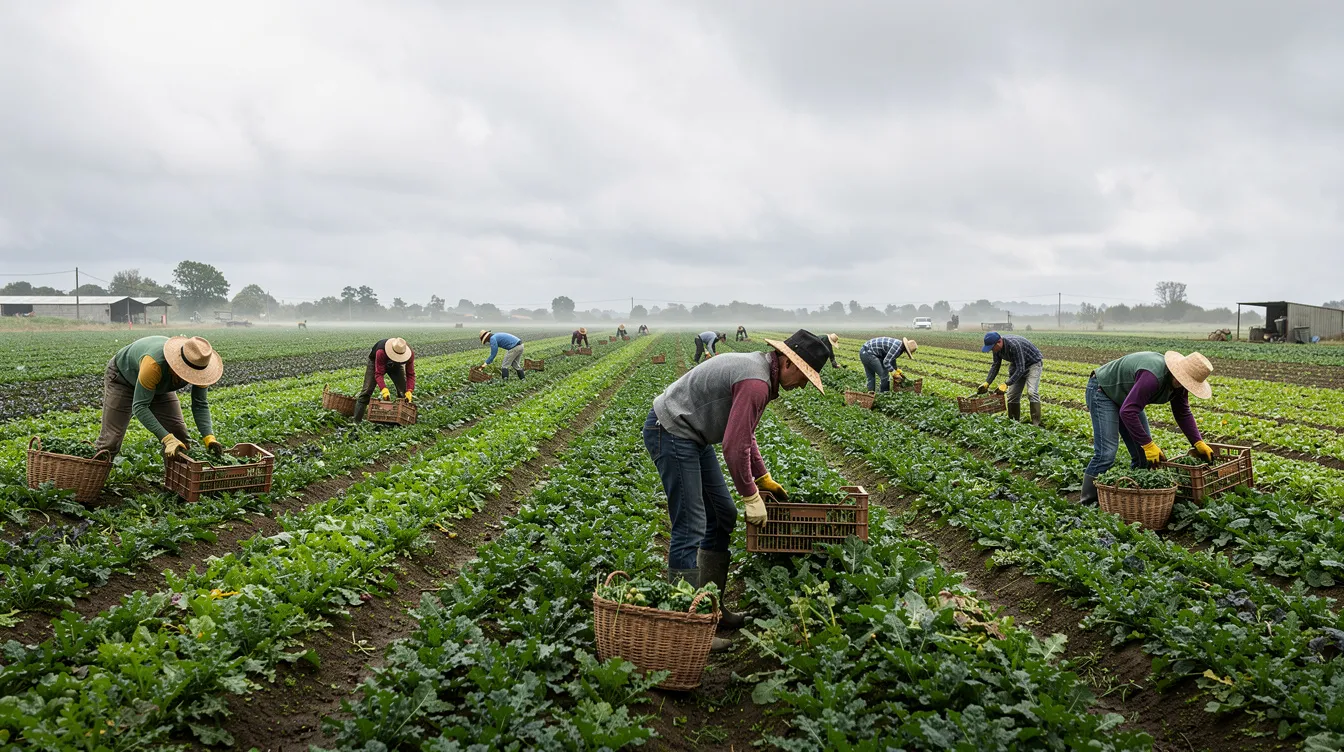
Lower EU migration carries both costs and benefits. The number of unfilled vacancies in sectors long reliant on EU migrants - social care, agriculture, construction, hospitality, and university research - has become a clear concern for employers across Britain.
Wage pressures have risen in some roles, with upward effects on food prices and services
Firms unable to recruit quickly may delay expansion, limiting growth and productivity
Research from IZA shows EU migrants have historically contributed positively to UK public finances
Education data challenges stereotypes too: schools with higher numbers of EU migrant pupils often perform as well as or better than average. Yet public opinion remains divided, and migration myths about EU immigration persist despite evidence. Trust in statistics wavers, especially when ONS revises its estimates - an issue that fuels ongoing political content and debate.
Key Political Debates and Legal Flashpoints
EU migration and UK immigration policy remain central to political debates years after the Brexit vote. Anti-EU campaigners used migration figures to claim that Britain had lost control of its borders, with Nigel Farage's rhetoric on National Insurance number registrations and alleged ONS cover-ups proving influential.
Recent flashpoints include:
The UK's Border Security, Asylum and Immigration Act 2025, which received royal assent on 2 December 2025
The UK's "one in, one out" returns pilot with France, which officially expired on 1 October 2026
A new UK government task force established to cooperate with France on preventing Channel crossings
Diplomatic channels evaluating a proposed UK–EU Youth Experience Scheme
The EU Pact on Migration and Asylum, which entered into application on 12 June 2026, and EU plans to create migrant return centres outside Europe to speed up deportations
A court ruling in late 2025 found it unlawful to deport EU nationals simply for rough sleeping, limiting the prime minister's approach on enforcement. Developments in Romania, Turkey and Spain as migration flashpoints also shape UK narratives.
Fees, Visas and Future Outlook for EU Citizens in the UK
Costs and bureaucracy now shape decisions by EU citizens and UK employers more than at any previous time. The UK Home Office has executed routine adjustments via recent Statements of Changes, while the UK has moved toward tightening permanent residency rules.
Key developments to read and share include:
The UK became an Observer Country in the European Migration Network in June 2026
The EU Entry/Exit System became active on 12 October 2025, and the ETIAS will require a €20 fee for travellers aged 18 to 70 - though deployment is widely expected to slip into 2027
Recent adjustments enforce stricter compliance criteria for student sponsor networks, affecting students and universities
Recent rule changes allow Skilled Worker visa holders with positive Conclusive Grounds decisions under modern slavery frameworks to secure expanded work permissions
These financial barriers push some employers to automate, recruit locally, or relocate operations to the EU. The UK plans to limit skilled non-EU workers to 21,700 annually, and the minimum salary for intra-company transfers will rise to £40,000 - issues that affect how quickly firms can fill roles.
EU migration will remain a central piece of the wider UK immigration debate. Evidence, not gut feeling, should drive the conversation. Staying informed through up-to-date ONS data and research is the clearest way to explore the real impact of these changes on people across Britain and Europe.