How Long Does an E Visa Take? (UK & India Timelines Explained)
Key Takeaways
UK eVisas linked to a UKVI account typically appear within 2–3 days after approval, but the application process can take up to 8 weeks in slower cases. NTL applications for indefinite leave may take up to 6 months.
Indian e-Visas officially process in about 3 working days, but UK applicants should realistically allow 7–10 calendar days, especially around peak travel seasons and Indian public holidays.
You must apply for an Indian e visa and pay at least 4 clear days before your arrival date. UK Home Office processing times count only UK working days.
High application volumes during peak seasons increase e-visa wait times by 30% to 50%, so apply 2–3 weeks ahead whenever possible.
Never book non-refundable travel until you have a visa decision or your e visa is visible in your account.
Introduction: What We Mean by "E Visa" and Why Timing Matters
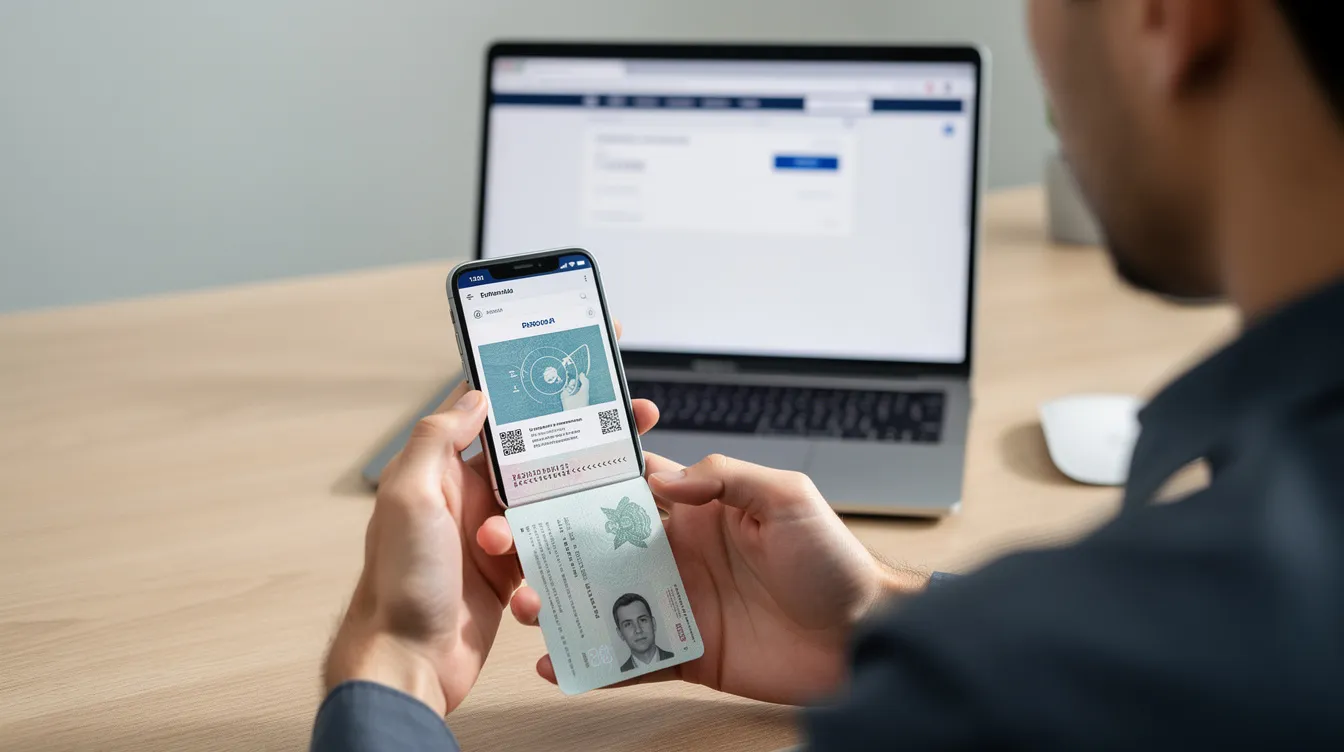
An e visa is a digital record of your immigration status or permission to enter a country, replacing older physical documents like a vignette sticker, biometric residence permits, or wet ink stamp endorsements. Electronic visas generally do not require a physical visit to an embassy, making them faster and more accessible for most travellers. E-visa processing times can vary based on the destination country's policies, and digital systems in some countries can process e-visas almost instantly under ideal conditions.
This article focuses on two common contexts: UK eVisas (the digital immigration status now managed through a UKVI account, covering everything from BRP replacement to indefinite leave and the EU Settlement Scheme) and Indian e-Visas for UK travellers. Non-UK nationals must apply for a UK e-visa, and children require a separate e-visa to enter the UK.
Knowing how long an e visa takes matters because it affects boarding flights, proving your right to work or rent, and avoiding problems with an expired BRP or current passport. Processing clocks start only after identity verification - for example, via the ID Check app or at a visa application centre - and exclude weekends and public holidays. Note that examples and dates (such as 31 December 2024 and the UK BRP phase-out) are based on Home Office guidance and may change, so always cross-check on GOV.UK or the relevant official site.
How Long a UK E Visa Takes After You Apply
For most people, eVisa processing typically takes 2 to 3 days after a decision is made and identity is verified. Your eVisa will appear in your UKVI account within 24 hours after approval in many straightforward cases. However, the full application process can take up to 8 weeks depending on your visa type, and NTL applications can take up to 6 months to process. Standard processing times for an e-visa can take 1 to 2 weeks or longer for common routes like a student visa or visitor visa.
If you are switching from a biometric residence permit or biometric residence cards to a digital status, the process involves creating a UKVI account to access your eVisa. Once you complete identity verification and link your BRP number, the Home Office updates your online immigration status. According to official UK guidance, most people can access their eVisa immediately, though additional checks may add several days.
The Home Office counts processing time from when identity is verified - not from when you started filling in the form. If you receive a new travel document such as a new passport, that document is linked to your UKVI account and typically shows up within 2 working days.
More complex routes deserve extra patience. For example, indefinite leave NTL applications using older physical stamps may legitimately take the full 6 months, even though your existing immigration status stays valid throughout. Premium "faster decision" services shorten decision time but do not necessarily speed up the moment your eVisa appears in your UKVI account. UKVI rarely gives interim updates if a visa application is still within the published processing time for that visa category.
How Long an Indian E Visa Takes From the UK
Official Indian e-Visa processing is described as "up to 3 working days" after a complete, paid application. In practice, UK travellers should allow 7–10 calendar days. Some e-visa applications can be approved in minutes depending on the country and workload, but India's system is not quite that fast for most applicants.
Indian "working days" exclude Saturdays, Sundays, and Indian public holidays such as Republic Day (26 January), Independence Day (15 August), and Gandhi Jayanti (2 October). These gaps can push decisions into the following week. Most immigration departments operate on a Monday to Friday schedule, excluding public holidays, so a Friday submission may not see movement until the next working week.
During quiet periods, many UK applicants receive approval emails in 24–72 hours. But around Easter, UK summer holidays (July–August), and Christmas–New Year - which overlap with peak travel seasons - approvals commonly slip to a week or more according to third-party tracking data.
If the Indian authorities email you about unclear personal details, photo problems, or passport scan issues, the 3-day clock effectively restarts from the moment you respond correctly. Airlines will not board you for India without a granted e-Tourist or other appropriate e visa linked to your current passport, so leaving your application late carries a serious risk of missed flights.
When the Official Answer Differs From Real-World Experience
Both the UK Home Office and the Indian government publish headline processing times, but these assume perfect applications and normal workloads. Processing times for e-visas are often described in business days rather than calendar days, which catches many applicants off guard.
Here is what to expect in practice versus the official line:
Context | Official Timeline | Real-World Range |
|---|---|---|
UK eVisa (UKVI account update) | A few days | 2–3 days to 8 weeks |
UK NTL / Indefinite Leave | Up to 6 months | 3–6 months |
Indian e-Visa (standard) | Up to 3 working days | 1–7+ calendar days |
Indian e-Visa (peak season) | Up to 3 working days | 5–10+ calendar days |
High application volumes during peak seasons increase e-visa wait times by 30% to 50%. Technical issues, portal maintenance, and surges of applications - such as those just before 31 December 2024 when BRPs expired - can quietly extend timelines further. Security and background checks can extend e-visa processing durations for some work, study, or long-term immigration routes, even if the majority of similar cases finish faster.
Plan for the longest realistic end of the range rather than the optimistic official minimum. This protects flights, accommodation, and employment start dates.
The 4-Day Rule for Indian E-Visas (and Why It's Misunderstood)
India requires that your e visa application and payment are completed at least 4 clear days before your arrival date. This is a hard gate built into the system, not a guideline.
Here is how "4 clear days" works: if your arrival date is the 20th, your payment must be completed no later than the 15th (local time, accounting for time zones). The 4 days in between - the 16th, 17th, 18th, and 19th - are the "clear" days. The system blocks payments made too close to arrival, so you cannot rely on last-minute approvals.
Treat this as an emergency fallback, not normal planning. It is recommended to apply for an e-visa at least 1 to 2 weeks before departure, and ideally 2–3 weeks ahead to avoid clashes with Indian public holidays, document queries, or payment gateway issues. You cannot apply for an e-visa if visiting for less than 6 months in certain categories - check the specific visa type requirements on India's official portal.
When Your UK Visa or E Visa "Processing Time" Actually Starts and Ends
UK visa processing time does not start the moment you click "submit" on the application online. It begins when you complete identity verification and submit biometrics. You must provide biometric information during the application, which includes fingerprints and a photograph.
There are two main routes for this step:
ID Check app: Eligible applicants (often student visa and skilled worker routes) can use the UK Immigration: ID Check app to scan their passport or travel document and complete a facial recognition check from home.
Visa application centre or UKVCAS: Other applicants attend in person for fingerprints and a photo. Your visa application reference number is linked to this appointment.
Processing time "ends" when UK Visas and Immigration makes a decision and emails or posts you a decision letter - not when your eVisa appears in your UKVI account or when your passport is physically returned. UKVI considers only UK working days and UK public holidays in its published service standards, which may differ from the applicant's local calendar.
Wait for an official decision before making irreversible arrangements like travel, property rentals, or resigning from jobs abroad.
What Slows an E Visa Down (UK and India)
Most delays come from predictable problems: identity document issues, biometric residence details that do not match, and incomplete information. Incomplete application forms can lead to processing delays, and rejections can occur due to incomplete information or missing documents.
Common UK-side causes:
Mismatched details between your application, identity document, and Home Office records (for example, passport numbers or expiry date discrepancies)
Using an expired BRP number that has not been properly linked
Unclear immigration history or needing extra security checks
Verification of supporting documents can cause e-visa processing delays
Common Indian e-Visa causes:
Low-quality passport bio-page scans or photos that do not meet pixel and background requirements
Passports with less than six months validity or insufficient blank pages
Incorrect dates or names that do not match the valid passport exactly
System-side issues also play a role: portal maintenance, heavy demand around festivals like Diwali and Holi, and temporary outages of payment gateways. Common reasons for e-visa rejection include failure to meet eligibility criteria, so double-check every field before submission. Apply early and check names, passport numbers, and dates of birth meticulously to avoid soft rejections that restart the process.
How Long to Wait Before Chasing or Re-Applying
If your case is still within the published UK processing time for your visa category, UKVI generally will not expedite or provide detailed updates. For UK BRP-to-eVisa transitions, it can legitimately take several weeks for the digital status to show, and you should not panic if it takes longer than the 2–3 day norm. You can contact UKVI directly if your case has passed the published service standard.
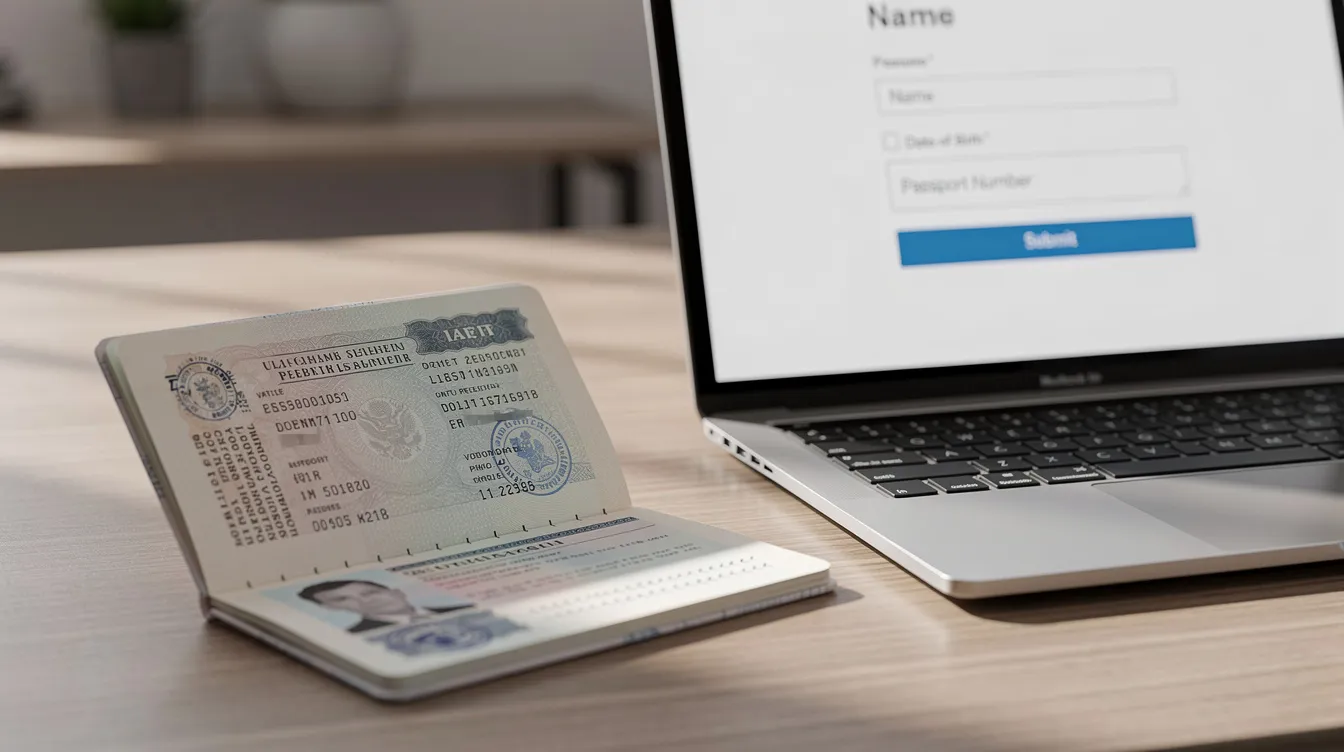
For Indian e-Visas, if it has been more than 7–10 calendar days since a clean application from the UK with no query emails, check your spam folders first. Then contact the official Indian visa support channel. Avoid submitting multiple overlapping Indian e-Visa applications using the same passport, as this can confuse the new system and cause further delays or refusals.
Review the rejection notice to identify specific denial reasons if your application is refused. Professional legal advice can help resolve complex rejection cases, and acting quickly increases chances of a successful appeal after rejection. Avoid third-party "fast track" promises that claim to speed up government processing - they can only review paperwork, not control official decision times.
Transition From BRP and Physical Documents to UK EVisas
The UK government phased out biometric residence permits as proof of status. BRPs stopped being issued after 31 October 2024, and existing ones were set to expire on 31 December 2024. The immigration system has moved to digital eVisas managed via UKVI accounts. You need a valid passport or BRP to apply, and over 4 million visa holders have already created accounts, with roughly 600,000 still needing to switch over.
An expired BRP on that date does not normally mean your leave to remain or indefinite leave has ended. Your immigration status end date is set out in your original Home Office decision letter or email, and that status will remain valid regardless of the physical document's expiry date.
From 2024 onwards, BRP holders - including many with indefinite leave to remain - are expected to create a UKVI account, add their current passport or other new identity document, and see a digital eVisa appear over the following days or weeks. Those with EU Settlement Scheme settled status already have an online immigration status and do not receive a BRP; they continue using their existing UKVI account to view and prove status.
During this transition, people are often in a hybrid situation. You can still use an expired BRP reference number (for example, to generate a share code) while waiting for the eVisa to show. A home office travel document, if issued, is now automatically linked to UKVI accounts, and new travel documents appear within 2 working days once a decision is issued.
Using Your E Visa to Prove Rights and Travel
Having an eVisa on record is only useful if it is correctly linked to your current passport and contact details. You can update your UKVI account with personal details anytime to keep everything current.
For UK visas, use the "View and prove your immigration status" service to generate share codes for employers (right to work), landlords (right to rent), or banks. A UKVI account lets you create these codes, which usually remain valid for about 90 days. Airlines and border security officials now routinely check your digital record by scanning the passport linked to your eVisa, so any new passport must be updated in your UKVI account before travel.
For Indian e-Visas, print the approval email or keep a PDF on your phone and ensure the passport details exactly match your current passport. Boarding staff will cross-check names, passport numbers, and validity dates.
Carry backup evidence - screenshots or a copy of the decision email - in case an airline or border agent has difficulty reaching the online system in real time.
Practical Timeline Examples for Common Situations
These scenarios illustrate safe planning timelines, not formal rules.
Scenario 1: BRP holder creating a UKVI account. A UK-based worker with a BRP expiring on 31 December 2024 creates a UKVI account on 1 November 2024. Their eVisa appears in 2–3 days, but they wisely allow several weeks before any international travel in case of delays or mismatched details in the new system.
Scenario 2: UK tourist applying for an Indian e-Tourist visa. Planning an early August holiday, they apply in mid-July. This gives comfortable time to resolve any photo or passport scan queries before peak summer travel, when approval times commonly stretch to 7–10 days.
Scenario 3: Long-settled person making an NTL application. Someone with an old vignette or wet ink stamp submits a free NTL application in March 2026 for a digital eVisa. They should expect up to 6 months for the NTL decision, but can still prove their existing immigration status using their original Home Office letter and share code in the meantime.
Scenario 4: Student using the ID Check app. A student applying for a new UK student visa in September completes identity verification in the app. Processing time starts from that moment and may complete in a few weeks, after which the eVisa appears in their UKVI account. eVisa applications can be processed in minutes under ideal conditions, but most student routes take days to weeks. They should not book non-refundable flights until the decision is approved.
Frequently Asked Questions
Below are answers to questions that come up frequently but are not fully covered in the sections above.
Can I travel if my BRP has expired but I have an eVisa?
Travel depends on whether your Home Office-granted leave is still valid, not the plastic card itself. An expired BRP dated 31 December 2024 may sit alongside ongoing leave shown in your eVisa. Airlines and border officers will check the passport linked to your UKVI account, so you must link your current passport, ensure your eVisa is visible in the "View and prove" service, and travel with that passport. As a precaution, carry a copy of the original decision letter and screenshots of your online immigration status. Do not travel until your eVisa correctly reflects your current passport details.
What if I change my passport after my eVisa is granted?
For UK eVisas, log into your UKVI account and add the new identity document, providing scans and any requested evidence so the Home Office can link your immigration status to the new passport. It may take several weeks before you can use the new passport at the UK border, so keep the old passport details until confirmation. For Indian e-Visas, you may need to apply for a new e-Visa if your passport number changes before travel, because most Indian e-Visas are not transferable between passports.
How do I prove my UK immigration status if I cannot access my UKVI account?
If you have lost access to the email or phone used for your UKVI account, use the account recovery guidance on GOV.UK to reset details. You can also fill in the global web form or contact UK Visas and Immigration via webchat or telephone in urgent cases, such as imminent travel or employment checks, though they will usually ask you to attempt self-recovery first. Once access is restored, add up-to-date contact details and consider nominating a trusted family member as a proxy user if you routinely struggle with digital access.
What happens if my Indian e-Visa is not approved before my flight?
Airlines will normally refuse boarding if your Indian e-Visa is still pending or refused, as you do not have permission to enter India without a valid visa. The fallback for UK residents is to apply for a regular sticker visa through the Indian visa outsourcing provider, which involves an appointment, biometric information submission, and surrendering your passport - usually taking days to weeks. This is why applying only a few days before departure is risky; the fee is non-refundable and there may be no time to switch to an alternative visa route.
Does having EU Settlement Scheme status change how long an eVisa takes?
People with pre-settled or settled status under the EU Settlement Scheme already hold an online immigration status and an associated eVisa, accessible through their existing UKVI account. While updates such as a new passport can still take days or weeks to show, there is no separate "eVisa application" timeline in the way there is for those transitioning from biometric residence permits or older physical documents. EU Settlement Scheme holders should check their UKVI account well before travel or major life changes like future immigration applications to ensure all documents and contact details are correct.