UK Visa Guide: Types, Requirements and Application Steps for the United Kingdom
Planning a move, visit, or extended stay in the United Kingdom? Whether you're a traveller looking to explore London for a week or a professional relocating for a new role, understanding the UK visa process is the first step. The UK immigration system categorizes visas based on the purpose of stay, and getting the right one matters more than most people realize.
This guide breaks down the main United Kingdom visa categories, walks you through who actually needs a visa, and maps out the practical steps from application to arrival.
Quick Overview of United Kingdom Visa Options
A UK visa is official permission granted by UK Visas and Immigration (UKVI) that allows non-British nationals to enter, remain in, or transit through the country for a specific purpose and time. Who needs one depends on your nationality, why you're going, and how long you plan to stay. Irish citizens generally do not need a UK visa due to the Common Travel Area (CTA), a long-standing arrangement between the UK and Ireland that predates both countries' EU membership. UK visas are categorized by purpose including visit, work, study, family, and settlement routes.
The main visa categories in the UK include Visitor, Work, Study, and Family visas. Here's a summary of each:
Visitor visas: A Standard Visitor Visa allows stays for up to 6 months for tourism or family visits, short business trips, or receiving private medical treatment. This is the route most people think of when they hear "UK visa."
Work visas: Includes the Skilled Worker visa, Health and Care Worker visa, Global Talent visa, UK Expansion Worker route, and Seasonal Worker visa, among others. Each has its own eligibility criteria, salary thresholds, and sponsor requirements.
Study visas: The Student visa and Child Student visa cover degree-level and below-degree courses at licensed UK education providers. A Confirmation of Acceptance for Studies (CAS) from the provider is essential.
Family visas: A Family Visa allows individuals to join family members who are British citizens or settled in the UK. This covers spouses, partners, children, and parents under various sub-routes - including a stay family visit arrangement for shorter family-related trips.
Transit visas: For those passing through the UK en route to an Ireland destination or another country. Requirements depend on nationality and whether you need to pass through UK border control.
Specialised routes: The UK has several special visa routes for exceptional cases, such as the EU Settlement Scheme and the UK Ancestry Visa. Other niche options include the Innovator Founder visa, Youth Mobility Scheme, and business residency stay pathways for corporate transfers.
Since Brexit, EU and EEA nationals (with the exception of Irish citizens) now usually require a visa or pre-entry permission for most UK stays beyond short visits. The free movement that existed prior to 31 January 2020 has ended, and these nationals must apply under the new points-based immigration system. An Electronic Travel Authorisation (ETA) may be required for some nationalities visiting the UK for short trips without a visa, though British and Irish citizens are exempt.
The best time to start your visa application depends on your route. For visitors, apply up to 3 months before your travel date. For work or study routes, start gathering documents and engaging with sponsors at least 6 months ahead. Running short on time is one of the most common - and most avoidable - reasons for unnecessary stress.
Key UK Visa Requirements and Who Needs a Visa
Requirements for a UK visa depend on three factors: your nationality, the purpose of your trip, and how long you intend to stay. Rules are set and enforced by UK Visas and Immigration (UKVI), the body that processes every visa request submitted for the United Kingdom.
Here's who typically needs to apply:
Non-visa-exempt nationals must always secure a visa before travelling to the UK, regardless of the reason for their visit. Even for a short holiday, these travellers cannot board a flight to the UK without an approved application stamped in their actual passport.
Anyone planning to work, study long-term, or join family in the UK needs the appropriate visa, even if their nationality would otherwise allow a short visa-free visit. A business residency arrangement or settlement route requires full immigration permission.
People intending to settle permanently or apply for indefinite leave to remain must hold the correct visa category first. Indefinite Leave to Remain (ILR) requires a period of lawful residence and meeting specific criteria, typically after 5 years on qualifying routes.
Visa exempt status allows an unlimited stay in certain countries for specific nationals, but visa exemption typically requires specific traveller conditions to be met - such as not working, not studying, and leaving before a set date.
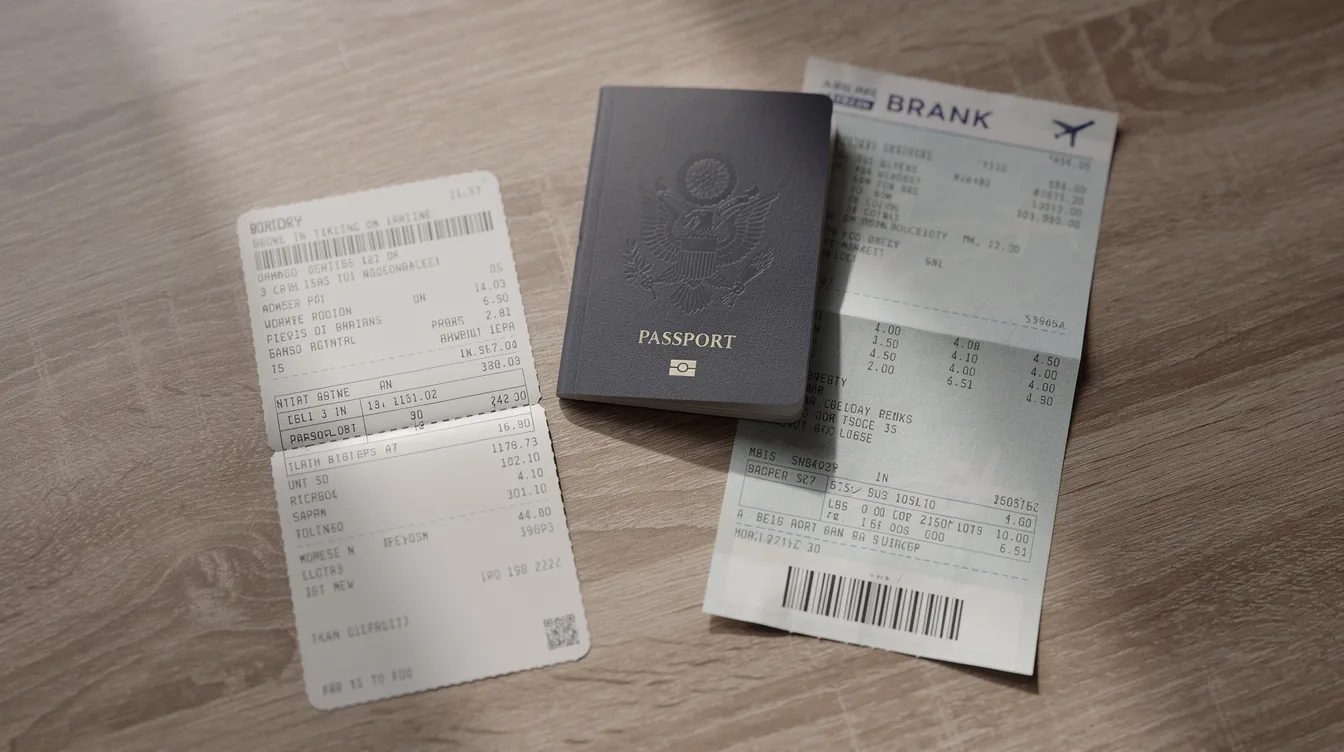
Irish citizens occupy a unique position. Under the Common Travel Area, Irish citizens are typically not required to hold a UK visa to live, work, study, or access public services in the UK. They can enter using a valid Irish passport or passport card. This arrangement is separate from Brexit and continues regardless of the UK's relationship with the EU, as reaffirmed by both governments.
Standard eligibility requirements
Across most visa categories, you'll need to provide:
A valid passport with sufficient passport pages (at least one blank page). Your original passport will usually need to be submitted or presented at the visa application centre.
Proof of sufficient funds for your stay. Applicants for a UK visa may need to provide evidence of sufficient funds through bank statements, payslips, or sponsor certifications. Meeting minimum financial requirements is necessary for many UK visa applications to ensure self-sufficiency. For Skilled Worker applicants, this typically means showing at least £1,270 in available funds unless the employer certifies maintenance.
Evidence that your stay is genuine and temporary (for visitors) - such as return tickets, accommodation bookings, and a clear travel itinerary.
A tuberculosis test certificate, if you're applying from a country where TB screening is required.
A clean immigration history. Previous visa refusals, overstays, or misrepresentations can affect eligibility, and decisions may sometimes fall to the embassy's discretion.
How purpose shapes your documents
The documents you need depend heavily on why you're going:
Visitors should prepare travel plans, proof of accommodation, a copy of their return booking, and evidence they intend to leave. Do not make non-refundable travel bookings before receiving the visa decision.
Workers need a Certificate of Sponsorship (CoS) from a UK employer with a valid sponsor licence. A Skilled Worker Visa requires a job offer from a Home Office-approved sponsor. Both the Skilled Worker Visa and Health and Care Worker Visa require an eligible job offer and proof of English proficiency - minimum CEFR B1 or above depending on the role.
Students need a CAS from a licensed education provider. The Student Visa requires an unconditional offer from a licensed student sponsor and proof of financial support. English language proficiency must be at least CEFR B2 for degree-level courses and B1 for below-degree courses. Some postgraduate researchers may also need Academic Technology Approval Scheme (ATAS) clearance.
Family visa applicants must provide relationship evidence (marriage certificates, photographs, correspondence), proof of financial maintenance, and details of accommodation in the UK.
Documents not in English or Welsh must include a certified translation. For overseas qualifications, you may need an Ecctis reference number confirming comparability with UK standards.
Fees and health surcharge
Every applicant must pay a visa fee. As of April 2026, a short-stay visitor visa (up to 6 months) costs £135, while longer visitor visas range from £506 to £1,128. Skilled Worker visa fees start at approximately £628 for roles on the Immigration Salary List and £819 for other roles (up to 3 years, applying from outside the UK).
For stays over 6 months, you must also pay the Immigration Health Surcharge (IHS) to access NHS services. The current rate is £1,035 per year for most applicants, with a reduced rate of £776 per year for students, under-18s, and Youth Mobility Scheme participants. This 66% increase from February 2024 has been a significant point of discussion around the cost of UK immigration.
When budgeting for a remain investment in a UK visa, factor in not just the application fee but the health surcharge, document translation costs, and any priority service fees. Total costs can reach several thousand pounds.
Applying for a UK Visa: Timelines, Biometrics and Practical Steps
To apply for a UK visa, you must submit an online application and pay the relevant fee through the official UK government website (gov.uk). After completing the online form, most applicants attend a visa application centre (VAC) to provide biometric data. The process is designed to be sequential and straightforward, but missing a step or submitting incomplete documents is where most delays occur.

Here's what the application process looks like from start to finish:
When to apply: The best time to submit your application is as early as the system allows. Visitor visa applications open up to 3 months before your intended travel date. Skilled Worker and Student visa applications can typically be submitted up to 3 months before your employment or course start date. Always check current UKVI processing times before you apply, as they fluctuate based on demand, the time of year, and the place you're applying from. If you're running short on time, it's worth checking whether a faster service option is available for your route.
Application sequence: Select one visa category that matches your purpose. If you're unsure, use the visa checker tool on gov.uk to select the correct route. Create an online account, fill in the immigration application form in English, and upload your supporting documents. Pay the visa fee and Immigration Health Surcharge (if applicable). Then book your biometrics appointment. You cannot send your application for processing until biometrics are complete.
Biometrics: You must provide fingerprints and a facial photograph as part of your application. Biometrics are usually provided at a visa application centre. Choose the country where you want to provide biometrics - this is typically your country of residence. If no VAC is available in your country, select an alternative location in a neighbouring country. Some applicants may be able to use the UK Immigration: ID Check app to verify their identity digitally, depending on nationality and whether they hold a chip-enabled passport. However, this option is not universally available.
Supporting evidence by route: Visitors should prepare a travel itinerary, proof of accommodation, and evidence of funds. Workers need their Certificate of Sponsorship reference number, job offer details, and salary confirmation. Students should have their CAS number, proof of tuition fee payment or sponsorship, and maintenance fund evidence. Family visa applicants need relationship documents, financial evidence, and accommodation details. Keep a copy of everything you submit.
Processing times: Processing times for UK visas typically range from 3 to 12 weeks depending on category. The processing time for a Standard Visitor Visa is generally about 3 weeks when applied outside the UK. Skilled Worker applications from outside the UK are also typically decided within about 3 weeks, while in-country extensions can take around 8 weeks. Settlement and indefinite leave applications take considerably longer. For those who need a faster service, UKVI offers priority and super priority options at additional cost - super priority aims for a decision by the next working day after biometrics, while priority targets around 5 working days.
After the decision: If approved, you'll receive either a visa vignette stamped in your passport or a digital immigration status, depending on your route. Check all details carefully - your name, visa dates, and any conditions attached (such as work restrictions or reporting obligations). If your visa is for longer than 6 months, you will usually need to collect a Biometric Residence Permit (BRP) within 10 days of arriving in the UK. Make sure the BRP details match your application. Errors discovered late can lead to complications at the border or with employers and universities. Upon arrival, adhere strictly to visa conditions. Receiving your visa is not the end of the process - it's the starting point for compliance.
We strongly suggest keeping all original documents, translations, and correspondence in a safe and secure method of storage throughout your stay. You may need them for future extensions, switching routes, or applying for settlement.

If you need to send your passport via post as part of the application or to receive your vignette, always use a guaranteed postal service or courier with tracking. Never send documents via standard mail - your passport is irreplaceable, and using a tracked, safe delivery method protects you if anything goes wrong in transit.
The importance of preparation cannot be overstated. The team at UKVI processes millions of applications each year, and incomplete or inaccurate submissions are the leading cause of delays and refusals. Select one destination for your biometrics, gather your documents early, verify your status requirements, and apply with confidence.
Key takeaways:
Start your UK visa application well ahead of your travel date - ideally 3 to 6 months before you need to be in the country.
Your visa type determines your documents, fees, and processing timeline. There is no one-size-fits-all application.
Budget for the full cost: application fee, health surcharge, translations, and any priority processing.
Never make non-refundable travel bookings before your visa decision arrives.
Hold onto every document you submit - you'll likely need them again.
Whether you're applying for a visitor visa, a Skilled Worker route, a Student visa, or a family route, the process rewards those who plan early and prepare thoroughly. Head to the official gov.uk visa page to check which visa you need, and start building your application today.