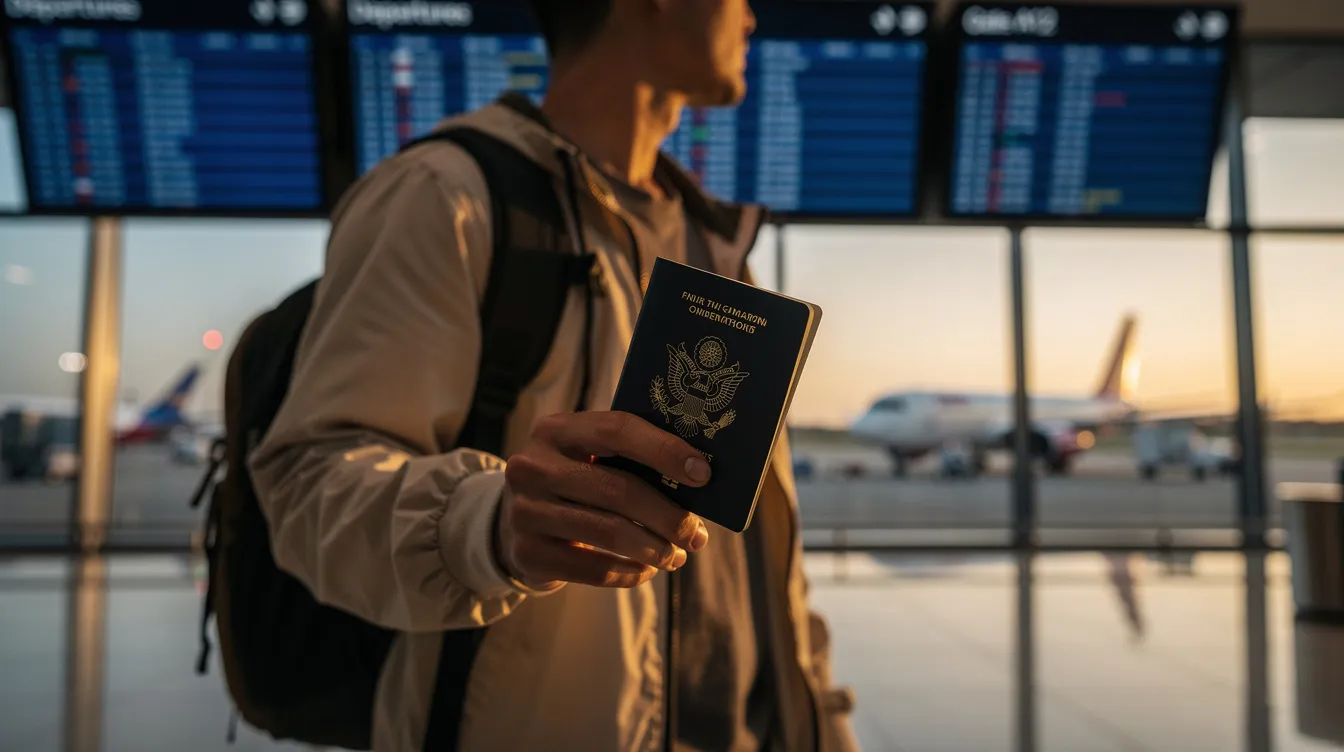
UK Visa Application: Step‑by‑Step Guide for Visitors
Key Takeaways
Most travellers need a UK visa or Electronic Travel Authorisation (ETA) for a short stay of up to 6 months and must apply online before travelling.
A valid passport or travel document, proof of funds, accommodation details, and a completed visa application form are essential for a Standard Visitor visa.
Visa decisions are usually made within 3 weeks for applications from outside the UK, and priority services may be available for faster decisions.
Visitor visas do not allow work, long‑term study, or using a standard visitor visa to marry or register a civil partnership in the UK.
Applicants must prove strong ties to their home country, and providing false information may lead to a 5‑year application ban.
Introduction: Do You Need a UK Visa for a Short Stay?
A UK visa is official permission to enter and stay in the UK for a specific purpose and duration. If you are planning tourism, business meetings, a short course, visiting a family member, or medical treatment, you will likely need a Standard Visitor visa. You must check if you need a visa using GOV.UK's official tool, since the UK immigration system categorizes visas by purpose of travel, such as work or study.
Some nationals can travel visa‑free but may need an Electronic Travel Authorisation (ETA) instead, which costs £20 and has been rolling out since late 2024. Irish citizens generally do not need a visa for the UK due to the Common Travel Area, so a separate Irish visa is not required for entry. Note that travellers holding an Irish visa for Ireland still need the correct UK permission. This guide focuses on visit visas and short stay travel - not long‑term work, study, or settlement routes. It covers the full process: documents, the online form, appointments, and what to expect after applying.
Types of UK Visitor Visas and What They Allow
The Standard Visitor visa is the main route for most trips under 6 months. It permits tourism, visiting friends and family, certain business activities like attending meetings or conferences, short courses up to 6 weeks, and medical treatment. A Standard Visitor visa costs £100 for up to 6 months, and each person must submit their own visa application.
For frequent visitors, long‑term Standard Visitor visas last 2, 5, or 10 years - though each visit is still capped at 6 months. Fees rise accordingly: £506 for 2 years, £903 for 5 years, and £1,128 for 10 years. These are useful for business travellers or those with close family in the UK.
A Standard Visitor visa cannot be used to marry or register a civil partnership in the UK. If that is your purpose, you need a marriage visitor visa. If your spouse or partner intends to stay longer, a separate family or partner visa is required.
Do not confuse visitor visas with other visa categories. Work visas require a job offer from an approved UK employer. Student visas are for individuals with offers from licensed student sponsors. Family visas allow joining relatives who are British citizens or settled in the UK. Each route has its own eligibility requirements and application fee.
Essential Documents: What You Must Prepare Before Applying
Applying for a UK visa requires accurate documentation and submission through official channels. Before you start your visa application, gather the following supporting documents:
Passport or travel document: Your passport must be valid for the entire stay in the UK, with at least one blank page for the visa vignette if a physical sticker is issued. All supporting documents must be original and verifiable.
Completed visa application form: This is completed online on GOV.UK. It asks for personal details, travel history (often 10 years), employment status, and security questions. Your answers must match your supporting evidence exactly.
Proof of financial means: Include bank statements covering the last 3–6 months, payslips, self‑employment accounts, or pension statements. Financial evidence should include bank statements and/or proof of income showing you can cover your trip without working illegally.
Accommodation and travel details: Hotel bookings, an invitation letter from a UK host, or tenancy details. Provisional bookings are acceptable if you explain your travel plans clearly.
Evidence of purpose of visit: For tourism, provide an itinerary. For business, conference invitations or meeting letters. For family visits, relationship documents such as birth or marriage certificates.
Ties to your home country: Employment letters with approved leave dates, proof of ongoing study, property ownership, close family responsibilities, or business registration. You must demonstrate ties to your home country to ensure return.
Certified translations: You must provide certified translations for non‑English documents (or Welsh). Each translation must include the translator's name, signature, date, and contact details.
How to Complete the UK Visa Application Online
All applications start on the official UK government website. You can apply up to 3 months before your planned travel date.
Each family member must submit their own application online, and each family member must pay their own visa fee. You can save your online application and complete it later, which is helpful if you need time to gather documentation or details.
Select the correct visa category - Standard Visitor vs other routes - and the duration you need. Pay the application fee online by card. No refund is given if the visa application is refused, and visa fees are non‑refundable if granted a shorter visa than requested.
Common mistakes to avoid: providing estimated income that does not match bank statements, unclear travel dates, or failing to disclose any previous visa refusals. You must disclose any previous visa refusals in your application. Providing false information may lead to a 5‑year application ban, so accuracy matters more than anything else.
After submitting and paying, the system prompts you to book a biometric appointment or use a mobile identity app if eligible.
Biometrics, Identity Checks and Visa Application Centres
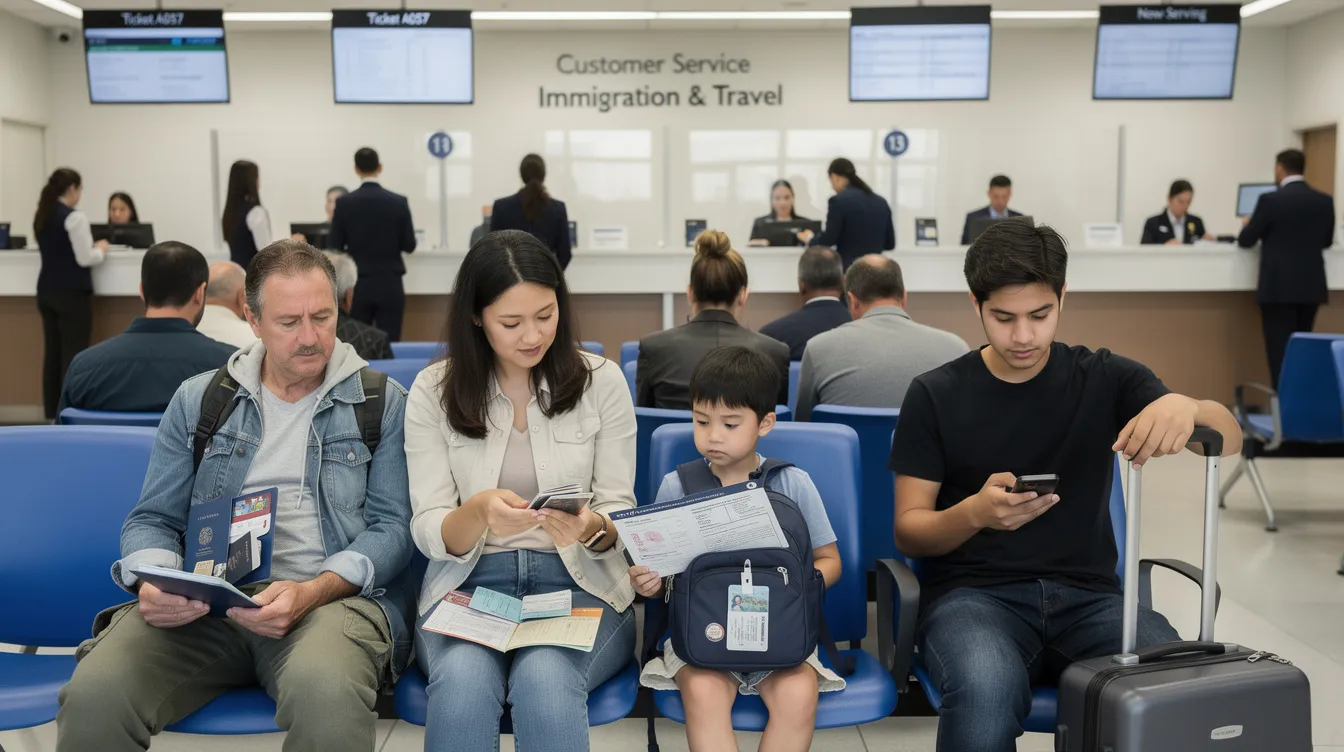
Most applicants must attend an appointment at a visa application centre (VAC) to provide fingerprints and a photograph. You must book an appointment at a visa application centre - walk‑ins are generally not accepted.
At your appointment, bring your passport, printed confirmation, and all supporting documents. You will receive your passport back on the same day of your appointment in many locations, though in some countries it may be retained during processing. Avoid making firm travel bookings until after a decision is issued.
Some applicants can use a smartphone app to scan their passport chip and submit a facial image, skipping the in‑person visit. Availability depends on nationality and whether your passport has a biometric chip.
Children must attend their own biometric appointment with a parent or guardian. Book appointments well in advance during busy periods - summer and holiday seasons fill up quickly. If a VAC is not in your country, check whether the nearest centre is in a neighbouring country.
Processing Times, Decisions and What Happens After You Apply
You usually receive a visa decision within 3 weeks (15 working days) after biometrics, though visa application processing times typically range from 3 to 12 weeks depending on location, season, and circumstances. Applications are examined in date order at the Visa Office. You can track your application status online after submission and check current processing estimates for your specific country.
You can check if you can get a faster decision through priority or super‑priority services, which cost extra but aim for decisions within a few working days or even 24 hours.
Once approved, you receive an email and your passport is returned with a visa vignette, or you get digital immigration status (eVisa). Conditions include a maximum 6‑month stay per visit, no work, no access to public funds, and only permitted business or study activities.
If refused, you receive a letter explaining the reasons. You cannot usually appeal a visitor visa refusal, though administrative review may be available. When reapplying, address the reasons for your first application refusal with stronger evidence. Visa applications can be refused due to incomplete documentation - with refusal rates running around 20% globally, careful preparation is essential for future applications.
Special Situations: Family Visits, Marriage, and Short Stay Schemes
Visiting family and friends: You need to provide evidence of a genuine relationship - birth certificates, photos, communication history - plus proof that your UK‑based host has legal status and, if sponsoring, enough funds to support your stay.
Marriage and civil partnership: A Standard Visitor visa does not permit marrying or registering a civil partnership. Use a marriage visitor visa instead. A partner who intends to stay in the UK after marriage must normally apply for a family visa and meet stricter financial and relationship rules.
Short stay visa waiver for Ireland: Some travellers holding eligible UK visit visas can visit Ireland under a short‑stay visa waiver programme without needing a separate Irish visa. However, this does not replace the need for the correct UK visa, and nationals of North Macedonia and other specific countries should verify their eligibility on the official website.
Complex immigration histories: Applicants from sensitive categories or those with previous refusals may face extra checks. Prepare more detailed evidence of ties to your home country and be transparent about your circumstances.
FAQ
Do I always need a UK visa for a short stay, or can I use an ETA instead?
It depends on your nationality. Some nationals are visa‑exempt for short visits but must obtain an Electronic Travel Authorisation before travel. Others need a valid UK visa regardless. The ETA costs £20 and covers stays up to 6 months for permitted activities. Check the latest rules on GOV.UK using your nationality and purpose of visit to confirm whether you are eligible for an ETA or need a full visa.
How far in advance should I submit my UK visa application?
You can apply up to 3 months before your planned travel date. Earlier applications are recommended during busy periods. Most visa types require proof of adequate financial resources to cover living expenses, so have your bank statements ready before you begin. Do not book non‑refundable flights until you receive your decision.
Can I work or look for a job in the UK on a Standard Visitor visa?
No. Standard visitor visas strictly prohibit employment, self‑employment, or job‑seeking. Only a narrow range of business activities - such as attending meetings or conferences - are permitted. Anyone wishing to work must apply for an appropriate work visa. Attempting to work on a visitor visa can result in removal and affect future applications.
What happens if my financial evidence is not strong enough?
Weak or inconsistent financial documents are a leading reason for refusals. Your evidence should clearly show how all trip costs - flights, accommodation, daily expenses - will be covered. If a sponsor is funding your trip, include their bank statements and a signed letter explaining the arrangement.
Can my partner or friend fill in the visa application form for me?
Yes, a spouse, friend, or adviser can help complete the online form. However, all answers must accurately reflect your own situation. You remain legally responsible for every detail submitted. You must still personally attend any biometric appointment - nobody can do that on your behalf.