UK Visa Application for Philippines: Complete Guide for Filipino Applicants
Filipino citizens need a visa to enter the UK for almost every purpose, whether it is tourism, work, study, or joining a spouse. Applying for a UK visa from the Philippines requires an online and in-person process that involves forms, fees, biometrics, and supporting documents. This guide walks through each stage, from choosing the right visa type to collecting your passport after a decision.
Key Takeaways
Most UK visa applications from the Philippines are submitted online through the official GOV.UK website, then processed via VFS Global visa application centres in Manila or Cebu.
Applicants must choose the correct visa application type (visit, work, study, or family) and pay the relevant fee and, where required, the Immigration Health Surcharge. Each visa category has specific financial, documentation, and eligibility requirements.
Standard Visitor visa decisions typically take about 3 weeks from the biometric appointment. Family and work routes can take 8 to 12 weeks, with priority services available for an extra fee when offered.
A strong application demonstrates the applicant's ties to their home country through employment or enrollment proof, financial evidence, and consistent supporting documents.
Immigration rules and fees change frequently; always cross-check details on the official UK government website close to your application date.
Overview of UK Visa Application from the Philippines
A UK visa is a formal permission, issued as a sticker (vignette) in your passport or as a digital status, allowing you to enter and stay in the UK for a defined period and purpose. As of 2026, Philippine passport holders require a visa for nearly all types of travel to the UK.
The main UK visa types relevant to Filipino applicants include:
Standard Visitor Visa for tourism, short business trips, or visiting friends and family (stay up to 6 months).
Skilled Worker Visa for professionals with a job offer from a licensed UK employer.
Student Visa for those accepted to a UK educational institution.
Family/Partner Visas for spouses, fiancé(e)s, children, or parents of British citizens or settled persons.
Almost all UK visa application forms are completed online via GOV.UK. After submitting the form and paying fees, applicants book an in-person appointment at a VFS Global visa application centre in the Philippines (Manila or Cebu) to provide biometrics and submit documents.
Eligibility criteria are similar across non-EU countries, meaning Filipino applicants follow the same immigration rules as applicants from other non-visa-free nations. Philippine citizens must apply for a Standard Visitor visa online at least 3 months before travel.
This article is written as a guide for Filipino citizens and residents applying from inside the Philippines, not for those switching visa status from within the UK.
Step-by-Step Process: How to Apply for a UK Visa from the Philippines
This section gives a chronological walkthrough of the UK visa application process for Filipino applicants, covering online forms, fees, and the visa application centre visit. Read each step carefully, since missing one can delay or derail an application.
Step 1: Choose the correct visa type
Before filling in any form, confirm which visa route applies to your situation. A tourist visiting London for two weeks needs a Standard Visitor Visa. A nurse recruited by an NHS hospital needs a Skilled Worker Visa with a Certificate of Sponsorship from their employer. A Filipino married to a British citizen needs a UK Spouse Visa. Picking the wrong category leads to automatic refusal, and the visa application fee is not refunded.
Step 2: Complete the online application form
Create an account on GOV.UK and fill in the visa application form for your chosen route. Enter your personal details exactly as they appear on your Philippine passport. You will need to provide your travel itinerary and accommodation details in the application. Answer all security and immigration history questions honestly. UKVI looks for consistency between the application and supporting documents, so discrepancies between your form answers and your evidence can trigger a refusal.
Step 3: Pay the fees
Pay the visa application fee online by card. The Standard Visitor visa fee is £135 for stays up to 6 months. When listed in USD, this fee is approximately USD 189 based on published UK visa fee schedules for the Philippines. Longer-term visitor visas cost more (USD 710 for 2 years, USD 1,267 for 5 years, USD 1,583 for 10 years).
If you are applying for a work, study, or family visa, you also need to pay the Immigration Health Surcharge (IHS) to access the UK National Health Service during your stay. The IHS is £1,035 per person per year for most routes, or £776 per year for students and applicants under 18. Visitor visa applicants do not pay IHS.
Step 4: Book a biometrics appointment
After payment, you receive a GWF reference number. Use it to book an appointment at a VFS Global visa application centre in the Philippines. Centres operate in Manila and Cebu. Manila's upgraded centre, opened on 8 March 2024, offers optional services such as a Premium Lounge, Prime Time appointments outside regular hours, and a "Keep My Passport" option so you retain your passport during processing. Keep to your chosen timeslot; missing it means rebooking and potential delays.
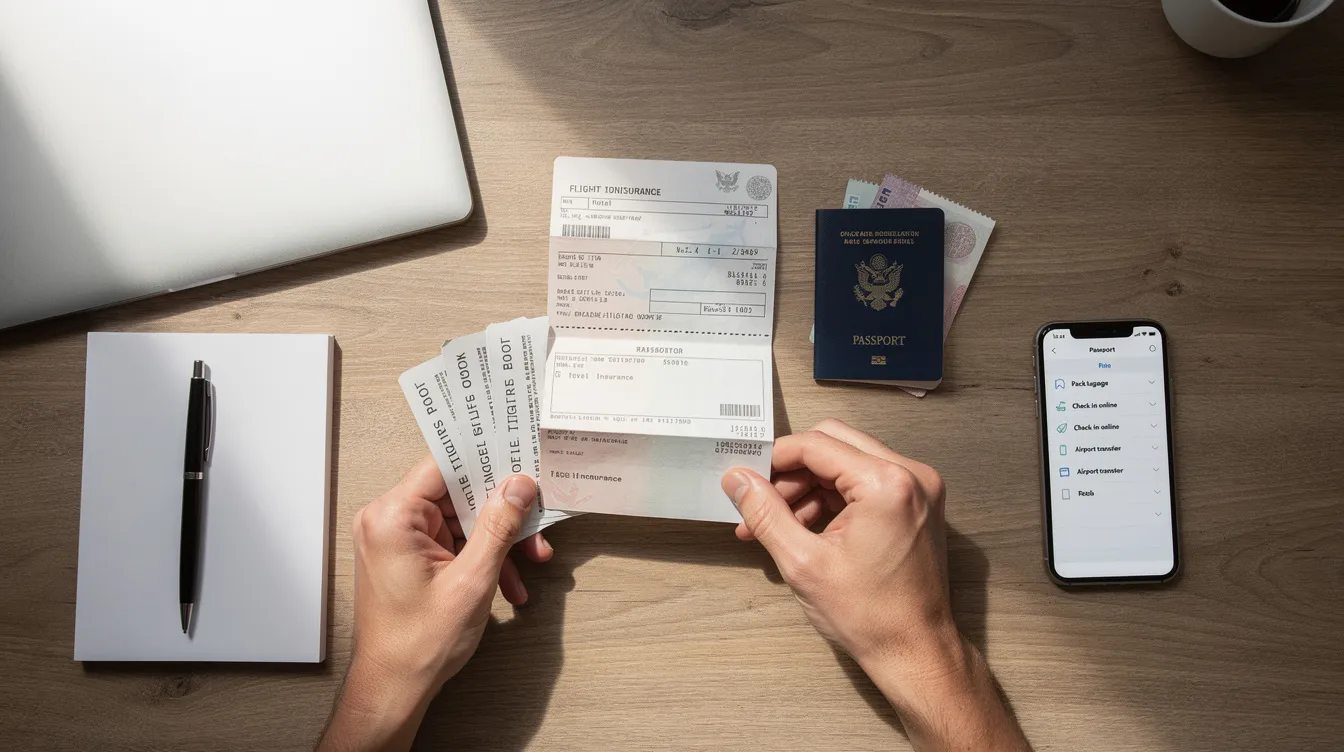
Step 5: Prepare supporting documents
Gather all required documents before your appointment. The exact list depends on your visa type, but common items include:
Document | When required |
|---|---|
Valid Philippine passport (must cover entire stay) | All visa types |
Passport-sized photographs | When requested |
Bank statements (last 3 to 6 months) | All visa types |
Employment letter or enrollment certificate | Visitor, student, and work visas |
Payslips or tax records | Work and family visas |
TB test certificate from an approved clinic | Stays over 6 months |
English language test results (e.g. IELTS) | Work, study, and family visas |
Marriage certificate and relationship evidence | Spouse and partner visas |
Certificate of Sponsorship (CoS) or CAS | Work and student visas |
A valid passport is required for the entire duration of the stay in the UK. If your passport expires before the end of your intended stay, renew it first. Translations are needed for any documents not in English.
Step 6: Attend the visa application centre
On your appointment date, visit the VFS Global centre to provide fingerprints and a facial photograph. Biometric data is collected during the visa application process and is stored by UKVI. Submit your passport and supporting documents, either as printed copies or through an upload service depending on what is available at your centre. You can optionally buy priority processing or courier return of your passport.
After the appointment
Once biometrics are done, your application is forwarded to UK Visas and Immigration for a decision. You wait in the Philippines during this period. Standard Visitor visa decisions typically take about 3 weeks from the biometric appointment. Processing times for visa decisions can vary based on individual circumstances; family and work visas often take 8 to 12 weeks. You then collect your passport or receive it by courier with either a visa vignette or a refusal letter.
Apply well before your intended travel date. For visitor visas, submitting 6 to 8 weeks ahead is a practical buffer.
Main UK Visa Routes for Filipino Applicants
This section outlines the most common visa routes for Filipino citizens and residents, with emphasis on their key eligibility points, required documents, and practical tips. Each route below has its own detailed guidance on GOV.UK; the summaries here cover the essentials.
Standard Visitor Visa
The maximum stay permitted under a Standard Visitor visa is up to 6 months. This route covers tourism, short-term business visits, medical treatment, and visiting friends or relatives in the UK.
Proof of finances must demonstrate sufficient funds for the trip without working in the UK. UKVI expects to see recent bank statements showing a balance that covers flights, accommodation, and daily expenses. Employment or enrollment proof is required to show ties to the Philippines; this could be a signed employment certificate from your employer or a school enrollment letter. Valid documentation should support the purpose of the visit and financial means.
You do not need to pay the IHS for a Standard Visitor Visa. You cannot work or access public funds on this visa. If you plan to study a short course (up to 6 months), the visitor route may still apply, but check the specific rules for your situation.
Skilled Worker Visa
Filipino professionals in healthcare, IT, engineering, and other fields commonly use the Skilled Worker route. Requirements include:
A job offer from a UK employer with a valid sponsor licence.
A Certificate of Sponsorship (CoS) issued no more than 3 months before application.
A minimum salary of £41,700 per year or the going rate for the occupation, whichever is higher. Lower thresholds (£33,400 to £37,500) apply for jobs on the Immigration Salary List or for applicants with a relevant PhD.
English language ability at CEFR B2 in speaking and listening for new applications from 8 January 2026.
From 22 July 2025, sponsored jobs must generally be at RQF Level 6 (equivalent to a UK bachelor's degree) unless the job is on the Temporary Shortage List or Immigration Salary List.
Tuberculosis testing is required for stays over 6 months in the UK, so Skilled Worker applicants from the Philippines must obtain a TB test certificate from an approved clinic before applying.

Student Visa
A Student Visa (formerly Tier 4) requires a Confirmation of Acceptance for Studies (CAS) from a UK educational institution approved by the Home Office. Applicants must prove they can cover tuition fees plus living costs, and pass an English language test at the level specified by their course (usually CEFR B2 or higher).
Like Skilled Worker applicants, students staying more than 6 months need a TB test certificate. The IHS for students is charged at the reduced rate of £776 per year.
UK Spouse and Partner Visa
Filipino spouses or partners of British citizens or persons settled in the UK can apply for a family visa. You must be married to a UK citizen (or the equivalent settled person) and prove that the relationship is genuine and subsisting through marriage certificates, photographs, communication records, and other evidence.
The financial requirement for new applications submitted after 11 April 2024 is a minimum sponsor income of £29,000 per year. Applications first made before that date may still use the previous threshold of £18,600 per year for extensions. Savings can make up a shortfall, but the rules on how savings are counted are strict (they must be held for a minimum period).
The UK spouse visa lasts for thirty-three months on initial grant. After living in the UK on this route, you can apply for indefinite leave after five years. You can apply online for a UK spouse visa through the same GOV.UK portal used for other routes, and biometrics are collected at VFS Global in Manila or Cebu.
If your spouse visa application is denied, you can appeal in certain family and human-rights based cases. Legal guidance is recommended for denied spouse visa applications, since the appeal process involves strict deadlines and procedural requirements.
Other family routes and dependants
Child visas (for children joining a parent in the UK) and parent visas (for parents of children in UK education) follow separate rules. Dependants joining a main applicant on a work or student visa have different documentation and financial requirements from the main applicant. Always check the specific GOV.UK guidance for your chosen category before preparing documents.
Many applicants find it helpful to watch official guidance videos on the GOV.UK YouTube channel or VFS Global's website for visual walkthroughs of the biometrics and document submission steps.
FAQ
These questions address common concerns about UK visa applications from the Philippines that are not fully covered in the main sections above.
How long does it take to get a UK visa from the Philippines?
Most Standard Visitor Visa applications from the Philippines are decided in around 15 working days under the standard service, which lines up with the roughly 3-week timeframe counted from the biometric appointment. Work, study, and family visas can take 8 to 12 weeks or more depending on case complexity and volume. Paid priority processing, when available in the Philippines, can shorten the wait but does not guarantee approval. Processing times for visa decisions can vary based on individual circumstances, so apply with a generous buffer before your intended travel date.
Can I apply for a UK visa if I am a Filipino working in another country?
Filipino citizens can usually apply for a UK visa from the country where they are legally living or working, not only from the Philippines. You must follow the local visa application centre procedures in that country. Check the GOV.UK website to confirm which visa application centres accept applications from non-nationals in your location, since rules differ by country and centre.
Do I need an interview for my UK visa application?
Most applicants from the Philippines only attend a biometrics appointment and do not have a formal interview. UKVI may invite some applicants to an interview online or in person if the caseworker needs more information, for example about the genuineness of a relationship in a spouse visa case. If an interview is required, you will be contacted with a date, time, and instructions. Answer all questions truthfully and consistently with what you signed and submitted on your application form.
Can I track my UK visa application status from the Philippines?
Applicants can usually track basic progress through VFS Global's online tracking tools or email updates using their GWF reference number. Detailed reasons for a decision are only revealed in the decision letter that comes with the returned passport. Contacting UKVI via their paid email or phone service is possible but will not speed up processing.
What happens if my UK visa application is refused?
Filipino applicants who are refused receive a letter stating the reasons. Common refusal reasons include insufficient financial evidence, failure to prove ties to the Philippines, missing documents (such as a TB test certificate), or inconsistencies between the application and supporting evidence. Options after refusal may include re-applying with stronger evidence or, in some family and human-rights based cases, lodging an appeal within the stated deadline. Carefully review the refusal reasons, correct any issues, and consider professional immigration advice before submitting a new application.