UKVI Contact Number: How To Reach UK Visas and Immigration in 2026
Getting through to UK Visas and Immigration can feel like navigating a maze of automated menus, long hold times, and confusing fee structures. Whether you need to check on a pending visa, report a lost document, or fix an error on your application, knowing the right UKVI contact number - and when to use it - saves time and frustration. This guide breaks down every contact route available in 2026, what to have ready before you call, and when a phone call is actually worth your time.
Key Takeaways
The main UKVI contact number from inside the UK is 0300 123 2241 (switchboard), which routes callers to visa, immigration, citizenship, or asylum teams. The UKVI phone number is 0300 123 2253 for visa and immigration enquiries specifically.
Calls from outside the UK usually go to +44 (0)300 numbers or commercial partners, and charges may apply depending on the country and phone provider. Calling UKVI may incur a fee of £20 for international phone enquiries.
Most standard visa queries must now go through online forms or email services first. Phone lines are reserved mainly for complex, urgent, or follow-up issues.
Callers should have key documents ready - application reference (GWF number), passport details, date of birth, and the email address used for their UKVI account - to avoid delays and repeated calls.
UKVI contact centre staff cannot provide personalized advice or predict application success. They can confirm general status and help with corrections, but decisions rest on submitted evidence alone.
UKVI Contact Numbers: Quick Reference (UK & Overseas)
If you just need the numbers, this section has you covered. Below is an at-a-glance breakdown of the main UKVI contact numbers for 2026, whether you are calling from inside or outside the UK.
UK Visas and Immigration (UKVI) provides contact channels for inquiries from inside and outside the UK. UKVI provides contact options depending on your location and inquiry type, so the number you dial depends on what you need help with. UKVI operates dedicated contact lines for general inquiries, digital account issues, and nationality matters.
Here are the core numbers:
0300 123 2241 – UKVI public switchboard (inside UK). This line routes callers via automated menu options to visa, immigration, citizenship, or asylum teams.
0300 123 2253 – UKVI visa and immigration helpline (inside UK). This is the most commonly called line for application-related queries. Expect queue times of 20–40 minutes at peak periods.
0300 790 6268 – UKVI Resolution Centre for digital status, eVisa, and account issues (inside UK).
+44 20 3875 4669 – Fallback number if 0300 numbers are inaccessible from outside the UK.
0300 123 4193 – Asylum appointment booking line (inside UK).
When dialling from outside the UK, use the +44 format and drop the leading 0. For example, 0300 123 2253 becomes +44 300 123 2253. International rates and possible local service fees apply - per-minute costs have been reported at around £0.69 for some overseas call lines, and UKVI contact methods may incur separate fees for queries originating outside the UK.
Commercial paid lines previously used for overseas callers (such as +44 203 481 1736) have changed over time. The official GOV.UK contact page provides the current contact routes for UKVI, so always check the Contact UK Visas and Immigration page before calling to confirm you have the right number.
For emergency situations - for example, being refused boarding at the airport or needing an urgent replacement travel document - contact the nearest British embassy, consulate, or visa application centre rather than a central UKVI contact number. These offices can sometimes act faster on time-sensitive matters.
Best Ways To Contact UKVI About Your Application
UKVI now expects most people to start with online contact forms or email before picking up the phone. Phone calls are mainly useful for complex issues, corrections to submitted details, or urgent follow-up when processing times have clearly been exceeded.
Use the official online contact forms
For specific visa application types, use the official GOV.UK Contact UKVI Tool. This tool asks you to choose your visa type (work, study, family, visit, asylum, or nationality) and your location, then directs you to the right team. In some countries, you will need to pay a small fee to submit an email-based enquiry through this route.
UKVI offers a paid email enquiry service for specific questions regarding ongoing applications. The initial inquiry through the email service costs £2.74, which covers your first message and any follow-ups within the same enquiry thread. Response time for email inquiries is typically within 5 working days for most standard queries.
Know what call-centre staff can and cannot do
For many standard questions about processing times or what supporting documents are needed, UKVI provides detailed guidance pages on GOV.UK. Call-centre staff cannot give legal advice, speed up a decision, or predict the outcome of your application. Phone operators for UKVI are managed by a third-party contractor with restricted access to casework details, which limits what they can tell you beyond general status information.
Prepare before you call
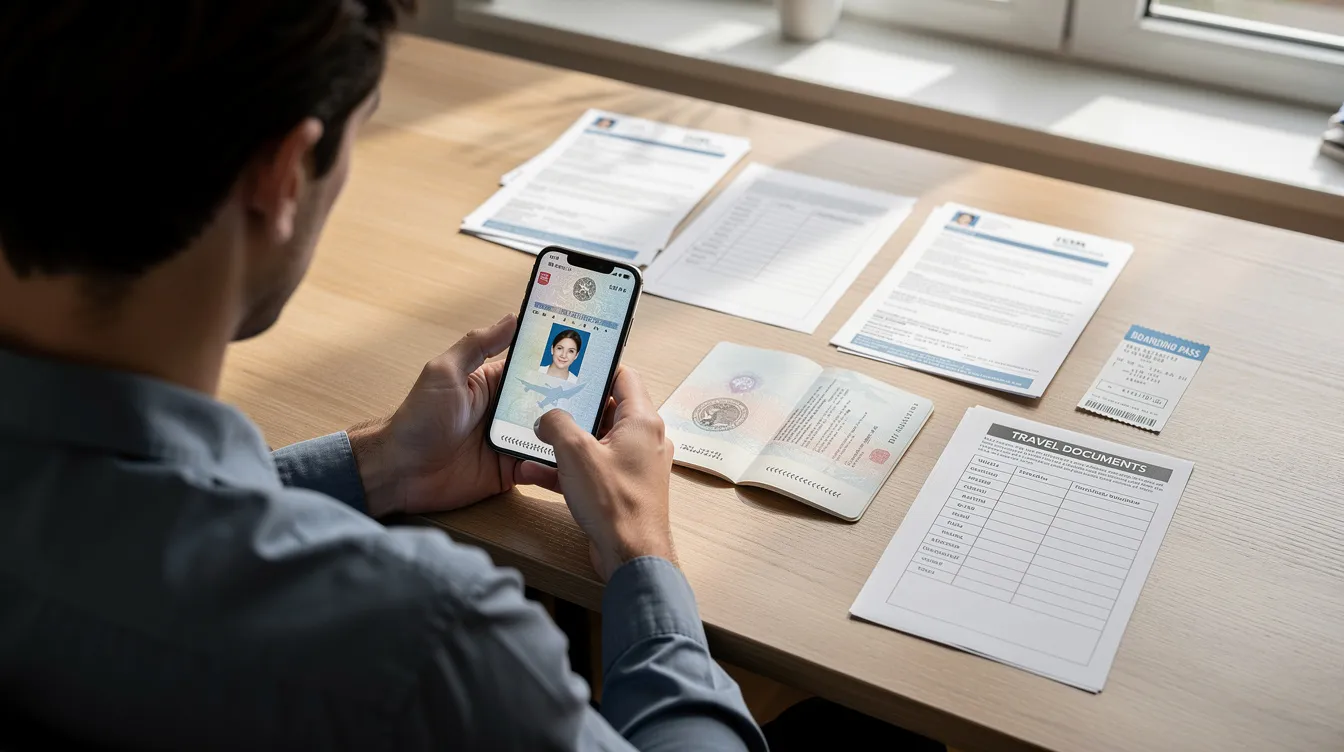
Before contacting UKVI, have ready your passport details and visa application reference number. You should also prepare:
Full name as shown on your passport
Date of birth and nationality
GWF number or application reference
The email address linked to your UKVI account
Any payment receipts for application fees or the Immigration Health Surcharge
Updating your UKVI account prevents missed communications. If you have moved or changed your email, make sure your account reflects this before you call. You can update most details anytime after application submission through your online UKVI account.
Expect fees for some enquiry routes
Some callers report previously paying around £5.48 for email enquiries (before 2020) and around £20 for international phone calls to UKVI partners. Although fee structures have changed, certain enquiry services remain chargeable in 2026. Always check the current fee schedule on GOV.UK before you submit or call.
Nationality and naturalisation enquiries
For nationality or naturalisation questions, UKVI publishes dedicated email addresses. You can email UKVI at FurtherNationalityEnquiries@homeoffice.gsi.gov.uk for citizenship-related queries. Email responses from UKVI on nationality matters take up to 20 working days rather than providing telephone updates, so plan accordingly if your question is not urgent.
Be patient with the process
Emphasise patience when dealing with UKVI by phone. Call handlers can often only confirm that an application is "under consideration." They cannot provide detailed progress updates, especially for complex settlement, asylum, or nationality cases. If you are waiting for a reply, check your UKVI account and email regularly rather than calling repeatedly.
When You Should Call UKVI (And When You Shouldn't)
Not every situation requires a phone call to UKVI. In fact, most don't. Understanding when a UKVI contact number is genuinely useful - and when it will just burn your time - helps you find answers faster and avoid unnecessary frustration.
When calling is appropriate
There are several reasons where phoning makes sense:
You need to make urgent corrections to personal details on a submitted application (for example, a misspelled name or wrong date of birth).
You need to report the loss or theft of a Biometric Residence Permit.
You have received unclear correspondence or a technical error message from the Home Office.
You need to notify UKVI of serious errors in submitted documents that could affect your decision.
You have been refused boarding at the airport and need immediate assistance with your immigration status.
Incorrect details can lead to visa refusal or delays, so if you spot an error after you submit your application, calling is one of the fastest ways to flag it.
When calling is unlikely to help
Callers with pending applications often phone UKVI to check status, but call-centre agents usually cannot provide more information than what is already visible on your UKVI account or in automated email updates. Processing-time standards - for example, student visas typically aimed to be decided within set working-day targets, with optional priority and super-priority services - mean that calling before these timeframes have passed rarely changes anything.
You should also avoid relying on phone calls to submit new evidence or documents. Instead, upload them through your UKVI online account, respond via the official document upload portal, or follow the instructions in any request email from the Home Office.
Accessibility and complaints
Some complaints or accessibility issues should go to specific contact points rather than a general UKVI phone line. For website accessibility concerns, UKVI's accessibility email is hof-accessibility@digital.homeoffice.gov.uk. Formal complaints about delays, staff conduct, or decision-making should be submitted through the Home Office complaints process on GOV.UK.
Keep your details up to date
You must update your address after moving immediately. Passport details must be updated after renewal or replacement. Failure to update can cause travel difficulties - for example, if your eVisa is linked to an old passport number, you may face problems at the border. You can make most of these changes through your UKVI account online without needing to call.
Consider professional help
Individuals who struggle with English or face complex immigration rules may wish to seek help from qualified immigration advisers or solicitors. These professionals can guide you on when contacting UKVI is appropriate, how to present information clearly, and whether your situation requires a phone call or a different contact route.
Documents and Information To Have Ready Before Calling UKVI
Having the right documents to hand before you dial reduces call length and eliminates the risk of being told to ring back with missing details. Below is a checklist of what UKVI staff commonly ask for.
Passport or travel document: Have your current passport available. If you hold previous passports with UK visa vignettes, keep those nearby as well.
BRP card: If you still have a Biometric Residence Permit (even if it has expired), have it ready. The number on the card can help trace your records.
Application form copy: If possible, keep a copy of your submitted application form or a screenshot of your UKVI online account showing the application summary.
GWF reference number: This is the reference number assigned to online visa applications. UKVI staff will almost always ask for it. It appears in your confirmation email.
Home Office reference number: For applications processed by the Home Office, you may have a separate case ID or reference starting with specific letter prefixes. Find this in any decision emails or letters you have received.
Payment receipts: Have evidence of payment ready - receipts for your application fee or Immigration Health Surcharge. This information can sometimes help trace lost or delayed applications.
Security verification details: Be ready to confirm your full name, date and place of birth, current address, and the email used on your application. These must match exactly what was entered in the UKVI system to avoid verification problems.
Call log: Keep a simple record of each call - the date and time, which number you dialled, the name or operator ID of the person you spoke to (if given), and a brief note of any advice or reference numbers provided during the conversation. This log can be invaluable if you need to escalate an issue or refer back to earlier guidance.

Frequently Asked Questions
The questions below cover common concerns that are not fully addressed in the main sections above. Each answer is written in plain English and focuses on practical details you can act on immediately.
What are UKVI's typical telephone opening hours?
Core UKVI and Home Office helplines usually operate on UK working days, Monday to Friday, with approximate hours of 9:00 am to 4:45 pm (UK time). Friday hours sometimes end slightly earlier, around 4:30 pm. However, you must always check the specific service page on GOV.UK because some specialist lines - such as the UKVI Resolution Centre for eVisa and digital account issues - may extend their hours or offer weekend availability. Public holidays in England and Wales usually mean reduced or no service. If you are calling from a different time zone, convert the hours carefully to avoid calling outside the operating window.
Can UKVI tell me exactly how long my visa will take by phone?
Call-centre staff can confirm general processing-time guidance - for example, standard, priority, and super-priority targets published on GOV.UK - but they cannot guarantee an exact decision date or move your case to the front of the queue. Most applicants should only chase after the published maximum processing time has clearly passed. Calling before that point will typically result in a reply along the lines of "your application is under consideration," which adds no new information. If you have applied for a priority or super-priority service and the promised timeframe has lapsed, that is a legitimate reason to call and ask for an update.
Is there a separate UKVI contact number for complaints?
Most formal complaints about delays, staff conduct, or decision-making must be submitted using the Home Office complaints process described on GOV.UK, usually via an online form or postal address. The general UKVI phone lines are primarily for information and basic case enquiries, not for lodging formal complaints. If you call to complain, the agent will likely direct you to the online complaints form. For accessibility-specific issues with the UKVI website, you can email hof-accessibility@digital.homeoffice.gov.uk directly rather than using a phone line.
Can someone else call UKVI on my behalf?
UKVI may speak in general terms to a third party - for example, confirming published processing times or explaining how to use the online portal. However, for data protection reasons, they usually need either the applicant present on the call or written consent before discussing detailed personal information or case specifics. If you have a legal representative such as a solicitor or registered immigration adviser, they can typically contact UKVI on your behalf provided they have formal authorisation. Family members without written consent will generally only receive generic guidance.
Will calling UKVI affect the outcome of my application?
Phoning UKVI does not make an approval more likely and does not usually speed up a decision. The main practical benefit of calling is to correct wrong details, ask about missing correspondence, or clarify instructions you have received. The decision itself remains based solely on the documents and information already provided in your application. Repeated calls will not influence the outcome and may simply add to your own frustration if processing times have not yet been exceeded.