Visa Waiver Cost: ETIAS & Other Fees Explained for UK Travellers
Atomic Answer: If you're a UK traveller planning a trip to Europe, the US, or Canada, a new layer of paperwork and cost is heading your way. Here's everything you need to know about visa waiver fees, what they actually fund, and how to keep spending to a minimum.
If you're a UK traveller planning a trip to Europe, the US, or Canada, a new layer of paperwork and cost is heading your way. Here's everything you need to know about visa waiver fees, what they actually fund, and how to keep spending to a minimum.
Key Takeaways
From late 2026, most UK travellers will need an ETIAS visa waiver to visit the Schengen Area. The ETIAS visa waiver costs €20 (£17) per application for applicants aged 18 to 70, while children under 18 and seniors over 70 are exempt from the fee.
ETIAS approval will typically last for three years or until passport expiry, whichever comes first, covering multiple trips of up to 90 days in any 180-day period.
The United States Electronic System for Travel Authorization (ESTA) fee is currently $40.27, making ETIAS comparatively affordable. Canada's eTA remains just C$7.
Border protection changes like the EU Entry/Exit System (EES) add biometric checks but do not carry a separate visa waiver cost for travellers.
The cost of obtaining a visa waiver varies depending on the destination country, so always verify fees on official government websites before booking.
What Is a Visa Waiver and Why Does It Cost Money?
A visa waiver is an electronic travel authorization - not a full visa - used by countries and regions like the European Union (ETIAS) and the USA (ESTA) to pre-screen visitors making short stays. It grants entry for tourism, business, or transit without the lengthy consular process of a traditional visa system.
The visa waiver cost is a small administrative fee that funds security databases, application processing, and digital border protection systems. Fees for visa waivers are standardized per application, meaning every eligible applicant from a given country pays the same amount. The fee is normally paid online at the time of application and is non-refundable even if the application is refused.
Visa waivers must be applied for through official government channels - not through unofficial intermediaries. This cost is entirely separate from airline tickets, travel insurance, or consular fees for long-stay permits.
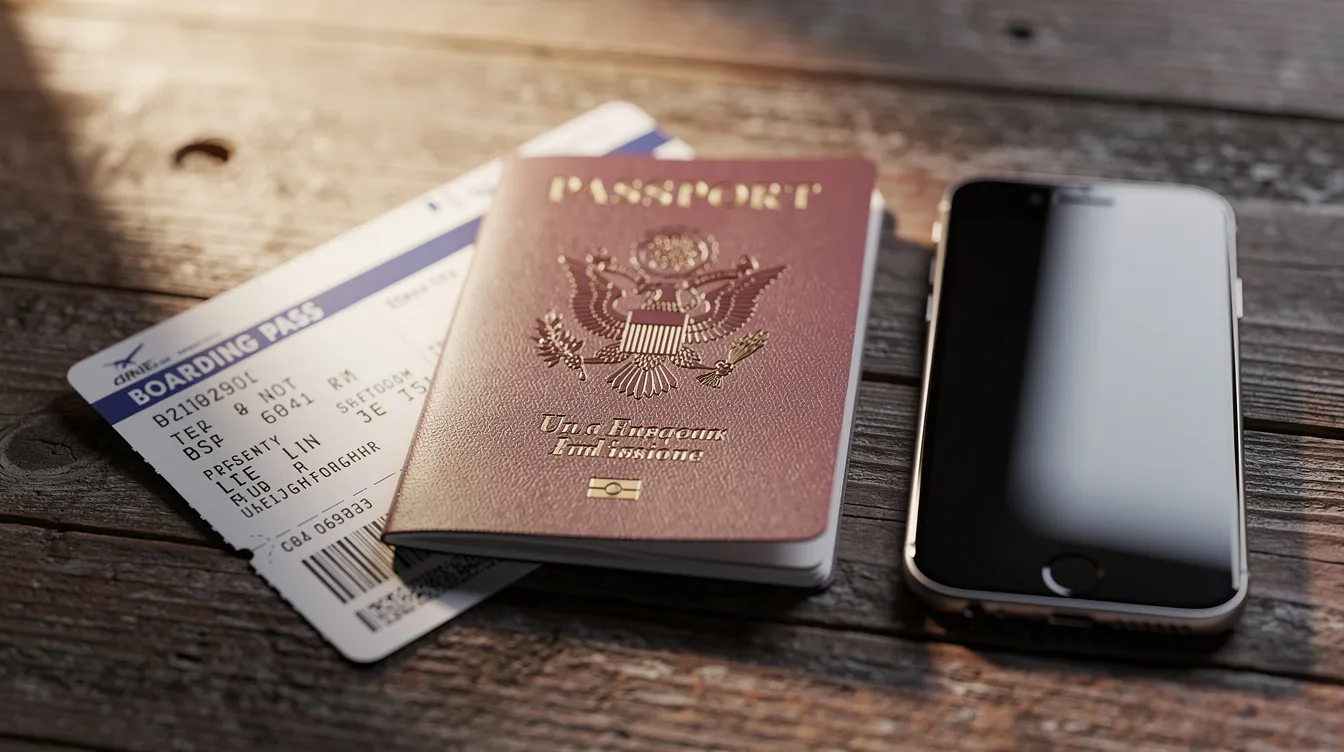
ETIAS Visa Waiver Cost for UK Travellers
The European Travel Information and Authorisation System is the new visa system required for non-EU travellers - including Brits - visiting European countries in the Schengen Area or Cyprus. ETIAS will start operations in late 2026 for UK travelers.
Here's what the cost looks like:
The ETIAS application fee is €20 for ages 18 to 70. The initial ETIAS fee was €7 before it tripled due to inflation and expanded security infrastructure.
Children under 18 are exempt from the ETIAS fee. Seniors over 70 do not pay the ETIAS fee either.
ETIAS is valid for three years or until passport expiry, allowing multiple entries. Each stay is limited to 90 days in 180 days.
ETIAS applications can be completed online or via a mobile app, and the application process takes no more than 10 minutes. The ETIAS application requires passport details and personal information. Over 95% of ETIAS applications will be approved automatically, with the remainder flagged for manual review.
The cost will be the same whether UK travellers enter the Schengen zone by plane, ferry, train, or car - covering everything from a weekend city break in France or Italy to a longer holiday across multiple Schengen states.
Other Common Visa Waiver Costs (US, Canada & Beyond)
ETIAS is part of a wider global trend. UK travellers already encounter visa waiver costs when visiting non-EU countries like the US and Canada.
Scheme | Destination | Cost (2026) | Validity | Stay Limit |
|---|---|---|---|---|
ETIAS | Schengen Area / Cyprus | €20 (£17) | 3 years | 90 days / 180 days |
United States | US$40.27 | 2 years | 90 days | |
Canada | C$7 | Up to 5 years | 6 months | |
United Kingdom | £20 | 2 years | 6 months |
If ESTA applications are denied, only the processing fee is charged - roughly US$10.27 - rather than the full bill. Payments for visa waivers are often processed in the destination country's currency and may incur transaction fees from your bank.
Travellers should always check the official government or border protection website of their destination for the latest visa waiver cost before booking flights.
How Long Does a Visa Waiver Last and When Do You Pay Again?
Most visa waivers are multi-year approvals, making the per-trip cost remarkably low for frequent holidaymakers. Visa waivers permit multiple entries within their validity period, which can range from two to three years depending on the country (or up to five for Canada's eTA).
Key triggers for a new fee waiver application:
Passport expires. Visa waivers are digitally linked to a passport and must be reapplied if the passport expires - even if your authorisation hasn't reached its three-year limit.
New passport issued. Getting a new passport means paying again for a fresh authorisation linked to the new document.
Validity period ends. You must reapply and repay once the maximum period passes, regardless of how many trips remain unused.
Check your existing visa waiver expiry dates well before your journey to avoid last-minute delays or denied boarding at the airport.
Security, Border Protection and What Your Fee Funds
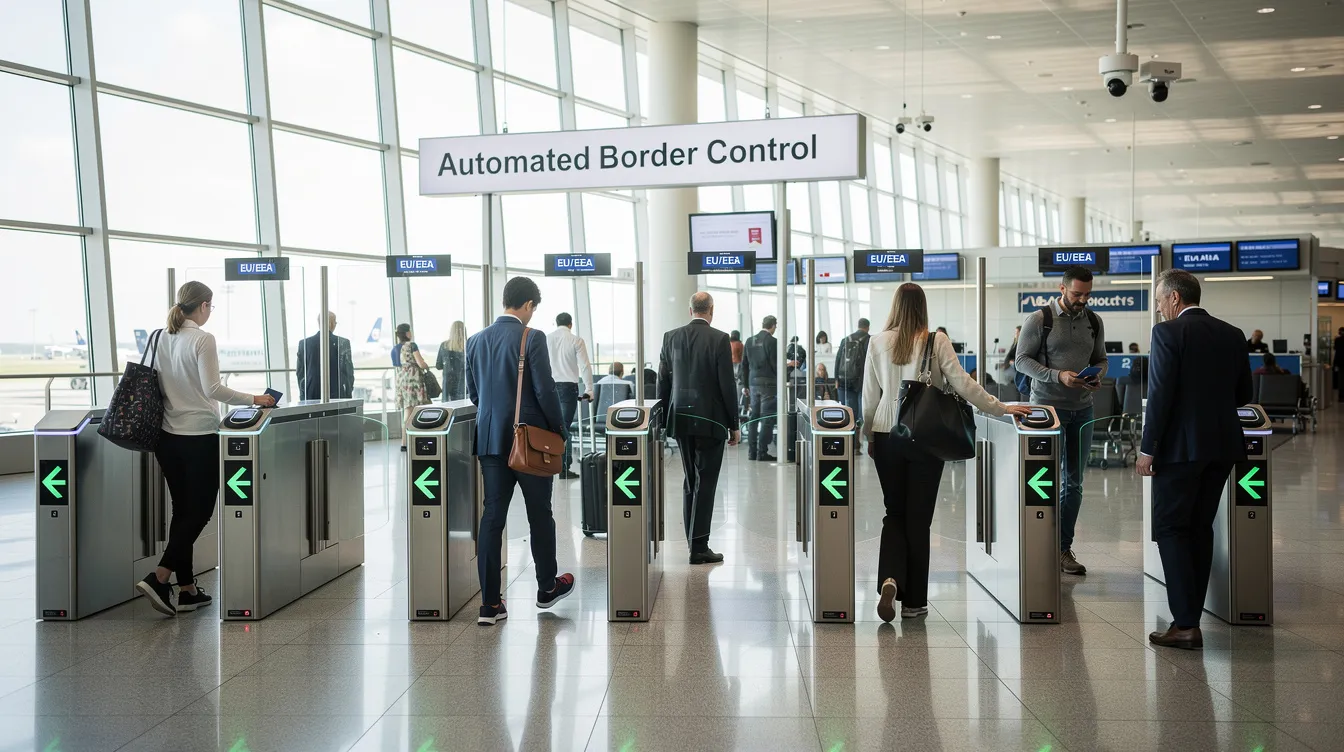
Visa waiver costs help finance modern border protection measures - they are not a "tourist tax." The EU's Entry/Exit System (EES), fully operational since April 2026, records fingerprints, facial biometrics, and digital entry and exit data for visitors from non-EU countries.
During its rollout, the EES registered over 45 million border crossings and detected more than 600 passengers who posed a security risk through biometric cross-checks. Systems like ETIAS and ESTA cross-check travellers against security, immigration, customs, and health databases to identify overstayers, forged documentation, or serious criminal risks.
The exit system itself does not add a separate visa waiver cost. Its development and maintenance are partly supported by ETIAS application fees and EU budget contributions. Despite extra checks at automated kiosks, the overall aim is faster processing for pre-screened visitors and safer borders for host European countries and their citizens.
How to Minimise Your Visa Waiver Costs
Individual visa waiver fees are modest, but careful planning still helps - especially for families or frequent travellers who can't afford to waste money.
Apply early. Register as soon as the official ETIAS portal opens so you can complete the process without rush fees or stress.
Plan trips within the validity window. A single €20 ETIAS payment can cover multiple holidays and business trips over three years across France, Italy, Cyprus, and the rest of the Schengen area.
Set digital reminders. Track your ETIAS, ESTA, and eTA expiry dates so you never pay a third-party intermediary to handle a last-minute application.
Avoid unofficial websites. Third-party agencies may charge extra fees for visa waiver applications - sometimes half the cost of the official fee again - without providing genuine added value. Staying informed and using official services is the simplest way to keep your bill low.
FAQ
Is ETIAS a visa and will it replace normal Schengen visas?
ETIAS is not a traditional visa. It is a visa waiver - an electronic pre-screening introduced for EU citizens of visa-exempt countries like the UK. Travellers who already need a full Schengen visa based on their nationality will continue to apply for one through the existing visa system. For UK passport holders, ETIAS will sit alongside, not replace, long-stay and work visa categories issued by individual Schengen states.
Do I pay a separate fee each time I cross a border inside Europe?
No. You pay the ETIAS visa waiver cost once per authorisation period. Once admitted to the Schengen Area, UK travellers can move freely between member states without internal border checks for up to 90 days in any 180-day period. A new payment is only due when approval expires or you receive a new passport.
Is there any way to get a visa waiver for free?
Under current regulations, children under 18 and adults over 70 receive a free ETIAS waiver. Dependents and family members of EU citizens may also benefit from fee exemptions depending on final EU regulations. However, there are no general fee waivers based on financial hardship for short-stay travel authorization schemes, so all other eligible applicants should budget for the standard cost.
What happens if my visa waiver is refused after I pay?
ETIAS and ESTA fees are generally non-refundable even if the application is refused. Refusal decisions usually include a brief reason and may allow applicants to provide additional documentation or apply for a full visa instead. Check the official guidance of the relevant border protection authority for appeal options.
Will visa waiver costs increase again after 2027?
Governments regularly review visa waiver fees to match inflation, security demands, and system maintenance costs. No specific increases beyond those already announced are guaranteed, but travellers should expect periodic adjustments. Always verify current fees on the official ETIAS or ESTA website shortly before submitting any application - especially for trips planned well into the future. Research the latest rates each time you book to avoid surprises.