
UK Visas and Immigration Status: From Physical Documents to eVisas
The UK immigration system has undergone one of its most significant changes in decades. Physical cards, passport stickers, and wet-ink stamps are giving way to a fully digital system of eVisas. If you hold a UK visa, have indefinite leave to remain, or are planning to move to the UK, this shift affects how you prove your immigration status to employers, landlords, universities, the NHS, and border officials.
This guide breaks down exactly what has changed, who needs to take action, and the practical steps to follow so you can navigate UK visas and immigration with confidence.
Overview of UK Visas, Immigration Status and the Move to eVisas
Your immigration status is, in simple terms, the permission granted by the Home Office that allows you to enter, stay, work, study, or settle in the UK. It defines what you can and cannot do while you are here - from whether you can take a job to whether you can access public funds and benefits.
Here are the key terms you need to know:
Immigration status - your official permission to be in the UK, including any conditions attached (work rights, study rights, time limits, access to public funds).
UK Visas and Immigration (UKVI) - the Home Office department that processes visa applications, grants permission to stay, and enforces immigration rules.
Biometric Residence Permit (BRP) - the physical card that has traditionally been issued to non-UK nationals with leave to stay longer than six months. A Biometric Residence Permit proves immigration status in the UK and has been required for individuals staying, working, or studying here.
eVisa - a digital version of your immigration status, held online by UKVI and linked to your current passport. It replaces the BRP, visa vignette stickers, and other physical documents.
Share code - a temporary code you generate through your UKVI account to let a third party (an employer, landlord, or university) view specific details of your status online.
The UK government is digitizing immigration status by 2025. eVisas are part of a digital immigration system designed to be more secure, more convenient, and harder to forge than physical cards. eVisas will be fully implemented by January 2025, and by the end of 2024 all migrants must create a UKVI account to access their digital record.
Who is affected first?
BRP holders whose cards expire on 31 December 2024 - over 4 million people fell into this category.
People with indefinite leave to remain or indefinite leave to enter evidenced only by an old vignette or wet-ink stamp in a passport.
EU/EEA/Swiss citizens under the EU Settlement Scheme whose physical Biometric Residence Cards have expired.
Family members and dependants holding BRPs who need their own digital records.
What stays the same?
Digital immigration status will not change existing rights or conditions. Your right to work, study, rent, or access the NHS and benefits remains exactly as it was. Only the proof changes - from a physical document to a digital record in your UKVI account.
eVisas also simplify access to UK government services and benefits because agencies like the Department for Work and Pensions, HMRC, and the NHS can verify your status electronically rather than asking you to carry and present a card.
Physical document vs eVisa: a quick comparison
Feature | Physical document (BRP / vignette / stamp) | Digital eVisa |
|---|---|---|
Format | Plastic card, passport sticker, or ink stamp | Online record linked to your passport |
Security | Can be lost, stolen, or forged | Harder to lose; protected by biometric verification |
How you prove status | Show the card or stamped passport in person | Generate a share code; third party checks online |
Updating details | Requires a new card or sticker | Update passport, name, or photo through your account |
Expiry | Most BRPs expired 31 December 2024 | Reflects your current leave; no separate card expiry |
Travel | Carry card; vignette in passport | eVisa linked to passport; carriers check digitally |
By December 2024, over 3 million people had already made the switch from physical immigration documents to eVisas, though approximately 300,000 UK residents had still not set up their accounts by April 2025.
Types of UK Visas and How Immigration Status is Proven
The UK immigration system includes distinct visa categories based on purpose of travel. Whether you are coming to work, study, join family, visit, or settle permanently, there is a specific route - and each one carries its own conditions that appear in your immigration status record.
Here is a practical breakdown of the major routes and how status is proven under each.
Major visa categories
Work visas - the Skilled Worker visa is the most common route; Skilled Worker visas require a job offer from an approved UK employer. The Health and Care Worker visa was a popular sub-route, though the closure of the Health and Care route to new overseas recruitment was enacted in July 2025. Global Talent visas are for leaders in academia, research, arts, and digital technology and do not require employer sponsorship. English language requirements vary by visa, but most work routes need at least CEFR B1.
Study visas - the Student visa and Child Student visa allow international students to study in the UK, though student visas are not typically direct settlement routes. Students face restrictions on working hours during term time and conditions like "no recourse to public funds."
Family and partner visas - spouse, civil partner, fiancé(e), and parent visas fall here. Family visas enable family members to join UK citizens or settled persons. Financial requirements are mandatory for several UK visa categories and may vary depending on the specific route and number of dependants.
Visit visas - visitor visas are for temporary stays in the UK without intent to immigrate permanently. Since February 2026, most visa nationals applying for visit visas receive an eVisa only, with physical vignette stickers fully phased out by mid-2026.
Settlement routes - many routes to settlement in the UK allow for indefinite leave to remain after five years of residence (for example, after five years on a Skilled Worker visa). Settled status holders have full rights to work, study, and access public funds.
EU Settlement Scheme (EUSS) - the EU Settlement Scheme provides specific provisions for EU citizens living in the UK by 2020, granting settled or pre-settled status. Many EUSS holders already have digital-only status.
Other routes - some visa types are subject to specific age limits, especially for the Youth Mobility Scheme (applicants must generally be aged 18–30). Dependants can often accompany applicants on various visa routes, subject to conditions.

How status has traditionally been proven
A physical document such as a BRP card - for most holders, the BRP expires on 31 December 2024.
A visa vignette (sticker) placed in a passport for entry clearance, used before collecting a BRP or for short-term permissions.
A passport stamp or wet-ink endorsement for older grants of indefinite leave to remain or leave to enter.
What about the transition period?
During 2024, many people held both a BRP and a developing digital eVisa. Both could be used, but from 2 June 2025, expired BRPs and BRCs were no longer accepted for travel to the UK. After that date, travellers needed a valid eVisa linked to their passport.
Who checks your status - and how?
The Department for Work and Pensions, HMRC, the NHS, DVLA, and border control increasingly rely on electronic checks of immigration status rather than inspecting physical cards.
The Immigration Health Surcharge is applicable for most long-term visas to access the NHS, and payment of this surcharge is recorded digitally alongside your status.
Carriers at air, rail, and sea borders now perform digital "permission to travel" checks for most non-British/Irish passengers, following changes enforced from 25 February 2026.
When do you still need to carry physical documents?
For overseas travel before your BRP expires (or before the 2 June 2025 cut-off for expired cards).
Where a carrier has not yet fully integrated eVisa checks (rare after mid-2025, but possible with smaller operators).
In all other situations - proving status to employers, landlords, universities - a share code from the UKVI "view and prove" service is enough.
Working, Studying and Staying in the UK: Visa Conditions and Checks
Once you have the right visa, your day-to-day life in the UK depends on the conditions attached to your immigration status. Here is how eVisas interact with work, study, and post-study life.
Right to work checks - employers are legally required to check immigration status before hiring. They now do so via the Home Office "view and prove your immigration status" service using share codes you generate, rather than inspecting a physical BRP. This applies whether you are starting a new job, switching employers, or renewing a contract.
Renting a flat - landlords must verify your right to rent. You generate a share code, provide it along with your date of birth, and the landlord checks your status online. No need to hand over a card or leave your passport with an agent.
Enrolling at university - universities use the same share code system. Your digital status will show whether you have permission to study, any restrictions on working hours during term, and whether you have access to student finance.
Visa conditions visible in your eVisa - the digital record shows conditions such as "no recourse to public funds," "work permitted," or specific hour restrictions for students. These conditions are binding regardless of whether the status appears on a card or an eVisa.
Post-study routes - the Graduate visa can allow international students to work in the UK for two years post-study (three years for doctoral graduates). Students who wish to stay longer-term must then move to a route like the Skilled Worker visa, and their right to work will be proved almost entirely digitally.
Settled status holders - those with indefinite leave (whether through a work route, family route, or EUSS) still need an eVisa to prove their rights easily from 2025 onwards. The underlying leave does not expire, but without digital proof, interactions with employers, landlords, the NHS, and the Department for Work and Pensions become unnecessarily difficult.
eVisas, UKVI Accounts and Replacing Physical Documents
The Home Office has been digitising immigration records at pace. By the end of 2024, most migrants needed a UKVI account to view and prove their immigration status. BRP holders must register for a UKVI account by December 31, 2024, and BRP holders can transition to a digital eVisa through a UKVI account.
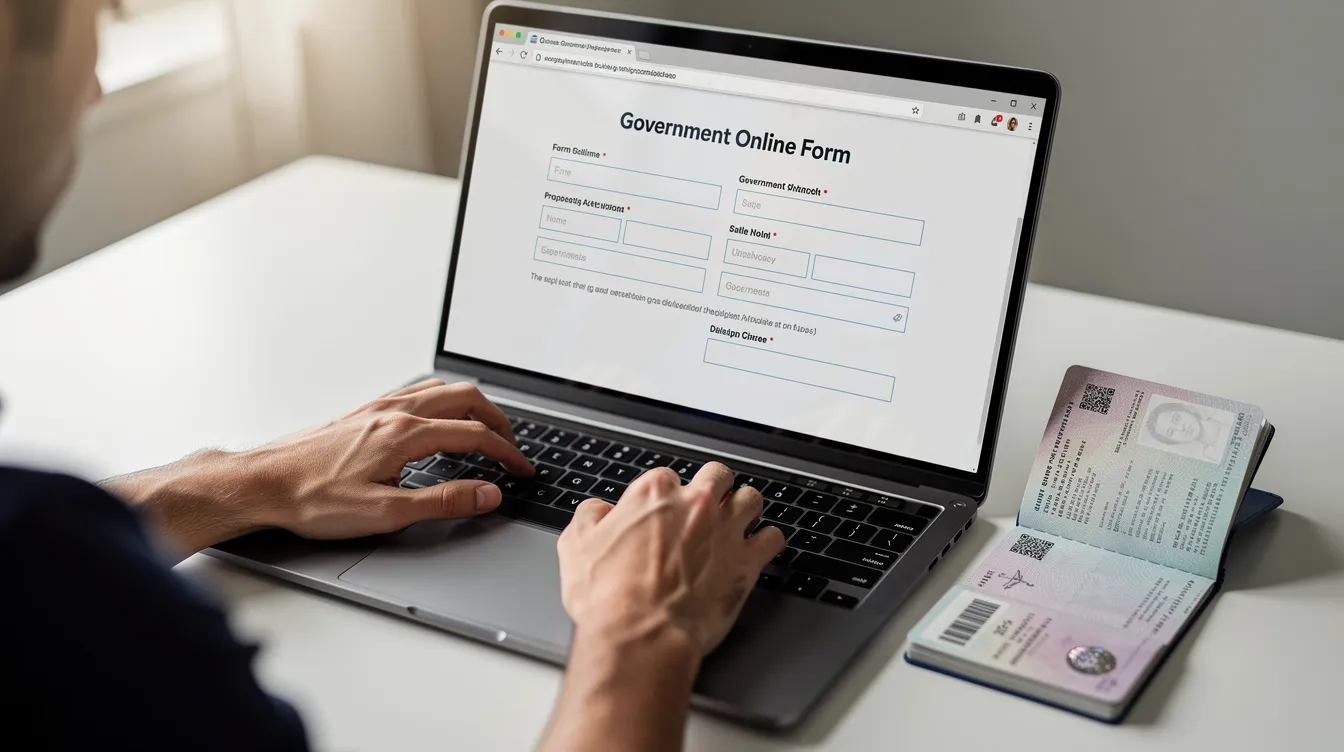
An eVisa is an online record of your UK immigration status held by UKVI. It is linked to your current passport or travel document and accessible through a secure UKVI account. It is not a PDF, not an email, and not a downloadable file - it is a live record that reflects your current leave, conditions, and the passport you travel on.
How invitations work
BRP holders began receiving eVisa invitations in April 2024. The Home Office emailed holders in phases throughout 2024, directing them to create a UKVI account. If you did not receive an email, you can still register by visiting the official GOV.UK eVisa page.
Steps to create a UKVI account
Follow the email invitation or visit the GOV.UK eVisa registration page directly.
Verify your identity using your passport or BRP details (expired BRPs can still be used for account creation for up to 18 months after expiry under transitional regulations).
Set up secure login credentials and provide your contact details (email address and phone number).
Link your existing visa or immigration decision to the account. The system matches your biometric and personal information to the Home Office record.
Creating a UKVI account is free. Each individual, including children, needs a separate UKVI account - parents or guardians can create and manage accounts for under-18s.
What you can do once registered
View your immigration status - see the type of visa or leave you hold, any conditions (work, study, public funds), and the expiry date.
Generate share codes - create temporary codes to prove your status to employers, landlords, and universities. A share code for an eVisa is valid for 90 days, after which you simply generate a new one.
Update your passport details - if you renew or replace your passport, you must update the linked travel document in your UKVI account so that your eVisa matches the passport you carry.
eVisas allow secure sharing of immigration status online without handing over physical cards or leaving your passport with a third party. This is a significant upgrade in both convenience and security.
Keep your information current
This point cannot be overstated: keep your email address, phone number, and travel document details up to date. If your passport number in the UKVI system does not match the passport you present at a border or to an employer, your status check will fail. Airlines and other carriers at air, rail, and sea borders now verify permission to travel digitally - an outdated passport link can mean being denied boarding.
After 31 December 2024, when most BRPs expired, carriers progressively stopped accepting physical cards. From 2 June 2025, expired BRPs were no longer valid for travel to the UK at all.

Special Situations: Families, Children and Exempt Personnel
Certain groups face slightly different timelines or processes when moving to eVisas. Here is what each group needs to know.
Family members with expiring BRPs - if your BRP expires on 31 December 2024 (or has already expired), you must register for a UKVI account and access your eVisa. Do this before you need to prove your status for work, rent, travel, or access to pensions and other benefits. Waiting until the last moment risks being unable to evidence your leave.
People with indefinite leave evidenced by old documents - if you hold indefinite leave to remain but your only proof is a vignette or wet-ink stamp in a passport that may itself be lost, stolen, or expired, you need to apply for a No Time Limit (NTL) transfer to get your status into the digital system. NTL processing can take up to six months, so early action is essential. Once transferred, your settled status is accessible through your UKVI account.
Children - every child must have their own UKVI account. A parent or legal guardian can create and manage it, using the child's identity documents and date of birth while providing the adult's email or phone number for notifications. When the child turns 18 or is able to manage the account independently, responsibility can be transferred by updating contact details within the service.
Non-UK armed forces personnel - some serving members of the armed forces who are not UK nationals may currently be exempt from immigration control and do not hold a BRP or eVisa while serving. However, when they leave service or apply for indefinite leave to remain to enter civilian life in the UK, they will need to receive an eVisa and create a UKVI account.
Individuals over 70 - the 2025 regulations specify that individuals over 70 with expired BRPs are encouraged but not required to create UKVI accounts and will not face sanctions if they do not. They are less likely to need to prove status frequently, though having digital access remains advisable.
Key Takeaways
The move to eVisas does not change your immigration rights or conditions - it changes how you prove them.
BRP holders must register for a UKVI account by December 31, 2024. If you have not done so yet, act now.
Your eVisa is linked to your passport. Every time you renew your passport, update your UKVI account.
Use share codes to prove your status to employers, landlords, and universities - no need to carry or hand over a physical document.
People with indefinite leave evidenced only by old stamps or vignettes should apply for a No Time Limit transfer to get their status into the digital system.
Each person - including every child - needs their own UKVI account.
The shift from physical documents to digital UK visas is already complete for most routes. Whether you are a worker, student, family member, or long-term settled resident, the action you need to take is straightforward: create your UKVI account, verify your details, and keep your information up to date. The system is designed to make proving your status faster and more secure - but only if you engage with it.
Visit the GOV.UK eVisa page to check your status, set up your account, or generate a share code today.