
Do You Need a Visa to USA? (ESTA, Visa Waiver & Full Visa Explained)
Whether you need a visa to enter the USA depends on three things: your nationality, how long you plan to stay, and what you intend to do there. This page covers the Visa Waiver Program, the ESTA application process, the full visa route, and the edge cases that trip people up, including criminal records, passport rules, and health requirements.
Key Takeaways
Travellers from roughly 40 Visa Waiver Program countries (including the UK, most EU nations, Japan, and Australia) do not need a traditional visa for visits of up to 90 days for business or tourism purposes; they must hold an approved ESTA instead.
Citizens of non-VWP countries, anyone planning to stay more than 90 days, and those visiting for work, study, or immigration must apply for a visa in advance at a US Embassy or Consulate.
A criminal record, previous overstay, or prior visa refusal can disqualify you from the visa waiver, forcing you into a full visa application.
Entry requirements change frequently. Always confirm current rules on official U.S. government sources before travelling.
You need either an ESTA or a visa to enter the US; there is no third option for most nationalities.
Do You Need a Visa to Travel to the USA? (Quick Answer)
If your country is part of the Visa Waiver Program VWP and you are visiting for tourism or business for 90 days or fewer, you do not need a visa. You do need an approved ESTA, obtained through the Electronic System for Travel Authorization before you board your flight. Everyone else must apply for a visa.
Three decision points determine which route applies to you:
Nationality. British citizens travelling to the U.S. for up to 90 days do not need a traditional visa. The same applies to citizens of other VWP-eligible nations such as Germany, France, Japan, and Australia. Citizens of countries outside the VWP, such as India, must obtain a valid visa before departure.
Length of stay. You need a traditional visa if you plan to stay for more than 90 days, regardless of nationality.
Purpose of visit. Tourism, short business meetings, and conferences fall under the visa waiver or B-1/B-2 visa categories. Work, study, journalism, and immigration require specific visa types.
Concrete examples:
A British tourist on a two-week holiday applies for ESTA online; no embassy visit needed.
An Indian citizen visiting family for two weeks must apply for a B-2 visitor visa at the nearest US Embassy.
A French national accepting a one-year U.S. job needs an appropriate work visa. A travel authorisation alone will not cover employment.
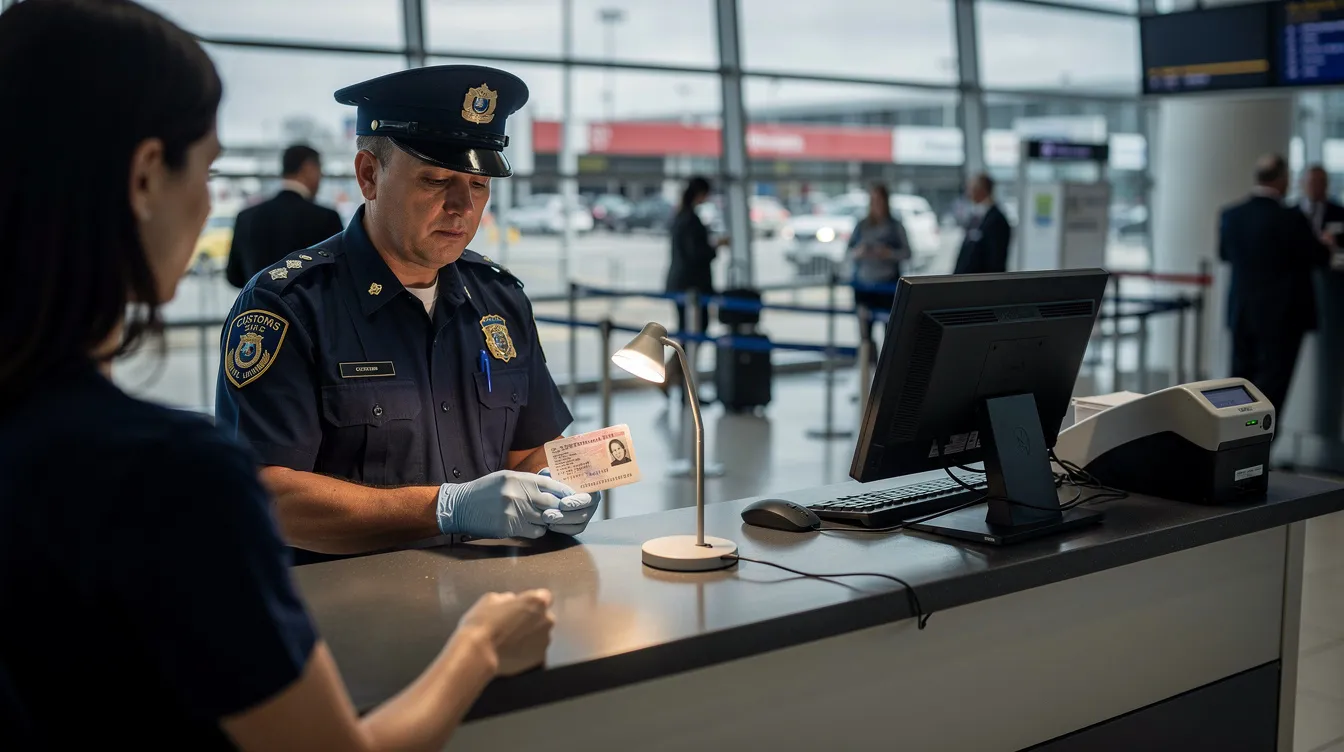
Even with an approved ESTA or a valid visa, final admission is decided by US Customs and Border Protection officers at the port of entry. Neither document can guarantee entry.
Understanding the Visa Waiver Program (VWP) and ESTA
The Visa Waiver Program permits citizens of around 40 designated countries to visit the USA without a visa for stays of up to 90 days. The program started in 1986 and has expanded over the decades as more countries met its strict security and information-sharing criteria.
Typical uses under the VWP include tourism, short business trips, conferences, and transit through the USA. The VWP does not cover work, study, or stays beyond 90 days.
Every VWP traveller arriving by air, sea, or land must have an ESTA before boarding. This applies to all ages; infants and children are not exempt. ESTA is required for travellers under the Visa Waiver Program, and without it, airlines will deny boarding.
ESTA is not a visa. It is an automated system for pre-screening run by the Department of Homeland Security. It does not guarantee entry. VWP participation requires strong security cooperation between the USA and the traveller's home country, which is why only the following countries (and a few dozen others) qualify: the UK, most EU member states, Japan, South Korea, Australia, New Zealand, and several more.
Electronic System for Travel Authorization (ESTA): How It Works
ESTA is the U.S. government's electronic system for travel authorization. Travellers from VWP countries use it to request permission to board a flight, ship, or cross a land border into the USA.
What the ESTA application asks for:
Passport details (a valid biometric e-passport is required to apply for ESTA)
Personal data: name, date of birth, address, citizenship
Travel plans and U.S. contact information
Eligibility questions covering criminal record, communicable diseases, past overstays, and prior visa refusals
Validity and cost:
ESTA is valid for two years or until passport expiration, whichever comes first. During that window, you can make multiple trips of up to 90 days each. ESTA applications cost $21 per traveller, payable by credit card at the point of submission. The ESTA application fee is $21 per application per traveller.
Timing:
Approval for ESTA is recommended at least 72 hours before departure. Ideally, travellers should apply before purchasing tickets, since a denial means you must apply for a visa instead. ESTA applications can be submitted anytime before travel.
ESTA is fully electronic and linked to your passport, so printing is optional. Saving your confirmation number is a good idea for reference at check-in or the border.
General USA Entry Requirements (Passports, Return Tickets, and More)
An ESTA or visa is only one part of USA entry requirements. At the port of entry, immigration officials will check several additional conditions before granting admission.
Passport rules:
Your passport must be valid for your entire stay. Some nationalities face a six-month validity requirement; however, citizens of countries in the "Six-Month Club" (including the UK, Australia, and most EU states) only need their passport valid through the duration of their visit.
What US Customs and Border Protection expects at the border:
Proof of onward or return travel
Evidence of sufficient funds to cover your trip
The address of your first night in the U.S.
A reason for your visit that matches your ESTA or visa application
CBP officers can inspect luggage and electronic devices and ask detailed questions about your plans. Honesty and consistency with your application are essential; discrepancies can result in denied entry or future bans.
Special cases: children travelling without both parents may face extra questions or need a consent letter from the absent parent. Dual nationals should confirm which passport to use when entering or leaving the USA, as only certain passports are eligible for the visa waiver.
Who Must Apply for a U.S. Visa Instead of Using ESTA?
Not everyone qualifies for the visa waiver. Several categories of travellers must apply for a visa even for short visits.
You must apply for a visa if:
Your country is not in the VWP (for example, India, China, Brazil, Nigeria, and most African and South American nations)
You plan to stay longer than 90 days
Your visit is for work, study, media employment, or immigration
ESTA ineligibility factors:
You do not qualify for ESTA if you have travelled to specific restricted countries (such as Iran, Iraq, Syria, or Sudan on or after March 1, 2011), under the Visa Waiver Program Improvement and Terrorist Travel Prevention Act of 2015
Previous U.S. overstays void future ESTA eligibility
Prior visa refusals or certain criminal histories may disqualify travellers from using the Visa Waiver Program
If your ESTA is denied, do not attempt to travel without authorization. You must instead apply for an appropriate non-immigrant visa. U.S. visitor visas include B-1 for business and B-2 for tourism and medical treatment. The main visitor visa types are B-1/B-2 combined visas issued for business and tourism.
Step-by-Step: How to Apply for a U.S. Visitor Visa
This section covers the standard non-immigrant visa process for those who cannot or choose not to use the VWP.
Main steps:
Complete Form DS-160 (the online non-immigrant visa application form). Print the confirmation page.
Pay the visa application fee of $160, payable online. This fee is non-refundable.
Book a visa interview at the nearest US Embassy or consulate. Visa appointments at the US Embassy are limited and should be planned ahead; wait times vary by location and season.
Documents to bring:
A valid passport (valid for at least your intended stay, with a similar length of remaining validity as your trip or longer)
A recent photo meeting U.S. State Department specifications
DS-160 confirmation and fee receipt
Travel itinerary, if available
Proof of funds and employment details
Evidence of ties to your home country (property, family, job) to support your intent to return
To obtain a visitor visa, an in-person interview is typically required. You must demonstrate ties to your home country so the consular officer is satisfied you will not overstay. Answer all questions truthfully; misrepresentation can lead to permanent inadmissibility.
After the interview:
Typical wait time for a visa decision is 4 working days. Once issued, the visa is placed in your passport. Non-immigrant visas can be valid for a maximum of 10 years with multiple entries, depending on nationality and reciprocity agreements. The visa's validity determines how long you can use it to seek entry; the actual length of each stay is set by the CBP officer at the border, often up to six months for B-2 tourism purposes.
Travelling to the USA with a Criminal Record
Having a criminal record does not automatically bar travel to the USA, but it can make you ineligible for a visa waiver and complicate both ESTA and visa decisions.
The ESTA form and visa applications specifically ask about arrests, cautions, and convictions. Failing to disclose an accurate criminal record can lead to denial, bans, or permanent inadmissibility. Lying on the form is treated more harshly than the underlying offence in many cases.
Travellers with criminal records often must apply for a visa rather than rely on the visa waiver, even if their country is in the VWP. The process typically requires additional paperwork: a police certificate or detailed court records, usually issued within the last six months.
Certain offences trigger automatic inadmissibility under U.S. immigration law unless a waiver of ineligibility is granted. These include crimes involving moral turpitude, controlled substance violations, and multiple convictions with aggregate sentences over five years. Waivers are discretionary and add weeks or months to the process.
If your record is complicated, allow extra time before your travel date and seek specialist legal or immigration advice. The eligibility questions on both ESTA and visa forms leave no room for ambiguity on this subject.
Health, Recommended Vaccinations, and Travel Insurance for the USA
For most travellers, the USA does not currently require specific routine vaccinations as a condition of entry. That said, recommended vaccinations from health authorities in your home country and the U.S. CDC typically include routine immunisations (MMR, diphtheria-tetanus-pertussis, polio), influenza, and others depending on season and personal risk.
Recent global events have shown that temporary health-related entry rules can appear with little warning; outbreaks in certain regions may trigger additional screening or documentation requirements. Check your national health advisory and the CDC website before departure for the most current advice.
Travel insurance is not a formal entry requirement, but skipping it is a serious financial risk. U.S. healthcare costs are among the highest in the world. Good travel insurance for a USA trip should cover:
High medical limits (at least $500,000)
Emergency evacuation
Trip cancellation and baggage issues
Pre-existing conditions, if relevant
Carry proof of insurance, a list of emergency contacts, your medications, and any allergy details when entering the USA.
Money, Practicalities, and Staying Connected During Your U.S. Trip
Once your ESTA or visa is sorted, everyday practicalities need attention.
Money and payments:
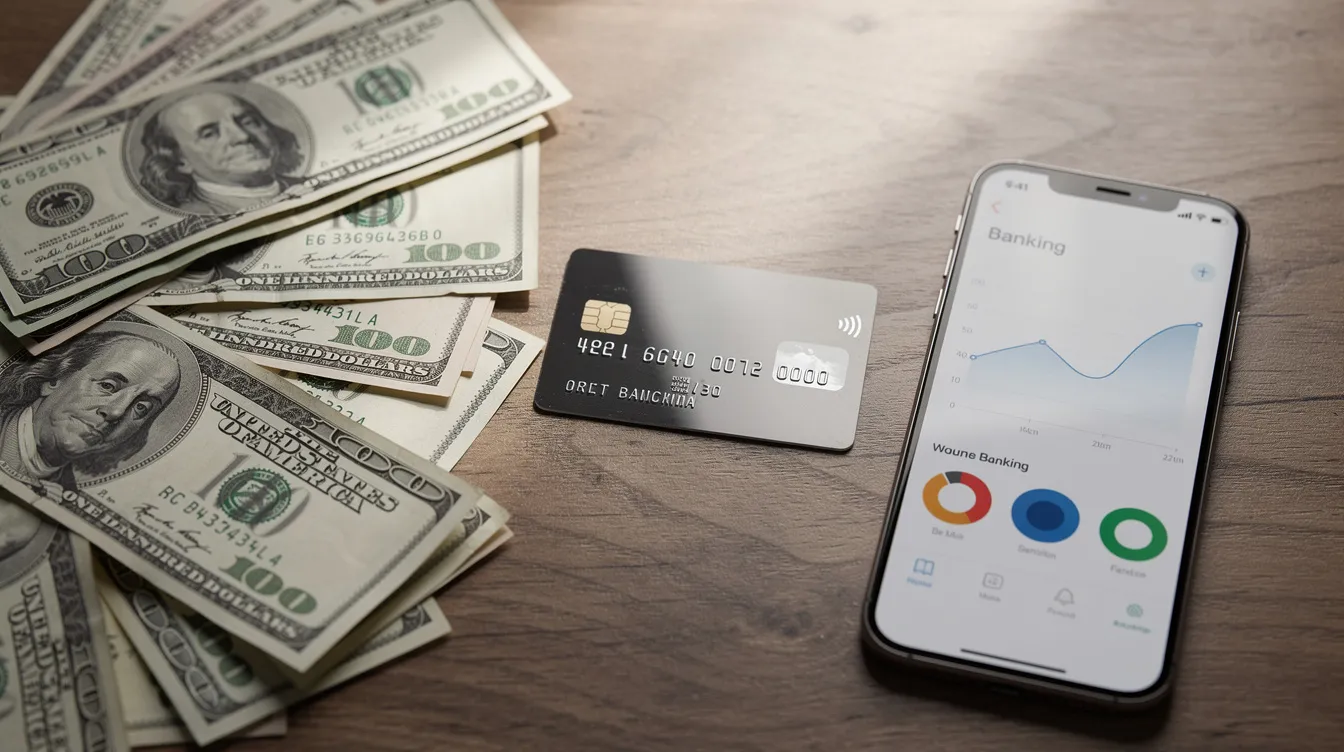
The USA uses the U.S. Dollar (USD). Visa and Mastercard credit and debit cards are accepted almost everywhere. Cash is useful for small vendors and tipping. Watch for foreign transaction fees on your card; some banks charge 2-3% per transaction. Avoid exchanging currency at airports or hotels in London or other departure cities, where commissions are steep. A low-fee card that converts at or close to the mid-market rate will save you money across your trip.
Phones and data:
Most modern phones work in the USA, but roaming charges from UK or EU providers can be expensive. Alternatives include buying a local eSIM or travel SIM with a U.S. data plan, or arranging an international add-on before departure. Access to maps, rideshare apps, and messaging makes a data connection worth planning.
Electricity:
The USA uses Type A and B plugs (flat pins) at 120V, 60Hz. Travellers from the UK, EU, or Asia will need a plug adapter. Some older devices that are not dual-voltage may also need a voltage converter.
Document copies:
Keep digital and physical copies of your passport, ESTA or visa confirmation, travel insurance policy, and emergency numbers. Store them separately from the originals.
Frequently Asked Questions about Visas and Travel to the USA
If I have an approved ESTA, do I ever need to apply for a visa?
Yes. If your plans change and you decide to work, study, or stay longer than 90 days, ESTA will not cover you. You must apply for the correct visa at a US Embassy or consulate outside the country. ESTA cannot be "upgraded" to another immigration status while you are inside the USA. A change in your circumstances, such as a new criminal record, can also make you ineligible for the Visa Waiver Program and require a full visa application.
Can I extend my 90-day stay in the USA if I entered under the Visa Waiver Program?
No. Stays under the Visa Waiver Program cannot be extended or changed to another status from inside the USA. Overstaying even by a few days triggers bars on future entry: unlawful presence of 180 days to one year results in a three-year ban; one year or more results in a ten-year ban. If you think you will need more than 90 days, apply for a suitable visitor visa before travelling.
What happens if my passport expires before my ESTA's two-year validity ends?
ESTA is electronically linked to a specific passport. If that passport expires, the ESTA becomes unusable, even if its nominal expiry date has not passed. After getting a new passport, you must submit a fresh ESTA application and receive new travel authorization before going to the USA.
Do children need their own ESTA or visa to enter the USA?
Every traveller, regardless of age, must have their own approved ESTA or appropriate visa. This includes babies travelling on a parent's lap. Parents or guardians can complete the ESTA or visa application on behalf of minors, but all details, including the child's passport information, must be accurate and truthful.
Is it safe to book flights before my visa interview or ESTA approval?
Neither approval is guaranteed, so booking non-refundable flights or accommodation before you have your confirmation carries financial risk. If you must book early, choose flexible tickets and fully refundable or changeable bookings. For more detailed information on processing times and appointment availability, check the State Department website for your specific embassy or consulate.