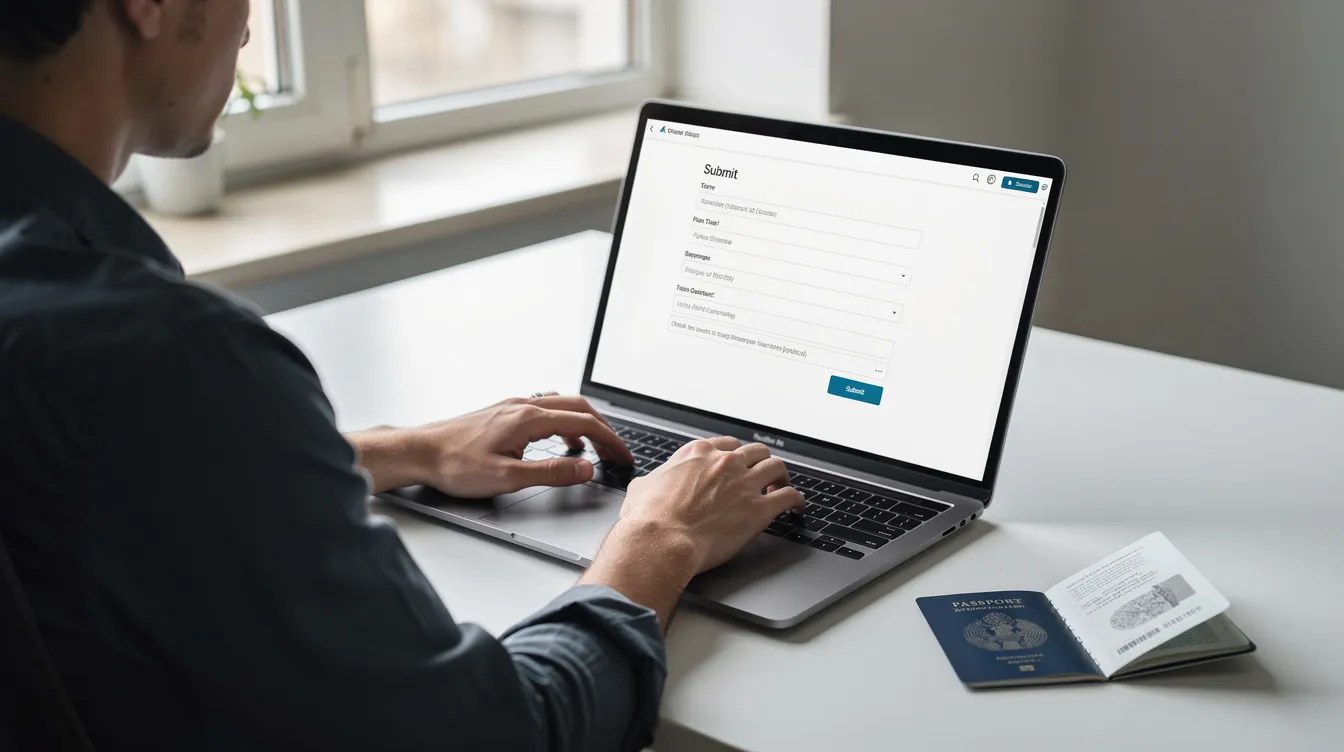
US Visa Application: Step‑by‑Step Guide to the Visa Process
Planning a trip, a semester abroad, or a job in the United States? This guide walks you through every step of a visa US application in 2026-from picking the right category to clearing customs on arrival. Whether you are a first-time applicant or a frequent traveler, the information below will help you start with confidence and avoid costly mistakes.
How the US visa process works in 2026
The visa process for entering the United States follows a clear sequence, and understanding each stage removes most of the guesswork. Here is how visa applications move through the system right now:
Every applicant must complete an online form-DS‑160 for nonimmigrant visas or DS‑260 for immigrant visas-then pay the MRV fee, schedule an interview with the US Embassy or Consulate, attend biometrics, and wait for issuance.
Tourism and business visas require an in-person embassy interview. Most people aged 14–79 must appear in person at a consulate in the country where they reside; narrow exceptions exist for renewals and certain age groups.
Visa processing times can take from one day to a week after approval. In London, for example, B‑1/B‑2 interview slots are commonly available within about 1.5 months, and approved applicants typically receive their passport back in 3–7 working days.
Visa validity, number of entries, and permitted stay are decided by the State Department and Customs and Border Protection, and they differ by nationality, visa category, and diplomatic agreements.
Choosing the right US visa: visitor, student, and work visa categories
Selecting the correct category is the foundation of every successful application. A mismatch between your purpose of travel and the visa you apply for will almost certainly affect your chances. The most common types fall into three groups: visitor, student, and work.
B‑1/B‑2 visitor visas cover tourism, medical treatment, conferences, and short business meetings. A visitor visa for UK nationals is valid for 10 years with multiple entries; stay per visit is usually capped at six months by CBP.
Study visas (F‑1 for academic programs, M‑1 for vocational courses, J‑1 for cultural exchanges) require a Form I‑20 or DS‑2019 from a US institution before you can apply, plus a separate SEVIS fee.
Work visas are required for anyone seeking employment in the US. Key categories include H‑1B (specialty occupations), L‑1 (intra-company transfers), O‑1 (extraordinary ability), and H‑2A/H‑2B (seasonal roles). All require a US employer sponsor and a USCIS petition before consular processing.
Nationals of Visa Waiver Program countries must apply for ESTA online for short business or tourism visits of up to 90 days. If they plan to work or study long term, a full visa is required.
Immigrant visas (family-based, employment-based, Diversity Visa) follow a separate process with significantly longer timelines-often months to years depending on the category and country of chargeability.
Step‑by‑step: how to complete your US visa application online
This section walks you through the core online steps for most nonimmigrant visa applications in 2026. Applicants must gather necessary documents before submission to avoid delays mid-form.
Start by creating an account on the Consular Electronic Application Center (CEAC), pick your embassy or consulate location, and begin the DS‑160. Budget roughly 90 minutes if your data is ready.
Key DS‑160 sections include personal and passport details, travel itinerary (you can enter approximate dates if plans are not yet final), previous US travel history, security and background questions, and work or education information. Online forms and supporting documents must be submitted for review.
A photograph meeting US visa photo requirements is required for the DS‑160 application-recent, plain background, correct resolution. Bring a printed copy to the interview as a backup.
After you complete the form, the DS‑160 confirmation page with the barcode must be printed and saved. You will need it to book and attend your appointment.
Pay the non-refundable Machine Readable Visa (MRV) fee. A US tourist visa costs $160 for the base B‑category; petition-based work visas run higher. Note that a separate fee structure applies for certain territories-for instance, the total cost for a US Virgin Islands visa is £83.66, broken down into an embassy fee of £30.20, a service fee of £44.55, and VAT of £8.91. Fees can change year to year, so always check before you pay.
Use the embassy's scheduling system to secure an interview date. Visitor visa appointments can be scheduled in as few as four days at some posts, but during busy periods (June–August) cities like London or New Delhi may book out weeks ahead. A pilot program running through December 2026 lets applicants at participating posts pay an additional $750 for an expedited slot within 10 business days.
Preparing for your interview at a US Embassy or Consulate
The consular interview is the step where an officer decides whether to issue your visa. Thorough preparation directly affects your approval chances-arrive organized, and the process takes minutes rather than becoming a source of concerns.
A valid passport is required for the visa application process; it must generally be valid for at least six months beyond your planned US entry date. Also bring your DS‑160 confirmation page, appointment letter, MRV fee receipt, and one printed photo.
Supporting documents that demonstrate the purpose of your trip and ties to your home country are recommended but may not be mandatory for every application. For tourists: proof of funds and itinerary. For business visitors: employer letter and meeting agenda. For students: I‑20 or DS‑2019 and SEVIS receipt. For a work visa: petition approval (I‑129/I‑797) and qualification evidence.
On the day: expect security screening at the entrance, then fingerprint scanning. Applicants for a US visa must undergo fingerprint scanning and an interview with a consular officer at a service window.
Typical questions include: Why are you traveling? What is your job or school status? Who is paying? What ties you to your home country? Answer briefly, truthfully, and consistently with the data on your DS‑160.
Possible outcomes: approval (passport kept for visa printing), administrative processing under section 221(g) that adds days or weeks, or refusal under 214(b) if the officer is not convinced you will return home.
Approved applicants at posts like London typically receive their passports with visas via courier within about 3–7 business days. Always review your post's specific delivery time before making travel plans.
Special rules for frequent travelers, dual citizens, and recent visitors to restricted countries
Some applicants face extra steps based on dual nationality, prior travel to designated states, or intensive travel patterns. If any of the following apply to you, plan for additional time and documentation.
Dual US citizens must enter and leave the United States on their US passport. They do not need a visa or ESTA-US law recognizes dual nationality, but a valid US passport is the only accepted travel document for entry.
Citizens who also hold nationality of countries like Iran, Iraq, Syria, Cuba, or Sudan-or who visited those states after specific cut-off dates-may lose ESTA eligibility even if they carry a UK or EU passport. ESTA applications are not accepted from certain travel document holders in these cases, so they must apply for a full visitor visa with an in-person interview.
Frequent business travelers who formerly relied on ESTA often pick a long-validity B‑1/B‑2 visa to minimize repeated approvals, but they must still respect stay limits and avoid unauthorized work.
Applicants with complex histories-multiple nationalities, travel in conflict zones, prior overstays, or a criminal record-should expect more detailed questioning and possibly administrative processing that extends timelines.
After approval: visa validity, entry to the US, and common mistakes to avoid
Getting the visa stamp in your passport is not the final step. Understanding what the visa does-and does not-guarantee can save you from problems that affect every future application.
Visa validity is the window in which you may travel to and request admission. A person holding a 10-year B‑1/B‑2 visa can visit repeatedly, but each stay is limited-usually up to six months-as recorded on the I‑94 by CBP at the border.
CBP officers at airports and land borders make the final call. In rare cases they can deny entry even with a valid visa if they uncover inadmissibility at the border.
Common mistakes that jeopardize future status: overstaying the authorized period, working on a visitor or ESTA entry, misrepresenting the trip's purpose, or spending more time in the US than at home over a rolling period.
Keep copies of past I‑94 records, boarding passes, and old passports with previous visas. These help demonstrate clean travel history when you reapply or contact a consulate for a new category.
If you plan to change your activity in the US-say, moving from tourism to employment or long-term study-apply for the appropriate work visa or student visa before starting that activity. Changing status without authorization is a fast path to inadmissibility.
Rules change with little notice. In 2026 alone, a federal judge vacated a policy that had suspended immigrant visa applications from 75 countries, and a new expedited-appointment pilot reshaped scheduling at select posts. Always check the latest official guidance on the Department of State's visa page before you fill out any form or pay any fee on a Friday afternoon you will regret.