Visa Network: How Money Travels Around the World
Introduction: A trusted network powering the global economy
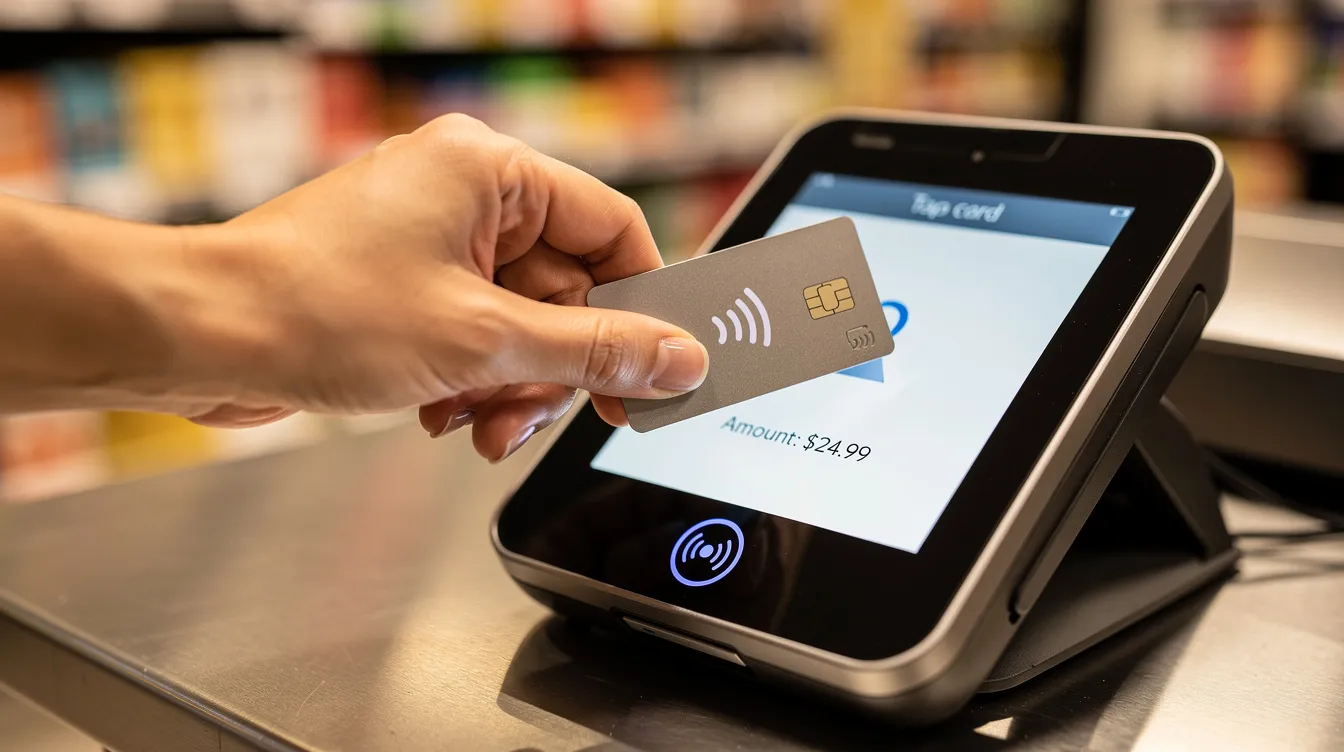
Every time you tap your card at a coffee shop, complete an online purchase from another continent, or send money to a family member overseas, something remarkable happens behind the scenes. In a fraction of a second, your transaction races through a vast digital infrastructure that spans the globe, connecting your bank to the merchant's bank, verifying your funds, and moving money across borders-all before you've put your wallet back in your pocket.
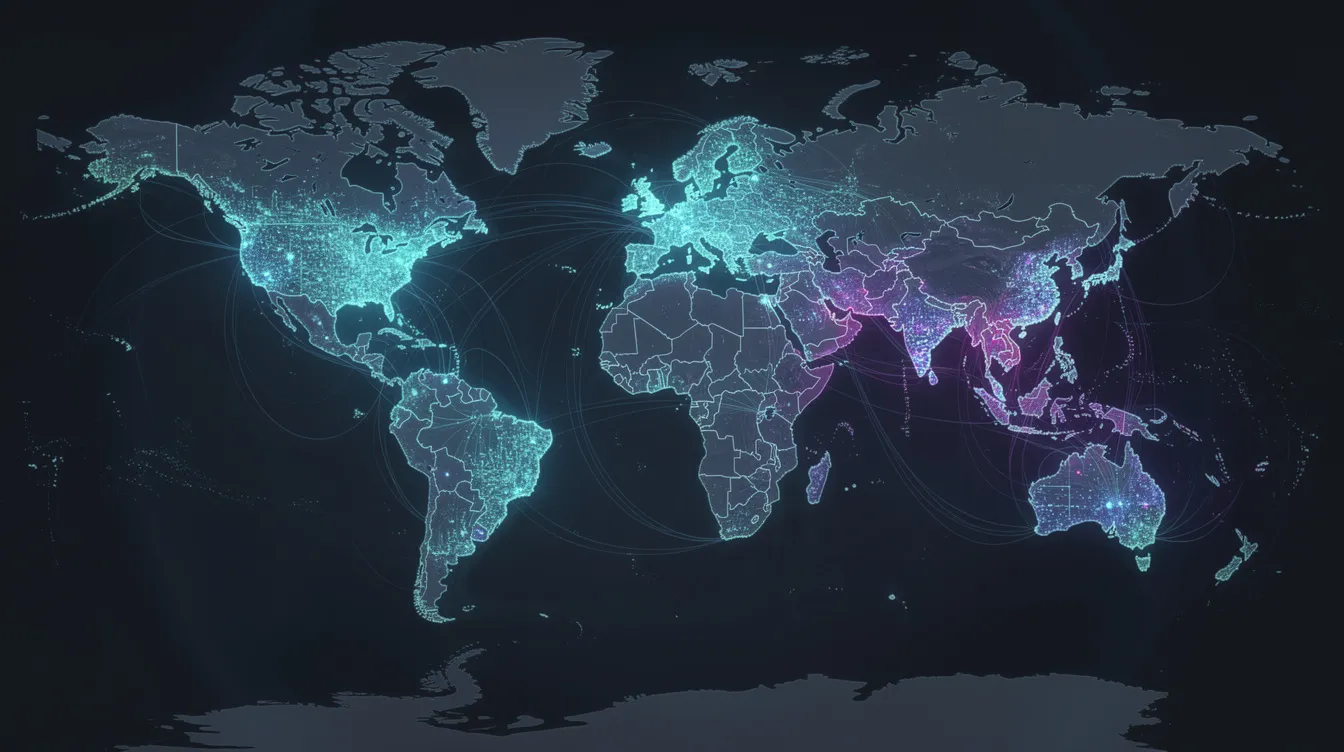
That infrastructure is the Visa network. Far more than a logo on a plastic card, Visa Inc operates one of the world's largest payments networks, a global corporation that connects consumers, merchants, and financial institutions across more than 200 countries and territories. It's a trusted network that enables digital payments for nearly every form of commerce imaginable-from a street vendor in São Paulo to a subscription service in Seoul. Visa connects 3.6 billion accounts globally and operates with over 100 million merchant locations worldwide, processing 269 billion payment transactions annually. Every single day, VisaNet-the core technology platform-processes 23 million transactions securely.
What makes this even more striking is what Visa does not do. Visa does not issue cards or extend credit to consumers. It doesn't set your interest rate or decide your credit limit. Instead, it provides the network, the rules, and the pioneering payment technology that allow financial institutions, businesses, and governments to move money reliably around the world.
Here's why the Visa network matters:
Unmatched global reach. Billions of credentials, tens of millions of merchant locations, and thousands of financial institutions across territories worldwide-including places as specific as the U.S. Virgin Islands.
Speed that powers commerce. Authorizations happen in hundreds of milliseconds, enabling real-time consumer spending at the point of sale and online.
Continuous innovation. From the first card programs of the 1950s to today's digital wallets and AI-driven fraud management, new technologies keep the network evolving.
Security at every layer. Tokenization, encryption, and machine learning protect every transaction as money travels through the system.
A platform for inclusion. Visa helps power economic participation for everyone-from global enterprises to small businesses and underserved communities.
How the Visa network works: From swipe to settlement
Understanding how money moves on the Visa network starts with knowing who's involved and what happens at each stage. Whether you're swiping a debit card at a gas station or checking out on a mobile app, the same core process applies.
The key participants
Every transaction involves the cardholder, merchant, issuer, and acquirer-four distinct roles that the Visa network connects in real time:
Cardholder: The person using a Visa credential-whether a physical card, a token in a digital wallet, or a virtual credential on a mobile device.
Merchant: The business accepting payment, from a local bakery to a global e-commerce platform.
Acquirer (acquiring bank or processor): The financial institution or payment processor that enables the merchant to accept Visa payments.
Issuer (issuing bank): The bank or fintech that issued the Visa credential and is responsible for approving or declining the transaction.
Visa (the network): The infrastructure that routes messages, enforces rules, clears transactions, and coordinates settlement between all parties. Visa's rules set global compliance and security parameters for transactions.
It's important to note that Visa itself sits in the middle-facilitating, not lending. The consumer credit card program, revolving credit terms, and account management all come from the issuer, not from Visa.
Step 1: Authorization
When you pay at a point of sale terminal (tap to pay, dip, or swipe) or complete an online purchase, the merchant's terminal sends an authorization request through the acquirer to VisaNet. This message contains essential details: the transaction amount, card number (or token), merchant identifier, and more.
VisaNet routes authorization requests to issuing banks to verify funds. The issuer checks whether the account is active, whether sufficient funds or credit are available, and whether any fraud signals are triggered. Within a few hundred milliseconds, the issuer sends back an approval or decline-and the merchant receives the answer almost instantly.
For card-not-present transactions (online payments, in-app purchases), additional authentication layers like 3-D Secure or tokenization add protection without significantly slowing the process. Visa processes tens of thousands of transactions per second with high-speed authorization, handling massive volumes without breaking stride.
Step 2: Clearing
After the transaction is authorized, the merchant batches up completed transactions and sends clearing data through the acquirer to VisaNet. Clearing files include final transaction details-captured amounts, merchant category codes, timestamps-and reconcile any differences between the initial hold and the actual charge.
Step 3: Settlement
Settlement involves transferring funds from the issuer to the acquirer. VisaNet handles daily netting across thousands of banks, calculating who owes what and coordinating the movement of money. Merchants typically see funds credited to their accounts within one to two business days, depending on local arrangements and the acquirer's terms.
How cross-border payments work
Imagine a customer in Germany buying from a U.S.-based online retailer. Visa supports transactions in more than 175 currencies worldwide, so the network handles currency conversion, applies cross-border fees, and coordinates settlement between issuing and acquiring banks in different countries. Visa allows international transactions without establishing direct relationships between banks-that's the power of the network acting as a universal intermediary.
This process happens seamlessly, whether you're making a purchase in euros, yen, or dollars. The same infrastructure that supports everyday retail handles the complexity of multi-currency, cross-border commerce.
Scale, security, and reliability of the Visa network
The Visa network is not just large-it's one of the most resilient digital payments infrastructures ever built. Its scale, security architecture, and uptime are designed to support the demands of a global economy that never sleeps.
Scale by the numbers
The numbers tell a clear story:
Metric | Figure |
|---|---|
Annual transactions processed | ~269 billion |
Daily transactions | 23 million |
Global accounts connected | 3.6 billion |
Merchant locations worldwide | Over 100 million |
Countries and territories served | 200+ |
Total payments and cash volume (FY2025) | |
Payment credentials globally | ~4.9 billion |
VisaNet connects over 80 million merchant locations worldwide directly through its switching infrastructure, with the broader acceptance network extending to over 150 million merchant locations when including all acquirer and processor relationships. VisaNet facilitates digital payments in over 200 countries, handling everything from micro-transactions to multi-million-dollar business payments.
Reliability that commerce depends on
VisaNet operates with 99.9999% availability-a level of uptime that translates to mere seconds of potential downtime per year. This is achieved through geographically distributed data centers, redundant telecommunications routes, and failover systems that can reroute traffic instantly if any part of the infrastructure is disrupted. For businesses and consumers who depend on secure payments every minute of every day, this reliability is non-negotiable.
Layered security and fraud management
Visa employs multiple layers of defense against payment fraud. Rather than relying on a single safeguard, the network stacks protections at every stage of a transaction:
Tokenization replaces actual account numbers with secure digital tokens, so sensitive card data never travels exposed across the network. This is especially critical for mobile devices and digital wallets.
Encryption protects data in transit, making intercepted information useless to attackers.
AI-driven fraud monitoring: VisaNet uses AI to combat payment fraud effectively, analyzing over 400 risk attributes in less than a millisecond for each transaction. Visa's tools-including Visa Advanced Authorization and Visa Risk Manager-score risk in real time.
VISA Protect for A2A Payments mitigates fraud risks in real-time payments, extending protection beyond traditional card transactions.
Visa's Payment Passkey Service uses biometric scans for identity confirmation, replacing passwords with fingerprint or facial recognition.
Visa provides advanced fraud prevention tools such as tokenization and encryption services, and offers a suite of services for fraud management and analytics. The company reports preventing approximately $30 billion in fraud annually using these combined tools. Visa provides tools for payment risk management and fraud prevention that serve issuers, acquirers, and merchants alike.
How does this compare to cash and checks?
Factor | Visa Network | Cash | Checks |
|---|---|---|---|
Speed | Seconds (authorization) | Instant (in person) | Days of float |
Traceability | Full digital record | None | Limited |
Fraud risk | Low (AI monitoring, tokenization) | High (theft, counterfeit) | High (forgery, bouncing) |
Cross-border use | Seamless | Difficult | Very difficult |
Availability | 99.9999% uptime | Requires physical presence | Requires mail/bank processing |
While no system is perfect, the network's combination of scale, speed, and layered security makes it far more resilient than legacy payment methods for both consumer spending and business payments.
Visa network participants and use cases across the global economy
The Visa network is often described as a "network of networks"-and for good reason. It doesn't just facilitate digital payments between a shopper and a store. It supports an enormous range of money movement flows: person-to-person, consumer-to-business, business-to-business, and government-to-citizen. The same infrastructure that handles your morning coffee purchase also powers payroll disbursements, insurance payouts, and cross-border remittances.
Who connects to the network
The ecosystem includes a diverse set of participants:
Issuers: Traditional banks, credit unions, and digital-first fintechs that issue Visa-branded credentials-credit, debit card, and prepaid products. They underwrite risk and manage the consumer relationship.
Acquirers and payment processors: Banks and payment service providers that connect businesses to the Visa network, enabling merchants to accept card and digital payment transactions.
Fintechs and digital banks: Increasingly, these strategic partners issue virtual credentials, embed Visa capabilities into apps, and offer tailored solutions for specific market segments.
Government entities: National and local governments use the network to distribute benefits, tax rebates, and disaster relief funds directly to eligible recipients.
Merchants of all sizes: From micro-merchants in rural areas to enterprise retailers, the network serves regional businesses and global brands alike.
Visa connects businesses in over 200 countries, and through Visa Direct, the network reaches over 11 billion endpoints-cards, accounts, and wallets-across 195 countries and territories.
Use cases that span the global economy
The range of how the Visa network is used continues to expand:
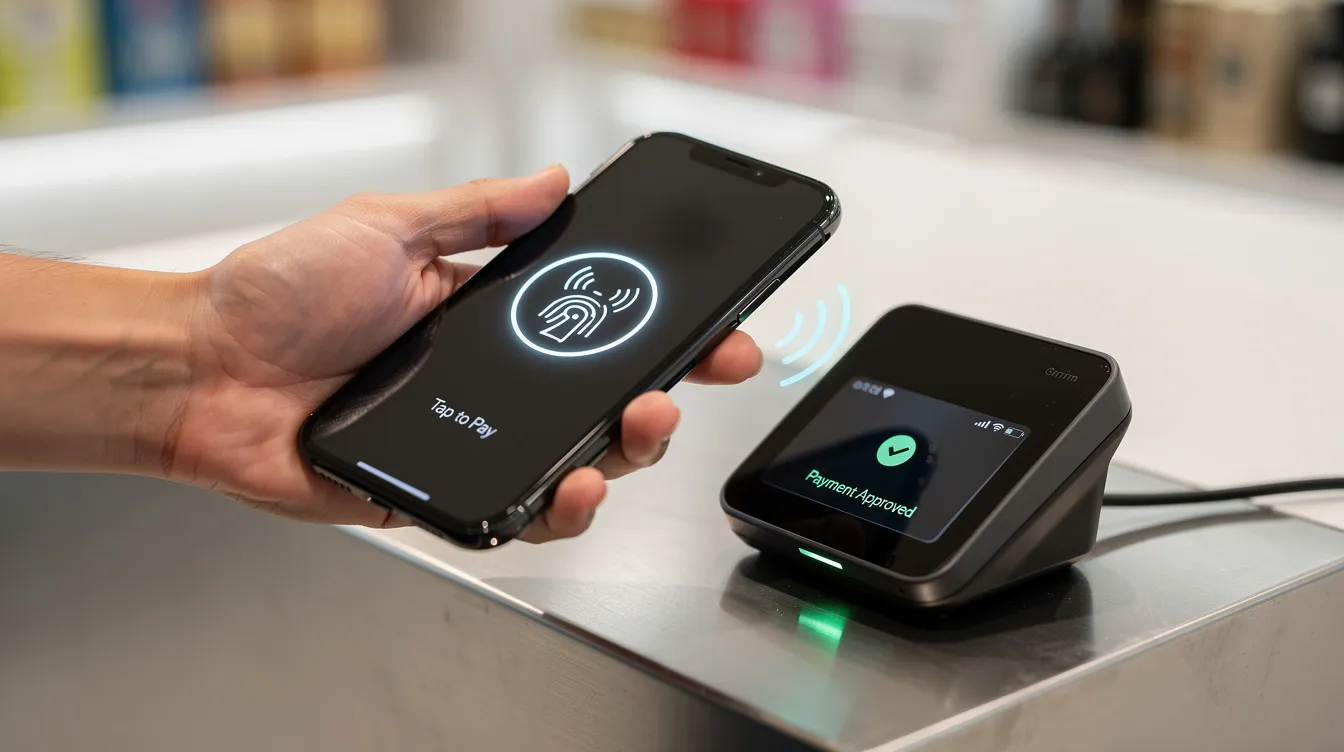
Everyday retail and contactless payments: Groceries, fuel, dining-whether at a physical point of sale or through tap to pay on a mobile device. Contactless payments have become the default in many markets.
Online payments and subscriptions: Streaming services, SaaS platforms, recurring billing. Card-not-present commerce relies on tokenization and 3-D Secure for safe checkout.
Cross-border e-commerce: A customer in Japan buying from a merchant in France, with the network handling currency conversion, compliance, and routing automatically.
Remittances and peer-to-peer transfers: Visa Direct supports real-time push payments for individuals sending money across borders-a lifeline for millions of families.
Gig economy and marketplace payouts: Platforms pay drivers, freelancers, and sellers in near real time, improving cash flow for workers who depend on fast access to earnings.
Government disbursements: Tax refunds, social benefits, and stimulus payments delivered digitally, replacing slow and risky cash distribution.
Financial inclusion: Visa enables access to digital banking tools for financial inclusion of underbanked individuals. In many regions, digital wage payments and mobile wallets connected to Visa give people their first foothold in the formal financial system.
The network working for everyone means the same core infrastructure supports individuals, small businesses, large enterprises, and government entities around the world-unlocking opportunities that were previously out of reach.
In languages Visa speaks across its global footprint-and the many languages meet Visa credentials in local markets-the network adapts to serve diverse economies with products and services that reflect local needs.
Innovation and new technologies shaping the Visa network
The journey begins in 1958, when Bank of America launched BankAmericard-a pioneering consumer credit card program that would eventually become Visa. What started as a regional experiment in Fresno, California has grown into a global set of interconnected systems that process hundreds of billions of transactions annually. That rich history is marked by an innovative spirit that continues to define everything Visa does today.
From plastic to platform: Key milestones
The evolution of the Visa network tracks the broader story of how money travels in an increasingly digital world:
1970s–1980s: America launched its first automated authorization and clearing systems (BASE I, BASE II), replacing manual processes. The network expanded internationally, and Visa Europe was established to serve the continent's growing digital payment needs.
1990s–2000s: EMV chip technology rolled out globally, dramatically reducing counterfeit fraud from magnetic-stripe cards. The form Visa credentials took began to diversify.
2014: Visa launched its Token Service, replacing sensitive card numbers with secure digital tokens for mobile and online commerce-a breakthrough that made digital wallets practical and safe.
2020s: Contactless payments surged worldwide. Visa Direct processed over 9.5 billion transactions in FY2024 alone, enabling real-time push payments across 65+ use case categories.
Making payment history Visa has shaped isn't just about milestones on a timeline. It's about how each innovation built on the last, creating a platform where pioneering payment technology and new capabilities layer on top of proven infrastructure.
Present capabilities
Today's Visa network is cloud-connected, API-driven, and intelligent. Here's what that looks like in practice:
Visa Direct enables real-time money movement to cards, accounts, and wallets globally. Approximately 62% of cross-border payments to accounts settle in under 15 minutes.
AI-powered fraud prevention analyzes hundreds of risk attributes per transaction in under a millisecond, using deep learning models that get smarter with every transaction processed.
Visa's Flexible Credential allows access to multiple accounts from a single card-letting a consumer switch between credit, debit, or rewards accounts with a single credential. This feature Visa developed reflects how payment history Visa is building adapts to modern consumer needs.
Visa offers clients a growing portfolio of data products, analytics, and consulting services that help issuers, acquirers, and merchants optimize their operations.
Visa has also launched its Scam Disruption Practice, using generative AI and network-level intelligence to identify and stop scam attempts before they reach consumers.
The near future
Looking ahead, innovative technologies continue to reshape what the network can do:
AI agents and intelligent commerce: Visa is piloting programs where AI agents perform purchases on behalf of consumers, with built-in oversight, tokenization, and fraud detection. Banks like BBVA are among the early strategic partners testing this approach.
Real-time account-to-account payments: More cross-border and A2A rails are being integrated into Visa Direct, enabling faster settlement and broader reach. Business payments continue to shift toward instant, digital-first flows.
Emerging form factors: Wearables, IoT devices, and biometric verification methods are expanding where and how people pay. Visa's Payment Passkey Service uses biometric scans for identity confirmation, pointing toward a future where passwords become obsolete.
Stablecoin and programmable money exploration: Visa is actively exploring stablecoin-linked cards and infrastructure, positioning the network for a future where digital currencies play a larger role.
Everyone innovation touches-from a developer building a fintech app to a person looking at a laptop trying to send money home-benefits from the network's commitment to continuous evolution.

Why the Visa network matters for businesses and consumers
Strip away the technical details, and the Visa network delivers something fundamental: the ability to move money reliably, safely, and quickly-anywhere in the world, at any time. That capability has profound implications for individuals, businesses, and entire economies.
For consumers
The network provides global acceptance at over 100 million merchant locations, secure payments protected by multiple layers of defense, and the flexibility to pay in more ways than ever-cards, mobile devices, digital wallets, wearables. Whether you're buying groceries down the street or booking a hotel on another continent, the same trusted network handles the transaction. Visa supports transactions in more than 175 currencies, so consumer spending works seamlessly across borders without the consumer needing to think about exchange rates or banking relationships.
For businesses
For small businesses and large enterprises alike, accepting Visa digital payments opens doors. It expands customer reach beyond local markets, reduces the costs and risks of handling cash, and provides access to value-added services like fraud management tools, analytics, and data products. Visa helps power commerce for regional businesses looking to connect businesses with customers they couldn't previously reach. The networks approach creates opportunities for merchants to grow revenue while managing risk more effectively.
Huge growth opportunities exist in markets still dominated by cash. Visa aims to convert $18 trillion in spending to digital payments-a target that represents enormous potential for businesses ready to enable digital payments and serve new customers.
For the global economy
At a macro level, the Visa network supports cross-border trade, remittances, and economic inclusion. By helping to facilitate digital payments in underserved communities, Visa contributes to financial resilience-particularly during shocks like pandemics or natural disasters, when physical payment infrastructure may be disrupted but digital commerce continues.
Transforming transactions from cash to digital creates traceability, reduces corruption, and makes it easier for government entities to distribute benefits efficiently. The network's role in the global economy goes beyond commerce-it's infrastructure for economic participation.
Key takeaways
The Visa network combines unmatched scale, speed, and reach-3.6 billion accounts, 269 billion annual transactions, coverage across 200 countries and territories.
Security is not an afterthought-it's layered into every transaction through tokenization, AI fraud monitoring, encryption, and biometric authentication.
The network serves everyone: consumers, small businesses, global corporations, fintechs, and governments-with the same core infrastructure adapted through tailored solutions.
As money travels in increasingly digital forms, the Visa network will continue to evolve, integrating innovative technologies and expanding access to the future of commerce for people and businesses around the world.
The Visa network isn't just a payments rail. It's the foundation on which much of modern commerce operates-quietly, reliably, and at a scale that few other systems in the world can match. Whether you're a consumer making your next purchase, a business owner expanding into new markets, or simply curious about how money moves, the network that powers it all is worth understanding.