
Immigration Enforcement in the UK: How It Works, Current Data and Key Debates
Introduction to UK Immigration Enforcement
Immigration enforcement in the UK refers to the actions taken inside the country to ensure that immigration laws are respected. It covers everything from detecting people who have overstayed their visas, to removing foreign national offenders, to penalising employers who hire workers without valid status. It is distinct from wider immigration policy (who can apply for a visa and on what terms) and from asylum adjudication (deciding whether someone qualifies for refugee protection). Importantly, the UK separates immigration control - the checks that happen at ports and borders - from immigration enforcement, which operates in-country through visits, arrests, detention, and removal.
The Home Office sits at the centre of this system. Its Immigration Enforcement directorate, formally established as a separate command in 2012 after the breakup of the UK Border Agency, is responsible for executing enforcement operations across England, Wales, Scotland, and Northern Ireland. These operations range from workplace raids targeting illegal working to the management of immigration removal centres where people are held pending deportation.
This article covers the legal framework, operational realities, and ongoing debates around UK immigration enforcement. It draws on official data - from early publications like the February 2017 enforcement dataset through to 2026 figures - and examines how enforcement intersects with UK visas, immigration detention, modern slavery protections, and the broader political context of tightening borders and rising compliance pressures.
What you will learn:
How the Home Office uses legal powers under the Immigration Acts of 1971, 2014, and 2016, plus the Nationality and Borders Act 2022, to manage enforcement
What the "hostile environment" (now "compliant environment") means in practice for employers, landlords, and individuals
How immigration detention and removal centres operate, with recent data on returns, detention entries, and illegal working visits
How safeguarding duties and modern slavery protections interact with enforcement - and where the system falls short
The key debates shaping the future of UK immigration enforcement, from harm-based policing priorities to digital tracking and compliance checks
The Home Office, Legal Powers and the 'Hostile Environment'
The Home Office holds statutory responsibility for enforcing immigration law inside the UK. This responsibility stretches from deciding who can enter and remain to physically removing those who have no lawful basis to stay. The legal architecture rests on several major pieces of legislation, each adding layers of power and obligation to the enforcement toolkit.
The foundation is the Immigration Act 1971, which established the core framework for control of entry, leave to remain, deportation, and removal. The Immigration Act 2014 introduced wide-ranging civil penalties for employers and landlords who fail to verify immigration status, alongside data-sharing powers between public bodies. The Immigration Act 2016 built further, extending policing and monitoring capabilities. Most recently, the Nationality and Borders Act 2022 added tougher border security measures, new "public order" provisions, and changes to asylum and modern slavery processes.
Immigration Enforcement uses powers of arrest, search, detention, and removal under these Acts. Oversight comes from several directions: the Independent Chief Inspector of Borders and Immigration conducts inspections and publishes reports; parliamentary committees hold hearings and publish recommendations; judicial review allows individuals to challenge enforcement decisions in court. This layered accountability structure is designed to keep enforcement within legal and ethical boundaries - though, as we will explore, critics argue oversight has not always been sufficient.
The 'Hostile Environment' and Compliance Checks
From 2012–2013, the UK government introduced what became known as the "hostile environment" policy, later rebranded in some official documents as the "compliant environment." The core idea was to make everyday life in the UK difficult for people without valid immigration status, by embedding status checks into routine interactions with landlords, employers, banks, and public services.
Key elements include:
Right to work checks: Employers must verify a job applicant's immigration status before hiring. Between Q3 2022 and Q2 2023, employers carried out over 16 million digital right-to-work checks for time-limited migrants. Civil penalties apply for non-compliance, and UK immigration enforcement and compliance policies continue to focus on expanding employer obligations.
Right to rent checks: Private landlords must verify tenants' immigration status before letting a property. In the same period, landlords conducted approximately 919,104 immigration checks.
Data sharing: Public bodies including local authorities, HMRC, and the DVLA share information to identify people without leave to remain.
Digital tracking: UK immigration enforcement increasingly emphasises digital tracking and compliance checks, including the new Electronic Travel Authorisation system, which is now required for non-visa nationals travelling to the UK.
Connection to the UK Visas System
In-country enforcement is directly linked to the UK visas and immigration system. Common triggers for enforcement include:
Overstaying: Entering on a valid visa but remaining after it expires. Legal processes vary significantly between different immigration statuses in the UK, meaning an overstayer on a student visa faces a different pathway than someone on a work visa.
Breach of conditions: For example, a student working more hours than permitted, or a sponsored worker changing employers without authorisation. Employment on sponsored work routes in the UK is strictly monitored, and compliance pressures on UK licensed sponsors have intensified under new immigration rules.
Raised thresholds: Raised qualification and language hurdles in the UK now affect major visa categories, and higher financial barriers - including increased visa processing fees and a rise in the Immigration Skills Charge - have been introduced. These increased financial requirements for UK immigration mean some applicants struggle to meet requirements, increasing the risk of falling out of status.
Stricter documentation: UK immigration policies impose stricter documentation requirements on applicants, and significant changes to UK immigration rules have faced scrutiny for being more restrictive. Proposed changes in UK immigration also suggest an earned settlement model for permanent residency, which would add further compliance stages.
Sponsor compliance: The implementation of the Border Security, Asylum and Immigration Act expands compliance checks on sponsors and institutions.
Windrush and Enforcement Culture
The Windrush scandal, which came to public attention around 2017–2018, exposed how hostile environment policies led to the wrongful detention and deportation of UK citizens - predominantly members of the Caribbean community who had arrived decades earlier as children. Many lacked formal documentation of their status because they had never needed it. The scandal triggered public outrage, a government review, and promises of reform. It remains a touchstone in discussions about enforcement culture, discrimination, and the risks of overly rigid status-checking systems.
Official Home Office communications have framed immigration enforcement activities around public safety, counter-terrorism, and the removal of foreign national offenders. This framing - visible in "Home Office in the media" blog entries and ministerial statements - shapes public perception of enforcement as primarily a security tool, even though the majority of enforcement actions involve administrative breaches rather than criminal behaviour.
Only one member of the Executive Committee is from a minority background, a fact that has drawn attention in discussions about whether the leadership of enforcement bodies reflects the diversity of the communities they police.
Operational Enforcement: Detention, Removal Centres and Data Trends
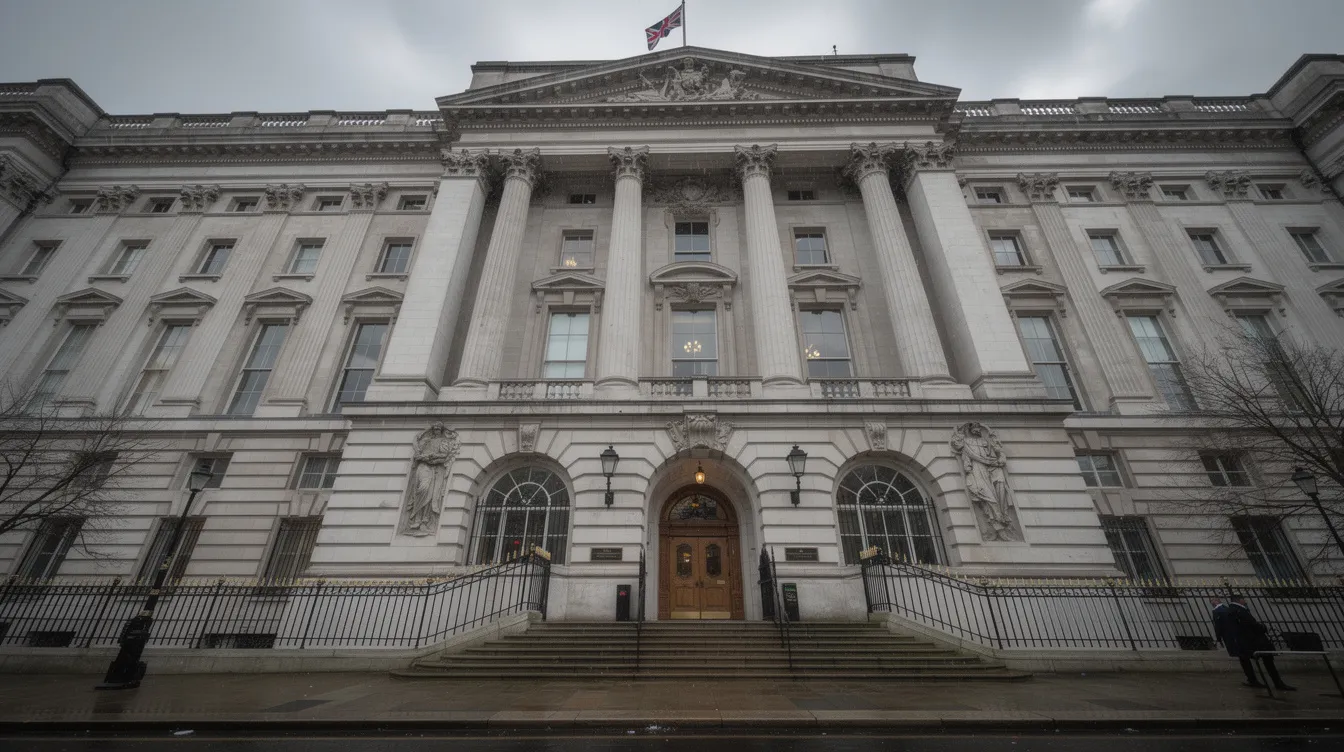
In practice, in-country immigration enforcement is carried out by Immigration Compliance and Enforcement (ICE) teams. These teams conduct visits to workplaces, residential addresses, and other locations where people suspected of breaching immigration law may be found. Visits can result in arrests, notices requiring a person to report regularly, or immediate detention. The Home Office targets irregular migration through active enforcement operations, and the Department aims for a cohesive end-to-end immigration enforcement system that links detection, detention, and removal.
Detention and Removal Centres
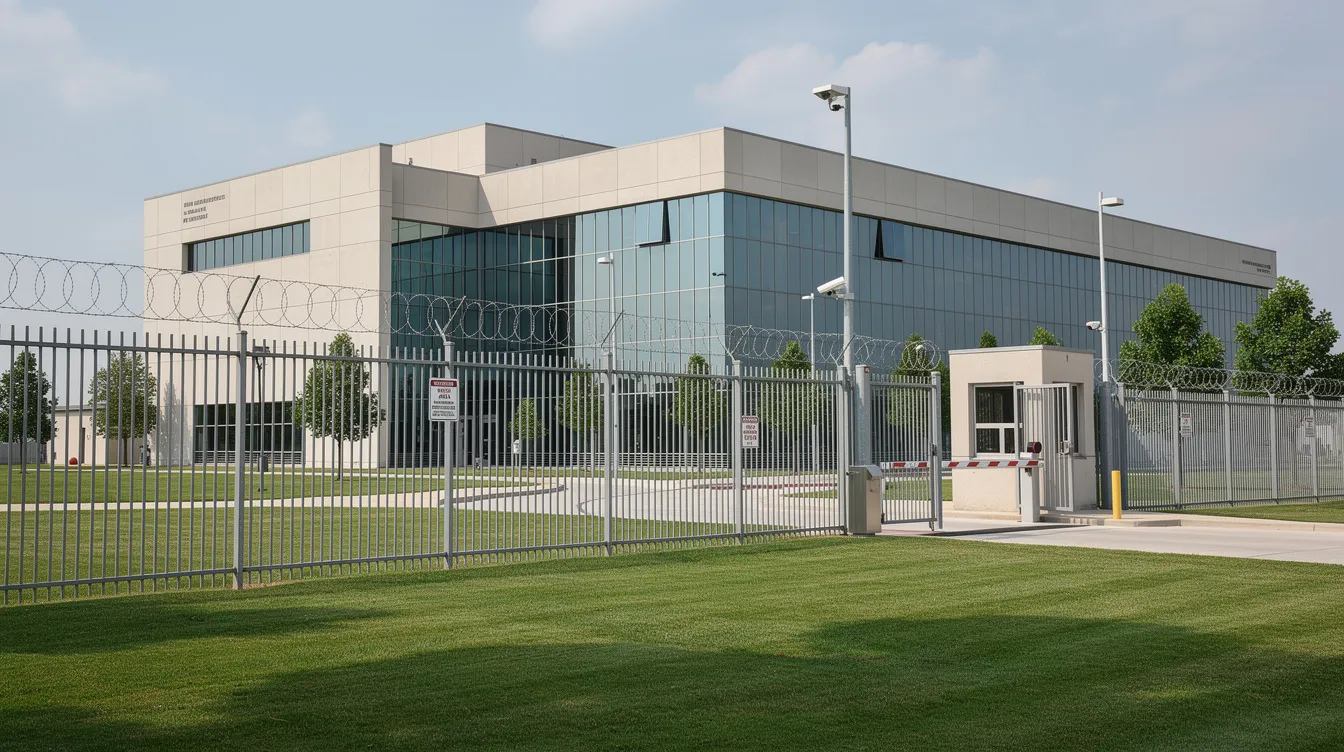
When someone is detained, they may be held in a short-term holding facility or transferred to an Immigration Removal Centre (IRC). Immigration detention in the UK is used for various administrative needs - primarily to facilitate removal - not as punishment. Unlike criminal prison sentences, there is no fixed time limit on immigration detention, which has been a persistent source of criticism.
Key facilities include:
Derwentside IRC - a women's immigration removal centre opened in 2021 in County Durham, reflecting efforts to create dedicated facilities for specific populations.
Brook House - located near Gatwick Airport, this centre gained significant media attention after allegations of mistreatment under its previous contractor, G4S, which stepped back from management in 2019. Facilities like Brook House illustrate the ongoing tensions around detention conditions, healthcare provision, and oversight.
Immigration Enforcement collaborates with the Ministry of Justice for services including the management of foreign national offenders held in prison who face deportation upon completing their sentences. The UK government has expanded removal capacity to facilitate deportations, including through charter flight programmes.
Returns: Enforced and Voluntary
Removal from the UK takes two forms: enforced return, where the state compels departure (often from detention), and voluntary return, where an individual leaves of their own accord, sometimes with financial or logistical assistance.
The long-term trend in returns tells an important story. In 2017, total enforced returns stood at approximately 12,321, with voluntary departures adding a further 18,928. By the year ending June 2023, enforced returns had fallen to around 6,362. More recently, by the year ending June 2026, enforced returns rose again to approximately 9,669. This fall and partial recovery reflects a combination of increased human rights and asylum claims, modern slavery referrals, legal challenges, and - in 2019 specifically - the Department's failure to complete 62% of planned returns from detention.
Data Trends at a Glance
Official Home Office data releases provide the backbone for tracking enforcement activity. Two notable publications illustrate the evolution of open data in this area:
"Immigration Enforcement data: February 2017" (ODS file, 50.8 KB, published 23 February 2017) - an early example of quarterly open data, covering enforcement visits, arrests, and detention.
"Immigration Enforcement data: Q1 2023" (ODS file, 89.2 KB, published 25 May 2023) - a more recent quarterly dataset, typically including statistics on detention entries and exits, enforced and voluntary returns, enforcement visits, and illegal working operations.
Detention statistics for the UK show that 22,037 people entered immigration detention in one year. In 2017, approximately 27,331 people entered the detention estate, with around 2,138 held at any one time (excluding those in prison). Immigration Enforcement identified 11,300 clandestine entry attempts in 2019.
Illegal Working Enforcement
In the UK, illegal working enforcement actions have increased significantly. In the first half of 2023–24, ICE visits for illegal working rose sharply - arrests more than doubled from 1,522 to 3,983 compared with the same period in the prior year, with a particular campaign in the food delivery sector producing around 250 visits and 380 arrests. By early 2026, the UK government reported 7,270 illegal-working visits and 4,756 arrests, underscoring the continued acceleration of workplace enforcement.
Data Weaknesses and Acknowledged Gaps
The Home Office has been candid about limitations in its own information systems:
The Department admitted it has "too much" management information - a large volume of operational data but not enough outcome-focused analysis to guide strategic decisions.
The Department struggles to assess the illegal population's characteristics, making it difficult to plan enforcement effectively or measure impact.
The Department admitted it lacks adequate evidence for its actions in several areas, and has recognised a need for better management information overall.
The Department aims to improve its management information systems, with senior leaders acknowledging that resource allocation has relied too heavily on judgement rather than comprehensive analytics.
Case Study: Migrant Smuggling Prosecution
A concrete example of enforcement in action: the prosecution of Akan Brayan (Nottingham) and Dylan Shwani (Lincoln), convicted for smuggling 31 migrants - including children and a pregnant woman - into the UK. They received a combined 14 years' imprisonment. Cases like this illustrate the "sharp end" of enforcement: serious organised immigration crime where enforcement, policing, and prosecution intersect, and where cooperation between agencies is essential to sort through complex cross-border operations.
Safeguarding, Modern Slavery and a People‑Centred Approach
Immigration enforcement does not operate in a vacuum. Every workplace visit, every arrest, every detention carries the potential to encounter vulnerable people - children, trafficking victims, individuals with serious health needs. How the system manages these encounters defines whether enforcement is merely effective or genuinely fair.
The Modern Slavery Framework
The Modern Slavery Act 2015 established legal offences of slavery, servitude, forced labour, and human trafficking. It also created the National Referral Mechanism (NRM), through which "first responder organisations" - including Immigration Enforcement itself - can refer potential victims for assessment and support. When someone encountered during an enforcement operation is identified as a potential victim of modern slavery, the process requires a "reasonable grounds" decision (an early threshold test) followed by a "conclusive grounds" decision (on balance of probabilities).
Data from the NRM reveals both progress and strain. The positive reasonable grounds decision rate dropped from approximately 88% in 2022 to around 55% in 2023, following a January 2023 change to evidential thresholds that made the test more stringent. Time to reach a reasonable grounds decision rose from 6 days in 2022 to 23 days in 2023. A growing number of Duty to Notify referrals - 5,598 in 2024 - suggests that potential victims are increasingly declining to enter the full NRM process, often out of fear that sharing personal details could expose them to immigration enforcement consequences.
Enforcement, Vulnerability, and Criticism
The Home Office and Immigration Enforcement have faced criticism for sometimes treating vulnerability - modern slavery claims, medical needs, asylum applications - as obstacles to removal rather than as genuine protection needs. Internal reviews have called for better research evidence and more community engagement to build what some have described as a "people-centred" approach. The House of Lords Modern Slavery Committee has published findings highlighting inconsistencies in how victims are assessed, and the value of early identification before enforcement escalates.
The "public order" disqualification under the Nationality and Borders Act 2022 adds another layer of complexity. Under these provisions, modern slavery survivors can be disqualified from NRM support if they have been convicted of offences carrying 12 months or more in prison - even where those crimes may have been committed under coercion. Critics argue this undermines the protections the Modern Slavery Act was designed to provide.
Policy Pressures and Connections
Several concrete policy dynamics shape how enforcement and safeguarding interact:
Early-contact points in the UK visas and immigration system are designed to prevent young people and sponsored migrants from "falling out of status" - but these rely on adequate advice and information reaching individuals before problems arise.
Reductions in voluntary return packages and legal aid have limited the opportunities available to people who might otherwise leave the UK willingly, producing more contested cases and longer detention periods.
Increased use of human rights, asylum, and modern slavery claims by people already in immigration detention complicates return planning. In 2019, 62% of planned returns from detention were not completed, with these claims accounting for a significant share of the disruption.
Transparency efforts include Independent Monitoring Board reports on IRCs, the "Home Office in the media" page responding to press concerns, and published data on the government website covering detention and returns. These tools improve accountability but do not resolve the underlying tensions.
Harm-Based Prioritisation
Enforcement priorities are increasingly framed around "harm-based" criteria rather than simply maximising the number of deportations. The Department's prioritisation framework focuses on harm - meaning that foreign national offenders convicted of serious crimes, individuals linked to organised crime such as migrant smuggling, and those posing a national security threat are, in theory, at the front of the queue. In practice, critics question how consistently this is applied, and whether the system has the capacity to explore and assess risk on a case-by-case basis given the volume of people in the enforcement pipeline.
Looking Ahead
The future of UK immigration enforcement will be shaped by several converging pressures. The government has recruited 200 new staff to clear the NRM backlog as of March 2025, but the system faces deeper structural challenges: producing outcome-focused metrics rather than raw operational data, ensuring that enforcement does not deter victims of exploitation from coming forward, and balancing strong borders with compliance with human rights law and the European Convention on Human Rights.
UK immigration policies continue to tighten visa standards and increase border controls, while the political discussions around enforcement show no sign of quieting. How the Home Office manages the tension between public confidence and fair treatment - supported by robust data, transparent analysis, and genuine cooperation across agencies and communities - will determine whether enforcement becomes more effective or simply more contentious.
The data beyond Q1 2023 is already beginning to reveal the impact of recent legislative changes, and future reviews will need to account for whether tighter thresholds, expanded compliance checks, and increased enforcement visits are producing the intended results - or simply shifting the problem. Immigration enforcement remains one of the most consequential, contested, and closely watched areas of UK public policy. Understanding how it works is the first step toward assessing whether it works well.